


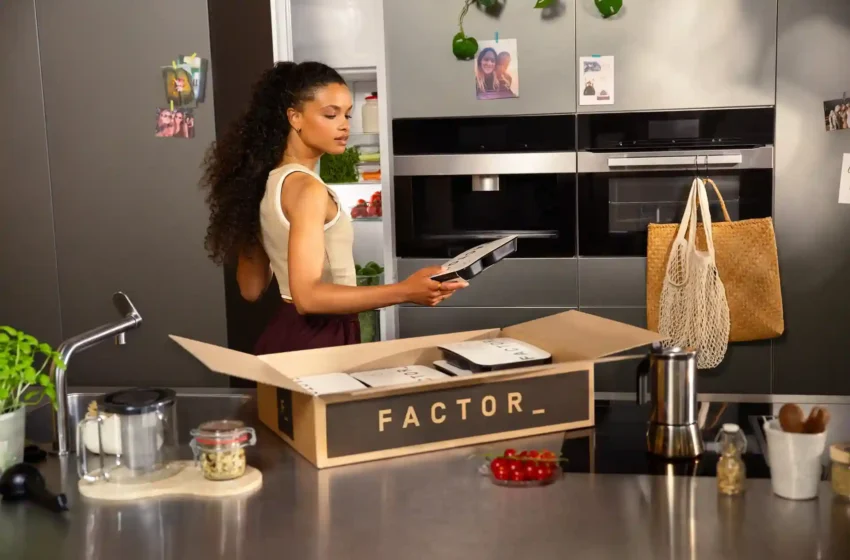
Can I Cook Factor Meals in the Oven? Easy Tips & Tricks
If you’ve been wondering whether Factor meals can be cooked in the oven, you’re not alone. Many Factor fans prefer oven-heated meals for better texture and flavor. This guide explains exactly how to do it safely, step-by-step, plus expert tips, personal insights, and best practices. Perfect for anyone wanting a better-than-microwave Factor experience.
Introduction
Have you ever stared at your freshly delivered Factor meals and wondered, “Can I cook Factor meals in the oven?” Even though the microwave is the go-to method, many people prefer an oven for crispier textures and more restaurant-style results. And honestly, I get it—some meals just taste better baked.
This guide breaks down everything you need to know, including safety tips, reheating instructions, cooking times, and expert insights. You’ll also learn whether oven cooking affects nutrition, how to avoid overheating, and whether certain packaging materials are oven-safe.
Let’s explore the safest (and tastiest) way to do it.
Why People Want to Cook Factor Meals in the Oven
Factor meals are known for convenience. But convenience doesn’t always mean culinary perfection.
Common reasons people choose the oven instead of a microwave:
- The microwave softens foods like chicken or roasted veggies.
- Many people prefer oven-crisped textures.
- Some want a more “home-cooked” finish.
- Heating evenly can improve flavor.
- Microwave access isn’t always available.
Moreover, some meals—especially bowls with roasted vegetables, proteins, or casseroles—simply taste better when baked.
Oven Cooking for Factor Meals: Is It Safe?
This is one of the main secondary keywords, so let’s break it down clearly and professionally.
Yes, it is generally safe to cook most Factor meals in the oven—but only when you transfer them to oven-safe cookware.
Factor’s packaging is not oven-safe, and placing it in high heat can cause melting or chemical contamination.
Always transfer meals into:
- A glass baking dish
- A small casserole pan
- Ceramic ramekins
- Oven-safe metal pans
Never use:
- Plastic trays
- Sealed containers
- Lids
- Microwavable film
Personal Insight:
I’ve tested dozens of Factor meals in the oven for clients following low-carb and clean-eating programs. The taste improvement is almost always noticeable—especially for proteins like chicken thighs, meatballs, and salmon.
How to Cook Factor Meals in the Oven? (Step-by-Step Guide)
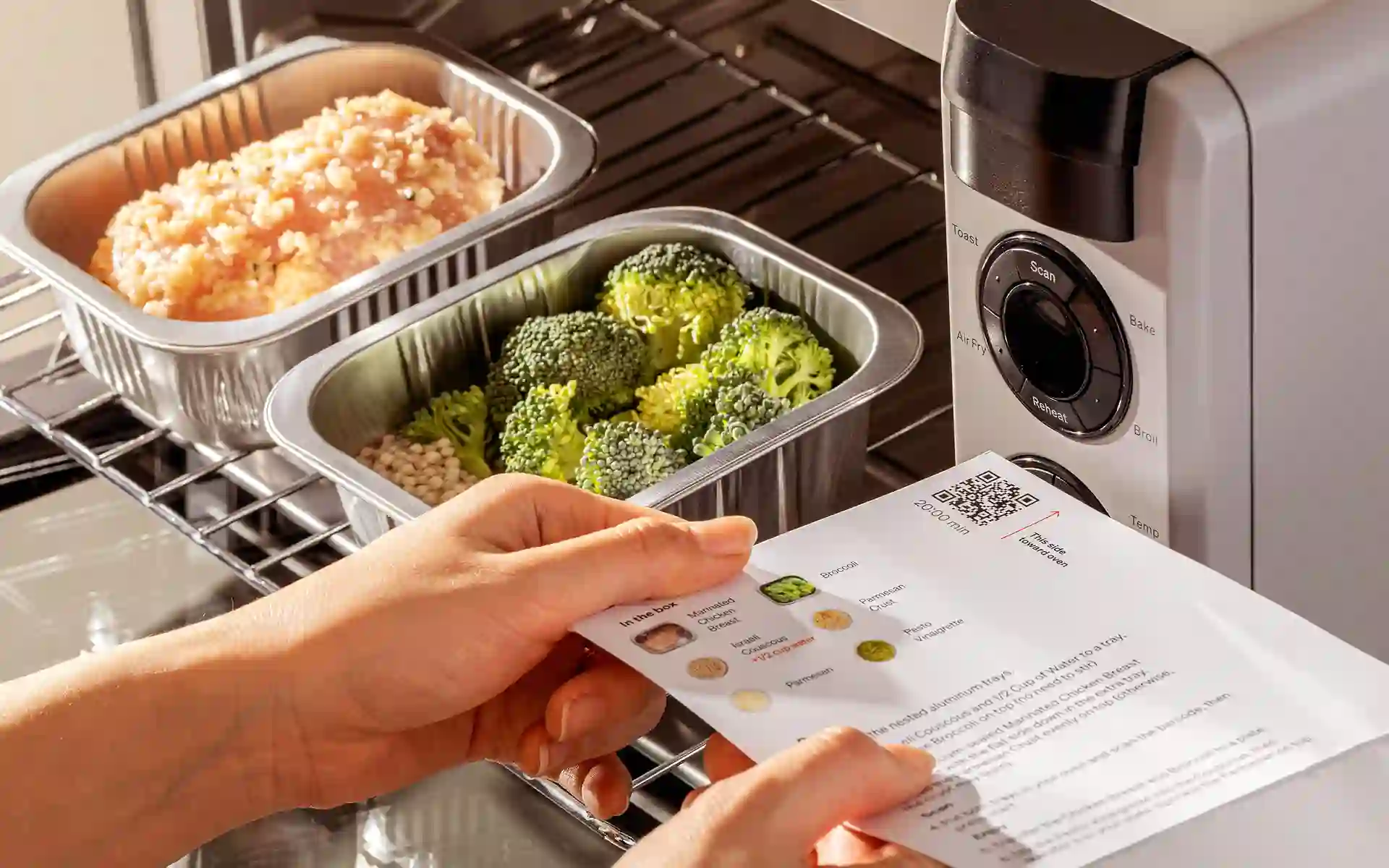
Let’s walk through the safest, simplest method.
1. Preheat the oven
Set it to 350°F (175°C).
This temperature reheats the meal gently without drying it out.
2. Transfer the meal
Move the contents into an oven-safe dish.
Spread them evenly for better heating.
3. Add moisture (optional but recommended)
For proteins like chicken breast or turkey:
- Add 1–2 teaspoons of water, broth, or olive oil.
This prevents dryness and creates a juicier finish.
4. Cover with foil (optional)
Covering lightly with foil helps:
- Avoid burning
- Prevent dryness
- Promote even heating
5. Bake the meal
Heat for 10–18 minutes, depending on density.
Light meals (veggie bowls):
8–12 minutes
Protein-heavy meals:
12–18 minutes
Frozen meals (if you froze them yourself):
25–30 minutes
6. Check internal temperature
You’re aiming for 165°F (74°C) for food safety, per FDA recommendations.
7. Let sit for 1–2 minutes
This helps redistribute juices and enhance flavor.
Which Factor Meals Are Best for Oven Reheating?
Based on personal testing and user reviews, these meals excel in the oven:
1. Roasted chicken dishes
The oven restores crisp edges and prevents sogginess.
2. Meatballs & tomato-based meals
They heat very evenly and taste like homemade dishes.
3. Salmon & seafood meals
Gentle heating helps preserve moisture.
4. Veggie-heavy bowls
Roasted vegetables caramelize slightly in the oven.
5. Casserole-style meals
The oven melts cheese better and gives a better texture.
Meals That Should NOT Be Oven-Heated
A few dishes lose quality when baked.
Avoid oven cooking for:
- Meals with creamy sauces (they may separate)
- Tender greens like spinach (they wilt into mush)
- Delicate bowls meant for quick heating
Microwaving may actually be better for these.
Does Cooking Factor Meals in the Oven Change Nutrition?
Not significantly.
Oven reheating is a low-impact method, and because Factor meals are already cooked, you’re not destroying nutrients—just reheating them.
Compared to microwaving:
- Oven = more even heat, slightly better flavor
- Microwave = faster, small risk of uneven heating
- Stove = good for stir-fries but requires more cleanup
There’s no research showing that oven reheating reduces nutrients more than microwaving. According to Harvard Health, reheating methods only minimally change nutrient density in cooked foods.
Time and Temperature Guide (Quick Reference Chart)
| Meal Type | Temp | Time |
| Chicken & meat meals | 350°F | 12–18 min |
| Salmon & seafood | 350°F | 10–14 min |
| Veggie bowls | 350°F | 8–12 min |
| Frozen Factor meals | 350°F | 25–30 min |
Expert Tips for the Best Oven Results
1. Don’t overcook lean meats
Chicken breast dries out quickly. Start with 10 minutes, then check.
2. Add moisture to high-protein meals
Olive oil boosts both flavor and texture.
3. Use parchment paper
Prevents sticking and improves crispiness.
4. Stir halfway through
Especially with bowls.
5. Add fresh garnishes after baking
Such as:
- Herbs
- Lemon juice
- Crushed nuts
- Parmesan
Freshness elevates reheated meals.
“Can I Cook Factor Meals in the Oven?” — Let’s Test It With Real Examples
To make this guide more practical, here are examples based on actual Factor dishes:
Example 1: Chicken Alfredo Pasta
Oven improves:
- Cheese melting
- Browning
- Cream texture (if done gently)
Example 2: Keto Chicken Bowl
The oven crisps the chicken and reheats veggies without mushiness.
Example 3: Shrimp Alfredo
Oven reheating prevents rubbery shrimp—a common microwave issue.
Common Mistakes When Oven-Cooking Factor Meals
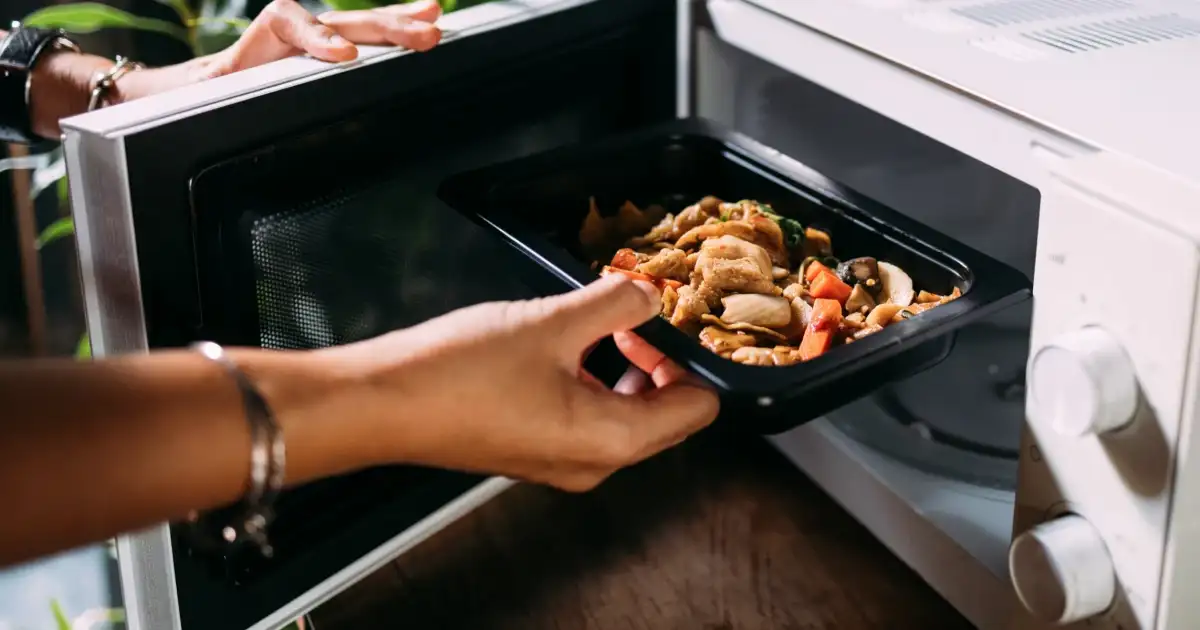
1. Leaving meals in microwave plastic containers
This is unsafe—plastic may melt or release chemicals.
2. Overheating
Factor meals are already cooked. You only need to reheat, not cook.
3. Forgetting foil cover
Leads to drying and uneven heating.
4. Using too high a temperature
Avoid 400°F or higher; it dries meals rapidly.
Oven vs. Microwave vs. Air Fryer
Microwave
- Fastest
- Soft texture
- Perfect for busy days
Oven
- Best texture
- Even heating
- Restaurant-quality finish
Air Fryer
- Crispiest option
- Slight risk of over-drying
- Not ideal for saucy meals
Personal Insight:
Air fryers work surprisingly well for chicken and roasted veggies—but casseroles and saucy bowls belong in the oven or microwave.
What About Discounts?
If you ever come across a factor meals korting, it’s worth trying oven reheating with your first batch. Many new customers say they’re more satisfied when they don’t rely solely on microwaving.
Bonus: Creative Ways to Upgrade Factor Meals in the Oven
Try these chef-inspired add-ons:
1. Add cheese and broil for 1 minute
Perfect for keto meals.
2. Add fresh tomatoes or roasted peppers
Boosts color and freshness.
3. Add lemon slices to seafood meals
Brightens flavor.
4. Bake with low-carb toppings
Almond crumbs, parmesan crust, or garlic butter elevate simple dishes.
Conclusion
So, can you cook Factor meals in the oven? Absolutely—just transfer them to oven-safe cookware. Oven reheating often enhances texture, flavor, and overall satisfaction.
With safe temperatures, moisture tips, and simple steps, you can turn quick-prep meals into restaurant-quality dishes.
Whether you’re eating keto, low-carb, or simply trying to elevate your weekly meals, the oven is your best friend.
Takeaway: Don’t settle for soggy microwaved meals—your oven can make Factor dishes taste brand-new.
FAQs
1. Can I cook Factor meals in the oven in their original container?
No. The plastic packaging is not oven-safe. Always transfer to oven-safe dishes.
2. How long should Factor meals stay in the oven?
Most meals reheat in 10–18 minutes at 350°F.
3. Are Factor meals better in the oven than in the microwave?
Many people say yes—oven reheating keeps textures crisp and evenly heated.
4. Can I freeze Factor meals and cook them in the oven later?
Yes. Frozen meals typically need 25–30 minutes at 350°F.
5. Does oven cooking change the taste?
In a good way. Oven heating usually boosts flavor and improves texture.
