


How to Foster Psychosocial Wellbeing in Challenging Times
How to Foster Psychosocial Wellbeing in Challenging Times
Psychosocial wellbeing is more than mental health — it’s how we connect, cope, and thrive in uncertain times. In this expert guide, discover practical, research-backed strategies to strengthen resilience, relationships, and emotional balance. Learn how individuals, families, and workplaces can foster psychosocial wellbeing in challenging times.
Introduction
Have you ever felt emotionally drained even when nothing seemed “wrong”? In today’s fast-paced and uncertain world, many people struggle silently. Economic stress, global crises, workplace burnout, and social isolation have made psychosocial wellbeing more important than ever.
Psychosocial wellbeing isn’t just about avoiding mental illness. It’s about feeling supported, connected, purposeful, and emotionally balanced. When nurtured, it strengthens resilience, improves relationships, and enhances productivity.
In this guide, you’ll learn practical, research-backed strategies to foster psychosocial wellbeing in challenging times — whether for yourself, your family, or your organization.
Understanding Psychosocial Wellbeing
What Does Psychosocial Wellbeing Really Mean?
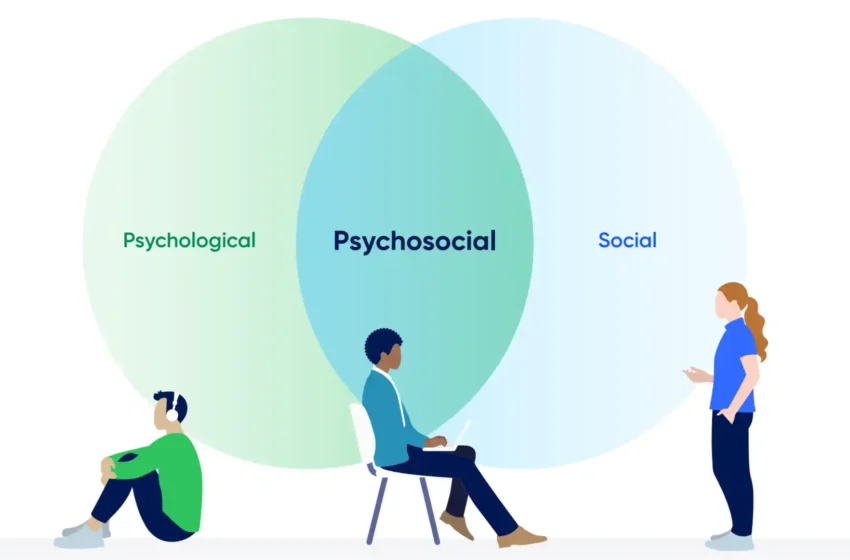
Psychosocial wellbeing combines two key dimensions:
- Psychological health – thoughts, emotions, coping skills
- Social wellbeing – relationships, community, sense of belonging
According to research published by organizations like the World Health Organization, mental health is not merely the absence of illness, but a state of overall wellbeing.
In simple terms, psychosocial wellbeing is how well you manage emotions while maintaining healthy social connections.
Why It Matters More Today
Consider these realities:
- Remote work has increased isolation.
- Financial uncertainty raises stress levels.
- Social media amplifies comparison and anxiety.
Moreover, studies show that strong social support can reduce the risk of depression by up to 50%. That’s not just emotional comfort — it’s protective health care.
The Impact of Challenging Times on Wellbeing
Challenging periods — whether global pandemics, economic downturns, or personal crises — disrupt routines and safety.
Common Psychosocial Stressors
- Job insecurity
- Social isolation
- Information overload
- Family tension
- Loss or grief
However, stress itself isn’t always harmful. Chronic, unmanaged stress is.
When stress becomes overwhelming, it affects:
- Sleep quality
- Immune function
- Workplace performance
- Relationships
In short, psychosocial wellbeing acts as a buffer against life’s pressures.
Practical Strategies to Foster Psychosocial Wellbeing
- Strengthen Emotional Awareness
Emotional awareness is the foundation of psychological resilience.
Ask yourself daily:
- What am I feeling right now?
- Why might I be feeling this way?
For example, journaling for just 10 minutes can significantly reduce anxiety levels. Personally, I’ve seen professionals transform burnout into clarity simply by recognizing emotional triggers.
2. Build Meaningful Social Connections
Human beings are wired for connection.
To enhance social wellbeing:
- Schedule regular calls with friends
- Join community groups
- Participate in volunteer activities
- Create “no-phone” family time
Even small interactions — like greeting a neighbor — boost mood.
Moreover, research suggests that people with strong social ties live longer and recover faster from illness.
3. Develop Healthy Coping Mechanisms
Not all coping strategies are equal.
Healthy coping includes:
- Exercise
- Mindfulness
- Deep breathing
- Creative hobbies
Unhealthy coping often includes avoidance, substance use, or excessive screen time.
For example, a 30-minute walk reduces cortisol (stress hormone) significantly. That’s science-backed emotional regulation.
Psychosocial Wellbeing in the Workplace

Workplaces play a critical role in fostering psychosocial wellbeing.
Why Employers Should Care
Organizations that prioritize wellbeing experience:
- Higher productivity
- Lower absenteeism
- Reduced turnover
- Improved employee engagement
Companies like Google have integrated mental health programs into corporate culture, recognizing the direct link between wellbeing and performance.
How Leaders Can Support Employees
- Encourage open conversations about stress
- Offer flexible work arrangements
- Provide mental health resources
- Recognize employee achievements
Moreover, simple gestures — like genuine appreciation — dramatically increase morale.
The Role of Routine and Structure
During uncertainty, routines provide psychological safety.
Why Structure Reduces Anxiety
When the brain can anticipate what’s coming, it feels more secure. Predictability reduces cognitive overload.
Try this simple framework:
- Morning: Movement or reflection
- Afternoon: Focused work blocks
- Evening: Connection and relaxation
Consistency strengthens emotional stability.
Digital Wellbeing and Boundaries
Technology brings us together, yet it can also overwhelm us.
Warning Signs of Digital Overload
- Doomscrolling
- Sleep disruption
- Irritability
- Decreased attention span
Setting digital boundaries improves psychosocial wellbeing.
For example:
- No screens 1 hour before bed
- Disable non-essential notifications
- Schedule “offline” hours
In my experience, even a weekend digital detox restores mental clarity.
Community Support and Collective Resilience

Communities thrive when individuals support each other.
How Communities Build Resilience
- Local support networks
- Faith-based organizations
- Nonprofit initiatives
- Public health programs
Collective resilience strengthens psychosocial wellbeing at a societal level.
For broader insight, see the mental health overview on Wikipedia (external reference suggestion).
The Science Behind Psychological Wellbeing
Psychologist Carol Ryff introduced a model outlining six pillars of psychological wellbeing:
- Self-acceptance
- Personal growth
- Purpose in life
- Environmental mastery
- Autonomy
- Positive relationships
These pillars remain widely cited in wellbeing research.
Moreover, neuroscience confirms that gratitude practices physically rewire neural pathways for positivity.
Signs You’re Improving Your Psychosocial Wellbeing
Growth is subtle but noticeable.
You may observe:
- Increased emotional regulation
- Stronger relationships
- Improved sleep
- Clearer thinking
- Higher energy levels
Progress isn’t perfection. It’s consistent.
Common Myths About Psychosocial Wellbeing
Let’s clear up misconceptions:
Myth 1: It’s the same as happiness.
→ Reality: It includes resilience, meaning, and connection.
Myth 2: Only people with mental illness need support.
→ Reality: Everyone benefits from strengthening wellbeing.
Myth 3: It requires expensive therapy.
→ Reality: Many strategies are simple and free.
Action Plan: 7-Day Reset for Psychosocial Wellbeing
Here’s a practical challenge:
Day 1: Reflect on current stressors
Day 2: Reach out to one friend
Day 3: Move your body for 30 minutes
Day 4: Practice gratitude
Day 5: Declutter digital space
Day 6: Set one boundary
Day 7: Plan something meaningful
Small steps create sustainable change.
Conclusion
Challenging times test our emotional strength. However, they also reveal our capacity for resilience.
Psychosocial wellbeing is not a luxury — it’s a necessity. It shapes how we cope, connect, and grow. By nurturing emotional awareness, strengthening relationships, creating structure, and setting healthy boundaries, we build a life that feels balanced and meaningful.
Start small. Stay consistent.
Because wellbeing isn’t built overnight — it’s cultivated daily.
Frequently Asked Questions (FAQs)
What is the meaning of psychosocial wellbeing?
Psychosocial wellbeing refers to the connection between emotional health and social relationships. It reflects how well someone manages stress while maintaining meaningful connections.
What is psychological well-being?
Psychological well-being focuses on internal factors like self-acceptance, purpose, autonomy, and personal growth. It’s about functioning positively, not just avoiding illness.
What are 5 examples of psychosocial?
Five examples include:
- Strong friendships
- Healthy coping skills
- Emotional awareness
- Community participation
- Work-life balance
Who has 5 psychological wellbeing?
The five-factor wellbeing concept is often associated with research frameworks like PERMA by Martin Seligman, focusing on positive psychology principles.
What are the 6 pillars of psychological wellbeing?
The six pillars are:
- Self-acceptance
- Personal growth
- Purpose in life
- Autonomy
- Environmental mastery
- Positive relationships
