


How to Promote Wellbeing in Older Adults Effectively: A Comprehensive Guide
Introduction:
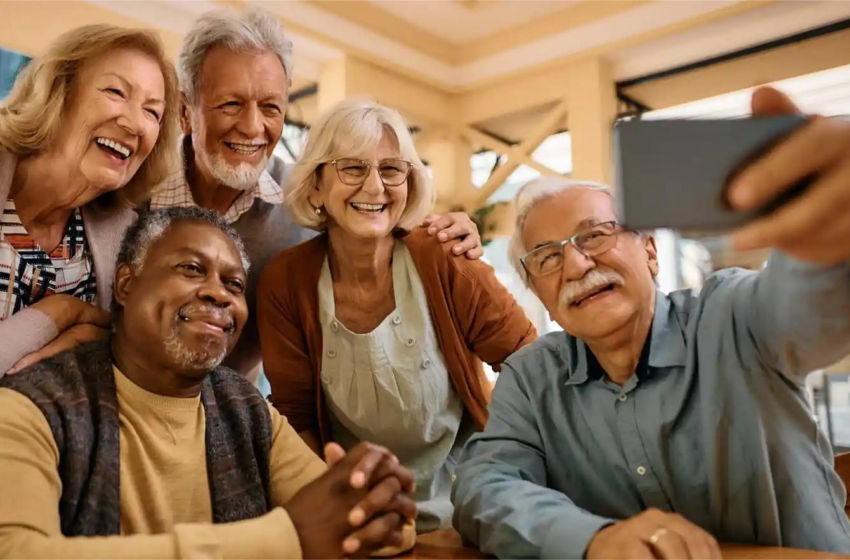
As we age, maintaining good physical, emotional, and mental health becomes increasingly important. In older adults, wellbeing is not just about avoiding illness but also about fostering a fulfilling life. But how do we effectively promote wellbeing in older adults? Whether you’re a caregiver, healthcare professional, or family member, ensuring the overall wellbeing of seniors is essential for their happiness and quality of life.
In this article, we will explore key strategies to enhance wellbeing in older adults, from physical health to emotional and mental wellness. We’ll also dive into practical examples and tips you can implement in daily life to support senior wellbeing. Let’s begin by understanding why wellbeing is such a priority for older adults.
The Importance of Wellbeing in Older Adults
The foundation of wellbeing in older adults lies in its holistic nature. Wellbeing isn’t just about physical health; it involves emotional stability, social interaction, and mental clarity. Research has shown that seniors who prioritize wellbeing experience a higher quality of life, reduced risk of chronic diseases, and improved mental health. Promoting wellbeing in older adults can help mitigate common issues like depression, loneliness, and cognitive decline, leading to more independent and fulfilling lives.
What Affects Wellbeing in Older Adults?
Several factors influence the wellbeing of older adults:
- Physical Health: Chronic illnesses such as arthritis, diabetes, and heart disease can impact an individual’s overall wellbeing.
- Mental Health: Cognitive decline, anxiety, and depression are common mental health issues affecting seniors.
- Social Connections: Loneliness or isolation can significantly reduce senior wellbeing.
- Access to Resources: Availability of health care, support systems, and healthy food plays a key role.
- Physical Environment: Safe living environments and mobility-friendly spaces improve physical and mental health.
1. Promote Physical Wellbeing through Exercise
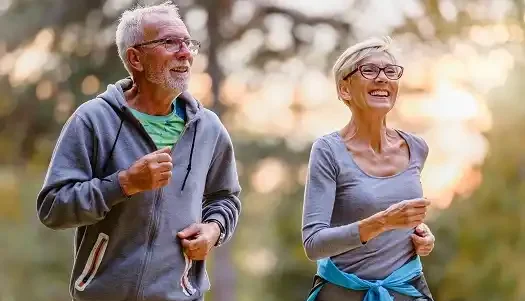
Physical wellbeing is a cornerstone of overall health in older adults. Regular exercise can improve strength, balance, and mobility, making daily activities easier and reducing the risk of falls or accidents. Moreover, exercise is known to boost mood, increase energy, and improve sleep quality, all of which contribute to senior wellbeing.
Best Types of Exercise for Seniors
When considering exercise for older adults, it’s crucial to choose low-impact activities that are safe yet effective. Here are some options:
- Walking: A simple yet effective exercise that promotes cardiovascular health.
- Yoga: Enhances flexibility, reduces stress, and improves balance.
- Strength Training: Light weights or resistance bands help improve muscle mass and bone density.
- Swimming: Great for seniors with joint pain as water provides buoyancy, reducing strain.
Benefits of Regular Physical Activity
- Improved Cardiovascular Health: Regular exercise helps lower blood pressure, cholesterol, and the risk of heart disease.
- Reduced Risk of Chronic Conditions: Exercise can help manage conditions like arthritis, diabetes, and osteoporosis.
- Enhanced Mental Health: Physical activity stimulates the release of endorphins, which help combat anxiety and depression.
2. Focus on Nutrition for Wellbeing in Older Adults
Good nutrition is vital for maintaining energy levels, preventing diseases, and supporting overall wellbeing. As we age, our metabolism slows down, and nutritional needs change. Seniors may require more fiber, protein, and vitamins to maintain muscle mass, immune function, and bone health.
Key Nutrients for Senior Wellbeing
Here are some essential nutrients seniors should focus on:
- Calcium and Vitamin D: Important for maintaining strong bones and preventing osteoporosis.
- Omega-3 Fatty Acids: Known to support brain health and reduce inflammation.
- Fiber: Helps with digestion and prevents constipation, a common issue in older adults.
- Protein: Vital for muscle repair and overall strength.
Practical Tips for Healthy Eating
- Include fruits and vegetables in every meal for vitamins and minerals.
- Opt for whole grains like brown rice and oats to provide sustained energy.
- Limit salt and sugary foods to avoid exacerbating high blood pressure or diabetes.
3. Encourage Social Connections and Mental Stimulation
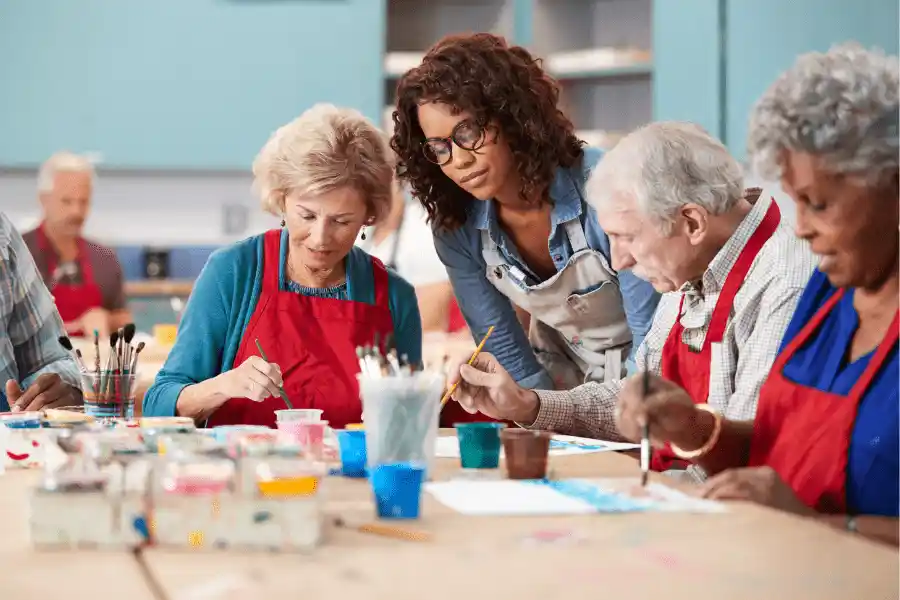
Loneliness and social isolation are significant contributors to poor wellbeing in older adults. It’s essential to encourage social interactions and create opportunities for mental stimulation. These factors play a key role in enhancing emotional wellbeing and reducing feelings of depression or anxiety.
How Social Interaction Boosts Senior Wellbeing
Interacting with friends, family, and peers fosters a sense of belonging and purpose. Engaging in social activities such as volunteering, joining clubs, or simply visiting family members can help improve mental health. Additionally, seniors who engage in mental stimulation through hobbies, reading, or puzzles have a better chance of maintaining cognitive function and memory.
Tips for Enhancing Social Wellbeing
- Encourage Group Activities: Activities like book clubs, gardening, or exercise classes help seniors stay socially engaged.
- Technology for Connection: Video calls, online games, and social media can bridge the distance when family members aren’t nearby.
- Support Networks: Establishing strong support systems among friends and family can reduce feelings of loneliness and isolation.
4. Mental Health and Cognitive Support
Mental health is a critical component of senior wellbeing. Cognitive decline, depression, and anxiety are common concerns as people age. However, many of these issues are preventable or manageable with early intervention and proper care. Focusing on mental wellbeing through a combination of cognitive exercises, emotional support, and lifestyle changes can significantly enhance quality of life.
Ways to Promote Mental Health in Older Adults
- Cognitive Exercises: Engaging in activities like puzzles, learning a new skill, or playing memory games can help keep the mind sharp.
- Mindfulness Practices: Meditation, breathing exercises, and mindfulness can reduce stress and promote emotional wellbeing.
- Therapy and Counseling: Seeking professional help can provide support for dealing with anxiety or depression.
5. Create a Safe and Comfortable Environment
The environment in which older adults live plays a major role in their wellbeing. Safety and comfort should be top priorities in creating a conducive living space. This includes making sure that the home is free from hazards, easy to navigate, and equipped with necessary resources for health and comfort.
Practical Home Modifications for Seniors
- Remove Tripping Hazards: Ensure that rugs, electrical cords, and other obstacles are kept out of walkways.
- Install Grab Bars: In the bathroom and stairways to prevent falls.
- Ensure Good Lighting: Proper lighting in hallways, bathrooms, and staircases reduces the risk of accidents.
- Accessible Furniture: Choose chairs and beds that are easy to get in and out of.
Conclusion:
Promoting wellbeing in older adults is essential for helping them live fulfilling, happy, and healthy lives. By focusing on physical health, mental wellbeing, social connections, and a safe living environment, we can make a significant difference in the lives of our senior loved ones. Regular exercise, proper nutrition, mental stimulation, and emotional support all contribute to senior wellbeing. By implementing these strategies, we can create a foundation for a high quality of life in older adulthood.
Takeaway:
Promoting wellbeing is not just about adding years to life; it’s about adding life to years. A holistic approach that nurtures the physical, emotional, and mental aspects of senior wellbeing is key to ensuring older adults live their best lives.
FAQs (People Also Ask)
- Why is wellbeing important for older adults?
Wellbeing in older adults is crucial for preventing diseases, improving quality of life, and enhancing mental health. It helps seniors remain active, engaged, and independent. - How can I improve the mental health of older adults?
Encourage social interactions, engage in cognitive exercises, and consider mindfulness or therapy to improve mental health and reduce stress or anxiety. - What are the best exercises for seniors?
Walking, yoga, swimming, and strength training are excellent exercises for improving balance, flexibility, and overall fitness in older adults. - What foods promote senior wellbeing?
Nutrient-dense foods like leafy greens, fruits, whole grains, and omega-3 rich foods help improve overall health and support senior wellbeing. - How can I reduce loneliness in older adults?
Encouraging regular social activities, using technology to stay connected, and ensuring strong family support can help reduce feelings of isolation and loneliness in seniors.
