



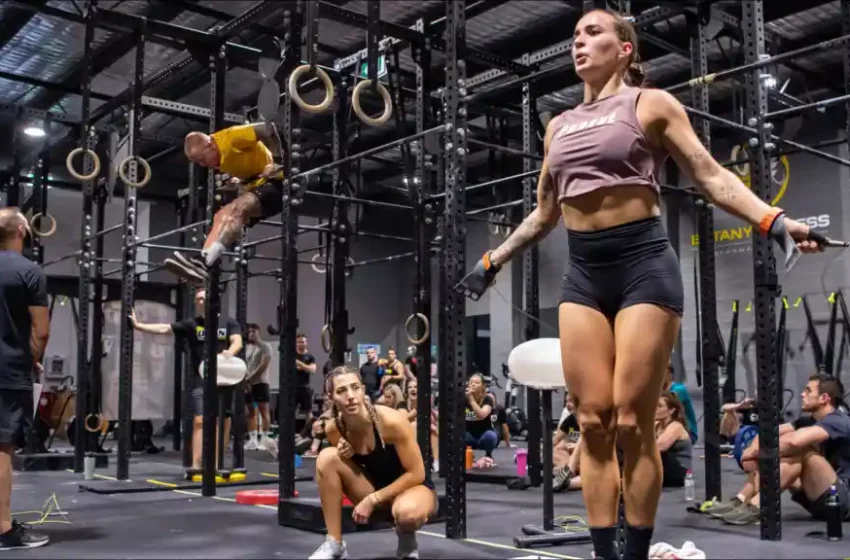
Best CrossFit Workout Routines for Strength and Endurance
Have you ever wondered why some people seem strong, fast, and incredibly fit at the same time? Traditional gym programs often focus on one goal, such as building muscle or improving endurance. A well-designed crossfit workout, however, combines multiple fitness elements into one training system. This unique approach helps athletes develop strength, cardiovascular fitness, agility, flexibility, and mental toughness simultaneously.
CrossFit has grown into one of the world’s most popular fitness programs, attracting people of all ages and fitness levels. From beginners taking their first class to elite athletes and crossfit girls inspiring millions with their strength and determination, the sport has built a thriving global community. Whether your goal is to lose weight, build muscle, increase endurance, or improve your overall health, CrossFit provides a results-driven training system designed to help you succeed. In this guide, you’ll discover how CrossFit works, why it continues to gain popularity, the most effective CrossFit exercises, and the best workouts to boost your strength, endurance, and overall fitness.
In this article, you’ll learn how CrossFit works, why it remains popular, the most effective crossfit exercises, and the top workouts that can dramatically improve your strength and endurance.
What Makes a CrossFit Workout Unique?
A crossfit workout differs from traditional exercise programs because it focuses on constantly varied functional movements performed at relatively high intensity. Instead of repeating the same routine for months, CrossFit introduces variety that challenges the body in new ways.
Think of your body as a toolbox. If you only train one fitness skill, you’re carrying a single tool. CrossFit aims to fill that toolbox with multiple capabilities. One day you may perform heavy deadlifts, while the next day you could be rowing, running, or practicing gymnastics movements.
The variety keeps training exciting while preventing fitness plateaus. It also helps prepare people for real-life physical challenges rather than focusing solely on aesthetics.
The Core Principles of CrossFit Training
CrossFit is built around several key principles:
- Functional movement patterns
- Progressive overload
- High-intensity training
- Measurable performance
- Community support
Most CrossFit gyms, often called “boxes,” follow a Workout of the Day (WOD) format. These workouts are designed to challenge multiple energy systems while improving overall athleticism.
Why CrossFit Continues to Grow Worldwide
CrossFit remains one of the most recognized fitness communities globally. Recent data from CrossFit Open analyses show that hundreds of thousands of athletes continue participating in annual competitions across more than 150 countries. The 2026 CrossFit Open included over 379,000 athletes worldwide, demonstrating the sport’s substantial global reach.
Current Trends and Participation Statistics
The CrossFit community has experienced growth, challenges, and recovery over recent years. Participation numbers fluctuated after the pandemic but continue to attract large numbers of athletes. Industry analysts note that the CrossFit Open remains one of the largest participatory fitness events in the world.
One reason for this popularity is the combination of competition and community. People enjoy tracking progress, comparing performance, and supporting each other during challenging workouts.
The rise of social media has also contributed significantly. Athletes share workout achievements, training tips, and transformation stories, inspiring others to begin their own fitness journeys.
Benefits of a CrossFit Workout
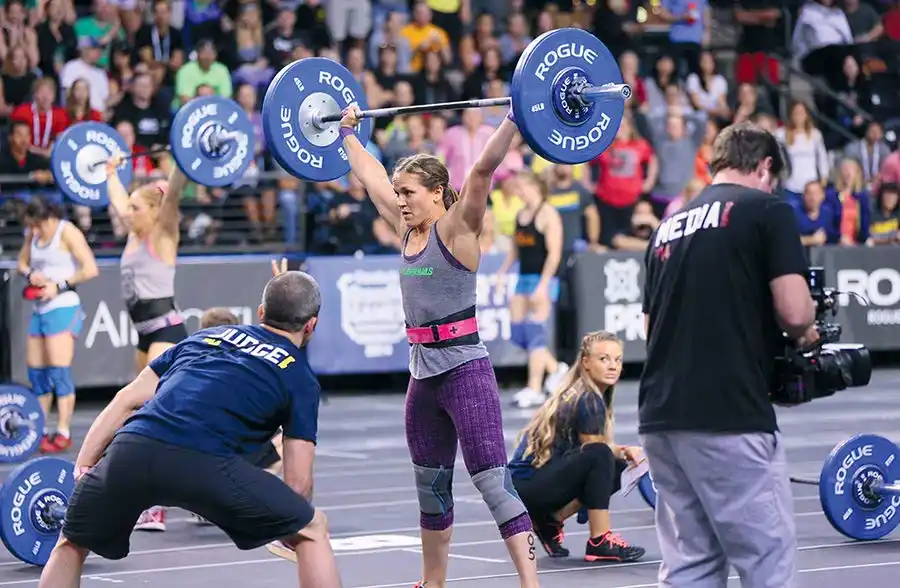
The popularity of CrossFit is not based solely on trends. Many people continue training because they experience measurable improvements in fitness and health.
Strength Development
One major advantage of crossfit training is strength development. Workouts frequently include compound exercises such as squats, deadlifts, cleans, and presses. These movements engage multiple muscle groups simultaneously.
Unlike isolated machine exercises, functional strength movements improve real-world performance. Carrying groceries, lifting heavy objects, and participating in sports become easier because the body learns to work as a coordinated system.
Cardiovascular Endurance
A good crossfit workout also improves cardiovascular fitness. Many WODs combine strength exercises with running, rowing, cycling, or jump rope intervals.
This blend challenges both aerobic and anaerobic energy systems. Over time, athletes can perform more work with less fatigue, improving endurance for everyday activities and sports.
Functional Fitness
Research continues to show that physically active individuals maintain better strength and endurance throughout life compared to sedentary individuals. Regular training helps slow age-related declines in physical capacity and functional performance.
Functional fitness means training movements that mirror real-life activities. Squatting, pushing, pulling, lifting, and carrying are all integrated into CrossFit programming.
Essential CrossFit Exercises for Every Athlete
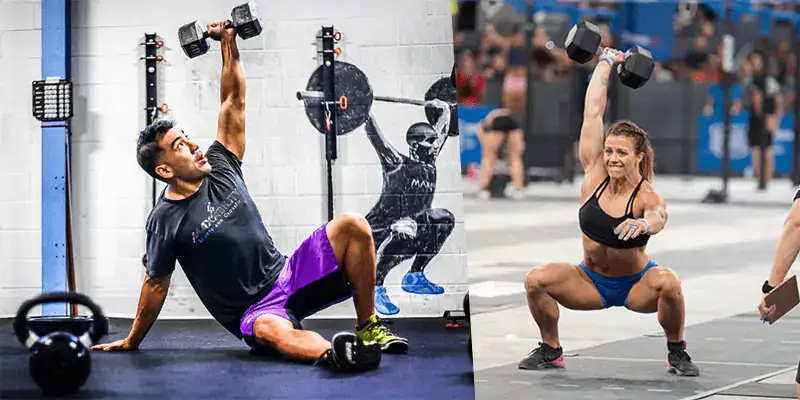
The foundation of every successful crossfit workout lies in mastering key movement patterns.
Bodyweight Movements
Bodyweight exercises create a strong fitness base. Examples include:
- Push-ups
- Pull-ups
- Air squats
- Burpees
- Lunges
These exercises improve coordination, balance, and muscular endurance without requiring expensive equipment.
Olympic Lifts
Olympic lifts are highly valued in crossfit training because they develop explosive power.
| Exercise | Primary Benefit |
| Clean | Full-body power |
| Snatch | Speed and coordination |
| Clean and Jerk | Strength and explosiveness |
| Power Clean | Athletic performance |
These lifts require proper technique and coaching to maximize results safely.
Gymnastics-Based Skills
CrossFit incorporates gymnastics movements such as:
- Handstands
- Ring dips
- Toes-to-bar
- Muscle-ups
These exercises improve body control and relative strength, making athletes stronger without necessarily adding large amounts of muscle mass.
Top CrossFit Workouts to Boost Strength and Endurance
Some workouts have achieved legendary status within the CrossFit community.
Fran
Fran consists of:
- 21-15-9 Thrusters
- Pull-Ups
Athletes complete the repetitions as quickly as possible. Although simple on paper, Fran is notorious for testing strength, endurance, and mental toughness.
Murph
Murph is one of the most respected Hero WODs.
The workout includes:
- 1-mile run
- 100 pull-ups
- 200 push-ups
- 300 squats
- 1-mile run
Murph challenges every aspect of fitness and serves as a benchmark for progress.
Cindy
Cindy is a 20-minute AMRAP (As Many Rounds As Possible):
- 5 Pull-Ups
- 10 Push-Ups
- 15 Air Squats
This workout develops muscular endurance and aerobic capacity.
Helen
Helen consists of:
- 400-meter run
- 21 kettlebell swings
- 12 pull-ups
Repeat for three rounds.
Helen combines cardiovascular conditioning with functional strength, making it one of the most balanced benchmark workouts available.
CrossFit Workout for Beginners
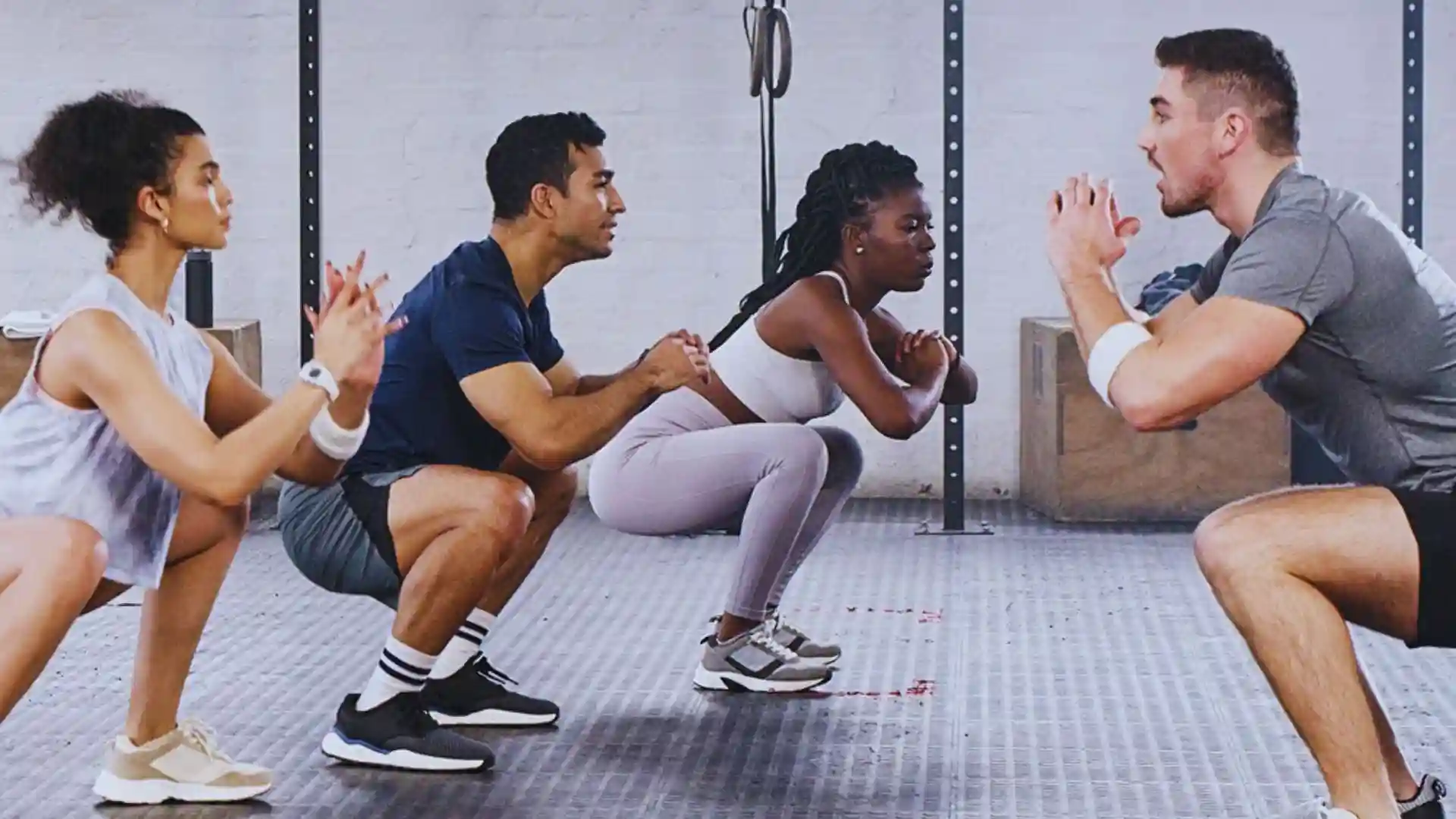
Starting a crossfit workout program can feel intimidating. Videos of elite athletes performing muscle-ups and heavy lifts often create unrealistic expectations.
The good news is that CrossFit is designed to be scalable. Every movement can be modified according to fitness level.
Scaling Movements Safely
For example:
| Advanced Movement | Beginner Alternative |
| Pull-Up | Ring Row |
| Handstand Push-Up | Pike Push-Up |
| Muscle-Up | Assisted Pull-Up |
| Heavy Barbell Squat | Goblet Squat |
Scaling allows beginners to train safely while gradually building strength and confidence.
My personal observation after years of fitness coaching is that consistency matters far more than intensity during the first few months. Athletes who progress gradually often achieve better long-term results than those who push too hard too quickly.
Weekly CrossFit Training Plan
A structured training schedule helps maximize performance and recovery.
Sample 5-Day Schedule
| Day | Focus |
| Monday | Strength Training |
| Tuesday | Conditioning |
| Wednesday | Skill Practice |
| Thursday | Strength + WOD |
| Friday | Endurance Session |
| Saturday | Optional Active Recovery |
| Sunday | Rest |
This balance allows athletes to improve multiple fitness qualities without excessive fatigue.
Recovery days are just as important as training days. Muscles grow stronger during recovery, not during the workout itself.
Common Mistakes to Avoid
Many athletes make avoidable mistakes that slow progress.
Overtraining
CrossFit is exciting. The community atmosphere often motivates people to train every day.
However, too much training can lead to:
- Fatigue
- Reduced performance
- Increased injury risk
- Mental burnout
Listening to your body is a critical skill.
Ignoring Recovery
Recovery includes:
- Quality sleep
- Hydration
- Mobility work
- Proper nutrition
Elite athletes understand that recovery is part of the training process, not separate from it.
Nutrition for Better CrossFit Performance
Even the best crossfit workout cannot overcome poor nutrition.
Athletes should focus on:
- Lean proteins
- Complex carbohydrates
- Healthy fats
- Fruits and vegetables
- Adequate hydration
A simple analogy is that your body functions like a high-performance vehicle. Premium fuel produces better results than low-quality fuel.
Pre-workout meals should provide energy without causing digestive discomfort. Post-workout nutrition should prioritize recovery by replenishing glycogen stores and supporting muscle repair.
Protein intake is particularly important for athletes seeking improvements in strength and body composition.
Conclusion
A well-designed crossfit workout can transform strength, endurance, mobility, and overall fitness. The combination of functional movements, varied programming, and measurable progress makes CrossFit one of the most effective training systems available today.
Success in CrossFit does not require elite athletic ability. It requires consistency, patience, and a willingness to improve one workout at a time. Start where you are, scale movements appropriately, focus on technique, and trust the process.
The strongest athletes were once beginners. Your next workout could be the first step toward a stronger, healthier, and more capable version of yourself.
FAQs
1. Is CrossFit suitable for beginners?
Yes. Every crossfit workout can be modified to match your current fitness level. Proper coaching and scaling make CrossFit accessible for beginners.
2. How many days per week should I do CrossFit?
Most beginners see great results with 3–4 sessions per week, while experienced athletes may train 5–6 days weekly.
3. Does CrossFit build muscle?
Yes. CrossFit combines resistance training and progressive overload, which can help increase muscle mass while improving conditioning.
4. What equipment is commonly used in CrossFit?
Common equipment includes barbells, kettlebells, rowing machines, pull-up bars, dumbbells, and medicine balls.
5. Can CrossFit help with weight loss?
Absolutely. The combination of high-intensity workouts, strength training, and improved metabolic conditioning can support sustainable fat loss when paired with proper nutrition.
⭐ Make MindLiva Your Preferred Source on Google
Get trusted health, wellness, and lifestyle articles from MindLiva.
Add MindLiva
Samie Babaei is a medical science student at Shahid Beheshti University of Medical Sciences with a strong interest in health, wellness, and medical research. As a health writer and researcher at MindLiva, she focuses on creating clear, evidence-based content that helps readers better understand health and well-being.