



What Are Symptoms of High Cholesterol in Women? Find Out Now
High cholesterol is one of the most common health conditions affecting women around the world. While cholesterol is essential for building healthy cells, producing hormones, and supporting many vital body functions, excessive levels can become dangerous. In particular, high levels of low-density lipoprotein (LDL), commonly known as “bad cholesterol,” can increase the risk of heart disease and stroke. Understanding the symptoms of high bad cholesterol is important because the condition often develops silently, with few or no noticeable warning signs until serious health complications occur.
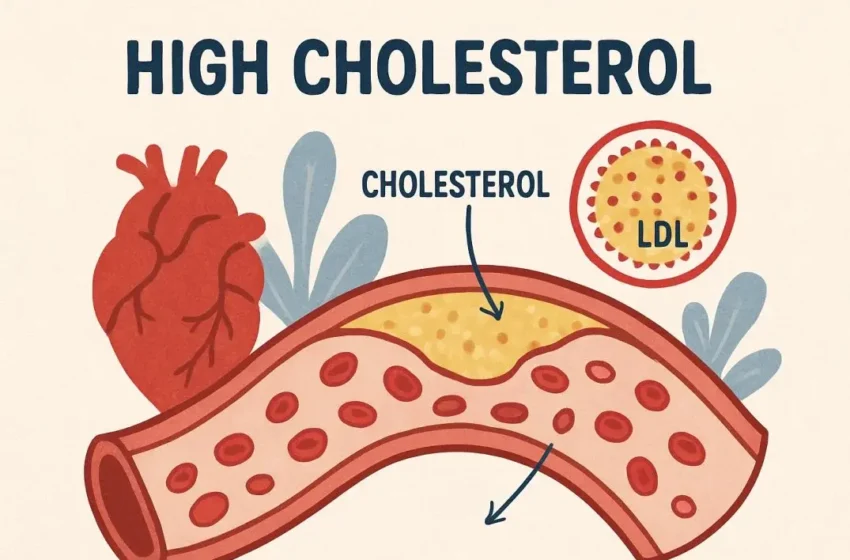
Many women assume they will feel something when their cholesterol rises. Unfortunately, that is not usually the case. High cholesterol can slowly build up inside blood vessels over many years without causing obvious symptoms. During this time, fatty deposits known as plaque can narrow arteries and reduce blood flow. This silent process may eventually lead to heart attacks, strokes, or peripheral artery disease.
What Cholesterol Does in the Body
Cholesterol travels through the bloodstream attached to proteins called lipoproteins. Your liver naturally produces cholesterol, and you also get some from foods such as meat, dairy products, and processed foods.
The body uses cholesterol to:
- Build healthy cells
- Produce vitamin D
- Create hormones like estrogen and progesterone
- Support digestion through bile acids
Good vs. Bad Cholesterol
Understanding the difference between cholesterol types is important.
| Cholesterol Type | Role |
| HDL (Good Cholesterol) | Helps remove excess cholesterol from arteries |
| LDL (Bad Cholesterol) | Can build up in artery walls |
| Triglycerides | A type of fat that increases cardiovascular risk when elevated |
Women should aim for higher HDL levels and lower LDL levels to maintain heart health.
What Are Symptoms of High Cholesterol in Women?
The most important thing to know is that symptoms of high cholesterol in women are often absent. Many women discover they have high cholesterol only after a routine blood test or after experiencing a serious cardiovascular event.
Why High Cholesterol Is Often Silent
Unlike infections or injuries, cholesterol does not usually create immediate discomfort. Plaque accumulation happens gradually. As arteries narrow, blood flow decreases little by little. Because the process is slow, the body adapts, making it difficult to notice early changes.
This is why medical professionals often call high cholesterol a “silent condition.” A woman can feel completely healthy while dangerous plaque continues to develop inside her arteries.
Physical Signs That May Appear
Although high cholesterol itself rarely causes symptoms, some women may notice indirect signs such as:
- Fatigue during physical activity
- Leg pain when walking
- Chest discomfort
- Yellowish deposits around the eyes called xanthelasma
- Small fatty bumps on the skin
These signs usually indicate that cholesterol has already affected blood vessels or tissues.
Warning Signs Related to Heart Disease
When people ask, “what are symptoms of high cholesterol in women,” they are often referring to complications caused by long-term cholesterol buildup.
Chest Pain
Chest pain, also known as angina, may occur when narrowed coronary arteries limit blood flow to the heart. Women sometimes experience this pain differently than men. Instead of intense pressure, they may feel discomfort, tightness, burning, or unusual fatigue.
Ignoring these symptoms can be dangerous because they may signal underlying heart disease.
Shortness of Breath
A reduced blood supply can make everyday activities more difficult. Climbing stairs, carrying groceries, or walking uphill may suddenly feel exhausting.
Shortness of breath may indicate that the heart is struggling to pump efficiently due to restricted blood flow.
Stroke Symptoms
High cholesterol significantly increases stroke risk. Warning signs include:
- Sudden weakness on one side of the body
- Difficulty speaking
- Blurred vision
- Severe dizziness
- Loss of balance
These symptoms require immediate medical attention.
Causes of High Cholesterol in Women

Several factors contribute to elevated cholesterol levels.
Lifestyle Factors
Modern lifestyles often encourage habits that increase cholesterol.
Common contributors include:
- Eating processed foods
- Consuming excessive saturated fats
- Smoking
- Excessive alcohol intake
- Lack of physical activity
Small daily choices can gradually affect cholesterol levels over time.
Hormonal Changes
Women’s cholesterol levels are closely linked to hormonal health. Estrogen helps maintain healthier cholesterol levels. As estrogen declines during menopause, LDL cholesterol often rises while protective HDL cholesterol may decrease.
This hormonal shift explains why many women notice changes in cholesterol levels after age 50.
Genetic Factors
Some women inherit conditions that cause extremely high cholesterol regardless of diet or exercise habits.
Familial hypercholesterolemia is one example. Women with this condition often require medical treatment because lifestyle changes alone may not be enough.
Risk Factors Women Should Know
Knowing risk factors allows women to take preventive action before complications develop.
Menopause
Menopause represents one of the biggest cholesterol-related turning points in a woman’s life. Hormonal changes affect fat metabolism and increase cardiovascular risk.
Women who previously had healthy cholesterol levels may notice significant increases during and after menopause.
Obesity and Inactivity
Excess body weight can raise LDL cholesterol and triglycerides while lowering beneficial HDL cholesterol.
Regular exercise helps improve cholesterol balance and supports overall heart health.
Diabetes and Other Conditions
Several medical conditions increase cholesterol risk, including:
- Type 2 diabetes
- Hypothyroidism
- Kidney disease
- Polycystic ovary syndrome (PCOS)
Managing these conditions effectively can help improve cholesterol levels.
How High Cholesterol Is Diagnosed
The only reliable way to know whether cholesterol is elevated is through laboratory testing.
Cholesterol Blood Tests
A lipid panel measures:
| Test | Purpose |
| Total Cholesterol | Overall cholesterol level |
| LDL Cholesterol | Measures harmful cholesterol |
| HDL Cholesterol | Measures protective cholesterol |
| Triglycerides | Measures blood fats |
Most healthcare providers recommend routine screening for adults, especially women over 40.
Understanding Your Results
Results should always be interpreted alongside factors such as:
- Age
- Family history
- Blood pressure
- Smoking status
- Diabetes risk
A cholesterol number that is acceptable for one person may be concerning for another.
How to Lower Cholesterol Naturally

The good news is that many women can improve cholesterol levels through lifestyle changes.
Healthy Eating Habits
Nutrition plays a major role in cholesterol management.
Focus on:
- Fruits and vegetables
- Whole grains
- Beans and legumes
- Nuts and seeds
- Fatty fish rich in omega-3s
Try to limit:
- Fried foods
- Processed snacks
- Sugary beverages
- Trans fats
Think of your arteries like water pipes. Healthy foods help keep them flowing smoothly, while unhealthy foods gradually create blockages.
Exercise and Weight Management
Regular movement can dramatically improve cholesterol levels.
Aim for:
- 150 minutes of moderate exercise weekly
- Strength training twice per week
- Daily walking
- Reduced sitting time
Even a 5% to 10% reduction in body weight may positively impact cholesterol levels.
Medical Treatments and Medications
Lifestyle improvements are often the first step, but some women need medication.
Doctors may prescribe:
- Statins
- Ezetimibe
- PCSK9 inhibitors
- Bile acid sequestrants
The right treatment depends on individual risk factors and cholesterol levels.
Working closely with a healthcare provider ensures the safest and most effective treatment plan.
Conclusion
Understanding what are symptoms of high cholesterol in women is essential because the condition often develops without obvious warning signs. While high cholesterol itself may not cause noticeable symptoms, it can silently damage blood vessels and increase the risk of heart attacks, strokes, and other cardiovascular diseases.
The best defense is prevention. Regular cholesterol screenings, a balanced diet, physical activity, weight management, and medical guidance when needed can dramatically reduce health risks. Paying attention to cardiovascular health today can help protect your future well-being and improve your quality of life for years to come.
FAQs
1. What are the first symptoms of high cholesterol in women?
Most women experience no symptoms at all. High cholesterol is often discovered through routine blood tests rather than physical signs.
2. Can high cholesterol make a woman feel tired?
High cholesterol itself usually does not cause fatigue. However, reduced blood flow from blocked arteries can contribute to tiredness and reduced stamina.
3. Does menopause increase cholesterol levels?
Yes. Lower estrogen levels during menopause often lead to higher LDL cholesterol and lower HDL cholesterol.
4. Can exercise lower cholesterol naturally?
Absolutely. Regular exercise can increase good HDL cholesterol and help lower harmful LDL cholesterol levels.
5. How often should women check their cholesterol?
Most adults should have cholesterol checked every four to six years, though women with risk factors may need more frequent testing.
⭐ Make MindLiva Your Preferred Source on Google
Get trusted health, wellness, and lifestyle articles from MindLiva.
Add MindLiva
Samie Babaei is a medical science student at Shahid Beheshti University of Medical Sciences with a strong interest in health, wellness, and medical research. As a health writer and researcher at MindLiva, she focuses on creating clear, evidence-based content that helps readers better understand health and well-being.