


Natural Ways to Lower Blood Pressure: Simple Habits That Work
Have you ever wondered why doctors pay so much attention to blood pressure numbers? Blood pressure is one of the most important indicators of overall cardiovascular health. It measures the force of blood pushing against the walls of your arteries as your heart pumps. When this pressure remains consistently high, it can place excessive strain on the heart, blood vessels, kidneys, and even the brain.
High blood pressure, also known as hypertension, is often called the “silent killer” because it may not show obvious symptoms for years. Many people feel perfectly healthy while damage slowly develops inside their bodies. According to health experts, uncontrolled hypertension significantly increases the risk of heart attacks, strokes, kidney disease, and other serious complications.
The growing prevalence of hypertension is closely linked to modern lifestyles. Poor dietary choices, excessive stress, lack of exercise, obesity, and inadequate sleep all contribute to rising blood pressure levels. Fortunately, many of these factors can be improved through practical lifestyle changes. Learning about natural ways to lower blood pressure is often the first step toward long-term heart health.
The good news is that small adjustments can produce meaningful results. Think of blood pressure management like steering a large ship. Even slight changes in direction can eventually lead to a completely different destination. The same principle applies to healthy habits that support cardiovascular wellness.
What Is Blood Pressure?
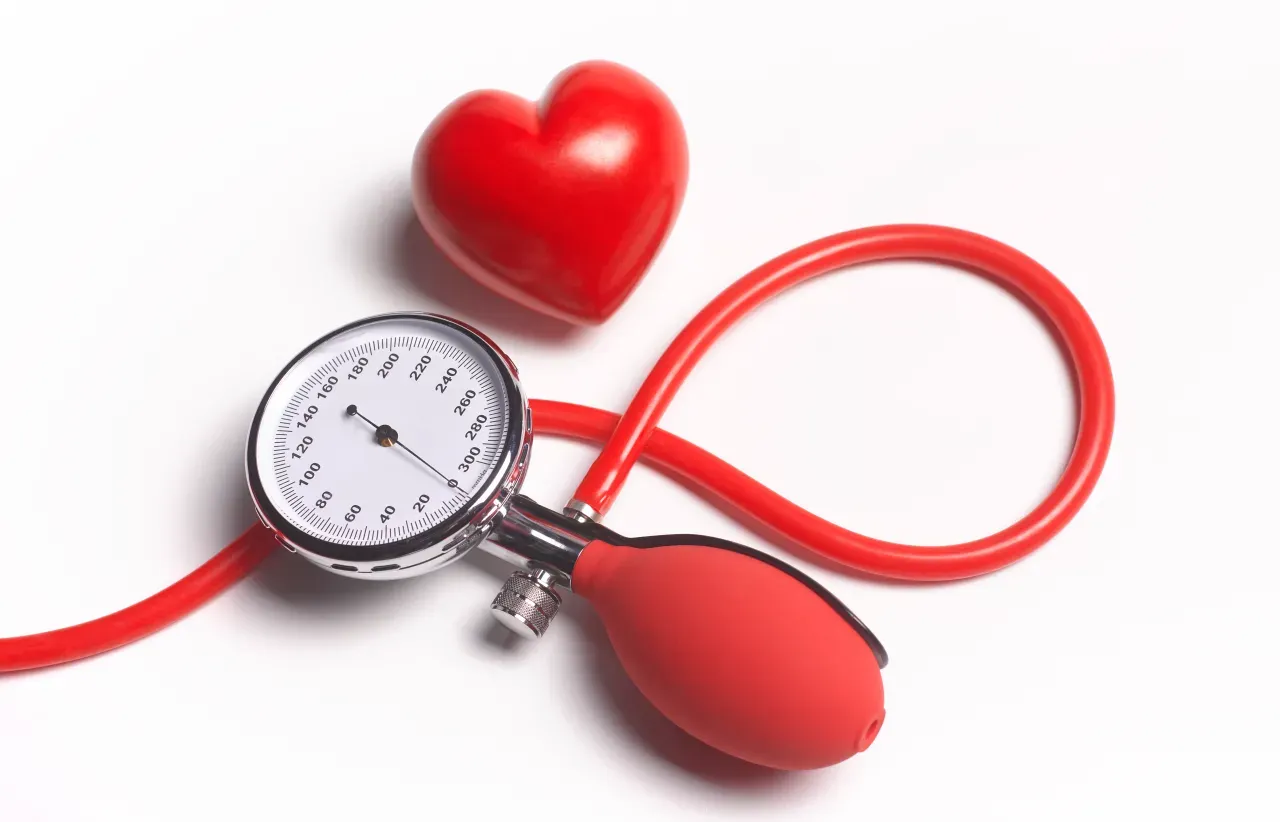
Blood pressure readings consist of two numbers. The top number, called systolic pressure, measures the force exerted on artery walls when the heart beats. The bottom number, known as diastolic pressure, measures pressure between heartbeats when the heart is resting.
A typical healthy reading is generally around 120/80 mmHg. When readings consistently rise above recommended levels, healthcare professionals may diagnose hypertension. Blood pressure can fluctuate throughout the day due to physical activity, emotional stress, caffeine consumption, and other factors. However, persistently elevated readings deserve attention.
Understanding these numbers empowers individuals to take control of their health. Many people monitor their blood pressure at home using digital monitors, allowing them to track trends and identify potential concerns early.
Why High Blood Pressure Is Dangerous
One reason hypertension is so concerning is that it gradually damages blood vessels throughout the body. Imagine constantly forcing water through a garden hose at extremely high pressure. Over time, the hose begins to weaken. A similar process can occur within arteries when blood pressure remains elevated for years.
The heart must work harder to pump blood against increased resistance. This extra workload can enlarge and weaken the heart muscle over time. Additionally, high blood pressure contributes to plaque buildup in arteries, increasing the likelihood of heart disease and stroke.
The kidneys also suffer when blood pressure remains uncontrolled. Since these organs rely on delicate blood vessels to filter waste from the bloodstream, chronic hypertension can impair kidney function. Likewise, blood vessels in the eyes and brain may experience damage, affecting vision and cognitive health.
Recognizing these risks highlights why adopting natural ways to lower blood pressure is so important. Prevention is often far easier than treating advanced complications later.
Signs and Risk Factors
Although hypertension frequently develops without noticeable symptoms, certain risk factors make some individuals more vulnerable than others. Age, family history, obesity, and sedentary lifestyles all increase the likelihood of developing high blood pressure.
Diet also plays a critical role. Consuming excessive sodium, processed foods, sugary beverages, and unhealthy fats can contribute to elevated readings. Chronic stress and poor sleep habits further increase cardiovascular strain.
Some people may experience symptoms such as headaches, dizziness, shortness of breath, or blurred vision when blood pressure becomes extremely high. However, many individuals experience no symptoms at all. This is why routine monitoring is essential.
Common Risk Factors
Several factors can increase hypertension risk:
- Excess body weight
- Physical inactivity
- High sodium consumption
- Smoking
- Excessive alcohol intake
- Chronic stress
- Poor sleep quality
- Family history of hypertension
These factors often work together rather than independently. For example, stress may contribute to poor sleep, which can encourage unhealthy eating habits, creating a cycle that raises blood pressure over time.
Natural Ways to Lower Blood Pressure Through Diet
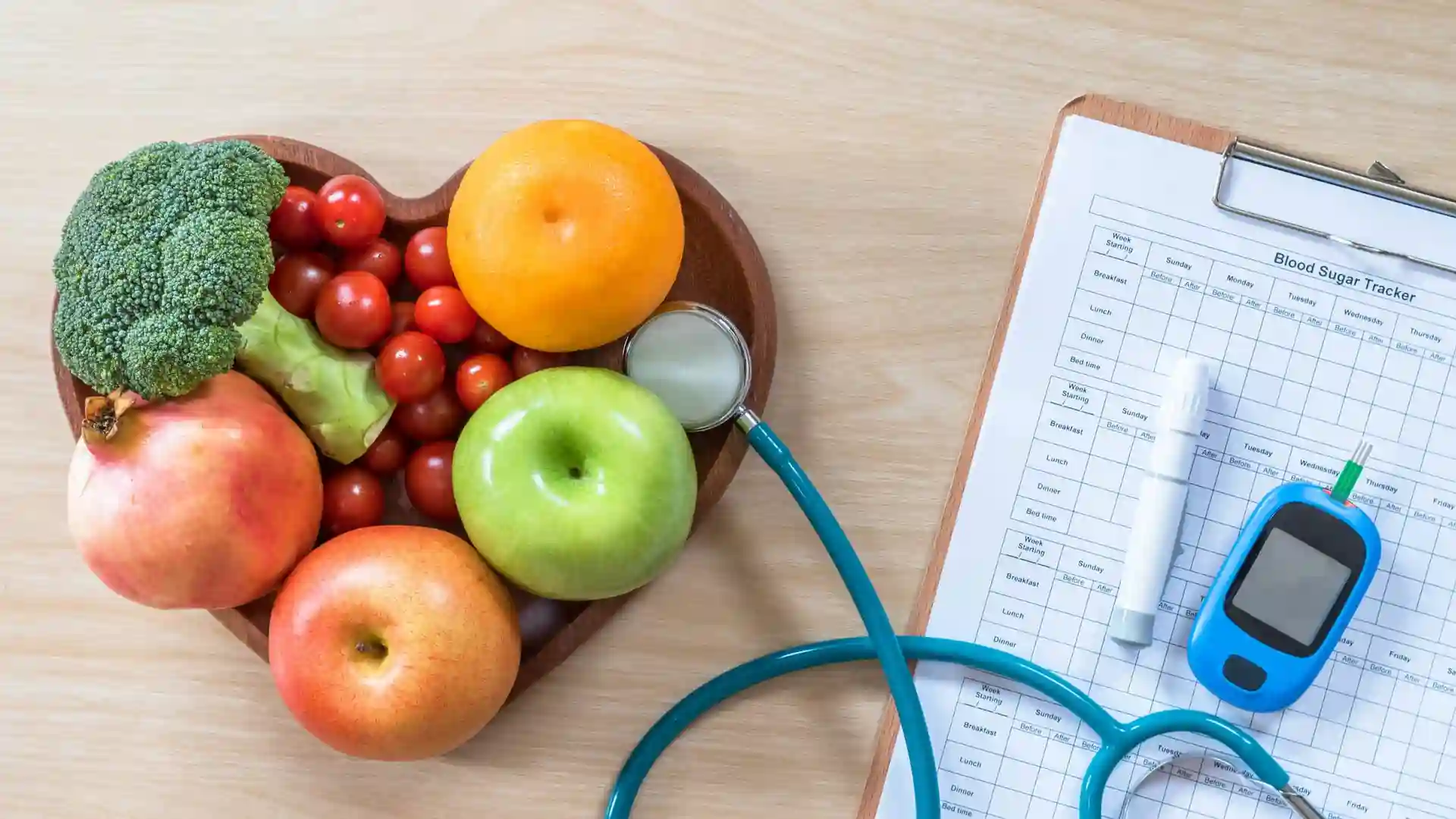
When discussing natural ways to lower blood pressure, diet is usually the first place experts recommend starting. Food serves as fuel for every system in the body, including the cardiovascular system. Making smarter food choices can significantly impact blood pressure levels.
Many people underestimate the effect nutrition has on artery health. A balanced eating pattern rich in vegetables, fruits, whole grains, and lean proteins provides essential nutrients that support healthy circulation. At the same time, reducing processed foods helps limit sodium intake, one of the biggest dietary contributors to hypertension.
Dietary improvements don’t require extreme restrictions. Instead, focus on sustainable habits that can be maintained long term. Small daily choices often deliver greater benefits than short-lived diets.
Reduce Sodium Intake
Sodium causes the body to retain excess fluid, increasing blood volume and placing additional pressure on artery walls. Processed foods, canned soups, fast food, frozen meals, and packaged snacks are among the largest sources of sodium in many diets.
Reducing sodium intake can produce measurable improvements in blood pressure. Instead of relying heavily on salt, try enhancing flavor with herbs, spices, garlic, lemon juice, and vinegar. These alternatives provide excellent taste while supporting cardiovascular health.
Reading nutrition labels can also be eye-opening. Many products marketed as healthy still contain surprisingly high sodium levels. Becoming a careful label reader is one of the simplest yet most effective habits for blood pressure management.
Increase Potassium-Rich Foods
Potassium helps balance sodium levels within the body. This mineral supports healthy blood vessel function and promotes proper fluid balance. As a result, increasing potassium intake can contribute to lower blood pressure.
Excellent potassium-rich foods include:
| Food | Potassium Benefits |
| Bananas | Supports fluid balance |
| Sweet Potatoes | Rich in potassium and fiber |
| Spinach | Provides minerals for heart health |
| Avocados | Contains healthy fats and potassium |
| Beans | Excellent source of plant nutrients |
| Oranges | Supports hydration and circulation |
Including these foods regularly may enhance overall cardiovascular wellness while complementing other natural ways to lower blood pressure.
Follow the DASH Diet
The DASH (Dietary Approaches to Stop Hypertension) eating plan remains one of the most widely recommended dietary strategies for blood pressure control. It emphasizes fruits, vegetables, whole grains, lean proteins, nuts, seeds, and low-fat dairy products.
Unlike restrictive fad diets, DASH focuses on balanced nutrition and long-term sustainability. Many healthcare professionals consider it one of the most effective dietary approaches for supporting healthy blood pressure naturally.
Best Foods for Healthy Blood Pressure
Food plays a vital role in maintaining healthy blood pressure and supporting overall heart health. Although medication may be necessary for some individuals, making smart dietary choices is one of the most effective natural ways to lower blood pressure foods can offer. Many nutrient-rich foods contain potassium, magnesium, fiber, and antioxidants that help relax blood vessels, improve circulation, and promote healthy blood pressure levels. By including these heart-friendly foods in your daily diet, you can take a simple yet powerful step toward better cardiovascular health.
Research consistently shows that diets rich in fruits, vegetables, whole grains, and healthy fats are associated with lower rates of hypertension. These foods provide vitamins, minerals, antioxidants, and fiber that help keep arteries flexible and healthy. When arteries remain relaxed and unobstructed, blood flows more efficiently, reducing pressure on the vessel walls.
Another benefit of nutrient-dense foods is their ability to help maintain a healthy body weight. Since excess weight often contributes to hypertension, eating smarter creates a double advantage. You improve both blood pressure and overall cardiovascular health at the same time.
Instead of focusing on foods to avoid, think about adding more beneficial options to your plate. This positive approach often feels more sustainable and enjoyable over the long term.
Fruits and Vegetables
Fruits and vegetables are among the most effective natural ways to lower blood pressure because they are rich in potassium, magnesium, fiber, and antioxidants. These nutrients work together to support healthy circulation and reduce inflammation.
Some particularly beneficial options include:
- Leafy greens such as spinach and kale
- Berries, especially blueberries and strawberries
- Bananas
- Oranges
- Tomatoes
- Beets
- Sweet potatoes
Beets deserve special attention because they contain natural nitrates, compounds that may help relax blood vessels and improve blood flow. Many people include beet juice in their heart-healthy routines for this reason.
Adding colorful fruits and vegetables to every meal is a simple strategy that can provide significant long-term benefits.
Whole Grains and Lean Proteins
Whole grains contain fiber that supports heart health and helps maintain stable blood sugar levels. Foods like oats, brown rice, quinoa, and whole wheat products can replace refined carbohydrates that offer fewer nutritional benefits.
Lean proteins are equally important. Fish, chicken, turkey, beans, lentils, and tofu provide essential nutrients without excessive saturated fat. Fatty fish such as salmon and mackerel contain omega-3 fatty acids, which support healthy blood vessel function.
A practical meal might include grilled salmon, brown rice, and roasted vegetables. This combination delivers protein, healthy fats, fiber, and important minerals that support blood pressure management.
Healthy Fats
Not all fats are harmful. In fact, healthy fats play an important role in cardiovascular health. Sources such as avocados, nuts, seeds, and olive oil provide nutrients that help reduce inflammation and support artery flexibility.
The Mediterranean diet, which emphasizes healthy fats, has been widely recognized for its heart-health benefits. Replacing processed oils and trans fats with natural sources of healthy fats can contribute to better blood pressure control over time.
Exercise and Physical Activity

Exercise is one of the most effective natural ways to lower blood pressure because it strengthens the heart and improves circulation. A stronger heart can pump blood more efficiently, reducing the force required to move blood through the body.
Many people assume they need intense workouts to see results. In reality, moderate activity performed consistently often provides substantial benefits. Walking, cycling, swimming, and dancing can all support healthy blood pressure levels.
Physical activity also helps reduce stress hormones, improve sleep quality, and maintain a healthy weight. These additional benefits make exercise one of the most powerful lifestyle interventions available.
The key is consistency. Even 30 minutes of moderate exercise most days of the week can lead to measurable improvements.
Cardio Exercises
Aerobic exercise is particularly effective for blood pressure management. Activities that increase heart rate and breathing help strengthen the cardiovascular system over time.
Popular options include:
- Brisk walking
- Cycling
- Swimming
- Jogging
- Dancing
- Hiking
Walking deserves special mention because it is accessible to almost everyone. A daily walk requires no expensive equipment and can easily fit into most schedules.
Strength Training Benefits
Strength training complements cardiovascular exercise by improving muscle mass and metabolism. Building muscle helps the body use energy more efficiently and may support weight management efforts.
Experts often recommend combining aerobic exercise with strength training two or three times per week. This balanced approach provides comprehensive health benefits and supports long-term blood pressure control.
Managing Stress Naturally
Stress affects nearly every aspect of health, including blood pressure. When the body experiences stress, it releases hormones that temporarily increase heart rate and narrow blood vessels. Chronic stress may contribute to persistently elevated blood pressure levels.
Modern life often exposes people to continuous stressors. Work deadlines, financial concerns, family responsibilities, and digital overload can create ongoing tension. Learning to manage stress effectively is therefore an important component of blood pressure management.
Think of stress like constantly pressing the accelerator pedal in a car. Eventually, the engine experiences unnecessary wear and tear. The body responds similarly when stress remains unchecked for extended periods.
Meditation and Deep Breathing
Meditation and controlled breathing exercises can help activate the body’s relaxation response. This response reduces heart rate, lowers stress hormone levels, and promotes a sense of calm.
Simple techniques include:
- Deep belly breathing
- Guided meditation
- Mindfulness practice
- Progressive muscle relaxation
- Yoga
Even five to ten minutes per day can make a noticeable difference. Many people find these techniques easy to incorporate into their morning or evening routines.
Improving Sleep Quality
Sleep and blood pressure are closely connected. Poor sleep can increase stress hormones and interfere with the body’s natural blood pressure regulation processes.
To improve sleep quality:
- Maintain a consistent bedtime schedule.
- Limit screen time before bed.
- Keep the bedroom cool and dark.
- Avoid heavy meals late at night.
- Reduce caffeine intake in the evening.
Adults generally benefit from seven to nine hours of quality sleep each night. Better sleep often translates into better cardiovascular health.
Lifestyle Habits That Support Heart Health
Beyond diet and exercise, several daily habits influence blood pressure levels. These habits may seem small individually, but together they can significantly affect cardiovascular health.
One of the advantages of lifestyle-based approaches is that they address multiple health concerns simultaneously. The same habits that lower blood pressure often improve energy levels, mood, weight management, and overall well-being.
Consistency remains the most important factor. Small healthy actions repeated daily create powerful long-term results.
Limiting Alcohol
Excessive alcohol consumption may contribute to elevated blood pressure. While moderate consumption may fit into some healthy lifestyles, heavy drinking places additional strain on the cardiovascular system.
Reducing alcohol intake can support healthier blood pressure readings and improve overall heart health. Many individuals notice benefits within weeks of making this adjustment.
Quitting Smoking
Smoking damages blood vessels and increases the risk of heart disease, stroke, and hypertension. Each cigarette temporarily raises blood pressure and heart rate.
Quitting smoking is one of the most beneficial decisions a person can make for cardiovascular health. Although the process can be challenging, the health benefits begin almost immediately and continue for years after quitting.
Conclusion
Finding effective natural ways to lower blood pressure does not require complicated solutions. Simple lifestyle changes such as eating nutrient-rich foods, reducing sodium intake, exercising regularly, managing stress, improving sleep, and avoiding smoking can make a substantial difference.
The most successful approach combines several healthy habits rather than relying on a single strategy. Each positive change supports the others, creating a powerful foundation for cardiovascular health.
Start with one or two manageable improvements today. Over time, these small actions can lead to healthier blood pressure levels, a stronger heart, and a better quality of life.
FAQs
1. What is the fastest natural way to lower blood pressure?
Deep breathing exercises, reducing sodium intake, staying hydrated, and taking a brisk walk may help lower blood pressure naturally in the short term.
2. Can drinking water lower blood pressure?
Yes. Proper hydration helps the heart pump blood more efficiently and supports healthy circulation.
3. Which fruit is best for lowering blood pressure?
Bananas, berries, oranges, and avocados are excellent choices because they provide potassium and other heart-healthy nutrients.
4. How much exercise is needed to lower blood pressure?
Most experts recommend at least 150 minutes of moderate aerobic activity per week, combined with strength training exercises.
5. Can stress alone cause high blood pressure?
Chronic stress may contribute to elevated blood pressure and can also encourage unhealthy habits that increase hypertension risk.
⭐ Make MindLiva Your Preferred Source on Google
Get trusted health, wellness, and lifestyle articles from MindLiva.
Add MindLiva
Samie Babaei is a medical science student at Shahid Beheshti University of Medical Sciences with a strong interest in health, wellness, and medical research. As a health writer and researcher at MindLiva, she focuses on creating clear, evidence-based content that helps readers better understand health and well-being.