



Social Media and Wellbeing: The Hidden Impact on Your Mental Health
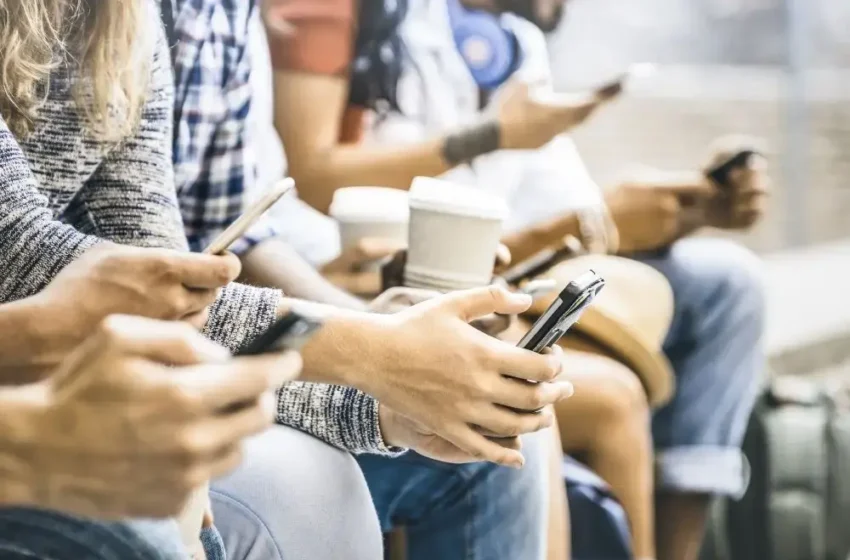
Have you ever picked up your phone to check one notification and suddenly found yourself scrolling for an hour? If so, you’re not alone. Social media has become a daily habit for billions of people around the world, shaping how we communicate, learn, shop, and even think about ourselves.
The connection between social media and wellbeing has become one of the most talked-about topics in recent years. Mental health experts, educators, parents, and researchers continue to explore how social platforms affect our emotions, relationships, and overall quality of life.
While social media makes it easier to stay connected, discover new ideas, and access helpful information, it can also lead to stress, anxiety, loneliness, and constant comparisons with others. Understanding how these digital habits affect your daily life is essential for maintaining a healthy balance.
In this article, you’ll explore the positive and negative effects of social media, discover the latest research findings, and learn practical tips for building healthier online habits. You’ll also find out how taking a social wellbeing test can help you assess the impact of your social interactions and improve your overall happiness and quality of life.
Understanding Social Media and Wellbeing
The relationship between social media and wellbeing is complex. Social media itself is not inherently good or bad. Instead, the impact depends on how individuals use these platforms and how much time they spend online.
For some people, social media provides a sense of belonging. It helps them stay connected with friends and family, especially when distance makes face-to-face interactions difficult. For others, excessive use can create emotional challenges, particularly when online interactions replace real-world relationships.
A useful way to think about social media is to compare it to food. Healthy choices can nourish the body, while unhealthy choices can cause problems over time. Similarly, positive online experiences can support wellbeing, while negative habits may harm mental health.
Why Social Media Matters Today
Social media platforms are no longer just places to share photos or updates. They have become powerful tools for:
- Communication
- Education
- Entertainment
- Professional networking
- Business growth
- Community building
Because these platforms influence so many aspects of life, understanding their effect on wellbeing has never been more important.
The Positive Effects of Social Media and Wellbeing
Staying Connected with Others
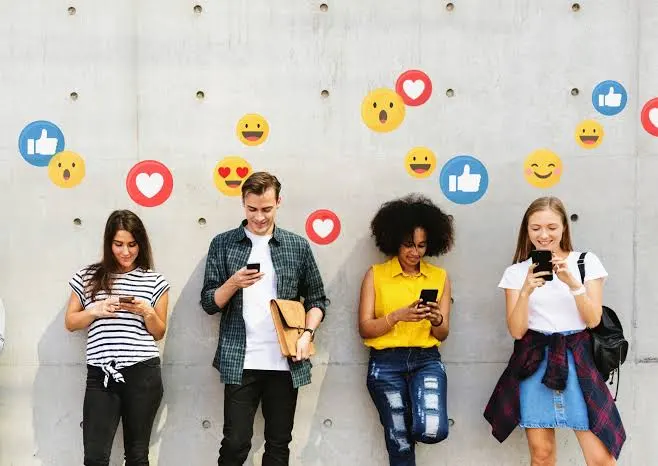
One of the biggest benefits of social media is its ability to strengthen social connections. People can communicate instantly regardless of location.
Families separated by continents can share important life moments. Friends can stay connected despite busy schedules. Communities can form around shared interests, hobbies, and experiences.
Research consistently shows that meaningful social connections contribute to better emotional wellbeing. Social media can help maintain these connections when used thoughtfully.
Access to Educational Content
Social media has become an incredible source of learning opportunities. Users can access tutorials, expert advice, educational videos, and professional insights with just a few clicks.
For example, someone interested in fitness can learn healthy exercise techniques. A student can access study tips from educators worldwide. Entrepreneurs can gain business knowledge from experienced professionals.
This access to information empowers people to improve different areas of their lives.
Mental Health Support Communities
Many people find comfort in online support groups. Individuals dealing with anxiety, depression, grief, or other challenges often discover communities where they feel understood.
These groups can provide:
- Emotional support
- Shared experiences
- Encouragement
- Helpful resources
Although professional help remains essential when needed, online communities can reduce feelings of isolation and create a sense of belonging.
Negative Effects of Social Media on Mental Health
Anxiety and Digital Stress
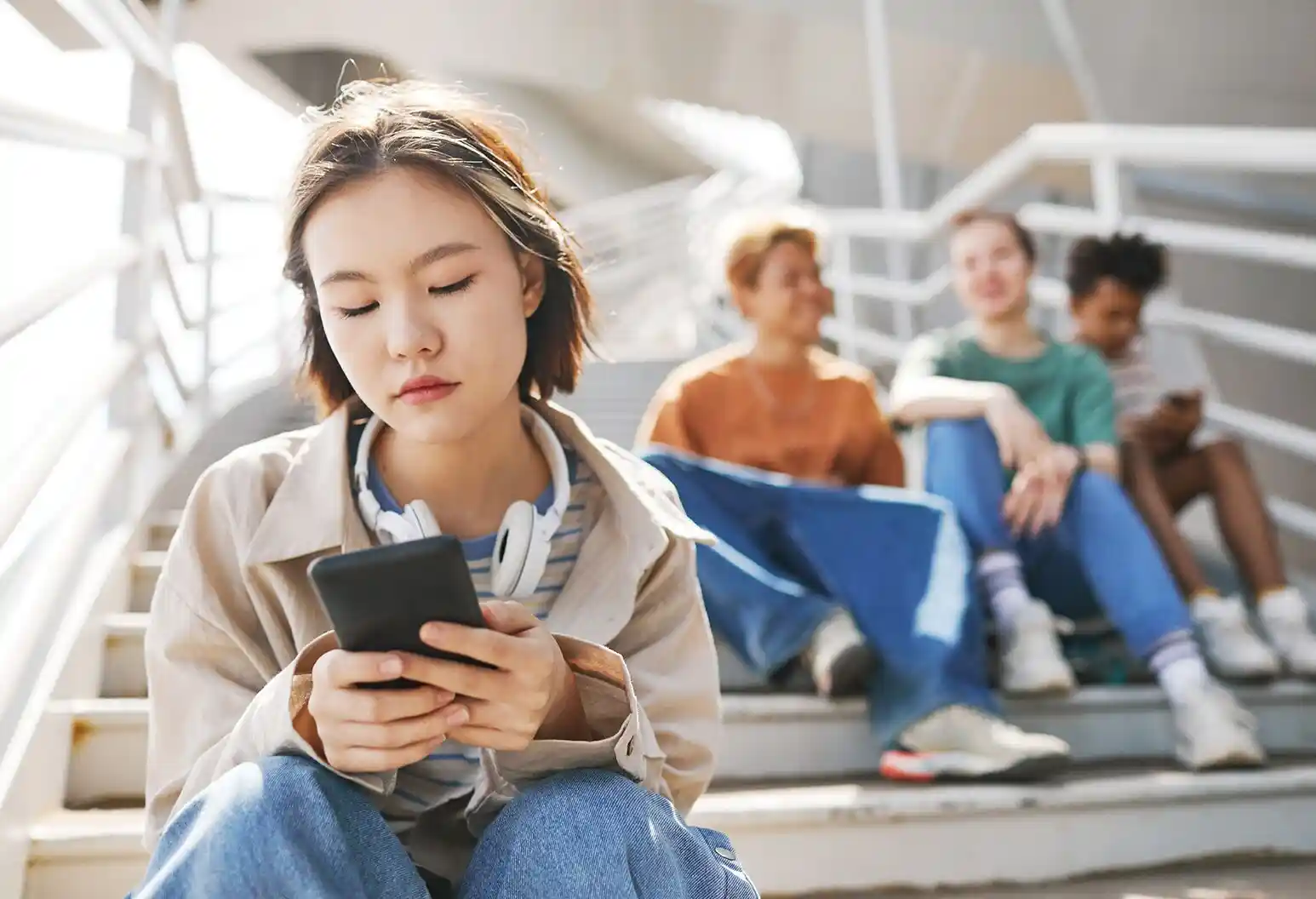
One major concern surrounding social media and wellbeing is the rise of digital stress.
Notifications arrive constantly. Messages require responses. News updates appear every minute. Over time, this constant flow of information can overwhelm the brain.
Many users feel pressure to remain available at all times. As a result, they may experience increased stress levels and difficulty relaxing.
Fear of Missing Out (FOMO)
FOMO, or Fear of Missing Out, has become a common experience in the digital age.
People often see photos of vacations, celebrations, achievements, and exciting events. Consequently, they may feel that others are living better or more successful lives.
This perception is often misleading because social media typically highlights only the best moments. Rarely do users share their everyday struggles or failures.
Information Overload
Every day, social media users consume massive amounts of content.
News stories, videos, advertisements, opinions, and entertainment compete for attention. Processing this information continuously can lead to mental fatigue.
As a result, many people report feeling mentally exhausted even after spending hours passively scrolling through their feeds.
Social Media and Self-Esteem
The Comparison Trap
One of the strongest links between social media and wellbeing involves self-esteem.
People naturally compare themselves to others. However, social media amplifies this tendency. Users often compare their real lives to carefully edited online content.
For example, someone may compare:
- Their appearance to filtered photos
- Their career to someone else’s success story
- Their lifestyle to luxury travel content
These comparisons can create feelings of inadequacy, even when they are based on unrealistic standards.
Impact on Body Image
Visual platforms often emphasize appearance. Filters, editing tools, and curated content can create unrealistic beauty expectations.
Young people are especially vulnerable to these influences. Repeated exposure to idealized images may contribute to body dissatisfaction and reduced self-confidence.
Promoting realistic and diverse representations online can help reduce these negative effects.
How Social Media Affects Sleep Quality
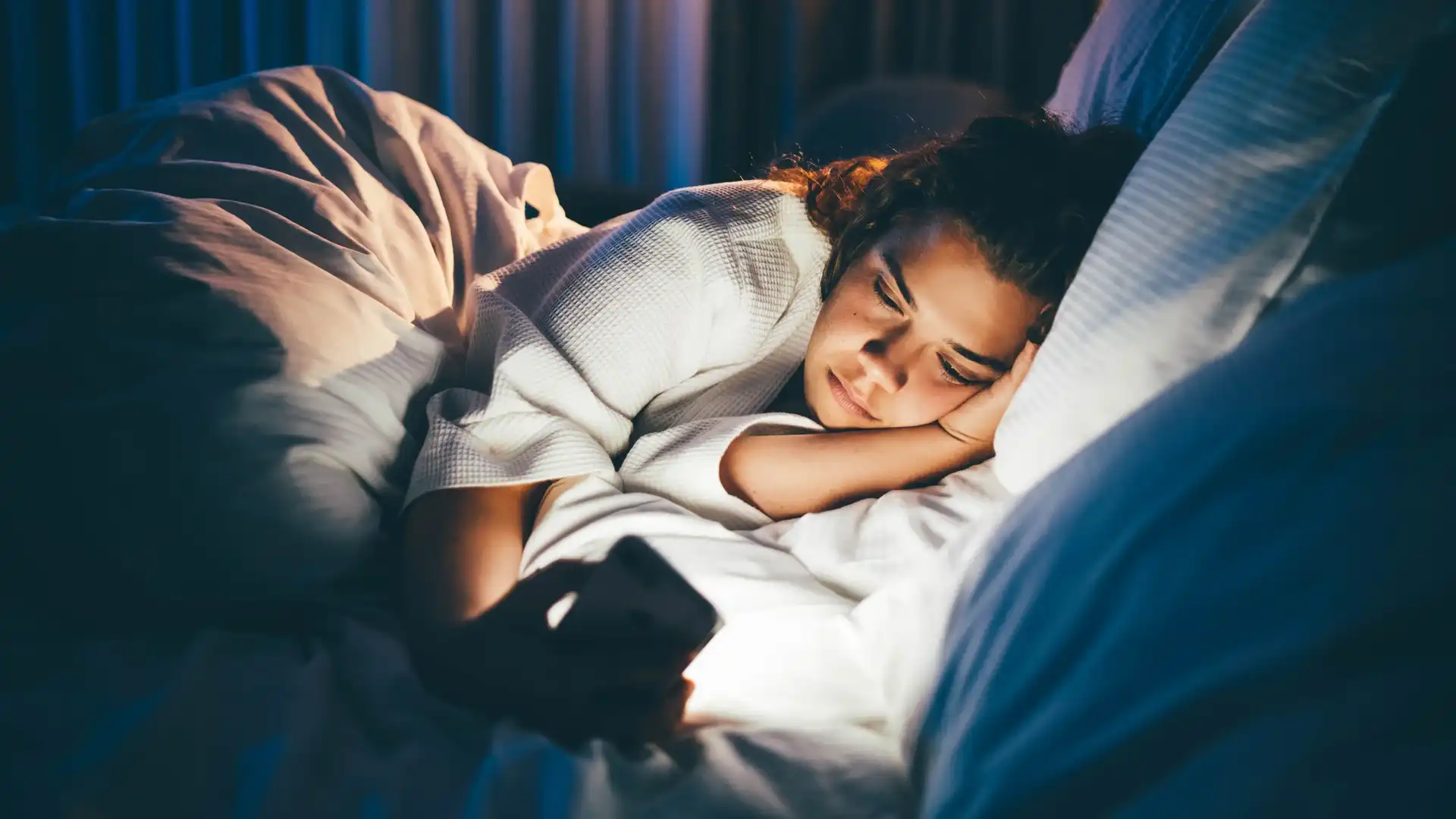
Sleep plays a vital role in physical and mental health.
Unfortunately, social media can interfere with healthy sleep habits in several ways.
Late-Night Scrolling
Many people use social media before bed. What starts as a quick check often turns into extended browsing sessions.
This habit delays sleep and reduces overall rest.
Blue Light Exposure
Electronic screens emit blue light, which can affect the body’s natural sleep cycle.
When users scroll late at night, their brains may remain alert longer, making it harder to fall asleep.
Emotional Stimulation
Some content triggers strong emotions, including excitement, anger, or anxiety. These emotional reactions can make relaxation more difficult before bedtime.
| Social Media Habit | Impact on Sleep |
| Checking notifications at night | Interrupted sleep |
| Watching videos before bed | Delayed sleep onset |
| Excessive scrolling | Reduced sleep duration |
| Engaging with stressful content | Poor sleep quality |
Social Media and Teen Wellbeing
Teenagers are among the most active social media users.
While these platforms offer opportunities for connection and creativity, they also introduce unique challenges.
Peer Pressure Online
Social media can intensify social pressures.
Teenagers may feel pressure to:
- Look perfect
- Gain followers
- Receive likes
- Participate in trends
These pressures can influence confidence and emotional wellbeing.
Cyberbullying
Unlike traditional bullying, cyberbullying can occur at any time and reach a wide audience instantly.
Negative comments, harassment, and online exclusion can have serious emotional consequences.
Parents, schools, and platforms all play important roles in creating safer online environments.
The Role of Algorithms in Social Media and Wellbeing
Algorithms determine much of what users see online.
These systems analyze behavior and recommend content based on interests and engagement patterns.
Benefits of Algorithms
Algorithms help users discover:
- Relevant content
- Educational resources
- Helpful communities
- Personalized recommendations
Potential Risks
However, algorithms may also encourage excessive screen time.
Because platforms aim to maximize engagement, users often receive endless streams of content designed to keep them scrolling.
Understanding how algorithms work allows individuals to make more conscious choices about their digital habits.
Healthy Social Media Habits for Better Wellbeing
Building a healthy relationship with social media doesn’t require deleting every app. Instead, it involves intentional use.
1. Set Daily Time Limits
Monitoring screen time helps prevent excessive usage.
Most smartphones now include built-in tools that allow users to track and limit app usage.
2. Curate Your Feed
Follow accounts that inspire, educate, and support your goals.
Unfollow accounts that consistently create negative emotions or unrealistic comparisons.
3. Take Regular Digital Breaks
Even short breaks can improve focus and mental clarity.
Consider scheduling technology-free periods during meals, family time, or weekends.
4. Focus on Real Relationships
Online interactions should complement—not replace—real-life relationships.
Spending time with friends and family in person often provides deeper emotional benefits.
5. Practice Mindful Usage
Before opening a social media app, ask yourself why you’re using it.
Are you seeking information, connection, or simply scrolling out of habit?
This simple question can encourage healthier behavior.
Future Trends in Social Media and Wellbeing
The conversation around social media and wellbeing continues to evolve.
Technology companies are introducing features designed to support digital wellbeing, including:
- Screen time reminders
- Content controls
- Privacy tools
- Mental health resources
- Enhanced safety settings
Experts predict that future platforms will place greater emphasis on healthy engagement rather than simply maximizing user attention.
As awareness grows, users are becoming more informed about the importance of maintaining a balanced relationship with technology.
Conclusion
The relationship between social media and wellbeing is both fascinating and complex. Social media can strengthen relationships, provide educational opportunities, and connect people with supportive communities. At the same time, excessive use may contribute to stress, anxiety, sleep problems, and lower self-esteem.
The good news is that users have the power to shape their online experience. By setting healthy boundaries, curating content carefully, and prioritizing real-world relationships, individuals can enjoy the benefits of social media while minimizing its risks.
Ultimately, social media is a tool. When used mindfully and intentionally, it can support wellbeing rather than undermine it.
FAQs
Does social media always negatively affect mental health?
No. Social media can support mental health through connection, education, and community. The impact depends on how it is used.
How much social media use is considered healthy?
There is no exact number. The healthiest approach is to use social media intentionally without allowing it to interfere with sleep, work, or relationships.
Why does social media lower self-esteem?
People often compare themselves to idealized content that doesn’t reflect real life. This can create unrealistic expectations and feelings of inadequacy.
Can social media improve wellbeing?
Yes. Support groups, educational content, and meaningful social interactions can positively contribute to wellbeing.
What is the best way to reduce social media stress?
Limit screen time, take regular breaks, avoid late-night scrolling, and follow accounts that add value to your life.
⭐ Make MindLiva Your Preferred Source on Google
Get trusted health, wellness, and lifestyle articles from MindLiva.
Add MindLiva
Samie Babaei is a medical science student at Shahid Beheshti University of Medical Sciences with a strong interest in health, wellness, and medical research. As a health writer and researcher at MindLiva, she focuses on creating clear, evidence-based content that helps readers better understand health and well-being.