




How to Promote Wellbeing in Schools with Engaging Activities
Have you ever noticed how a student’s mood can completely change their learning experience? That’s exactly why how to promote wellbeing in schools has become a global priority. Schools are no longer just places for academic success—they are becoming wellbeing schools that support emotional, social, and mental health development.
In today’s fast-changing world, students face increasing stress, digital pressure, and social challenges that directly impact their learning. As a result, educators are rethinking how classrooms operate and looking for a practical student wellbeing solution that truly supports learners. In this article, you will learn research-backed, practical ways to improve student wellbeing, create supportive learning environments, and design engaging activities that work effectively in real classrooms.
Understanding how to promote wellbeing in schools in modern education
What is a wellbeing school approach?
A wellbeing school focuses on balancing academic achievement with emotional and mental health support. Instead of treating wellbeing as an “extra activity,” it becomes part of the school culture.
Recent global research shows schools that embed wellbeing strategies report better classroom engagement and improved student relationships over time . This means wellbeing is not just a trend—it is a foundational pillar of education today.
Why student wellbeing directly impacts learning
Students learn better when they feel safe, supported, and valued. Studies suggest wellbeing programs can even lead to measurable improvements in social and emotional development, with small but meaningful academic gains .
In simple terms: when students feel good, they learn better. However, poorly designed programs can feel repetitive or disconnected, which is why implementation matters just as much as intention.
Key principles of how to promote wellbeing in schools effectively
Building emotional safety in classrooms
Emotional safety means students feel free to express themselves without fear of judgment. Teachers can build this by:
- Encouraging open conversations
- Respecting student opinions
- Avoiding harsh criticism
- Using positive reinforcement
When students feel emotionally safe, participation increases naturally.
Strengthening relationships between teachers and students
One of the strongest predictors of wellbeing is trust. A supportive teacher-student relationship helps reduce anxiety and improves motivation.
Interestingly, students often value genuine connection more than formal wellbeing lessons. This highlights that everyday interactions matter more than occasional programs.
Creating consistency in wellbeing school systems
A successful wellbeing school avoids random or disconnected activities. Instead, it uses structured systems such as:
- Weekly wellbeing check-ins
- Clear communication channels
- Consistent pastoral care systems
Consistency builds trust, and trust builds wellbeing.
How to promote wellbeing in schools using engaging activities
Classroom mindfulness and focus exercises
Mindfulness is widely used in schools to improve attention and reduce stress. Simple breathing exercises or short reflection breaks help students reset mentally during busy days.
However, effectiveness depends on consistency. One-off activities rarely create long-term impact.
Group collaboration activities that build belonging
Students feel better when they feel included. Group tasks like:
- Team projects
- Peer teaching
- Classroom discussions
help build a sense of community. Belonging is one of the strongest drivers of wellbeing.
Creative expression for emotional release
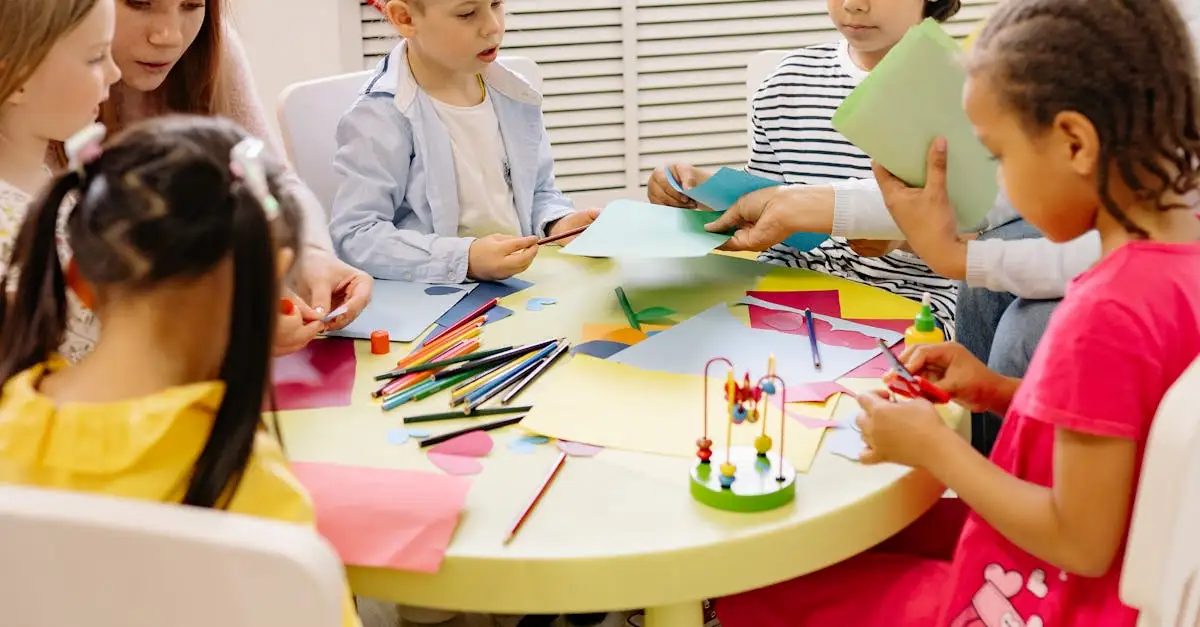
Art, music, and storytelling give students a healthy emotional outlet. These activities are especially effective for students who struggle with verbal communication.
For example, drawing emotions or writing short reflections can help students process stress in a safe way.
The role of teachers in promoting wellbeing in schools

Teachers as wellbeing role models
Students often mirror adult behavior. If teachers show calmness, respect, and balance, students are more likely to do the same.
This means teacher wellbeing is not separate—it is directly connected to student wellbeing.
Reducing teacher burnout for better student outcomes
Burnout among educators reduces classroom quality. Schools that support teacher wellbeing often see improved student outcomes.
A recent large-scale study found that structural changes, such as reducing phone distractions, improved student wellbeing and classroom engagement significantly .
Building a long-term wellbeing school culture
Integrating wellbeing into the curriculum
Wellbeing should not be treated as a separate subject. Instead, it should be embedded into:
- Science discussions about the brain and stress
- Literature themes about emotions
- Physical education and health lessons
This integration makes learning more meaningful and natural.
Student voice and participation in wellbeing planning
Students often know what they need. Research shows they value programs that are relevant, well-timed, and authentic rather than forced or symbolic .
Allowing students to participate in planning increases ownership and engagement.
Using data to track wellbeing progress
Schools can use:
- Surveys
- Attendance trends
- Behavioral observations
to measure wellbeing outcomes. This helps schools improve programs instead of guessing what works.
Common challenges in promoting wellbeing in schools
Lack of consistency in implementation
Many schools introduce wellbeing programs but fail to apply them consistently. This leads to weak outcomes and student disengagement.
Overloaded curriculum pressure
Teachers often struggle to balance academic requirements with wellbeing initiatives. Without proper planning, wellbeing becomes an “extra burden” rather than a support system.
Student disengagement in poorly designed programs
If activities feel repetitive or meaningless, students may ignore them. That’s why relevance and engagement are critical.
Real-world strategies for improving wellbeing in schools
Start small but stay consistent
Instead of launching large programs, schools can start with:
- Daily check-ins
- Weekly reflection time
- Simple classroom routines
Small steps often lead to stronger long-term results.
Focus on relationships first
No program works without trust. Building strong relationships should always come first.
Combine academic and emotional learning
A balanced approach ensures students grow both intellectually and emotionally.
Future trends in how to promote wellbeing in schools

Technology and digital wellbeing tools
Schools are now using apps and dashboards to monitor student wellbeing in real time.
Personalized wellbeing support
Future systems will focus on individual student needs instead of one-size-fits-all programs.
Holistic education models
More schools are moving toward holistic education where academic success and emotional wellbeing are equally important.
Conclusion
Understanding how to promote wellbeing in schools is no longer optional—it is essential for modern education. A strong wellbeing school focuses on emotional safety, strong relationships, and consistent systems that support both students and teachers.
When schools integrate wellbeing into daily learning, students become more engaged, confident, and motivated. The key takeaway is simple: wellbeing is not a program—it is a culture. Schools that embrace this mindset create healthier, happier, and more successful learning environments.
FAQs
1. What is the best way to promote wellbeing in schools?
The best approach combines emotional safety, strong relationships, and consistent classroom practices rather than one-time programs.
2. Why is wellbeing important in a wellbeing school?
Because it improves student focus, behavior, and overall academic performance while reducing stress and anxiety.
3. How can teachers support student wellbeing daily?
Teachers can use positive communication, check-ins, group activities, and supportive feedback in everyday lessons.
4. Do wellbeing programs really work in schools?
Yes, but only when they are consistent, well-designed, and involve student participation.
5. Can technology help promote wellbeing in schools?
Yes, digital tools can help track stress levels, engagement, and provide personalized support for students.
⭐ Make MindLiva Your Preferred Source on Google
Get trusted health, wellness, and lifestyle articles from MindLiva.
Add MindLiva
Samie Babaei is a medical science student at Shahid Beheshti University of Medical Sciences with a strong interest in health, wellness, and medical research. As a health writer and researcher at MindLiva, she focuses on creating clear, evidence-based content that helps readers better understand health and well-being.