



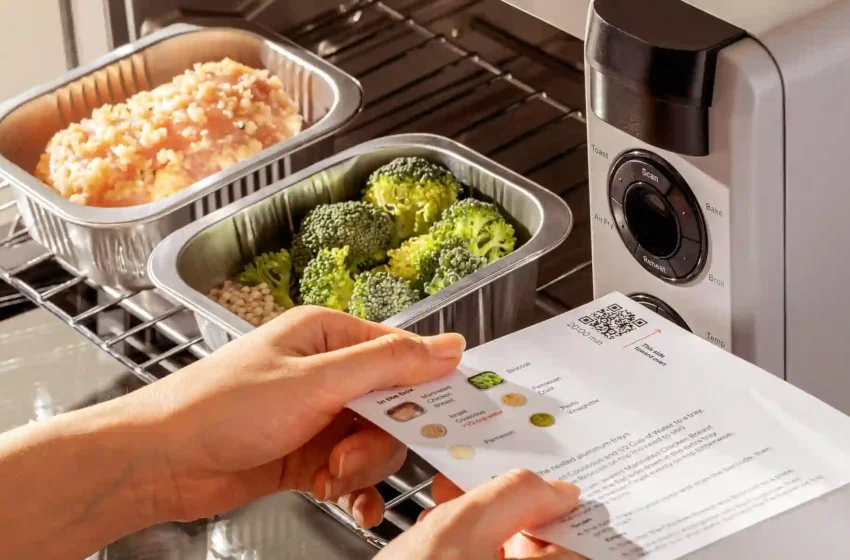
Can I Cook Factor Meals in the Oven? Easy Tips & Tricks
Have you ever opened your refrigerator, grabbed a Factor meal, and wondered, can I cook Factor meals in the oven instead of using a microwave? You are not alone. While a microwave is often the quickest way to heat a prepared meal, an oven can be useful when you want more even heating or a better texture.
Factor meals are designed to make eating convenient, but their packaging and heating instructions matter. Not every container is suitable for oven use, and changing the cooking method may affect how long your food takes to heat.
In this guide, you will learn how to heat Factor meals in the oven, which safety rules to follow, how to avoid dry food, and when a microwave is the better option. You will also find practical tips for different meal types and answers to common questions.
Can I Cook Factor Meals in the Oven?
Yes, you may be able to heat Factor meals in the oven, but you should never assume that the original container is oven-safe. The correct method depends on the meal’s packaging and the instructions provided by the manufacturer.
Many prepared meals arrive in trays designed for refrigerated storage and microwave heating. A tray that is safe in a microwave is not automatically safe in a conventional oven.
Before heating your meal, check the label for approved cooking methods. If the package says microwave-only, transfer the food to an oven-safe dish before using the oven.
Why choose an oven instead of a microwave?
An oven can be useful for several reasons:
- More even heating: It can warm a meal gradually, especially when the food is spread in a suitable dish.
- Better texture: Some vegetables and protein-based dishes may retain a more appealing texture when reheated carefully.
- Less sogginess: Certain foods may become less watery than they do in a microwave.
- Flexible portions: An oven-safe dish makes it easy to reheat food without relying on the original packaging.
However, oven heating usually takes longer. For a quick lunch during a busy workday, a microwave may be the more practical choice.
Oven Cooking for Factor Meals: Is It Safe?
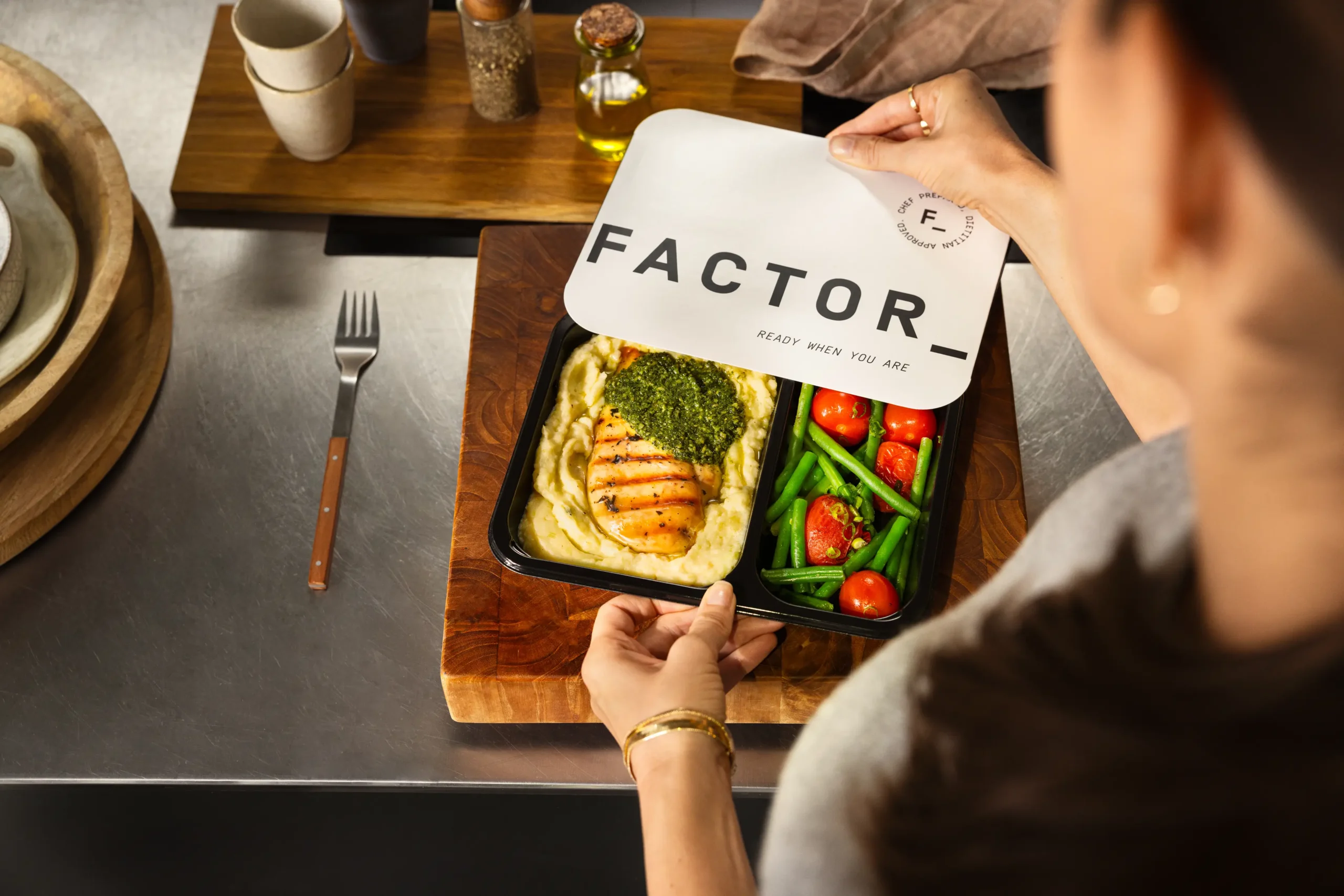
Safety should always come before convenience. The biggest concern is not simply the oven temperature; it is whether the packaging can withstand that heat and whether the food reaches a safe internal temperature.
Check the container before heating
Before placing your meal in the oven, inspect the packaging carefully.
Look for instructions that specifically approve conventional oven use. If the label does not clearly confirm that the tray is oven-safe, do not put it in the oven.
Instead, follow these steps:
- Remove the meal from its original tray if the tray is not approved for oven use.
- Transfer the food to a clean, oven-safe glass or ceramic dish.
- Remove any plastic film, lid, or other packaging that is not approved for oven heating.
- Cover the dish with an oven-safe lid or foil if appropriate.
- Heat the meal and check its temperature before eating.
Important: Never place a plastic tray in a conventional oven unless the manufacturer explicitly states that it is suitable for that use. Some containers can melt, release unwanted substances, or damage the oven.
Follow food safety guidelines
Prepared meals containing chicken, beef, fish, eggs, or other perishable ingredients need careful handling.
The USDA recommends reheating leftovers to an internal temperature of 165°F (74°C). Use a food thermometer to check the center of the meal, especially when it contains several ingredients or a thick portion of meat.
Also, keep refrigerated meals cold until you are ready to heat them. Do not leave perishable food at room temperature for extended periods.
How to Cook Factor Meals in the Oven?
If you have confirmed that oven heating is appropriate for your meal, the process is straightforward. The following method is a practical starting point, not an official cooking schedule for every Factor product.
Step 1: Preheat the oven
Start by preheating your oven to approximately 325°F (163°C). A moderate temperature helps warm the food gradually and may reduce the risk of drying out the edges before the center is hot.
Always follow any specific oven temperature listed on your meal’s packaging. If the manufacturer provides different instructions, those instructions should take priority.
Step 2: Transfer the meal to an oven-safe dish
Place the food in a suitable glass or ceramic baking dish. Keep the ingredients together if they are meant to be served as one meal.
If the meal contains chicken with vegetables, for example, arrange the ingredients in a single layer when possible. This helps the heat reach different parts of the meal more evenly.
Step 3: Cover the dish
Covering the dish with an oven-safe lid or foil can help retain moisture. This is particularly useful for chicken breast, rice, roasted vegetables, and meals with a sauce.
Make sure the covering is suitable for oven use. Do not allow foil to touch heating elements, and never use plastic wrap unless it is specifically rated for the intended oven conditions.
Step 4: Heat gradually and check the temperature
There is no single heating time that works for every Factor meal. Portion size, food density, starting temperature, and oven performance all affect the result.
Begin with a short heating period, then check the center of the food. Continue heating in small increments until the entire meal is thoroughly hot.
For many refrigerated prepared meals, this may take roughly 20–30 minutes in a moderate oven, but this is only an estimate. Larger portions or dense foods can take longer, while smaller portions may heat more quickly.
Step 5: Let the meal rest briefly
Once the food has reached a safe temperature, remove the dish carefully using oven mitts. Let it rest for a minute or two before serving.
Stir sauces or rice when appropriate, and check the temperature in more than one spot if the meal contains several separate components.
How Long Should You Heat Factor Meals in the Oven?
Heating time varies from one meal to another. Rather than relying on a fixed schedule, use the table below as a general guide for planning.
| Meal type | What to consider |
| Chicken and vegetables | Cover to help retain moisture; check the thickest piece of chicken. |
| Beef with a sauce | Heat gradually and stir the sauce if practical. |
| Fish and vegetables | Check early to help prevent the fish from becoming dry. |
| Rice or grain bowls | Cover to reduce moisture loss and check the center carefully. |
| Meals with cheese | Monitor the surface so it does not brown too quickly before the center heats. |
These are practical reheating suggestions, not manufacturer-approved times for specific products. Use the package directions whenever available.
How can you prevent food from drying out?
A few small changes can improve the final result:
- Cover the dish for most of the heating period.
- Avoid unnecessarily high oven temperatures.
- Add a small amount of water or suitable broth to dry rice or grains if appropriate for the recipe.
- Check the food before the estimated heating time ends.
- Avoid reheating the same portion repeatedly.
For example, a chicken-and-rice meal may stay more tender when covered than when left uncovered throughout the entire heating process. However, meals with crispy toppings may need a brief uncovered finish if their packaging and instructions permit it.
Microwave vs. Oven: Which Is Better for Factor Meals?
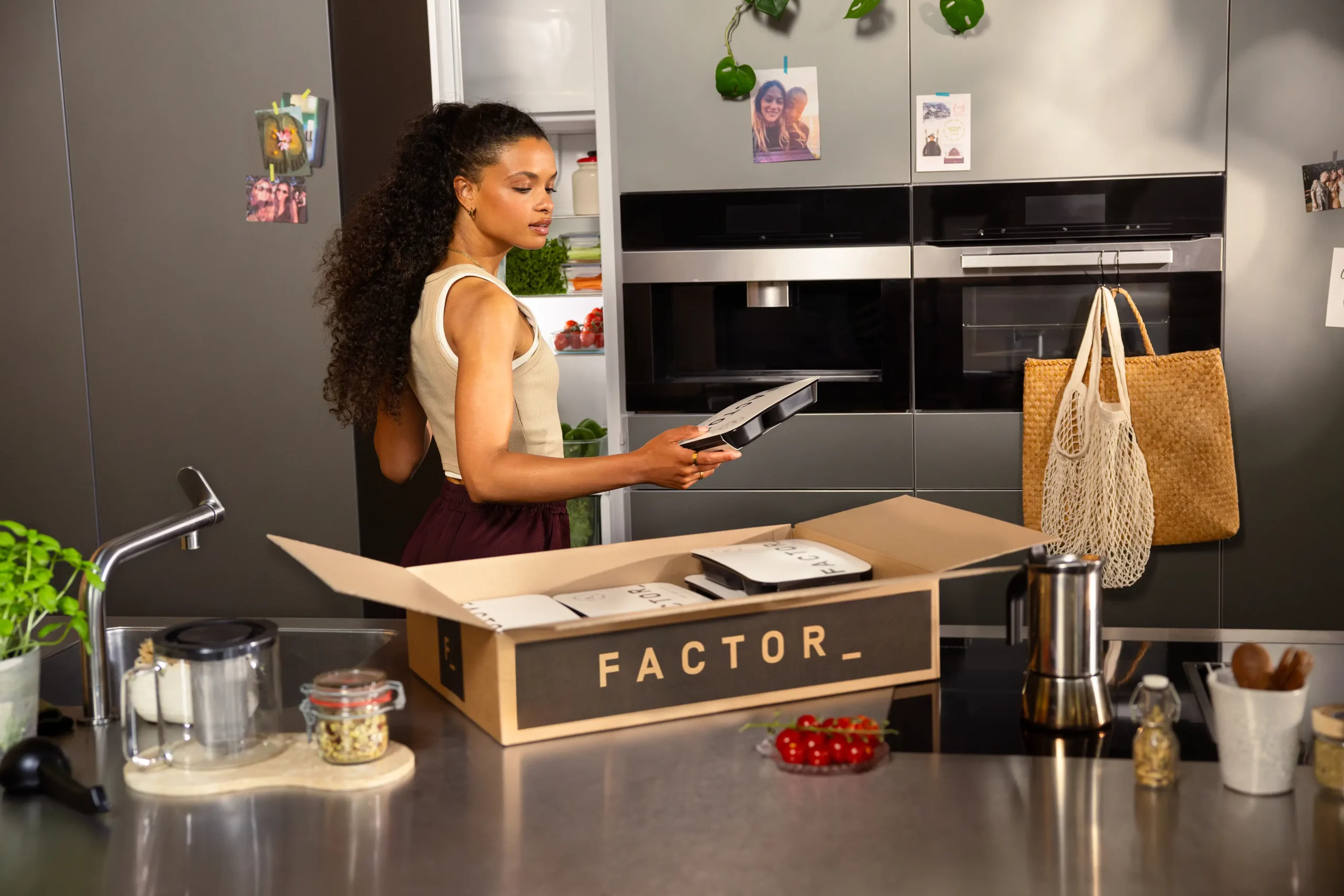
Both methods can work well, but they serve different needs.
| Feature | Microwave | Conventional oven |
| Speed | Usually faster | Usually slower |
| Convenience | Often requires fewer steps | May require transferring the food |
| Heating | Can create hot and cold spots | Can heat gradually, depending on the dish and arrangement |
| Texture | May soften some foods | May help preserve texture in some dishes |
| Energy use | Usually uses less energy for a single small portion | Often uses more energy for one meal |
| Best use | Quick everyday meals | When slower, more controlled heating is preferred |
For most people, the microwave is the easiest option for a routine lunch or dinner. An oven is worth considering when you have extra time or prefer the texture it produces.
Moreover, an oven is not automatically safer or healthier than a microwave. The key factors are appropriate equipment, proper handling, and thorough heating.
How Do You Heat Up Factor Meals Without Losing Flavor?
If you want your meal to taste as good as possible, focus on moisture, even heating, and the type of ingredients involved.
For chicken and other lean proteins
Lean proteins can become dry when heated for too long. Use a covered oven-safe dish and check the internal temperature rather than relying only on appearance.
Chicken may look hot on the outside while remaining cooler in the center, so a food thermometer is especially helpful.
For vegetables and grains
Vegetables can soften as they reheat, while rice may become dry. Covering the dish helps retain moisture, and a small amount of water may help restore the texture of suitable grain-based meals.
If the meal includes delicate vegetables, check them early so they do not become overly soft.
For creamy sauces
Sauces containing dairy may change texture when exposed to prolonged high heat. Use moderate heat, cover the dish, and stir the sauce if the meal’s ingredients allow it.
In short, gentle heating and regular checks can make a noticeable difference without adding much work.
Can You Cook Different Types of Factor Meals in the Oven?
Factor offers prepared meals with different proteins, vegetables, sauces, and dietary profiles. However, not all meals respond to reheating in the same way.
High-protein meals
People who choose high protein factor meals may want to pay particular attention to lean meats and other protein-rich ingredients. These foods can lose moisture when reheated for too long.
Use a moderate temperature and check the thickest part of the protein. Avoid judging doneness by color alone.
Meals marketed for weight management
Some customers choose glp1 factor meals or other prepared meals while working on weight management. The most useful approach is to review the actual nutrition label, portion size, protein content, fiber, and sodium rather than relying on marketing terms alone.
If you take a GLP-1 medication, your nutritional needs and tolerance for meal size may differ. A registered dietitian or qualified healthcare professional can help you choose meals that fit your needs.
Meals for people with diabetes
When considering factor meals for diabetics type 2, look at the total carbohydrate content, fiber, sodium, portion size, and overall balance of the meal.
Heating method alone does not determine whether a meal is suitable for diabetes. Individual meal plans vary, so use nutrition information and your clinician’s advice when making choices.
What If You Do Not Have an Oven?
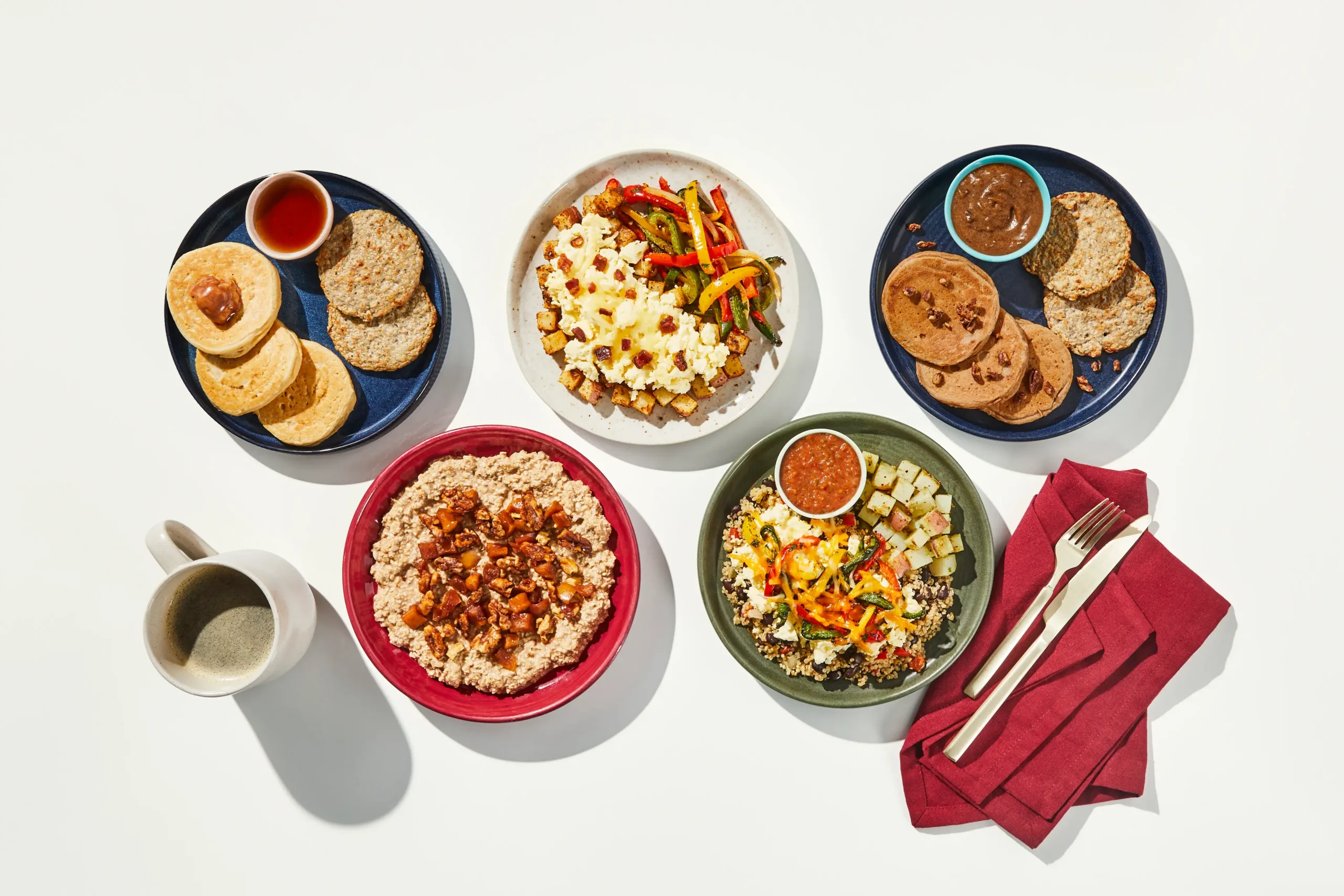
You do not need an oven to enjoy a prepared meal. If your Factor packaging provides microwave instructions, following them is often the simplest option.
If you are looking for factor like meals, compare brands based on ingredient quality, nutrition information, price per serving, delivery options, and the heating equipment required.
For shoppers comparing mighty meals vs factor, consider the current menu, available dietary choices, serving sizes, and local delivery coverage. Prices and meal selections can change, so compare the latest information directly from each provider.
You may also wonder whether you can find factor meals in store rather than ordering delivery. Availability depends on the retailer and location, so check the brand’s official website or contact local stores before making a special trip.
Finally, if you are searching online for factor meals korting, check for current promotions, introductory offers, or discounts on the provider’s official website. Review renewal terms and delivery charges before placing an order.
Common Mistakes to Avoid When Reheating Factor Meals
Even a simple meal can turn out poorly if you overlook a few details.
Avoid these mistakes:
- Putting an unapproved tray in the oven. Microwave-safe and oven-safe are not interchangeable labels.
- Using excessive heat. High temperatures may dry the edges before the center is hot.
- Guessing when the meal is ready. A thermometer provides a more reliable check.
- Leaving the dish uncovered for too long. This can increase moisture loss.
- Ignoring storage instructions. Food that has been stored incorrectly may not be safe to eat even after reheating.
- Assuming every meal heats at the same rate. Ingredients, thickness, and portion size matter.
A little preparation can help you avoid these problems and make reheating more predictable.
Conclusion
So, can I cook Factor meals in the oven? In many cases, you may be able to reheat the food in an oven-safe dish, but you should first check the manufacturer’s instructions and the original packaging.
If oven heating is permitted, use moderate heat, cover the dish when appropriate, and check that the food reaches a safe internal temperature. For refrigerated leftovers, the USDA’s recommended reheating temperature is 165°F (74°C).
The microwave remains the quickest option for most prepared meals. However, when you have more time and want to control the texture, an oven may be a useful alternative.
The main takeaway: Never guess about packaging safety, and never rely on heating time alone. A suitable dish, careful reheating, and a food thermometer are simple ways to make your meal safer and more enjoyable.
Frequently Asked Questions
1. Can I cook Factor meals in the oven instead of the microwave?
You may be able to, provided the meal’s instructions allow oven reheating. If the original tray is not oven-safe, transfer the food to an oven-safe dish before heating.
2. What temperature should I use to heat Factor meals in the oven?
Around 325°F (163°C) can be a practical starting point when oven reheating is appropriate, but follow the manufacturer’s instructions whenever available. Check the center of the meal with a food thermometer.
3. How do you heat up Factor meals quickly?
The microwave is generally the fastest method when the packaging provides microwave instructions. Follow the stated heating time, stir or rotate the food if directed, and allow it to stand briefly before checking the temperature.
4. Can you put Factor meal containers directly in the oven?
Only if the manufacturer explicitly identifies the specific container as oven-safe. If you cannot confirm that, remove the food and use an oven-safe glass or ceramic dish instead.
5. Can you reheat a Factor meal more than once?
For the best quality and safer handling, reheat only the portion you intend to eat. Refrigerate leftovers promptly, follow the package’s storage instructions, and avoid repeated cycles of warming and cooling.
⭐ Make MindLiva Your Preferred Source on Google
Get trusted health, wellness, and lifestyle articles from MindLiva.
Add MindLiva
Samie Babaei is a medical science student at Shahid Beheshti University of Medical Sciences with a strong interest in health, wellness, and medical research. As a health writer and researcher at MindLiva, she focuses on creating clear, evidence-based content that helps readers better understand health and well-being.