




Keto Made Easy: how to Start a Keto Diet for Beginners Meal Plan
If you’ve ever wondered why so many people talk about keto, you’re not alone. The ketogenic diet has become one of the most discussed nutrition approaches in recent years. At its core, keto is a low-carbohydrate, high-fat eating plan designed to shift your body’s primary fuel source from glucose to fat. When carbohydrate intake drops significantly, the body enters a metabolic state known as ketosis, where it burns fat and produces ketones for energy. Research and recent keto nutrition guides continue to show that most ketogenic plans typically limit carbohydrates to around 20–50 grams per day while emphasizing healthy fats and moderate protein intake.
Many people are turning to the ketogenic lifestyle to lose weight, boost energy, and improve appetite control. If you’re wondering what to eat on keto diet for beginners, understanding the basics is the first step toward long-term success. Rather than simply eliminating carbohydrates without a plan, learning which foods support ketosis and how to build balanced meals can make the transition much easier. By following the core principles from the start, beginners can reduce common challenges, stay motivated, and enjoy lasting results.
What Is Ketosis?
Ketosis is the metabolic state that makes keto unique. Think of your body as a hybrid vehicle. Normally, it runs on carbohydrates, which are converted into glucose. When carbs become scarce, your body switches fuel sources and begins using stored fat. During this transition, the liver produces ketones, which the body uses for energy instead of glucose. This transition usually takes several days depending on individual factors such as activity level and carbohydrate intake. Many people report reduced hunger once they become adapted to ketosis because fat digestion tends to promote greater satiety than highly processed carbohydrates.
Why Keto Has Become So Popular
The popularity of keto is linked largely to weight management and metabolic health goals. Many beginners appreciate the simplicity of focusing on whole foods such as eggs, meat, fish, avocados, nuts, and low-carb vegetables. Unlike some restrictive diets that emphasize calorie counting alone, keto encourages a structured approach to food quality and macronutrient balance. The diet’s growing visibility in health discussions, fitness communities, and nutrition research has contributed significantly to its widespread adoption.
Benefits of Starting a Keto Diet
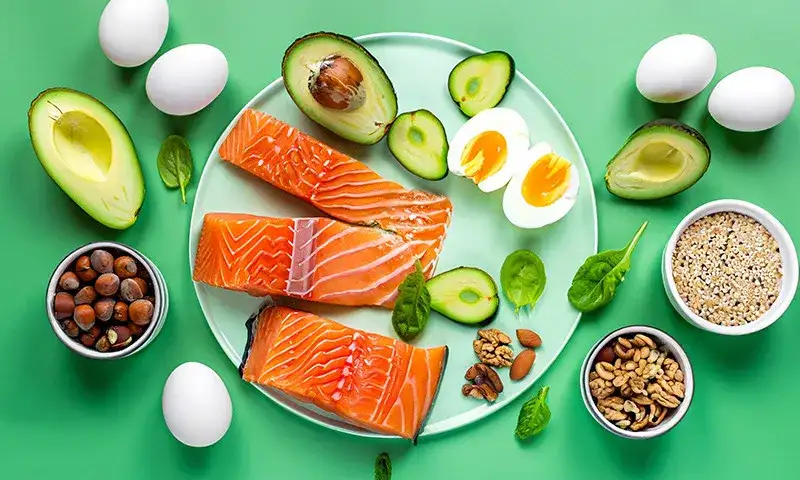
One of the biggest reasons people search for how to start a keto diet for beginners is the potential benefits associated with the ketogenic lifestyle. While individual results vary, many people experience meaningful changes during the first few months.
Weight Loss Potential
A major attraction of keto is its ability to support weight loss. By reducing carbohydrate intake and encouraging fat utilization, many people naturally consume fewer calories without feeling deprived. Several reviews have found improvements in body weight, triglycerides, and blood sugar markers among individuals following ketogenic eating patterns. Keto can also reduce cravings for sugary foods, making it easier to stay consistent with healthy eating habits.
Better Appetite Control
Many beginners notice that they feel satisfied for longer periods after eating keto-friendly meals. Foods rich in healthy fats and protein digest more slowly, helping reduce frequent snacking. This appetite control often becomes one of the most appreciated aspects of the keto lifestyle because it simplifies meal planning and daily food decisions.
How to Start a Keto Diet for Beginners Meal Plan
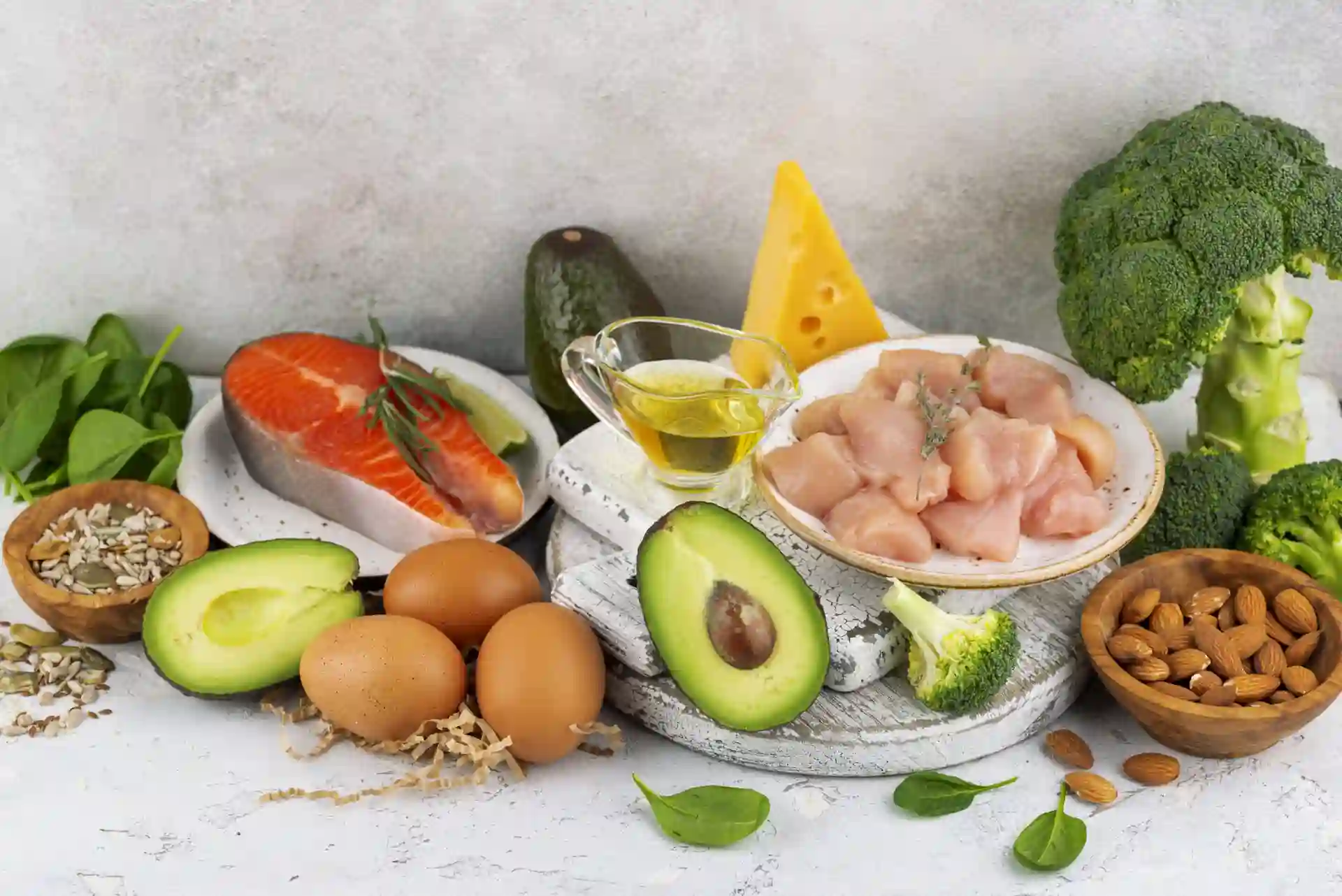
Beginning keto doesn’t require expensive products or complicated recipes. A practical strategy works best.
Step 1: Reduce Carbohydrates
The first step is limiting foods high in sugar and starch. This includes bread, pasta, rice, pastries, sugary drinks, and most processed snacks. Most beginner keto plans recommend staying within 20–50 grams of net carbohydrates daily. Keeping carbs low helps the body transition into ketosis more efficiently.
Step 2: Increase Healthy Fats
Healthy fats become your primary energy source. Excellent options include:
- Avocados
- Olive oil
- Coconut oil
- Butter
- Cheese
- Nuts and seeds
- Fatty fish
Many newcomers mistakenly fear dietary fat because of outdated nutrition myths. On keto, fat is not the enemy; it is the foundation of the eating plan.
Step 3: Choose Moderate Protein
Protein remains important but should not dominate every meal. Recent keto guidance emphasizes moderate protein intake alongside adequate fat consumption. Common protein choices include chicken, beef, fish, eggs, and turkey. Eating excessive protein may make ketosis more difficult for some individuals.
Step 4: Stay Hydrated
Hydration is one of the most overlooked aspects of keto success. At the beginning of the adjustment period, water and electrolyte levels can decrease more quickly in the body. Drinking sufficient water and maintaining adequate sodium intake may help reduce symptoms commonly called “keto flu,” including fatigue and headaches.
What Foods Can You Eat on Keto?
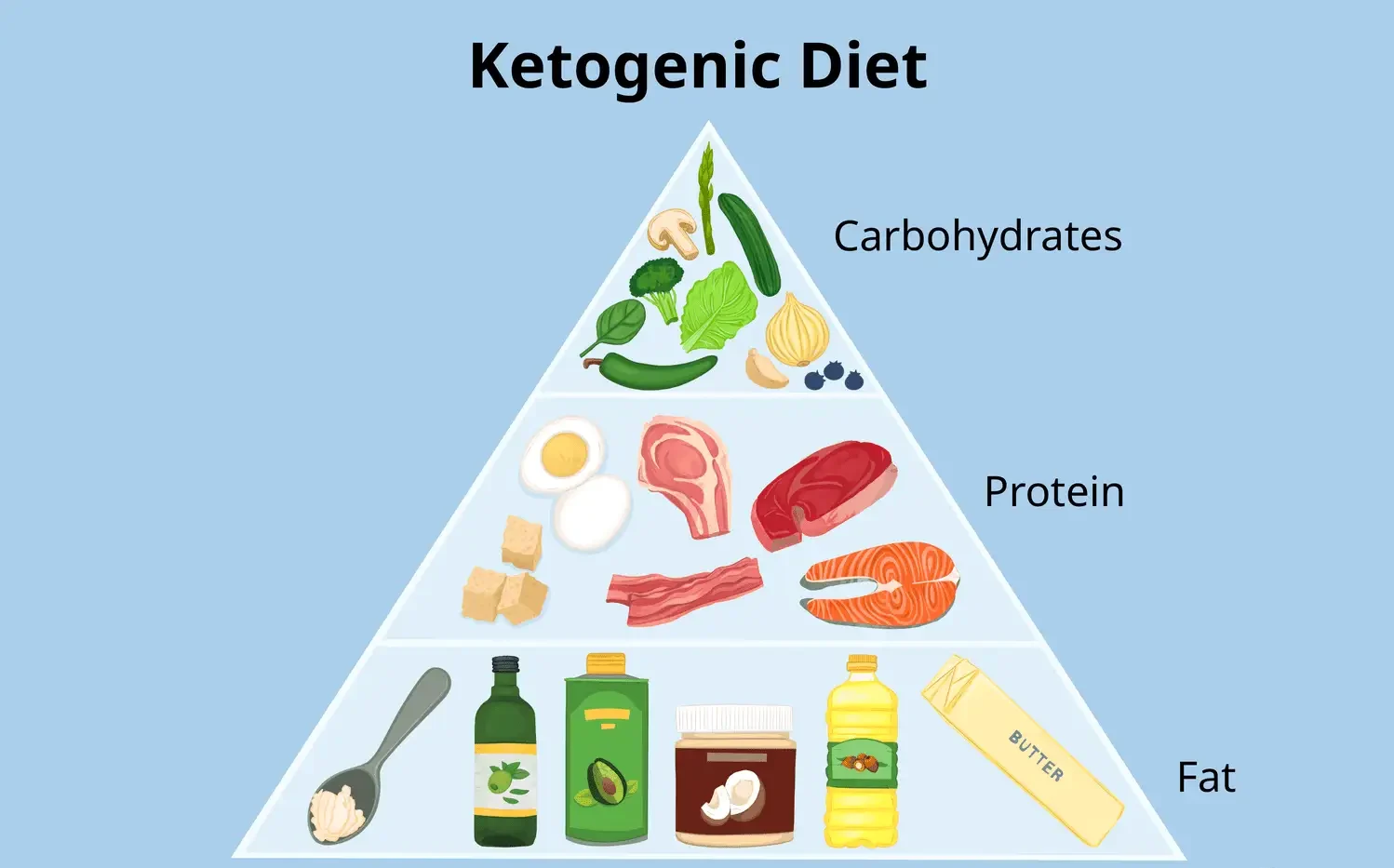
Many beginners ask what to eat on a keto diet for beginners because food selection determines success.
Best Keto-Friendly Foods
| Food Category | Examples |
| Proteins | Eggs, chicken, beef, salmon |
| Healthy Fats | Avocados, olive oil, butter |
| Vegetables | Broccoli, spinach, cauliflower |
| Dairy | Cheese, heavy cream, Greek yogurt |
| Snacks | Almonds, walnuts, macadamia nuts |
These foods provide nutrients while helping maintain low carbohydrate intake.
Foods to Avoid
The following foods are generally limited on keto:
- Bread and baked goods
- Pasta
- Rice
- Sugary beverages
- Candy
- Most desserts
- Highly processed snacks
Replacing these items with nutrient-dense alternatives makes the transition much easier.
7-Day Keto Meal Plan for Beginners
A structured meal plan removes guesswork and increases the likelihood of success.
Days 1–3
Day 1
- Breakfast: Scrambled eggs with spinach and cheese
- Lunch: Chicken salad with avocado
- Dinner: Salmon with broccoli and butter
Day 2
- Breakfast: Omelet with mushrooms
- Lunch: Tuna salad with olive oil
- Dinner: Beef and cauliflower mash
Day 3
- Breakfast: Greek yogurt with chia seeds
- Lunch: Turkey lettuce wraps
- Dinner: Grilled chicken with zucchini
Days 4–7
Day 4
- Breakfast: Eggs and avocado
- Lunch: Cobb salad
- Dinner: Pork chops with green beans
Day 5
- Breakfast: Keto smoothie
- Lunch: Chicken Caesar salad
- Dinner: Baked salmon
Day 6
- Breakfast: Cheese omelet
- Lunch: Egg salad
- Dinner: Steak with roasted vegetables
Day 7
- Breakfast: Bacon and eggs
- Lunch: Tuna lettuce wraps
- Dinner: Chicken thighs with cauliflower rice
This simple plan focuses on real foods, moderate protein, and healthy fats while keeping carbohydrates low.
Read also: Mediterranean Diet for Beginners
External Reference Suggestion: Wikipedia’s article on the ketogenic diet provides additional background information.
Common Keto Mistakes Beginners Make
Starting keto is straightforward, but certain mistakes can slow progress.
Ignoring Electrolytes
One of the most common issues is neglecting sodium, potassium, and magnesium. Since keto has a natural diuretic effect during the early stages, electrolyte balance becomes especially important. People often mistake electrolyte deficiency symptoms for signs that keto is not working.
Eating Too Much Protein
Another frequent mistake is assuming keto is a high-protein diet. In reality, standard ketogenic diets prioritize fat while keeping protein moderate. Maintaining the correct balance supports ketosis and overall energy levels.
Long-Term Success on Keto
Sustainability matters more than perfection. A keto diet should fit your lifestyle rather than dominate it.
Meal Prep Strategies
Preparing meals in advance can dramatically improve consistency. Cooking larger portions for dinner and saving leftovers for lunch reduces daily decision-making. Stocking your kitchen with keto staples also prevents impulsive high-carb choices. Many successful keto followers rely on meal prep because it saves both time and money.
Tracking Progress
Progress extends beyond the scale. Consider monitoring:
- Energy levels
- Hunger patterns
- Waist measurements
- Sleep quality
- Exercise performance
These indicators often reveal positive changes before significant weight loss becomes visible.
Conclusion
Learning how to start a keto diet for beginners meal plan does not have to be complicated. Focus on reducing carbohydrates, increasing healthy fats, eating moderate protein, and staying hydrated. Build meals around whole foods such as eggs, fish, meat, avocados, and low-carb vegetables. Consistency matters far more than perfection. With a practical meal plan and realistic expectations, keto can become a manageable and effective lifestyle change for many beginners.
FAQs
1. How many carbs should beginners eat on keto?
Most beginners aim for 20–50 grams of net carbohydrates per day to support ketosis.
2. How long does it take to enter ketosis?
Many people enter ketosis within two to seven days, depending on carb intake, metabolism, and activity level.
3. Can I eat fruit on keto?
Some low-carb fruits such as berries can fit into a keto plan when consumed in moderation.
4. What is keto flu?
Keto flu refers to temporary symptoms such as fatigue, headaches, and low energy that can occur during the adaptation period. Proper hydration and electrolyte intake often help.
5. Is keto safe for everyone?
Not necessarily. People with certain medical conditions or those taking medications should consult a healthcare professional before starting a ketogenic diet.