




Best Weight Loss Dog Food for Healthy and Happy Dogs
Has your dog started looking a little rounder than usual? You’re not alone. Canine obesity has become one of the most common health concerns among pet owners worldwide. Many loving owners unknowingly overfeed their dogs or offer too many treats, leading to gradual weight gain that can affect mobility, heart health, and overall quality of life.
The good news is that the right diet can make a remarkable difference. Choosing the best dog food for weight loss isn’t just about cutting calories—it’s about delivering balanced nutrition that helps your dog feel satisfied, preserve lean muscle, and lose excess weight in a safe and healthy way.
In this guide, you’ll learn how weight-management diets work, what ingredients matter most, how to select the right food for your dog’s needs, and practical strategies that support long-term success.
Understanding Canine Weight Gain
Why Dog Obesity Is Increasing
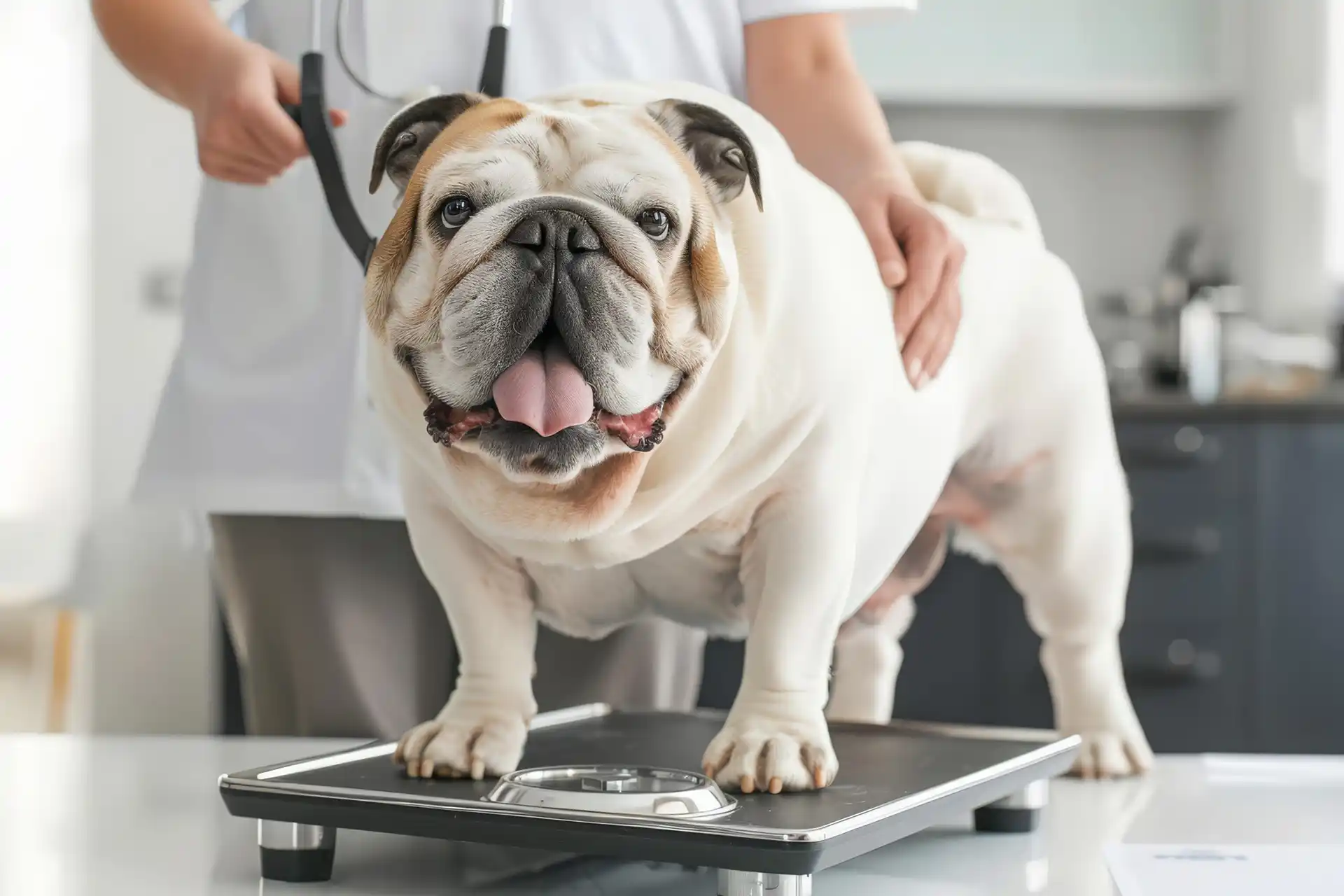
Dog obesity has become a growing concern among veterinarians. Recent reports indicate that more than half of dogs in the United States are overweight or obese, with some estimates reaching nearly 59%.
Several factors contribute to this trend. Modern dogs often live indoors, receive fewer opportunities for exercise, and consume calorie-dense treats throughout the day. Many owners also misjudge proper portion sizes. A small extra scoop of kibble may seem harmless, but over months and years, those extra calories accumulate.
Neutering, aging, and certain medical conditions can also reduce a dog’s metabolism. As dogs become less active, their calorie needs decrease. Yet many continue receiving the same amount of food they ate during their younger, more energetic years.
Health Risks of Excess Weight
Extra weight doesn’t just affect appearance. It places significant strain on a dog’s entire body. Veterinary experts consistently associate obesity with arthritis, diabetes, cardiovascular issues, respiratory difficulties, and reduced lifespan.
Research highlighted by dog nutrition experts suggests that maintaining an ideal weight may help dogs live longer and enjoy a better quality of life.
What Makes the Best Weight Loss Dog Food
High Protein Benefits
Protein plays a central role in successful weight management. During weight loss, the goal is to reduce fat while preserving lean muscle tissue.
Veterinary nutrition experts frequently recommend diets with above-average protein levels because they help maintain muscle mass while encouraging fat loss. Higher protein foods can also increase satiety, helping dogs feel fuller between meals.
Chicken, turkey, salmon, whitefish, and lean beef are common high-quality protein sources found in premium weight-management formulas.
The Role of Fiber
Fiber acts like a natural appetite manager. It adds bulk to meals without significantly increasing calorie content. Dogs consuming higher-fiber diets often feel satisfied for longer periods after eating.
Many specialized weight-loss formulas include ingredients such as:
- Beet pulp
- Pumpkin
- Peas
- Oats
- Brown rice
- Vegetable fibers
These ingredients help support digestion while reducing feelings of hunger.
Controlled Calorie Density
The best weight loss dog food isn’t simply lower in fat. It carefully balances calories, nutrients, and portion sizes.
A quality formula allows owners to feed a reasonable volume of food while still reducing overall calorie intake. This approach helps prevent dogs from feeling deprived and begging constantly for food.
Signs Your Dog May Need a Weight-Management Diet
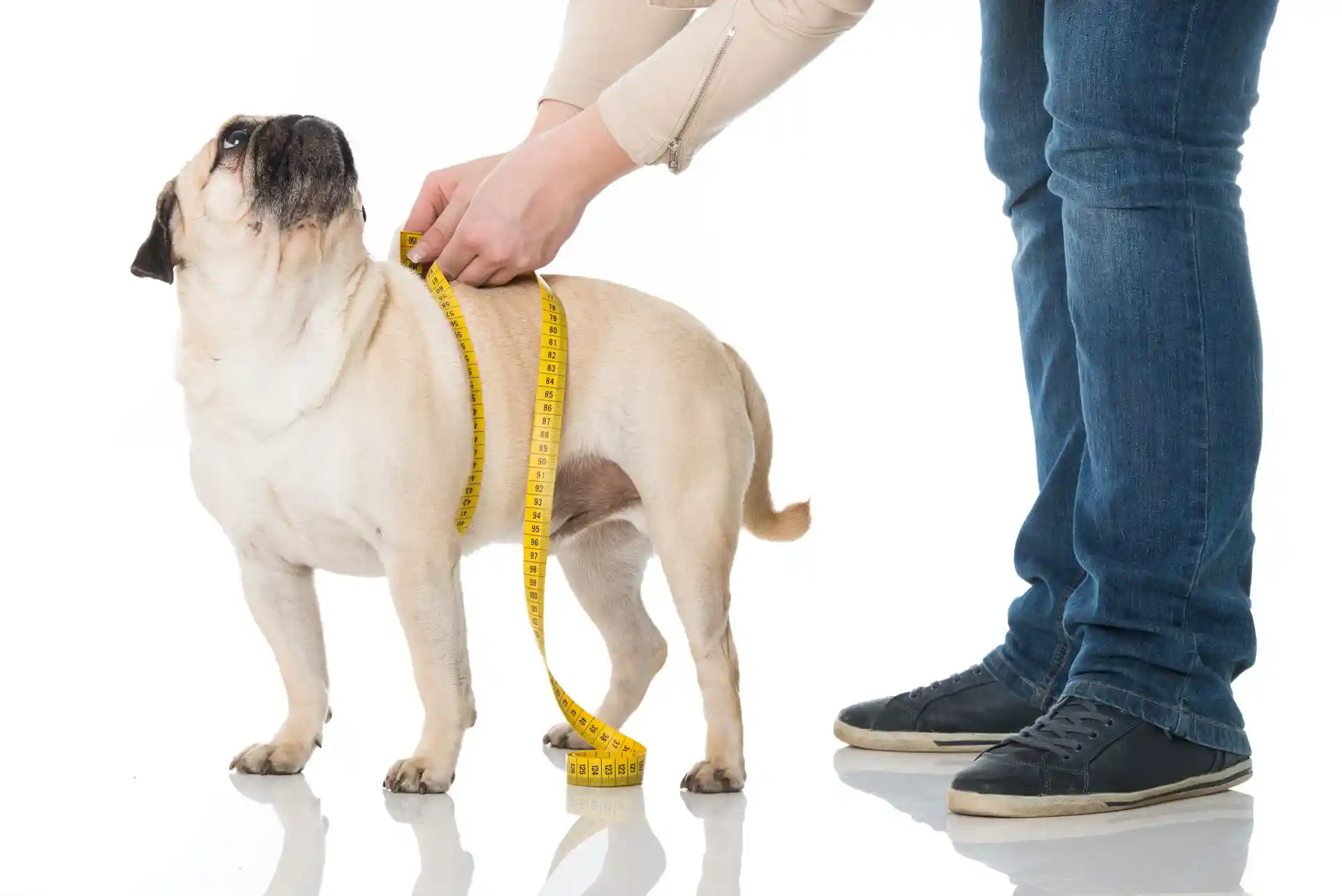
Many owners don’t immediately recognize weight gain because it happens gradually. According to veterinary experts, a significant number of pet owners underestimate their dog’s weight status.
Common signs include:
- Difficulty feeling the ribs
- Reduced waist definition
- Lower activity levels
- Heavy breathing after mild exercise
- Reluctance to jump or climb stairs
- Increased fatigue
If you’re unsure, schedule a veterinary assessment. Your veterinarian can calculate an ideal weight target and daily calorie requirements.
Best Weight Loss Dog Food Ingredients to Look For
Lean Protein Sources
When reviewing ingredient labels, quality protein should appear near the top.
| Protein Source | Benefits |
| Chicken | Lean and highly digestible |
| Turkey | Lower fat content |
| Salmon | Supports skin and coat health |
| Whitefish | Excellent protein quality |
| Lean Beef | Rich in essential amino acids |
These proteins help maintain muscle mass while promoting healthy fat loss.
Healthy Carbohydrates
Contrary to popular belief, carbohydrates aren’t automatically bad for dogs. The key is choosing nutrient-dense sources.
Examples include:
- Brown rice
- Oatmeal
- Sweet potatoes
- Barley
- Peas
These ingredients provide sustained energy while supporting digestive health.
Beneficial Supplements
Modern weight-management diets often include additional nutritional support such as:
- Omega-3 fatty acids
- Prebiotics
- Probiotics
- Glucosamine
- Chondroitin
These nutrients help support joint health, digestion, and overall wellness during weight reduction.
Ingredients to Avoid
Not all dog foods marketed for weight loss are created equally.
Be cautious of products containing:
- Excessive fillers
- Artificial preservatives
- High sugar additives
- Unspecified meat by-products
- Excessively high fat content
Reading ingredient labels carefully helps ensure you’re selecting a nutritionally balanced product rather than simply a low-calorie formula.
Dry vs Wet Weight Loss Dog Food

One common question among pet owners is whether dry or wet food works better.
| Feature | Dry Food | Wet Food |
| Cost | More affordable | Usually more expensive |
| Storage | Easier | Requires refrigeration after opening |
| Satiety | Good | Often excellent due to moisture |
| Dental Benefits | May help reduce plaque | Limited dental benefits |
Both options can support weight loss successfully when portions are controlled appropriately. The best choice often depends on your dog’s preferences and your veterinarian’s recommendations.
Top Categories of Weight-Loss Diets
Veterinary Prescription Diets
Prescription formulas are designed for dogs with significant obesity or obesity-related medical conditions.
Recent developments in veterinary nutrition have introduced advanced weight-control diets featuring specialized fiber blends, amino acid profiles, and satiety-support systems.
Popular veterinary categories often focus on:
- Rapid but safe fat reduction
- Muscle preservation
- Appetite management
- Joint support
Over-the-Counter Weight Management Foods
Many dogs achieve excellent results using non-prescription weight-management foods.
Veterinary-reviewed recommendations frequently include formulas from established brands that emphasize:
- Reduced calories
- Increased protein
- Added fiber
- Complete nutritional balance
Examples commonly recommended by experts include healthy-weight formulations from major veterinary nutrition brands.
Creating a Complete Weight Loss Plan
Portion Control
Even the best weight loss dog food cannot compensate for overfeeding.
Accurately measuring meals is one of the most effective ways to support weight reduction. Many owners unknowingly provide significantly larger portions than recommended.
Helpful strategies include:
- Use a measuring cup.
- Follow feeding guidelines.
- Adjust based on veterinary recommendations.
- Track treats carefully.
Exercise and Activity
Diet and exercise work together like two wheels on a bicycle. If one is missing, progress becomes much slower.
Daily activities may include:
- Structured walks
- Swimming
- Interactive toys
- Fetch sessions
- Obstacle courses
Research consistently shows that combining a hypocaloric diet with increased physical activity produces better outcomes than dietary changes alone.
Common Mistakes Dog Owners Make
Many well-meaning owners accidentally sabotage their dog’s progress.
Common mistakes include:
- Giving too many treats
- Feeding table scraps
- Free-feeding throughout the day
- Ignoring calorie content in snacks
- Expecting rapid weight loss
Successful weight reduction is usually gradual. One large international study found that most overweight dogs successfully lost weight through structured dietary programs, demonstrating that consistency produces measurable results.
Patience is critical. Healthy weight loss takes time, but the long-term benefits are substantial.
Conclusion
Choosing the best weight loss dog food is one of the most important decisions you can make for an overweight dog. A high-quality formula rich in protein, moderate in calories, and supported by fiber can help your dog lose excess fat while maintaining energy and muscle mass.
The most successful approach combines proper nutrition, portion control, regular exercise, and veterinary guidance. Small changes made consistently often create dramatic improvements over time.
A healthier weight doesn’t just change how your dog looks. It can improve mobility, increase energy levels, reduce health risks, and potentially add years to your companion’s life.
FAQs
What is the best weight loss dog food for overweight dogs?
The best option typically contains high protein, increased fiber, and reduced calories. Your veterinarian can recommend a formula based on your dog’s age, breed, and health status.
How fast should a dog lose weight?
Most veterinarians recommend gradual weight loss. Rapid weight reduction may lead to muscle loss and nutritional imbalances.
Can I simply feed less regular dog food?
Reducing portions may help, but specialized weight loss dog food often provides better nutrient balance and satiety during the process.
Are treats allowed during a weight-loss program?
Yes, but treats should be limited and included within your dog’s daily calorie allowance. Low-calorie vegetables can be a good alternative.
Should I choose wet or dry weight-management food?
Both can be effective. The best choice depends on your dog’s preferences, calorie needs, and your veterinarian’s advice.
⭐ Make MindLiva Your Preferred Source on Google
Get trusted health, wellness, and lifestyle articles from MindLiva.
Add MindLiva
Samie Babaei is a medical science student at Shahid Beheshti University of Medical Sciences with a strong interest in health, wellness, and medical research. As a health writer and researcher at MindLiva, she focuses on creating clear, evidence-based content that helps readers better understand health and well-being.