



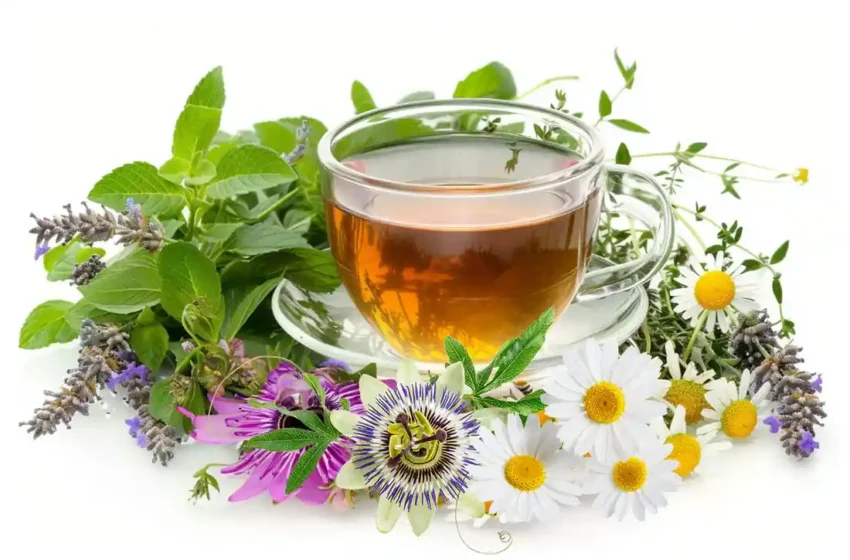
General Wellbeing Herbs: Natural Relief for Anxiety
Have you ever felt like daily stress is becoming harder to manage? You’re not alone. Modern life brings constant pressure, and many people are looking for natural ways to support their mental and physical health.
This growing interest has led to increased attention on general wellbeing herbs, which have been used for centuries in traditional healing systems around the world. Today, both researchers and wellness professionals continue to explore their potential benefits for anxiety relief, stress management, and overall wellness.
In this article, you’ll discover the most effective herbs for supporting emotional balance, how they work, their potential benefits, and practical ways to include them in your daily routine. You’ll also learn expert insights, examples, and evidence-based recommendations to help you make informed decisions.
Why General Wellbeing Herbs Are Gaining Attention
The wellness industry has seen remarkable growth in recent years. According to various health market reports, more consumers are choosing natural wellness products to complement healthy lifestyles.
The appeal of general wellbeing herbs lies in their ability to support the body’s natural balance rather than simply masking symptoms. Many herbs contain active compounds that may help regulate stress responses, promote relaxation, and improve resilience.
Moreover, people appreciate herbal remedies because they often fit easily into daily routines through teas, supplements, tinctures, and wellness drinks.
The Connection Between Stress and Overall Health
Stress affects more than just your mood. Long-term stress can influence:
- Sleep quality
- Energy levels
- Focus and concentration
- Immune function
- Digestive health
- Emotional wellbeing
As a result, addressing stress naturally can have a positive effect on multiple areas of health.
How General Wellbeing Herbs Support Anxiety Relief
Understanding how herbs work can help you choose the right options.
Many general wellbeing herbs contain plant compounds that interact with systems involved in stress regulation, relaxation, and mood support.
Adaptogens and Stress Response
Adaptogens are herbs that help the body adapt to physical and emotional stress.
Examples include:
- Ashwagandha
- Rhodiola
- Holy Basil
- Ginseng
These herbs may help maintain balance in the body’s stress-response system.
Nervine Herbs for Relaxation
Nervine herbs are traditionally used to calm the nervous system.
Popular examples include:
- Lemon Balm
- Chamomile
- Passionflower
- Lavender
These herbs are commonly used before bedtime or during stressful periods.
Mood-Supporting Botanicals
Some herbs may help promote emotional wellness and mental clarity.
For example:
- St. John’s Wort
- Saffron
- Rosemary
Research continues to explore their role in supporting healthy mood levels.
Top General Wellbeing Herbs for Daily Wellness
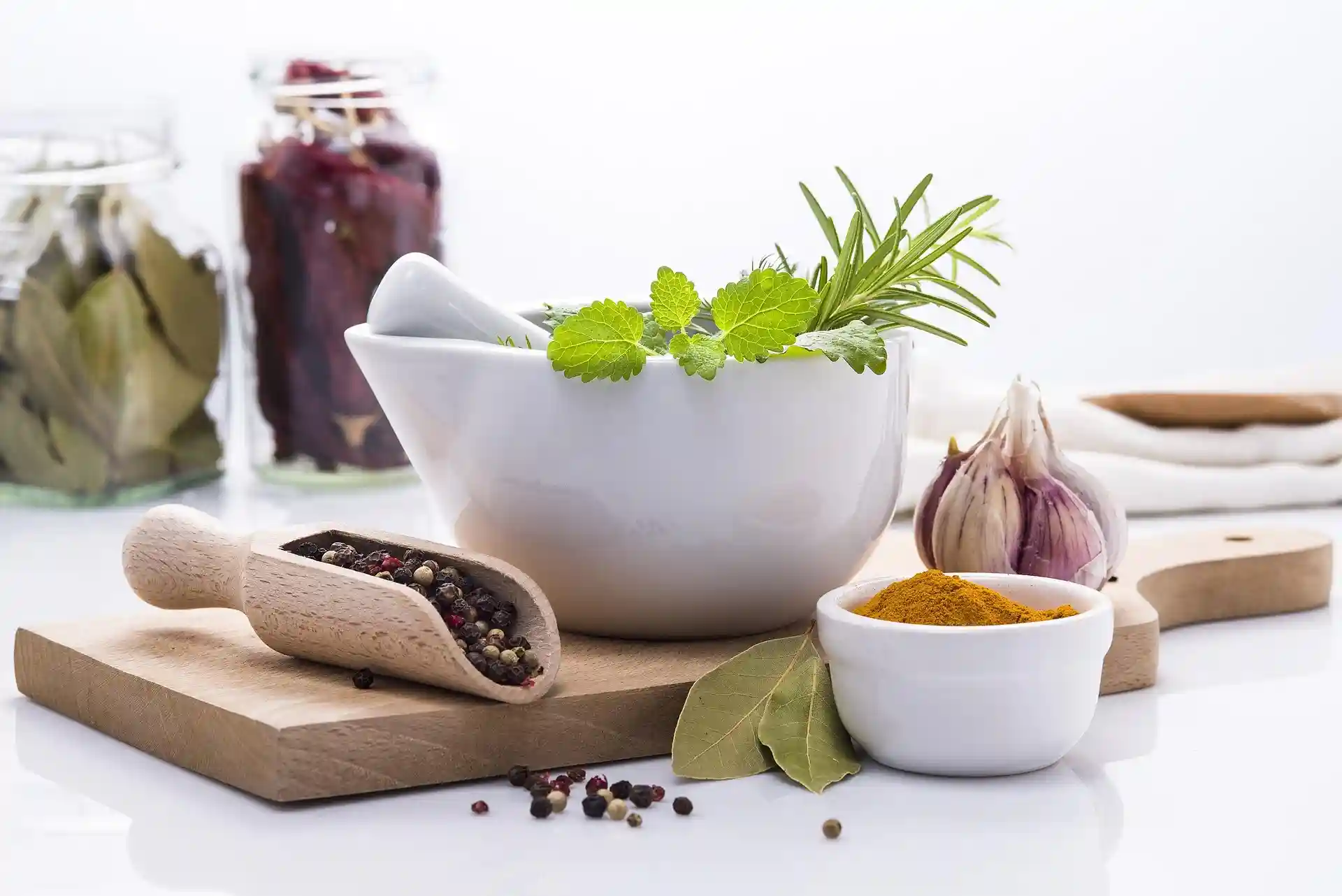
Let’s look at some of the most widely respected herbs used for overall wellbeing.
Ashwagandha: The Stress-Balance Herb
Ashwagandha has become one of the most studied adaptogens in modern wellness.
Potential benefits include:
- Reduced stress perception
- Improved sleep quality
- Better resilience
- Enhanced mental focus
Many people use it as part of a daily wellness routine rather than only during stressful periods.
Chamomile: Gentle and Calming
Chamomile is one of the world’s most recognized herbal remedies.
Its popularity comes from its mild calming properties and pleasant taste.
Benefits may include:
- Relaxation support
- Better sleep quality
- Reduced nervous tension
A warm cup of chamomile tea in the evening remains a favorite wellness habit for many people.
Lemon Balm: A Natural Mood Booster
Lemon balm belongs to the mint family and has been used for centuries.
Users often report:
- Greater calmness
- Improved concentration
- Reduced feelings of restlessness
Moreover, its refreshing flavor makes it easy to enjoy as a tea.
Lavender: More Than a Pleasant Scent
Lavender is often associated with aromatherapy, but it can also be consumed in herbal preparations.
Research suggests lavender may help:
- Promote relaxation
- Support healthy sleep
- Reduce everyday stress
Its versatility makes it a valuable addition to wellness routines.
Holy Basil: Traditional Wisdom Meets Modern Interest
Also known as Tulsi, Holy Basil has a long history in Ayurvedic medicine.
Potential wellness benefits include:
- Stress management support
- Improved mental clarity
- Enhanced emotional balance
Many experts consider it one of the most valuable herbs for overall wellness.
General Wellbeing Herbs and Better Sleep

Sleep and anxiety often influence each other.
Poor sleep can increase stress levels, while stress can make it harder to sleep.
Fortunately, several general wellbeing herbs may help support healthy sleep patterns.
Herbs Commonly Used Before Bed
Popular options include:
- Chamomile
- Valerian Root
- Passionflower
- Lavender
- Lemon Balm
These herbs are often consumed as teas or supplements approximately one hour before bedtime.
Creating a Relaxing Evening Routine
For better results, combine herbs with healthy sleep habits:
- Limit screen time
- Keep a consistent sleep schedule
- Avoid caffeine late in the day
- Practice relaxation techniques
Together, these habits can create a stronger foundation for restful sleep.
The Role of General Wellbeing Herbs in Modern Wellness
Today’s wellness professionals increasingly recognize the value of combining traditional herbal knowledge with modern health practices.
Many people use herbs alongside:
- Balanced nutrition
- Regular exercise
- Meditation
- Mindfulness
- Professional healthcare guidance
This integrated approach often produces better results than relying on a single solution.
Wellbeing Acupuncture & Herbs: A Holistic Approach
Many wellness centers now combine wellbeing acupuncture & herbs to create comprehensive programs for stress management and emotional balance.
This combination reflects a growing interest in personalized, whole-body wellness strategies that address multiple aspects of health simultaneously.
How to Choose Quality General Wellbeing Herbs
Not all herbal products offer the same quality.
Choosing reputable products is essential for safety and effectiveness.
What to Look For
Consider the following:
✔ Third-party testing
✔ Transparent ingredient lists
✔ Clear dosage information
✔ Reputable manufacturers
✔ Positive customer reviews
Red Flags to Avoid
Be cautious of products that:
- Make unrealistic claims
- Promise instant results
- Hide ingredient details
- Lack quality certifications
Trustworthy brands focus on transparency rather than exaggerated marketing.
Comparing Popular General Wellbeing Herbs
| Herb | Main Benefit | Best Time to Use |
| Ashwagandha | Stress resilience | Morning or evening |
| Chamomile | Relaxation | Evening |
| Lemon Balm | Calm focus | Afternoon or evening |
| Lavender | Stress relief | Evening |
| Holy Basil | Emotional balance | Morning |
| Passionflower | Sleep support | Before bed |
This comparison can help you identify which herb aligns best with your personal wellness goals.
Common Mistakes When Using General Wellbeing Herbs
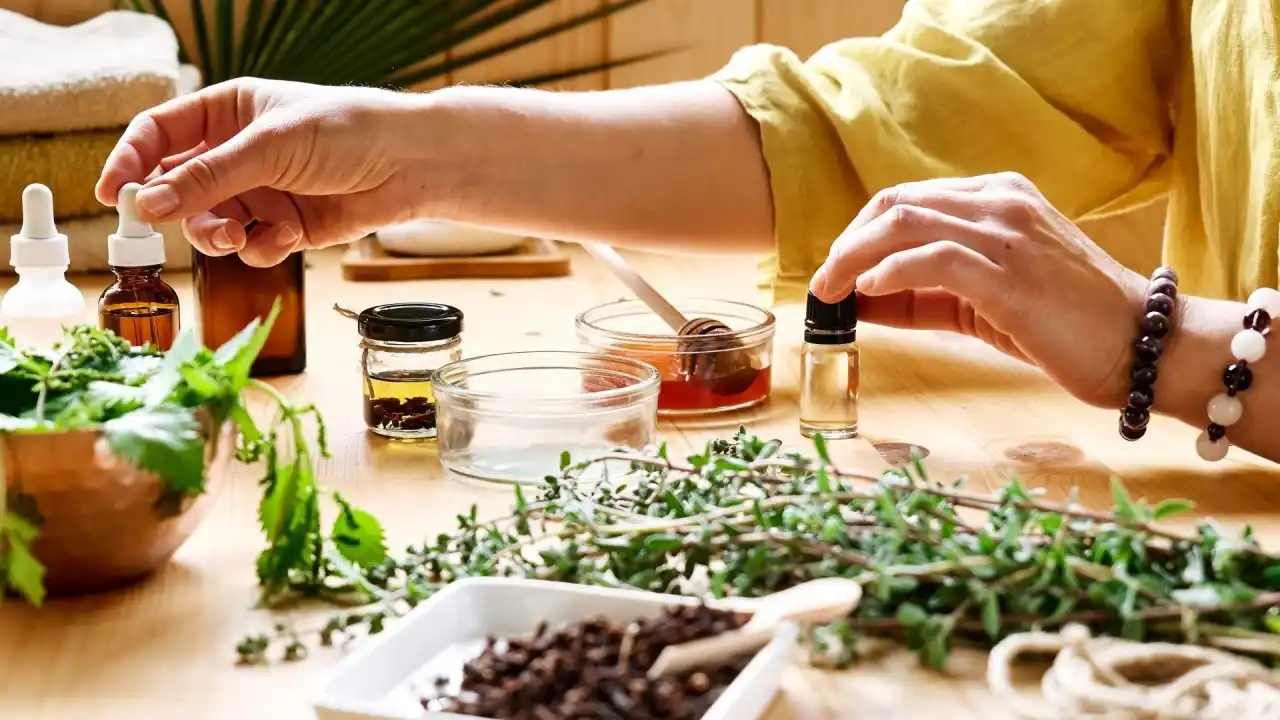
Even natural products require thoughtful use.
1. Expecting Instant Results
Most herbs work gradually over time.
Patience and consistency are important.
2. Ignoring Lifestyle Factors
Herbs work best when paired with:
- Healthy eating
- Physical activity
- Quality sleep
- Stress management practices
3. Using Too Many Products at Once
Starting with one herb at a time makes it easier to evaluate its effects.
4. Skipping Professional Advice
Individuals with medical conditions or those taking medications should consult qualified healthcare professionals before using herbal supplements.
Emerging Research on Herbal Wellness
Scientific interest in herbal medicine continues to grow.
Researchers are studying how plant compounds influence:
- Stress hormones
- Sleep regulation
- Cognitive performance
- Emotional wellbeing
- Nervous system function
Although more research is still needed, current findings are encouraging for many commonly used herbs.
Furthermore, advances in botanical science are helping experts better understand traditional herbal practices that have existed for centuries.
Practical Ways to Add General Wellbeing Herbs to Your Routine
Adding herbs to daily life can be simple.
Easy Options
Herbal Teas
- Chamomile tea
- Lemon balm tea
- Lavender tea
Capsules
Convenient for people with busy schedules.
Tinctures
Liquid extracts that can be added to water.
Wellness Blends
Many products combine multiple herbs designed to support relaxation and emotional balance.
Sample Daily Routine
Morning:
- Holy Basil tea
Afternoon:
- Lemon Balm tea
Evening:
- Chamomile tea
This gentle approach can support wellbeing throughout the day.
The Future of General Wellbeing Herbs
The future looks promising for herbal wellness.
Consumers increasingly seek natural solutions that support both mental and physical health.
At the same time, scientific research continues to validate many traditional herbal practices.
As awareness grows, we can expect:
- Better product quality
- More clinical research
- Personalized herbal recommendations
- Increased integration into wellness programs
This trend reflects a broader movement toward preventive and holistic healthcare.
Conclusion
General wellbeing herbs offer a natural and practical way to support anxiety relief, emotional balance, and overall wellness. From calming chamomile and lemon balm to powerful adaptogens like ashwagandha and Holy Basil, these plants provide diverse options for different needs.
However, the greatest benefits often come when herbs are combined with healthy habits such as good nutrition, regular movement, quality sleep, and mindfulness practices.
In short, herbs are not a magic solution, but they can become valuable allies in your wellness journey. By choosing quality products, staying consistent, and maintaining realistic expectations, you can create a balanced routine that supports both mind and body for the long term.
FAQs
What are the best general wellbeing herbs for anxiety?
Chamomile, lemon balm, lavender, ashwagandha, and Holy Basil are among the most popular herbs used to support relaxation and stress management.
How long do general wellbeing herbs take to work?
Results vary depending on the herb and individual. Some people notice benefits within days, while others experience gradual improvements over several weeks.
Can I take multiple herbs together?
Many herbal blends combine complementary herbs. However, it’s best to start slowly and seek professional guidance if you’re unsure.
Are general wellbeing herbs safe for daily use?
Many herbs are commonly used daily, but safety depends on dosage, health conditions, and medications. Consult a healthcare professional when necessary.
Do herbs replace medical treatment for anxiety?
No. Herbs can support overall wellness, but they should not replace professional medical advice, diagnosis, or treatment when needed.
⭐ Make MindLiva Your Preferred Source on Google
Get trusted health, wellness, and lifestyle articles from MindLiva.
Add MindLiva
Samie Babaei is a medical science student at Shahid Beheshti University of Medical Sciences with a strong interest in health, wellness, and medical research. As a health writer and researcher at MindLiva, she focuses on creating clear, evidence-based content that helps readers better understand health and well-being.