



Unlock Better Health with Wellbeing Acupuncture & Herbs
More people today are looking beyond conventional treatments and exploring natural ways to improve their health. Instead of focusing only on treating symptoms, many individuals want therapies that support the body as a whole. This shift has placed wellbeing acupuncture & herbs in the spotlight as an increasingly popular option for managing chronic pain, reducing stress, improving sleep quality, and enhancing everyday wellbeing.
Recent research supports this growing interest. According to data from the U.S. National Health Interview Survey, acupuncture use more than doubled between 2002 and 2022, increasing from 1% to 2.2% of U.S. adults, representing more than 7 million people. Researchers also found that acupuncture is increasingly used for pain management and overall wellness rather than only for treating illness.
This growing popularity reflects a broader shift toward integrative healthcare, where conventional medicine works alongside evidence-informed complementary therapies. Today, many healthcare providers recognize that acupuncture, herbal medicine, and general wellbeing herbs can complement standard medical treatments by supporting overall health, managing chronic conditions, enhancing recovery, promoting preventive care, and improving long-term wellness.
Understanding Wellbeing Acupuncture & Herbs
Wellbeing acupuncture & herbs combines two important pillars of traditional East Asian medicine. Acupuncture involves placing very thin, sterile needles into carefully selected points on the body. Herbal medicine uses natural plant-based formulas that are customized according to each person’s needs.
Rather than treating every patient the same way, practitioners evaluate lifestyle, sleep, digestion, stress levels, and medical history before creating a personalized treatment plan. For example, two people experiencing headaches may receive completely different acupuncture points and herbal formulas because the underlying causes are different.
The goal isn’t simply pain relief. Instead, practitioners aim to restore balance throughout the body, helping different systems work together more efficiently. Many patients report gradual improvements in energy, mood, digestion, and overall quality of life after several sessions.
How Acupuncture and Herbs Work Together
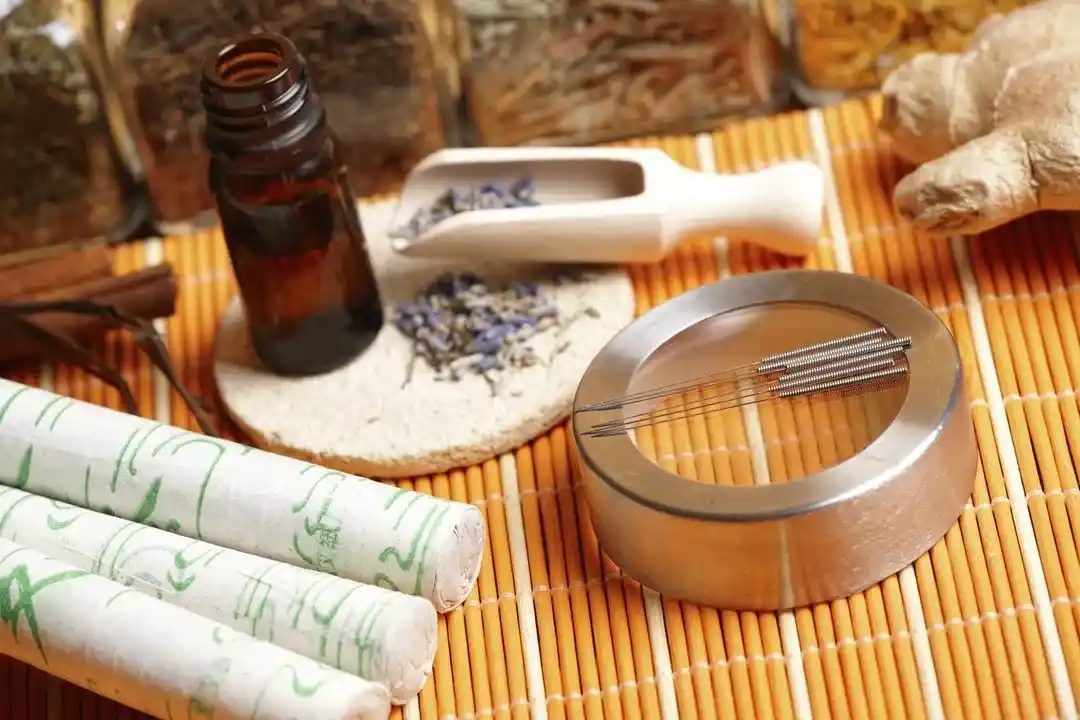
Acupuncture stimulates specific points that may influence the nervous system, circulation, and natural pain-relieving mechanisms. Herbal medicine works internally by providing carefully selected botanical ingredients that complement the body’s healing processes.
Think of acupuncture as helping “reset” communication within the body, while herbs provide long-term nutritional and therapeutic support. Together, they often create a more comprehensive treatment strategy than either therapy alone.
Some commonly used herbs include:
- Ginger for digestive comfort.
- Turmeric for its anti-inflammatory properties.
- Licorice root in carefully balanced herbal formulas.
- Ginseng for energy support.
- Astragalus for immune system support.
Professional herbal prescriptions are usually customized instead of relying on single herbs, making expert guidance especially important.
Top Benefits of Wellbeing Acupuncture & Herbs

Pain Relief
Pain remains the most common reason people seek acupuncture. Individuals with back pain, neck pain, arthritis, migraines, sports injuries, and muscle tension frequently include acupuncture as part of their treatment plan.
Unlike medications that mainly reduce symptoms temporarily, acupuncture aims to address the body’s response to pain by improving circulation, relaxing muscles, and encouraging natural healing. While results vary from person to person, many patients notice gradual improvements after several sessions.
Stress and Emotional Wellbeing
Modern life rarely slows down. Long working hours, constant digital notifications, and everyday responsibilities place enormous pressure on both physical and mental health.
Many people describe acupuncture sessions as deeply relaxing. Some even report feeling calmer before leaving the clinic. This isn’t surprising because relaxation is one of the primary reasons many patients continue regular treatments.
When combined with personalized herbal medicine, stress management becomes even more comprehensive by supporting healthy sleep, emotional balance, and energy throughout the day.
Better Sleep
Poor sleep affects nearly every aspect of health. Fatigue reduces productivity, weakens concentration, and increases stress.
People experiencing insomnia or disrupted sleep often seek wellbeing acupuncture & herbs because treatment focuses on identifying why sleep problems occur instead of simply masking them. Better sleep often leads to improved mood, stronger immunity, and greater daily energy.
Digestive Health
Digestive discomfort can significantly affect daily life. Some patients seek acupuncture for bloating, indigestion, appetite changes, or functional digestive concerns.
Herbal medicine is frequently customized to support digestion while acupuncture promotes healthy nervous system regulation that influences digestive function.
Although acupuncture is not a replacement for medical evaluation, many people appreciate its supportive role within a broader healthcare plan.
What Happens During Your First Appointment?
Your first consultation is usually much longer than a follow-up visit.
A practitioner may ask about:
- Medical history.
- Current medications.
- Sleep quality.
- Digestion.
- Stress levels.
- Diet.
- Lifestyle habits.
- Exercise routine.
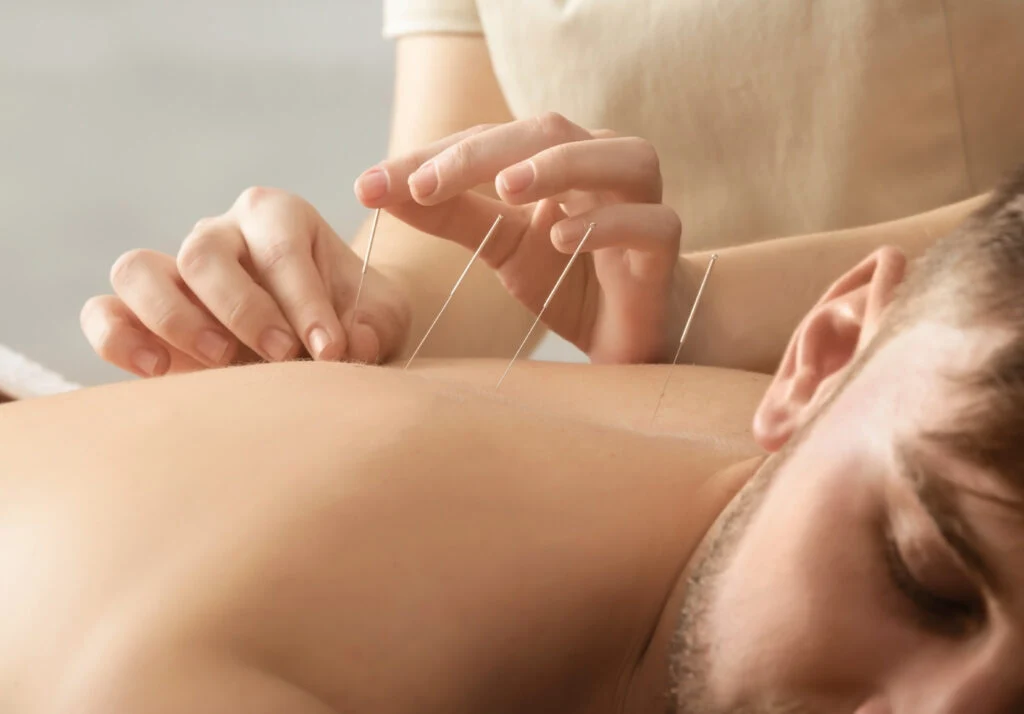
After gathering information, they create an individualized treatment strategy. Acupuncture needles are extremely thin, and many patients report feeling little or no discomfort during insertion.
Treatment sessions often last between 30 and 60 minutes, depending on individual needs.
Is Wellbeing Acupuncture & Herbs Safe?
When performed by a qualified practitioner using sterile, single-use needles, acupuncture has a strong safety profile. Minor bruising, temporary soreness, or slight bleeding may occasionally occur.
Herbal medicine also requires professional supervision because herbs may interact with prescription medications or may not be appropriate during pregnancy or for certain medical conditions.
Always inform both your physician and your acupuncture practitioner about every medication and supplement you take before beginning treatment.
Choosing a Qualified Practitioner
Not every clinic offers the same level of expertise. When selecting a provider, consider:
- Professional licensing.
- Accredited education.
- Experience treating your condition.
- Positive patient reviews.
- Clear communication.
- Personalized treatment plans.
A trustworthy practitioner will explain both potential benefits and possible limitations without making unrealistic promises.
Conclusion
Wellbeing acupuncture & herbs represent a holistic approach that continues to gain recognition worldwide. Rather than focusing on a single symptom, this combination addresses the body’s overall balance and supports long-term wellness through personalized care. Growing research and increased public interest suggest that integrative therapies are becoming an important part of modern healthcare, particularly for pain management and stress reduction.
While these therapies are not a replacement for necessary medical treatment, they can complement conventional care when provided by qualified professionals. If you’re looking for a natural strategy to improve your health, wellbeing acupuncture and herbs may be worth discussing with your healthcare provider.
FAQs
Is acupuncture good for wellbeing?
Yes. Many people use acupuncture to support stress management, pain relief, better sleep, and overall quality of life as part of a comprehensive wellness plan.
What herbs are used in acupuncture?
Common herbs include ginger, turmeric, astragalus, ginseng, licorice root, and many customized herbal combinations prescribed by trained practitioners.
Who has an acupuncture list of conditions?
Professional acupuncture organizations and healthcare providers often provide lists of conditions commonly treated. Treatment suitability depends on each individual’s health status.
Who should not do acupuncture?
People with certain bleeding disorders, active infections near treatment areas, or specific medical conditions should consult their healthcare provider before receiving acupuncture.
What are the negative effects of acupuncture?
Most side effects are mild and temporary, including slight bruising, soreness, or light bleeding. Serious complications are rare when treatment is performed by licensed professionals using sterile needles.
⭐ Make MindLiva Your Preferred Source on Google
Get trusted health, wellness, and lifestyle articles from MindLiva.
Add MindLiva
Samie Babaei is a medical science student at Shahid Beheshti University of Medical Sciences with a strong interest in health, wellness, and medical research. As a health writer and researcher at MindLiva, she focuses on creating clear, evidence-based content that helps readers better understand health and well-being.