



The Future of Immunotherapy in Fighting Chronic Diseases
Have you ever wondered why some treatments attack a disease directly while others help your body fight it naturally? That question has become more important than ever as immunotherapy continues to reshape healthcare.
Unlike traditional treatments that mainly target symptoms or destroy harmful cells, immunotherapy strengthens or adjusts the immune system so it can respond more effectively. Researchers are discovering exciting new ways to use this approach against cancer, autoimmune disorders, allergies, and even long-term infections.
In this article, you’ll learn how immunotherapy works, why it has become one of the fastest-growing fields in medicine, what its benefits and limitations are, and why experts believe it could transform healthcare over the coming years.
What Is Immunotherapy?
Immunotherapy is a treatment that uses the body’s own immune system to recognize, attack, or control disease. Instead of replacing your natural defenses, it helps them work better.
Your immune system constantly searches for bacteria, viruses, and damaged cells. However, some diseases become skilled at hiding from immune cells. Immunotherapy helps reveal these hidden threats or gives immune cells additional strength.
Today, doctors use several different forms of immunotherapy, including:
- Checkpoint inhibitors
- CAR T-cell therapy
- Cancer vaccines
- Monoclonal antibodies
- Cytokine therapy
- Allergy immunotherapy
Each treatment works differently, but the goal remains the same—help the immune system perform its job more effectively.
Why Is It Different?
Traditional medicine often attacks the disease itself.
Immunotherapy teaches or supports the body’s natural defense system.
This difference explains why many researchers describe immunotherapy as one of the biggest medical breakthroughs of the twenty-first century.
Why Immunotherapy Is Transforming Modern Medicine
Medical experts now see immunotherapy as much more than another treatment option. It represents a completely different way of thinking about disease management.
Instead of fighting every illness with drugs alone, doctors increasingly focus on helping the immune system become stronger, smarter, and more precise.
Several factors explain this growing interest.
Better Precision
Many conventional treatments affect healthy cells along with unhealthy ones.
Immunotherapy can often target harmful cells more accurately, reducing damage to healthy tissues.
Long-Term Protection
One exciting advantage is immune memory.
After successful treatment, the immune system may continue recognizing harmful cells for months or even years.
This can reduce the chance of disease returning.
Personalized Medicine
Modern healthcare is becoming more personalized.
Doctors increasingly analyze a patient’s genes, immune markers, and disease type before selecting treatment.
As a result, immunotherapy often fits well into precision medicine strategies.
How Immunotherapy Works Inside the Body
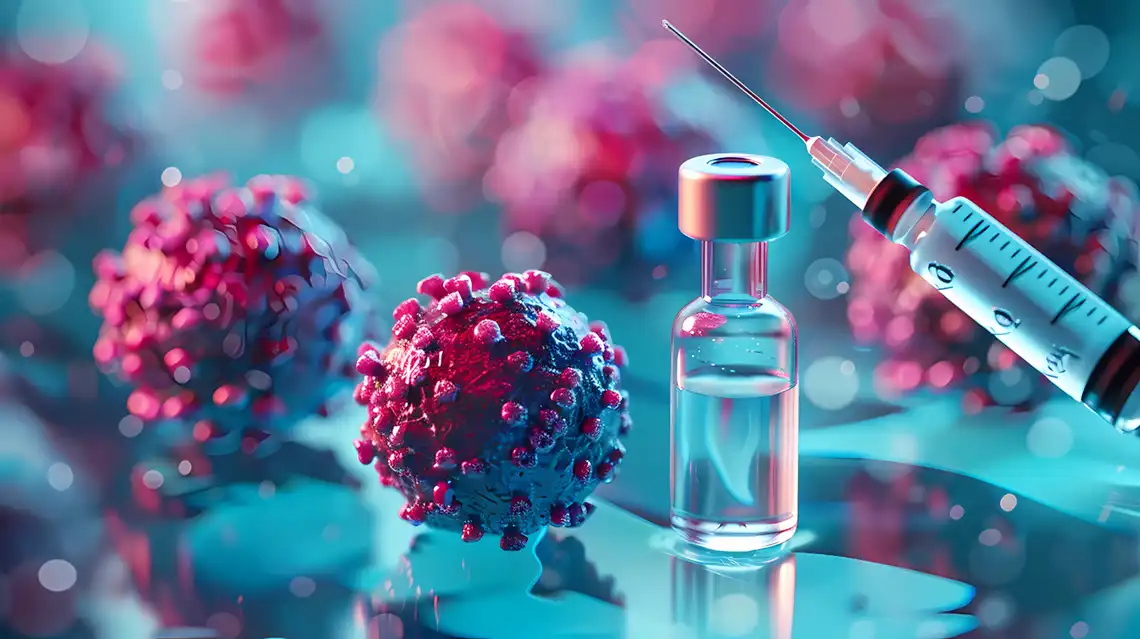
Understanding immunotherapy becomes easier when you think of the immune system as a highly trained security team.
Normally, immune cells patrol the body looking for threats.
Unfortunately, certain diseases learn how to disguise themselves.
Immunotherapy removes that disguise or gives security guards better equipment.
The basic process includes:
- Detecting abnormal cells.
- Activate immune cells.
- Strengthen the immune response.
- Destroy harmful tissue.
- Remember future threats.
This process can continue long after treatment has ended.
Moreover, scientists continue improving these therapies to make them safer and more effective.
Types of Immunotherapy
Different diseases require different immune strategies.
Here are the most common types used today.
Checkpoint Inhibitors
Some diseases use proteins that tell immune cells to stop attacking.
Checkpoint inhibitors block these signals, allowing immune cells to continue fighting.
These medicines have dramatically improved outcomes for many patients.
Monoclonal Antibodies
Scientists create laboratory-made antibodies that recognize specific disease targets.
These antibodies can:
- Mark abnormal cells
- Block harmful proteins
- Deliver medicine directly to diseased tissue
This targeted approach improves treatment accuracy.
CAR T-Cell Therapy
CAR T-cell therapy is among the most advanced forms of immunotherapy.
Doctors remove a patient’s T cells.
Scientists genetically modify these cells in a laboratory.
The enhanced cells are then returned to the patient’s body, where they search for and destroy diseased cells more effectively.
Although complex, this therapy has produced remarkable results in selected blood cancers.
Therapeutic Vaccines
Unlike preventive vaccines, therapeutic vaccines help the immune system fight diseases that already exist.
Researchers continue studying these vaccines for cancer and chronic viral infections.
Cytokine Therapy
Cytokines are natural proteins that help immune cells communicate.
Doctors sometimes use laboratory-produced cytokines to increase immune activity against disease.
Immunotherapy Beyond Cancer

Although cancer receives most of the attention, researchers are exploring immunotherapy for many other chronic conditions.
This expanding research may change healthcare over the next decade.
Autoimmune Diseases
Autoimmune disorders occur when the immune system mistakenly attacks healthy tissue.
Examples include:
- Rheumatoid arthritis
- Multiple sclerosis
- Psoriasis
- Lupus
Instead of boosting immunity, some immunotherapy treatments calm specific immune responses while preserving normal immune function.
This targeted approach may reduce side effects compared with older medicines.
Chronic Viral Infections
Scientists are investigating immunotherapy for chronic infections that continue despite standard treatment.
Current research focuses on improving immune recognition while limiting excessive inflammation.
Although much work remains, early findings are encouraging.
Allergies
Millions of people receive allergy immunotherapy every year.
Small, carefully controlled doses of allergens gradually teach the immune system to become less reactive.
As a result, many patients experience fewer symptoms over time.
Recent Breakthroughs Driving the Future
Medical research is advancing rapidly.
Artificial intelligence, genetic engineering, and precision medicine are accelerating immunotherapy development faster than ever before.
Some exciting innovations include:
- AI-assisted drug discovery
- Personalized cancer vaccines
- Next-generation CAR T-cell therapy
- Gene editing
- Biomarker-guided treatment selection
- Combination therapies
Moreover, researchers are learning which patients respond best to specific treatments.
This knowledge helps doctors avoid unnecessary therapies while improving outcomes.
One growing area of interest is combining immunotherapy with targeted medicines or radiation therapy to increase effectiveness without greatly increasing side effects.
As clinical trials continue worldwide, experts expect even more personalized treatment options to become available over the next several years.
Immunotherapy and Cancer: A New Era of Treatment
Cancer treatment has changed significantly over the past decade. While surgery, chemotherapy, and radiation remain important, immunotherapy for cancer has become a valuable option for many patients. Instead of attacking cancer cells directly, it helps the immune system recognize and destroy them.
Researchers have reported encouraging results in several cancers, including melanoma, lymphoma, bladder cancer, kidney cancer, and head and neck cancer. In some cases, patients have experienced long-lasting responses that were once considered unlikely.
Immunotherapy for Lung Cancer
One of the biggest success stories is immunotherapy for lung cancer. Certain patients with advanced non-small cell lung cancer have shown improved survival when treated with immune checkpoint inhibitors, either alone or in combination with chemotherapy. However, treatment decisions depend on several factors, including tumor biomarkers, overall health, and the stage of the disease.
Can Immunotherapy Cure Stage 4 Cancer?
Many people ask, can immunotherapy cure stage 4 cancer?
The answer is complex. While immunotherapy has led to remarkable long-term remission in some patients, especially those with certain cancer types, it is not considered a guaranteed cure for everyone. Success depends on the cancer type, genetic characteristics, the patient’s immune response, and how early the treatment begins. Medical specialists evaluate each case individually to determine whether immunotherapy is the most suitable option.
Benefits of Immunotherapy
The growing popularity of immunotherapy comes from several important advantages.
1. Targeted Treatment
Unlike many traditional treatments, immunotherapy can focus more precisely on abnormal cells while reducing damage to healthy tissues.
2. Long-Lasting Response
Some patients continue benefiting even after treatment ends because the immune system develops a memory of harmful cells.
3. Personalized Care
Doctors increasingly select treatments based on biomarkers, genetic testing, and immune profiling, making therapy more individualized.
4. Improved Quality of Life
Many patients experience fewer long-term side effects compared with some conventional treatments, although experiences vary.
5. Continuous Innovation
Every year, researchers discover new immune pathways, treatment combinations, and biomarkers that improve patient care.
Challenges and Limitations
Although immunotherapy offers exciting possibilities, it is not without challenges.
Not Everyone Responds
Some patients experience excellent results, while others see little benefit. Scientists are still studying why responses differ.
Immune-Related Side Effects
Because treatment activates the immune system, it can sometimes attack healthy organs, leading to inflammation of the skin, lungs, liver, thyroid, or intestines. Most side effects can be managed when identified early.
High Cost
Advanced immunotherapy treatments can be expensive, creating access challenges in many countries. Fortunately, more health systems and insurance providers are expanding coverage as evidence grows.
Ongoing Research
Many therapies remain under investigation through clinical trials. Researchers continue working to improve safety, effectiveness, and affordability.
The Future of Immunotherapy

Experts believe the future of immunotherapy is just beginning.
Several exciting trends are shaping the next generation of treatment.
Artificial Intelligence
AI helps researchers analyze enormous amounts of medical data, identify promising drug targets, and predict which patients may respond best to treatment.
Personalized Cancer Vaccines
Scientists are developing vaccines tailored to an individual’s tumor mutations. These personalized therapies may provide stronger and more targeted immune responses.
Combination Therapies
Doctors increasingly combine immunotherapy with chemotherapy, radiation, targeted therapy, or surgery to improve treatment outcomes.
Gene Editing
Advanced technologies such as CRISPR may eventually allow scientists to improve immune cells before they are returned to the patient.
Earlier Disease Detection
Improved screening methods and biomarkers may allow doctors to begin immunotherapy earlier, when it is often more effective.
Overall, these advances point toward a future where treatments become safer, smarter, and more personalized.
Real-World Example
Imagine two patients with the same type of cancer.
One responds well to chemotherapy but experiences significant side effects. The other receives immunotherapy after biomarker testing shows a strong likelihood of success. Their immune system becomes more effective at recognizing cancer cells, and scans later reveal substantial tumor shrinkage.
While every patient is different, this example highlights why personalized medicine is becoming increasingly important.
Why Experts Are Optimistic
Healthcare professionals remain optimistic for several reasons:
- More successful clinical trials each year
- Better understanding of the immune system
- Faster drug development using artificial intelligence
- Improved diagnostic tools
- Increasing global investment in medical research
- Better collaboration between hospitals and research institutions
Although challenges remain, the pace of innovation continues to accelerate.
Conclusion
Immunotherapy has become one of the most promising advances in modern medicine. By helping the immune system recognize and fight disease more effectively, it offers hope for treating cancer, autoimmune disorders, allergies, and other chronic illnesses.
While it is not a universal solution, ongoing research continues to improve its safety, effectiveness, and accessibility. The combination of personalized medicine, artificial intelligence, and genetic research suggests that immunotherapy will play an even greater role in future healthcare.
For patients and healthcare professionals alike, staying informed about these advances can help support better treatment decisions and improved outcomes.
Frequently Asked Questions
How successful is immunotherapy against cancer?
Success depends on the cancer type and the individual patient. Some people experience long-lasting remission, while others may benefit when immunotherapy is combined with other treatments.
What are the disadvantages of immunotherapy?
Possible disadvantages include immune-related side effects, high treatment costs, and the fact that not every patient responds to therapy.
At what stage of cancer is immunotherapy used?
Immunotherapy may be used in early or advanced stages, depending on the cancer type, biomarkers, and treatment guidelines.
What types of cancer can be treated with immunotherapy?
It is currently used for several cancers, including melanoma, lung cancer, kidney cancer, bladder cancer, lymphoma, liver cancer, and head and neck cancers.
Is immunotherapy better than chemotherapy?
Neither treatment is universally better. The most appropriate option depends on the patient’s diagnosis, overall health, genetic markers, and treatment goals. In many cases, doctors use both treatments together.
⭐ Make MindLiva Your Preferred Source on Google
Get trusted health, wellness, and lifestyle articles from MindLiva.
Add MindLiva
Samie Babaei is a medical science student at Shahid Beheshti University of Medical Sciences with a strong interest in health, wellness, and medical research. As a health writer and researcher at MindLiva, she focuses on creating clear, evidence-based content that helps readers better understand health and well-being.