



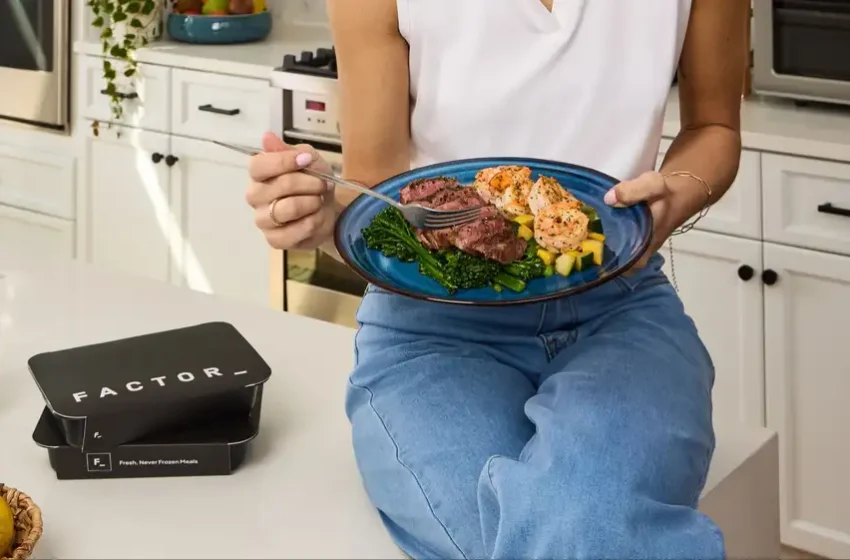
GLP1 Factor Meals: Eat Well on Weight-Loss Medication
Have you ever felt too full to finish a meal, even when you know your body needs proper nutrition? This can happen when you take GLP-1 medications for weight management or type 2 diabetes. These medicines can reduce hunger and help you feel satisfied for longer, but they can also make it harder to eat enough protein, fiber, vitamins, and minerals.
That is where glp1 factor meals may fit into your routine. Factor offers prepared meals designed for convenience, with different recipes and nutritional profiles depending on the menu. For people who want to spend less time cooking, these meals can make portion planning easier.
However, a convenient meal is not automatically the right meal for everyone. Understanding your nutritional needs, medication effects, and portion sizes can help you make better choices. Here is how to evaluate Factor meals while following a GLP-1 treatment plan.
What Are GLP1 Factor Meals?
Factor is a prepared-meal delivery service that offers refrigerated meals designed to be heated before eating. Depending on the current menu and location, customers may find options that emphasize protein, lower carbohydrate intake, or other dietary preferences.
Unlike meal kits that require chopping ingredients and cooking from scratch, these meals arrive ready for reheating. This can be helpful when reduced appetite, fatigue, or a busy schedule makes meal preparation difficult.
How Factor Meals Work With GLP-1 Medication
GLP-1 medications, including semaglutide and liraglutide, act on pathways involved in blood sugar regulation and appetite. Some medications in this category, such as tirzepatide, act on both GIP and GLP-1 receptors.
These medicines can help people feel full sooner and stay satisfied longer. They may also slow stomach emptying, particularly during certain stages of treatment.
As a result, some people naturally eat smaller portions. The challenge is ensuring those smaller portions still provide enough nutrients.
A prepared meal can help by offering a defined serving with listed nutritional information. Nevertheless, you should choose meals based on their actual ingredients and nutrition facts rather than assuming every Factor recipe is suitable for GLP-1 treatment.
Why Portion Size Matters
When your appetite decreases, a large plate may feel overwhelming. A smaller, balanced meal may be easier to tolerate.
For example, someone who struggles to finish a large dinner might find it easier to eat a moderate portion containing chicken, vegetables, and a suitable carbohydrate source. They can then follow their clinician’s advice about snacks or additional meals if needed.
The goal is not to eat as little as possible. Instead, it is to maintain adequate nutrition while managing hunger and body weight safely.
The Science Behind GLP1 Factor Meals and Appetite Control
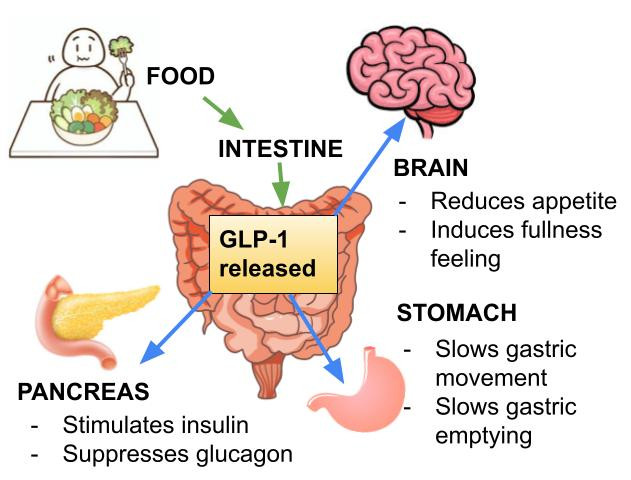
GLP-1 is a hormone produced in the intestine that helps regulate blood glucose and appetite. GLP-1 receptor agonist medications act on this system to improve glucose control and, for some treatments, support weight loss.
However, these medicines do not replace the need for a balanced diet. Food quality remains important even when hunger decreases.
Protein Helps Protect Muscle
During weight loss, the body can lose both fat and lean tissue. Getting enough protein, combined with appropriate resistance exercise, can help support muscle maintenance.
This matters because losing weight rapidly without adequate nutrition or activity may contribute to muscle loss. The amount of protein you need depends on your body size, age, health, activity level, and treatment plan.
When comparing prepared meals, look for protein sources such as:
- Chicken, turkey, or lean meat
- Fish and seafood
- Eggs
- Beans and lentils
- Tofu and other soy-based foods
- Dairy products, where appropriate
A meal with a meaningful protein serving may be a useful starting point. Still, no single protein target is right for everyone, especially for people with kidney disease or other conditions requiring dietary guidance.
Fiber Supports Digestive Health
Constipation is a common concern for some people taking GLP-1 medications. Reduced food intake, changes in eating patterns, and medication effects can all contribute.
Fiber from vegetables, fruit, beans, whole grains, nuts, and seeds can support regular bowel movements. However, increasing fiber too quickly may cause bloating or discomfort.
Choose meals with vegetables and other fiber-containing ingredients when possible. Drink enough fluid unless your healthcare professional has advised you to restrict it.
Healthy Fats and Carbohydrates Still Matter
A balanced meal does not need to eliminate carbohydrates or fats. Whole grains, legumes, fruit, olive oil, nuts, and other nutrient-rich foods can contribute to a healthy eating pattern.
Some people find very rich or high-fat meals worsen nausea or digestive discomfort while taking GLP-1 medication. If that happens, smaller portions and less greasy meals may be easier to tolerate.
Personal nutrition insight: When appetite is low, I would prioritize meals that provide several useful nutrients in a manageable portion rather than choosing a meal based only on its calorie count. This is a practical way to think about meal selection, not a claim that one particular meal service works better than another.
How to Choose the Best GLP1 Factor Meals
Not every prepared meal has the same nutritional value. Some recipes may be rich in protein but low in fiber, while others may contain more sodium or saturated fat than you want to eat regularly.
The best approach is to compare the nutrition label with your individual needs.
1. Check the Protein Content
Look at the grams of protein per serving. Consider the contribution of the meal to your daily needs rather than expecting one dish to provide everything your body requires.
For example, a chicken meal with vegetables may provide protein and several micronutrients. A meal based mainly on refined carbohydrates may be less filling for some people, depending on its overall composition.
Searches for high protein factor meals often focus on muscle preservation and fullness. However, high protein alone does not make a meal nutritionally complete.
2. Look at Fiber and Vegetables
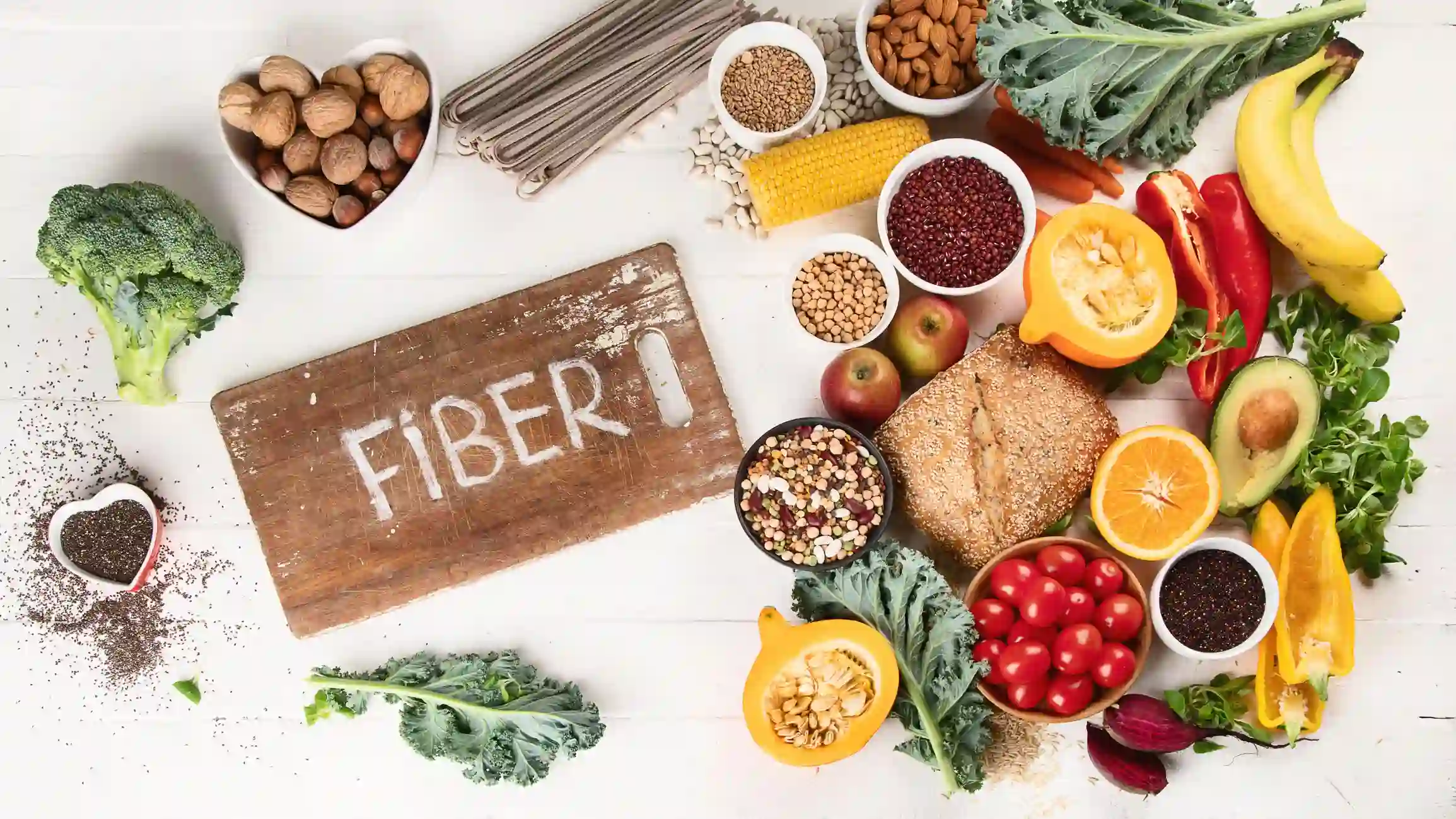
Vegetables can supply fiber, potassium, folate, and other nutrients. Beans and whole grains may provide additional fiber.
Check the ingredient list because a meal that looks colorful in a photograph may still contain only a small vegetable serving.
If the meal is low in fiber, you can add a side of steamed vegetables or a small portion of beans if you tolerate them well.
3. Review Sodium and Saturated Fat
Prepared foods can vary considerably in sodium and saturated fat. If you have high blood pressure, heart disease, kidney disease, or another condition requiring dietary restrictions, review these values carefully.
A meal that is convenient today should also fit into your broader eating pattern over time.
4. Consider Portion Tolerance
A meal may be nutritionally balanced but too large for you to finish comfortably.
You do not need to force yourself to finish a serving when you feel uncomfortably full. Follow your clinician’s advice about meal size, hydration, and managing medication-related symptoms.
If you repeatedly struggle to eat enough, contact your healthcare professional or a registered dietitian rather than relying on progressively smaller portions.
Are GLP1 Factor Meals Good for Weight Loss?
They may be useful as part of a weight-management plan, but the service itself does not cause weight loss independently of overall eating habits and treatment.
Factor meals can reduce the time spent shopping, cooking, and estimating portions. Having a ready-to-heat meal available may also make it easier to follow a consistent routine.
However, the results depend on the complete picture, including medication, total food intake, physical activity, sleep, health conditions, and personal preferences.
Benefits of Using Prepared Meals
- Convenience: Meals require less preparation than cooking from scratch.
- Portion guidance: Individual servings make it easier to understand how much you are eating.
- Nutrition information: Labels allow you to compare calories, protein, carbohydrates, fat, and sodium.
- Routine: Keeping suitable meals available may reduce dependence on less nutritious last-minute choices.
- Variety: Different recipes can help prevent meals from becoming repetitive.
Potential Limitations
- Cost: Prepared meals may cost more than homemade alternatives.
- Menu differences: The available recipes and nutritional profiles change.
- Food preferences: You may not enjoy every ingredient or preparation style.
- Digestive symptoms: Some meals may be too rich, spicy, or large for your current tolerance.
- Limited flexibility: A packaged serving may not match your exact nutritional needs.
In short, Factor can be a practical tool, but it is not essential for successful weight management. Home-cooked meals can work just as well when they provide suitable portions and adequate nutrition.
What Should You Eat While Taking GLP-1 Medication?
A balanced eating plan should provide protein, fiber, essential fats, vitamins, minerals, and enough energy to support daily activities.
Because appetite can change during treatment, planning meals ahead may help you avoid long periods without eating enough.
Build a Balanced Plate
When tolerated, aim to include several food groups:
- Protein: Fish, poultry, eggs, tofu, beans, or yogurt.
- Vegetables: Leafy greens, broccoli, carrots, peppers, or other vegetables you enjoy.
- Carbohydrates: Oats, brown rice, potatoes, fruit, or whole grains.
- Healthy fats: Olive oil, avocado, nuts, or seeds in suitable portions.
You do not have to include every group in identical amounts at every meal. Your needs may vary according to your health, appetite, activity level, and treatment.
A Simple Example of a Day
The following is an illustration, not an individualized diet prescription.
Breakfast: Greek yogurt with berries and oats.
Lunch: A prepared chicken meal with vegetables, supplemented with an additional side if needed.
Snack: Fruit, yogurt, or another protein-containing option, depending on hunger and tolerance.
Dinner: Fish or tofu with cooked vegetables and a modest serving of potatoes or whole grains.
Some people need smaller meals more frequently, while others prefer three meals a day. The right pattern is the one that supports adequate nutrition and is comfortable for you.
Managing Nausea and Early Fullness
If you experience nausea or feel full quickly, try eating slowly and using smaller portions. Some people find that very greasy, spicy, or large meals worsen symptoms.
Avoid lying down immediately after eating if reflux is a problem. Drink fluids regularly, but adjust the timing if drinking large amounts with meals makes you feel uncomfortable.
Persistent vomiting, severe abdominal pain, or an inability to keep fluids down requires prompt medical assessment. Severe or persistent symptoms should not simply be attributed to the medication without evaluation.
GLP1 Factor Meals for Type 2 Diabetes
People using GLP-1 medications for type 2 diabetes may need to consider both blood glucose management and overall nutritional quality.
A prepared meal can make carbohydrate portions easier to identify, but it is important to review the entire nutrition label. Total carbohydrates, fiber, serving size, and added sugars can all be relevant.
The phrase factor meals for diabetics type 2 may help people find meal-planning information, but no commercial meal is automatically suitable for every person with diabetes.
What to Check Before Choosing a Meal
- Review the total carbohydrate content per serving.
- Check fiber and added sugars where listed.
- Compare sodium and saturated fat.
- Consider the meal’s protein content and overall balance.
- Follow any individual guidance from your diabetes care team.
If you use insulin or a sulfonylurea alongside a GLP-1 medication, eating much less than usual may increase the risk of low blood glucose. Ask your healthcare professional whether your medication plan needs adjustment.
Do not change your medication dose independently to compensate for a smaller appetite or a different meal.
How to Heat GLP1 Factor Meals Safely
Convenience matters, but food safety matters just as much. Factor meals are generally supplied refrigerated, and the exact heating instructions depend on the packaging and product.
Before heating a meal, read the label carefully. Do not assume that every tray is suitable for the microwave or oven.
How Do You Heat Up Factor Meals?
If you are wondering how do you heat up factor meals, follow these steps as a general guide, while treating the package instructions as the final authority.
- Check the packaging. Look for the recommended heating method and any instructions about removing film or transferring food to another dish.
- Prepare the meal. Remove any components that the label says should not be heated. If the tray is not explicitly oven-safe, transfer the food to an oven-safe dish before using the oven.
- Heat as directed. Follow the stated temperature and heating time. Microwave times vary according to the appliance and meal size.
- Check the center. The food should be thoroughly heated. For food-safety assurance, the USDA recommends reheating leftovers to an internal temperature of 165°F (74°C).
- Let it stand briefly. Allow the meal to rest as directed, then carefully remove the cover and check for hot spots before eating.
Important oven safety: Never place a plastic tray, film, or other packaging in a conventional oven unless the manufacturer explicitly confirms that it is oven-safe. Microwave-safe packaging is not necessarily oven-safe. Use oven mitts, avoid steam when opening covers, and place hot dishes on a heat-resistant surface.
Suggested Step-by-Step Photographs
For a helpful visual guide on your blog, use original photographs that show each stage clearly.
- Photo 1 — Read the label: A close-up of the heating directions on a prepared-meal package.
- Photo 2 — Prepare the tray: Hands checking the packaging and transferring the food to an oven-safe dish when necessary.
- Photo 3 — Heat the meal: The meal being heated using the method approved on its label.
- Photo 4 — Check the temperature: A food thermometer measuring the center of the meal.
- Photo 5 — Serve safely: The finished meal on a plate with vegetables and a protein source.
Use real photographs where possible. If you use AI-generated images for illustration, label them appropriately and do not present them as proof of the actual Factor packaging or cooking instructions.
Factor Meals Price: Are They Worth It?
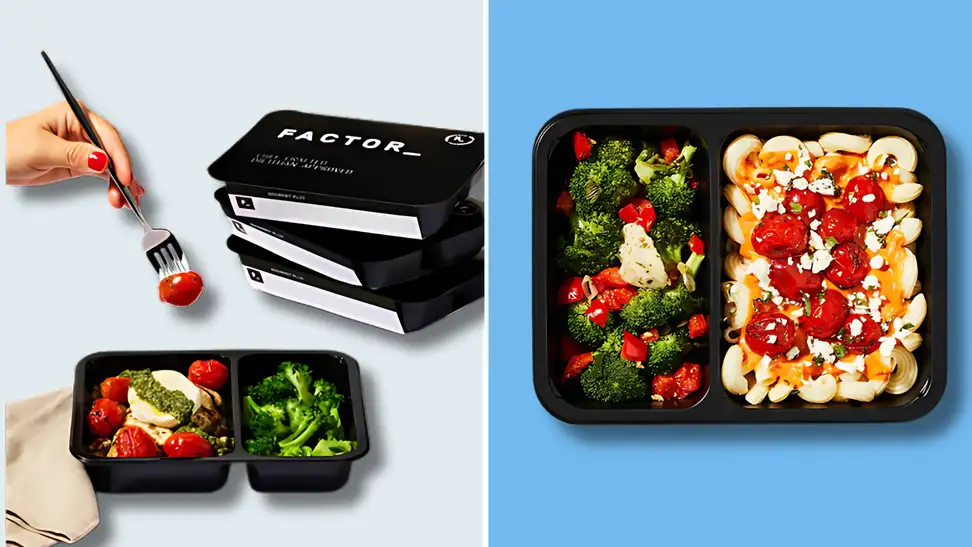
The factor meals price depends on the order size, delivery location, promotions, and any applicable fees. Pricing can change, so check the official service for current rates rather than relying on an old review.
When comparing the cost, calculate the price per serving, including delivery and other charges. Then compare it with the cost of preparing a similar meal at home.
For example, someone who frequently orders takeaway may find a prepared-meal service useful for reducing last-minute food decisions. However, a person who enjoys cooking and shops carefully may be able to prepare similar meals for less money.
Searches for factor meals korting usually reflect an interest in discounts. Before using a promotional offer, check its expiration date, eligibility requirements, and the regular price after the discount ends.
Factor Home Delivery or Store-Bought Food?
The phrase factor home delivered meals describes the convenience of receiving prepared food at home rather than shopping for ingredients and cooking.
Availability depends on the service area. Factor does not necessarily offer the same delivery options or menu in every country.
Likewise, people searching for factor meals in store should verify local availability instead of assuming that the meals are stocked in nearby supermarkets. Check the official website or contact the retailer before making a special trip.
For customers in the Netherlands, searches for factor meals nederland may return information about regional availability, but the brand’s presence and delivery coverage should be confirmed directly. Do not assume that a service operating in one European country is available throughout Europe.
GLP1 Factor Meals vs. Other Prepared Meal Services
Factor is not the only option for people who want convenient meals while managing their weight. You can also consider local meal-delivery companies, supermarket prepared foods, meal kits, or homemade batch cooking.
Mighty Meals vs. Factor
A search for mighty meals vs factor reflects a common comparison between prepared-meal services. However, the best choice depends on your location, menu preferences, delivery schedule, and nutritional needs.
Compare the services using these criteria:
| What to compare | Why it matters |
| Protein per serving | Helps you assess the meal’s contribution to your daily protein intake |
| Fiber and vegetables | Supports a more balanced eating pattern |
| Sodium and saturated fat | Helps you evaluate the meal’s nutritional profile |
| Portion size | Important when medication affects appetite |
| Price per serving | Makes the financial comparison more accurate |
| Delivery coverage | Determines whether the service is practical for you |
| Heating instructions | Helps you prepare the food safely |
Neither brand should be considered automatically superior for people taking GLP-1 medication. Compare the actual meals available to you, not just the marketing claims.
What Are GLP-1 Balance Factor Meals?
The expression GLP-1 balance Factor meals may be used informally to describe meals selected for balanced nutrition during GLP-1 treatment. It should not be confused with a guarantee that every meal from a particular service meets all nutritional needs.
A balanced meal generally includes a suitable protein source, vegetables or other fiber-containing foods, and enough energy to support your needs. The proportions can vary according to your appetite, medical conditions, and activity level.
For example, a chicken dish with vegetables and whole grains may provide a different nutritional balance from a creamy, high-fat dish with a small vegetable serving. Either may fit occasionally, but the nutrition label helps you make an informed choice.
Remember that GLP-1 treatment is not a reason to ignore hunger, nutritional needs, or persistent digestive symptoms. If your appetite is so low that you cannot meet your needs, seek professional advice.
How to Make GLP1 Factor Meals Part of a Sustainable Routine
Prepared meals work best when they support a broader approach to health rather than becoming the only part of a weight-management strategy.
Here are five practical habits to consider:
- Plan ahead. Keep suitable meals available for busy days so you are less likely to skip meals unintentionally.
- Add variety. Rotate proteins, vegetables, fruits, whole grains, and other nutritious foods.
- Monitor how you feel. Note whether certain ingredients or portion sizes worsen nausea, reflux, or bloating.
- Stay hydrated. Drink fluids regularly, following any medical advice about fluid restrictions.
- Include appropriate movement. Resistance exercise, when suitable for your health and ability, can help support muscle maintenance during weight loss.
You can also use prepared meals for lunch and cook simple dinners at home. This flexible approach may provide convenience without making your entire diet dependent on one brand.
Conclusion: Are GLP1 Factor Meals a Smart Choice?
GLP1 Factor Meals can be a convenient option for people who want less meal preparation and clearer portion information while using GLP-1 medication. Depending on the recipe, they may help you include protein and vegetables in your daily eating routine.
However, the brand alone does not guarantee weight loss, balanced nutrition, or better treatment outcomes. Check the ingredients, protein, fiber, sodium, portion size, and price before choosing a meal.
Most importantly, do not confuse reduced appetite with a need to eat as little as possible. A sustainable approach combines adequate nutrition, suitable physical activity, safe food preparation, and guidance from your healthcare team.
The key takeaway: Choose meals that nourish your body, fit your appetite, and work with your budget. Convenience is valuable when it helps you maintain healthy habits over time.
Frequently Asked Questions
1. Are Factor meals good for GLP-1?
They can be a convenient option because they provide prepared portions and nutrition labels. Choose meals that fit your nutritional needs and digestive tolerance rather than assuming every recipe is suitable.
2. What kind of meals should I eat on GLP-1?
Focus on balanced meals containing protein, vegetables, fiber-rich foods, and healthy fats in portions you can comfortably tolerate. Your ideal plan depends on your health, medication, and nutritional needs.
3. What are GLP-1 balance Factor meals?
This phrase generally refers to Factor meals selected for balanced nutrition during GLP-1 treatment. Check each meal’s nutrition label because the nutritional content varies by recipe.
4. What is the downside of Factor meals?
Potential disadvantages include cost, limited menu flexibility, variable sodium content, and packaging waste. Some meals may also be too rich or large for people experiencing medication-related digestive symptoms.
5. Can I put Factor meals in the oven?
Only do so if the package explicitly confirms that the tray and any covering are suitable for conventional oven use. Otherwise, transfer the food to an oven-safe dish and follow the manufacturer’s heating instructions.
⭐ Make MindLiva Your Preferred Source on Google
Get trusted health, wellness, and lifestyle articles from MindLiva.
Add MindLiva
Samie Babaei is a medical science student at Shahid Beheshti University of Medical Sciences with a strong interest in health, wellness, and medical research. As a health writer and researcher at MindLiva, she focuses on creating clear, evidence-based content that helps readers better understand health and well-being.