



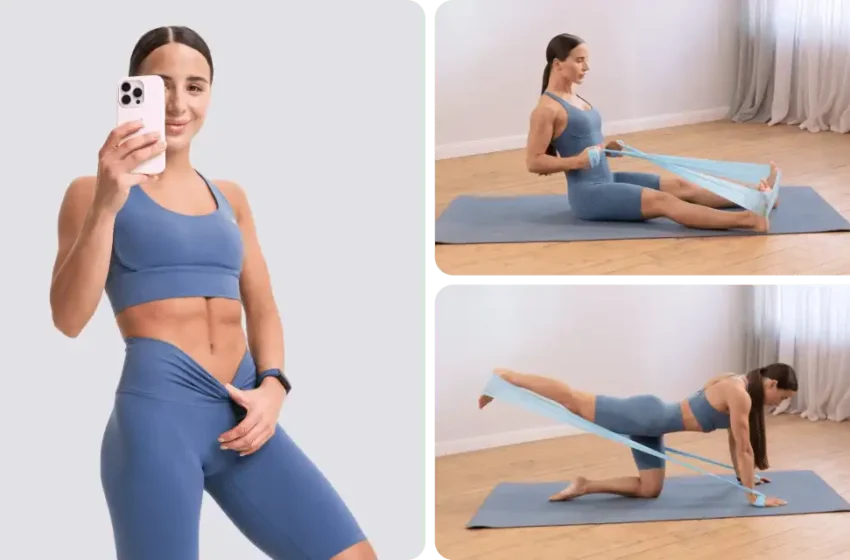
Pilates Body Transformation: Sculpt, Tone, and Strengthen
Have you ever looked at someone with long, lean muscles, excellent posture, and effortless movement and wondered how they achieved that physique? Surprisingly, many of those people don’t spend countless hours lifting heavy weights. Instead, they rely on one of the world’s most effective exercise systems—Pilates.
The idea of a Pilates Body Transformation has become increasingly popular because it focuses on improving the body from the inside out. Rather than simply chasing weight loss, Pilates develops functional strength, flexibility, balance, and core stability simultaneously. This creates a healthier body that not only looks athletic but also moves efficiently throughout everyday life.
Whether your goal is to tone your muscles, reduce body fat, improve posture, recover after pregnancy, or simply feel stronger, Pilates offers a sustainable path toward long-term fitness. Throughout this guide, you’ll discover exactly how Pilates changes the body, how long results typically take, and what habits maximize your transformation.
What Is Pilates Body Transformation?
A Pilates Body Transformation refers to the gradual physical and mental improvements that occur through consistent Pilates practice. Unlike fitness programs focused solely on calorie burning, Pilates emphasizes quality of movement. Every exercise strengthens the muscles while improving flexibility, breathing, balance, and body awareness.
Joseph Pilates originally designed this training method to help people move more efficiently and avoid injuries. Decades later, research continues to support its effectiveness for improving muscular endurance, posture, and overall physical function.
One of the biggest differences between Pilates and many traditional workouts is that progress is measured in multiple ways. Yes, your body becomes leaner and more toned, but you’ll also notice better coordination, fewer aches and pains, improved flexibility, and increased confidence in everyday movement.
Many beginners are surprised that slower, controlled movements can feel more challenging than fast-paced workouts. The reason is simple: Pilates activates deep stabilizing muscles that often remain underused during daily activities. These muscles support your spine, improve posture, and create a solid foundation for every movement.
As your body adapts, you’ll begin noticing subtle changes. Clothes fit differently, standing becomes easier, and movements feel smoother. These improvements eventually develop into visible muscle definition, stronger abdominal muscles, and a more balanced physique.
Why Pilates Creates Lasting Results
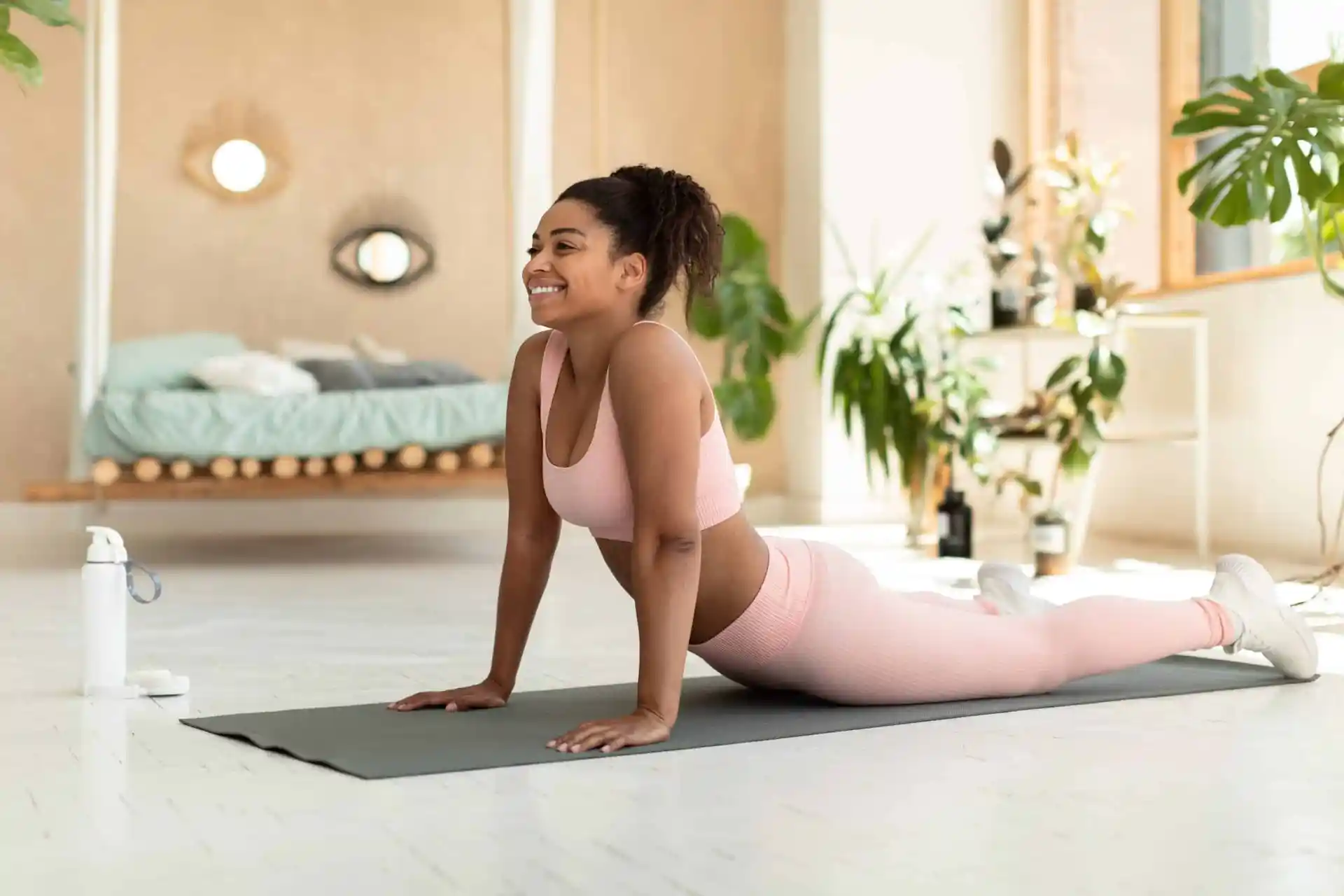
Quick fitness trends often promise dramatic transformations within a few weeks, but many fail because they aren’t sustainable. Pilates takes a different approach by focusing on consistent improvement rather than extreme intensity.
Every session challenges your body through controlled resistance, precise movement patterns, and mindful breathing. Instead of overwhelming your joints, Pilates gradually strengthens muscles while improving flexibility. This balanced approach allows many people to stay consistent for years rather than months.
Another reason Pilates produces lasting results is that it teaches movement awareness. Once you learn proper posture and alignment, you naturally carry those habits into everyday life. Sitting at your desk, walking upstairs, lifting groceries, or even sleeping with better posture can contribute to long-term physical improvements.
Nutrition also plays an important role. Pilates alone cannot completely transform body composition without healthy eating habits. Pairing regular sessions with sufficient protein, hydration, and nutrient-rich foods creates the ideal environment for muscle development and fat reduction.
The mental benefits shouldn’t be overlooked either. Controlled breathing and mindful movement reduce stress while improving concentration. Many participants report feeling calmer after each workout, making Pilates a valuable practice for both physical and emotional well-being.
How Pilates Changes Your Body
One of the biggest misconceptions is that Pilates only improves flexibility. In reality, it transforms multiple body systems simultaneously.
First, Pilates develops exceptional core strength. The deep abdominal muscles stabilize your spine and pelvis during every movement. Over time, this creates a flatter-looking stomach, stronger lower back, and improved balance.
Second, Pilates strengthens muscles without adding excessive bulk. Instead of isolating individual muscles, exercises train multiple muscle groups together. This functional approach develops long, lean muscles that support natural movement patterns.
Third, posture improves dramatically. Hours spent sitting at desks often create rounded shoulders and neck pain. Pilates counters these habits by strengthening the muscles responsible for maintaining proper alignment. Many people even appear taller because improved posture allows the spine to reach its natural position.
Flexibility also increases gradually. Unlike aggressive stretching routines, Pilates incorporates movement-based flexibility that improves joint mobility while strengthening surrounding muscles. This combination reduces injury risk and supports lifelong mobility.
Finally, body awareness becomes one of the greatest transformations. You begin noticing how you sit, stand, breathe, and move throughout the day. These small adjustments accumulate into significant long-term improvements.
Building Core Strength Through Pilates Body Transformation
One of the biggest reasons people begin their Pilates Body Transformation journey is to build a stronger core. However, the word “core” means much more than visible abdominal muscles. In Pilates, the core includes the deep abdominal muscles, lower back, pelvic floor, diaphragm, and the muscles surrounding the hips. Together, they create a natural support system for your entire body.
Unlike traditional crunches that mainly target the outer abdominal muscles, Pilates activates the deep stabilizing muscles first. This approach improves balance, posture, and spinal support while reducing the risk of back pain. Every controlled movement requires your core to stay engaged, making even simple exercises surprisingly effective.
For example, exercises such as the Hundred, Roll-Up, Single Leg Stretch, and Plank variations require continuous abdominal activation while maintaining proper breathing. Over time, this consistent engagement creates stronger muscles without placing unnecessary stress on the neck or lower back.
From personal observation, many beginners notice improved posture before they see visible muscle definition. After several weeks of regular practice, sitting at a desk feels easier, standing becomes more comfortable, and everyday movements require less effort. Those subtle improvements are often the first signs that your body is becoming stronger from the inside out.
Improving Posture Naturally
Modern lifestyles encourage poor posture. Long hours at a computer, scrolling on smartphones, and sitting during commutes often create rounded shoulders, tight hip flexors, and a forward head position. A successful Pilates Body Transformation directly addresses these problems.
Pilates teaches your body how proper alignment should feel. Every exercise encourages a neutral spine, open chest, relaxed shoulders, and controlled movement patterns. Instead of forcing perfect posture, Pilates gradually strengthens the muscles responsible for maintaining it naturally.
Many people discover that improved posture creates the illusion of instant weight loss. Standing taller makes the waist appear smaller, the shoulders broader, and the entire body look more confident. This visual change often happens before significant fat loss occurs.
Good posture also supports healthier breathing. When your chest is open and your spine remains aligned, your lungs can expand more efficiently. Better breathing increases oxygen delivery throughout the body, improving endurance during workouts and daily activities.
Developing Lean, Defined Muscles
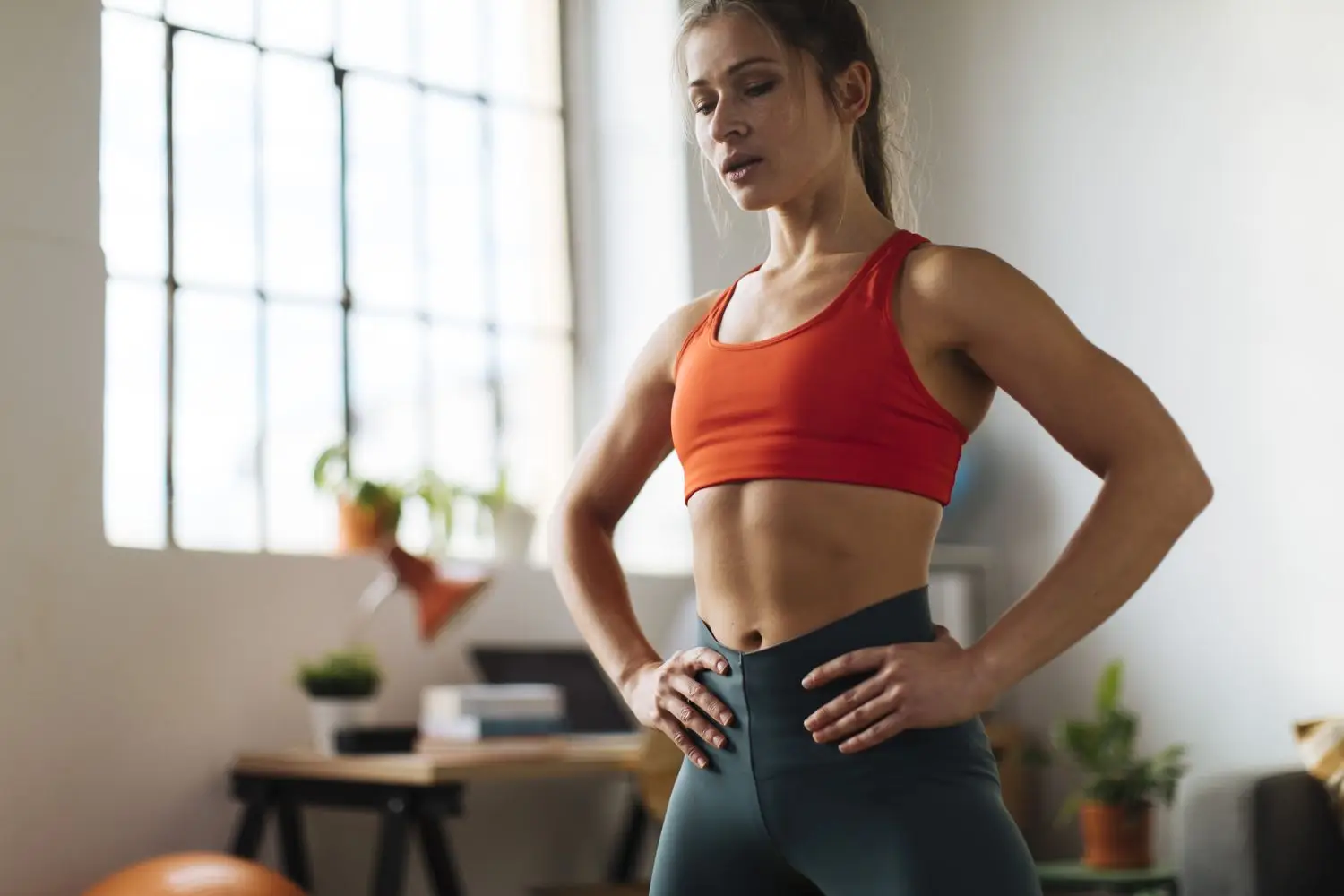
One common misconception is that Pilates cannot build muscle. While Pilates does not produce the same muscle size as heavy bodybuilding programs, it develops lean, functional muscle throughout the body.
Instead of isolating one muscle group at a time, Pilates trains multiple muscles simultaneously. The result is balanced development that improves strength without excessive bulk. Many athletes even include Pilates in their training because it corrects muscular imbalances that traditional strength training sometimes creates.
The combination of slow movement, time under tension, and body control stimulates muscular endurance exceptionally well. Areas that often become noticeably toned include:
- Abdominals
- Glutes
- Inner thighs
- Shoulders
- Back muscles
- Hip stabilizers
This balanced development explains why many people describe the Pilates physique as athletic, graceful, and symmetrical.
Pilates Body vs Gym Body
One of the most searched comparisons online is Pilates Body vs Gym Body, and the answer depends entirely on your goals.
| Feature | Pilates Body | Gym Body |
| Muscle Appearance | Lean and toned | Larger muscle mass possible |
| Flexibility | Excellent | Moderate |
| Core Strength | Outstanding | Good |
| Joint Stress | Low | Moderate to High |
| Posture | Significantly improved | Depends on training |
| Functional Movement | Excellent | Varies by program |
Neither approach is objectively better. Many fitness professionals combine both methods for optimal results. Weight training builds maximum strength and muscle size, while Pilates improves mobility, stability, flexibility, and movement quality.
If your goal is to create an athletic body that feels as good as it looks, Pilates complements traditional resistance training extremely well.
Benefits Beyond Physical Appearance
Although visible changes motivate many beginners, the hidden benefits often become the reason people continue practicing Pilates for years.
Better Flexibility
Improved flexibility allows muscles to move through their full range of motion. Unlike aggressive stretching routines, Pilates develops flexibility while strengthening the muscles simultaneously. This balanced approach helps reduce injuries and improves athletic performance.
Improved Balance
Pilates constantly challenges coordination. Whether standing on one leg or controlling slow movements on a reformer, your nervous system learns to stabilize the body more efficiently. This becomes increasingly valuable with age.
Reduced Stress
Controlled breathing plays an important role in every Pilates session. Deep diaphragmatic breathing activates the body’s relaxation response, helping reduce stress hormones after exercise. Many participants describe finishing class with both physical energy and mental clarity.
Better Body Awareness
Pilates teaches you to notice how you move throughout the day. Poor habits become easier to recognize, making it possible to correct posture before discomfort develops.
Different Types of Pilates
One reason Pilates remains so popular is its versatility. Different styles suit different fitness goals and experience levels.
Mat Pilates
Mat Pilates requires very little equipment, making it one of the easiest ways to begin. Using body weight alone, exercises improve flexibility, balance, coordination, and muscular endurance.
Reformer Pilates
Reformer Pilates uses a specialized machine with springs that provide adjustable resistance. This allows both beginners and advanced practitioners to challenge muscles through controlled movement while minimizing joint stress.
Somatic Pilates
Somatic Pilates combines traditional Pilates principles with mindful movement practices that improve nervous system regulation and body awareness. It is particularly beneficial for individuals recovering from chronic tension or movement dysfunction.
Pelvic Pilates
Pelvic Pilates focuses on strengthening the pelvic floor muscles alongside the deep core. It is commonly recommended after pregnancy and can also benefit individuals experiencing lower back discomfort or pelvic instability.
Popular Pilates Studios and Trends
As Pilates continues growing worldwide, several studios and training concepts have gained attention.
For example, Be Fit Modern Pilates has become known for combining classical Pilates principles with contemporary workout styles that appeal to busy professionals.
Similarly, Jetset Pilates emphasizes energetic reformer sessions designed to deliver full-body workouts in a motivating studio environment.
Many enthusiasts also enjoy training at Pilates Habitat, where personalized instruction helps members improve movement quality while progressing safely.
Another growing trend is the 28 Day Wall Pilates Challenge Free, which introduces beginners to simple wall-assisted exercises requiring minimal equipment. These programs have become popular because they allow people to develop consistency from home before joining studio classes.
Pilates for Men: Breaking the Myth
For years, Pilates was often viewed as a workout designed mainly for women. That perception has changed dramatically. Today, Pilates for Men is widely embraced by professional athletes, military personnel, runners, golfers, and fitness enthusiasts who want to improve performance while reducing injury risk.
Interestingly, Joseph Pilates originally developed his method for men. His focus was on creating a balanced body with strength, flexibility, coordination, and endurance rather than simply building larger muscles. Modern research and athletic training continue to support these principles.
Men who regularly practice Pilates often notice improvements in areas that traditional weightlifting may overlook. Tight hips become more mobile, shoulder stability improves, lower back pain decreases, and core strength increases significantly. These benefits translate directly into better performance during sports and strength training.
For example, golfers gain more rotational mobility, runners develop better stride efficiency, and weightlifters experience improved movement mechanics during squats and deadlifts. Even individuals who spend long hours sitting at a desk find that Pilates helps correct muscular imbalances caused by poor posture.
Rather than replacing strength training, Pilates complements it perfectly. Combining resistance exercises with Pilates creates a well-rounded fitness program that develops both power and movement quality.
Nutrition Tips to Maximize Your Pilates Body Transformation
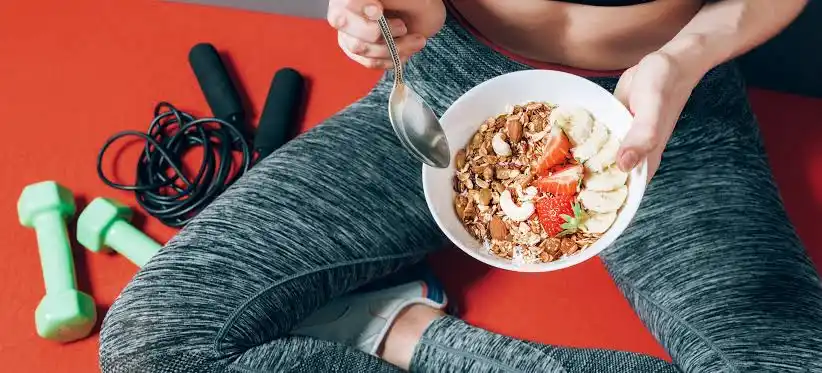
Exercise is only one piece of the transformation puzzle. Nutrition provides the building blocks your body needs to recover, repair muscle tissue, and maintain energy levels throughout the day.
A balanced eating plan doesn’t require extreme dieting. Instead, focus on whole, nutrient-dense foods that support your activity level.
Prioritize Protein
Protein helps repair muscles after every Pilates session. Good options include:
- Lean chicken
- Fish
- Eggs
- Greek yogurt
- Cottage cheese
- Lentils
- Beans
- Tofu
Aim to include a quality protein source with each meal.
Choose Smart Carbohydrates
Carbohydrates fuel your workouts and replenish energy stores afterward.
Healthy choices include:
- Oats
- Brown rice
- Sweet potatoes
- Whole-grain bread
- Quinoa
- Fruits
These foods provide sustained energy rather than sudden sugar spikes.
Eat Healthy Fats
Healthy fats support hormone production and reduce inflammation.
Examples include:
- Avocados
- Olive oil
- Walnuts
- Almonds
- Chia seeds
- Flaxseeds
- Salmon
Stay Hydrated
Water supports every metabolic process involved in muscle recovery and joint function. Even mild dehydration can reduce workout performance and increase fatigue.
Weekly Pilates Plan for Beginners
Consistency matters more than intensity, especially during the first few months.
| Day | Workout |
| Monday | Full Body Pilates |
| Tuesday | Light Walking + Stretching |
| Wednesday | Core Pilates |
| Thursday | Recovery or Yoga |
| Friday | Reformer or Mat Pilates |
| Saturday | Full Body Pilates |
| Sunday | Active Recovery |
This schedule allows muscles to recover while maintaining regular movement.
Common Mistakes That Slow Results
Even an excellent Pilates program can produce slow progress if certain habits interfere with recovery or consistency.
Skipping Sessions
Doing Pilates once every few weeks won’t create lasting results. Most instructors recommend practicing two to four sessions per week.
Ignoring Technique
Pilates emphasizes quality over quantity. Rushing through exercises often reduces muscle activation and increases injury risk.
Poor Nutrition
Without adequate protein and balanced nutrition, your body struggles to repair muscle tissue effectively.
Unrealistic Expectations
Social media transformations can create unrealistic expectations. Every body responds differently depending on genetics, age, lifestyle, sleep quality, and previous fitness experience.
Patience remains one of the most valuable tools in any fitness journey.
Conclusion
A successful Pilates Body Transformation is about far more than changing your appearance. Regular Pilates strengthens your core, improves posture, increases flexibility, enhances balance, and develops lean muscle that supports your body during everyday activities.
The greatest benefit is sustainability. Unlike short-term fitness trends, Pilates encourages lifelong movement habits that continue delivering results year after year. Whether you practice on a mat, use a reformer, or combine Pilates with strength training, consistency will always produce the greatest rewards.
Remember that transformation is a journey rather than a destination. Every workout builds a stronger foundation for your future health. Stay patient, stay consistent, and celebrate the small improvements along the way—they eventually become remarkable results.
Frequently Asked Questions
Can Pilates change your body shape?
Yes. Pilates helps build lean muscle, improve posture, and reduce body fat when combined with healthy nutrition. These changes can noticeably reshape your physique over time.
How long does it take for Pilates to transform your body?
Many people notice improved posture, flexibility, and core strength within four to eight weeks. More visible body composition changes often appear after two to three months of consistent practice.
Does Pilates help with high cortisol?
Pilates includes mindful breathing and controlled movement, which may help reduce stress and support relaxation. While it is not a medical treatment for high cortisol, it can be part of an overall stress-management routine.
Should people with EDS do Pilates?
Some people with Ehlers-Danlos Syndrome (EDS) may benefit from Pilates under the guidance of a healthcare provider or an instructor experienced with hypermobility. Exercises usually need to be modified to avoid excessive joint strain.
Is EDS a type of autism?
No. EDS and autism are different conditions. EDS is a group of inherited connective tissue disorders, while autism is a neurodevelopmental condition. Although some individuals may have both, one is not a type of the other.
⭐ Make MindLiva Your Preferred Source on Google
Get trusted health, wellness, and lifestyle articles from MindLiva.
Add MindLiva
Samie Babaei is a medical science student at Shahid Beheshti University of Medical Sciences with a strong interest in health, wellness, and medical research. As a health writer and researcher at MindLiva, she focuses on creating clear, evidence-based content that helps readers better understand health and well-being.