


Heart Attack Warning Signs: Protect Your Heart Today
Have you ever wondered why doctors often talk about your heart and brain together? It is because they are connected through the same network of blood vessels. When something damages those vessels, the effects can reach multiple organs. A heart attack does not only affect the heart—it can also increase the risk of serious problems elsewhere in the body. Understanding this connection gives you the opportunity to take action before a medical emergency occurs.
Heart disease continues to be the leading cause of death worldwide. According to the latest American Heart Association statistics, cardiovascular disease remains responsible for hundreds of thousands of deaths every year, although survival rates have improved thanks to earlier diagnosis and better treatments. Researchers continue to emphasize that prevention through healthy habits is the most effective strategy.
In this guide, you’ll learn what a heart attack is, why it happens, how it relates to stroke, the warning signs you should never ignore, and the latest research that can help you protect your heart.
Why Heart Health Deserves More Attention
Your cardiovascular system works every second of every day without asking for a break. Every heartbeat pumps oxygen-rich blood throughout your body, feeding your muscles, organs, and brain. When blood flow becomes blocked, the damage begins within minutes.
Many people think heart disease only affects older adults. However, recent studies show that high blood pressure, obesity, diabetes, smoking, and physical inactivity are increasing among younger adults as well. These risk factors silently damage arteries for years before symptoms appear. That’s why prevention should start long before retirement.
The American Heart Association reports that cardiovascular disease remains the leading cause of death in the United States, accounting for more than one in four deaths. Someone dies from cardiovascular disease approximately every 34 seconds, highlighting how important early prevention truly is.
The Growing Global Burden
Worldwide, cardiovascular disease caused approximately 19.4 million deaths in recent global estimates. Although medical treatments continue to improve, unhealthy lifestyles remain one of the biggest contributors to heart disease.
Why Early Prevention Matters
Preventing heart disease is much easier than treating it. Small daily habits—including eating nutritious foods, exercising regularly, managing stress, sleeping well, and avoiding tobacco—can significantly reduce your lifetime risk.
What Is a Heart Attack?
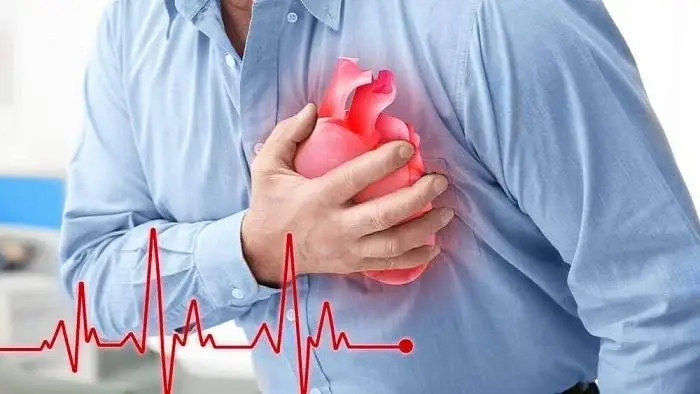
A heart attack, also called myocardial infarction, occurs when blood flow to part of the heart muscle becomes blocked. Without oxygen, heart cells begin to die. The longer treatment is delayed, the greater the damage.
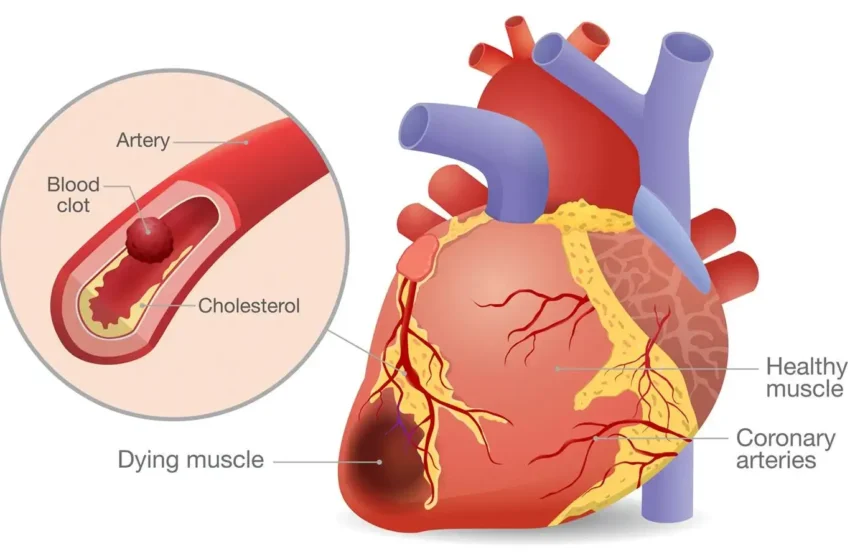
Most heart attacks happen because fatty deposits called plaque build up inside the coronary arteries. If a plaque ruptures, a blood clot forms quickly and blocks blood flow.
Common Causes
- Coronary artery disease
- High cholesterol
- High blood pressure
- Diabetes
- Smoking
- Obesity
- Chronic stress
- Lack of physical activity
Major Risk Factors
| Risk Factor | Effect on Heart Health |
| High blood pressure | Damages artery walls |
| High cholesterol | Builds plaque inside arteries |
| Diabetes | Increases vessel damage |
| Smoking | Raises clot formation |
| Obesity | Increases inflammation |
| Physical inactivity | Weakens cardiovascular fitness |
These risk factors often work together, making prevention even more important.
How Heart Attacks and Stroke Are Connected
Many people think a heart attack and a stroke are completely different medical emergencies. While they affect different organs, they often begin with the same underlying problem—unhealthy blood vessels. Your heart and brain rely on a constant supply of oxygen-rich blood. If arteries become narrowed or blocked, either organ can suffer serious damage.
A heart attack happens when blood flow to the heart muscle is interrupted, while a stroke occurs when blood flow to part of the brain is blocked or when a blood vessel in the brain bursts. Despite these differences, both conditions share many of the same causes, including atherosclerosis, high blood pressure, high cholesterol, smoking, obesity, diabetes, and a sedentary lifestyle. Because of these shared risk factors, someone who has experienced a heart attack often has a higher risk of developing a stroke later if preventive measures are not taken.
Recent research from leading cardiovascular organizations shows that aggressive management of blood pressure, cholesterol, and diabetes significantly lowers the risk of both conditions. Modern treatments, including cholesterol-lowering medications, improved blood pressure control, and healthier lifestyles, have helped reduce cardiovascular deaths over the last decade. However, prevention remains the most effective strategy because damaged arteries often develop silently for years before symptoms appear.
Shared Risk Factors
Several health conditions increase the likelihood of both a heart attack and a stroke. Understanding these risks allows you to take action before permanent damage occurs.
- High blood pressure weakens artery walls over time.
- High LDL cholesterol contributes to plaque buildup.
- Smoking damages blood vessels and increases clot formation.
- Type 2 diabetes accelerates artery damage.
- Obesity promotes chronic inflammation.
- Physical inactivity weakens cardiovascular fitness.
- A poor diet increases cholesterol and blood sugar levels.
- Chronic stress may raise blood pressure and unhealthy hormone levels.
The encouraging news is that many of these factors are controllable. Even modest improvements in diet, exercise, and weight management can dramatically reduce cardiovascular risk.
Blood Vessel Damage Explained
Think of your arteries as smooth highways that transport blood throughout your body. Over time, unhealthy habits create “traffic jams” inside those highways. Cholesterol, fat, calcium, and inflammatory cells accumulate along artery walls, forming plaques. As plaques grow larger, blood flow becomes restricted.
Sometimes a plaque suddenly ruptures. The body responds by forming a blood clot to repair the damage. Unfortunately, that clot may completely block the artery. If the blockage occurs in a coronary artery, it causes a heart attack. If it occurs in a brain artery, it can cause a stroke.
Because arteries throughout the body often develop plaque at the same time, cardiovascular disease should be viewed as a whole-body condition rather than a problem affecting only one organ.
Warning Signs You Should Never Ignore
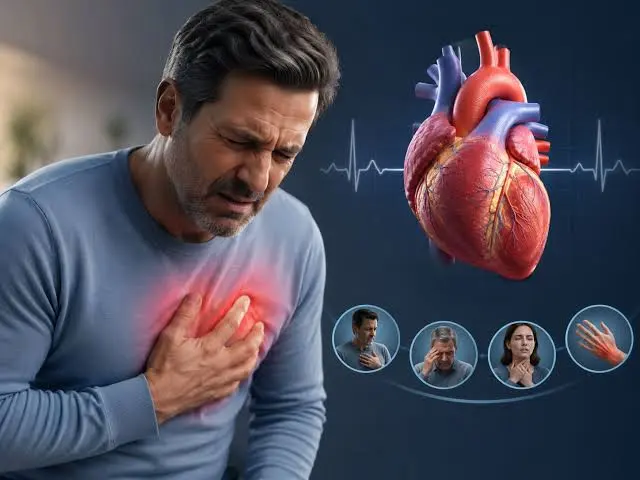
One of the biggest mistakes people make is waiting too long before seeking emergency care. Every minute counts during a heart attack because heart muscle begins to die within minutes of losing oxygen.
Although symptoms vary from person to person, recognizing the warning signs early can save your life.
Symptoms in Men
Men often experience the classic symptoms that many people associate with a heart attack, including:
- Severe chest pressure or tightness
- Pain spreading to the left arm
- Pain in the shoulder, neck, or jaw
- Shortness of breath
- Cold sweat
- Sudden dizziness
- Nausea
Chest pain may feel like a heavy weight sitting on the chest rather than a sharp pain. Some describe it as squeezing, burning, or crushing discomfort.
Symptoms in Women
Women frequently experience more subtle symptoms, which can delay diagnosis. Instead of intense chest pain, they may notice:
- Unusual fatigue lasting several days
- Shortness of breath
- Pain in the upper back
- Neck discomfort
- Jaw pain
- Nausea or vomiting
- Indigestion-like discomfort
- Lightheadedness
Because these symptoms may seem unrelated to the heart, women are sometimes more likely to delay calling emergency services. Any sudden or unexplained symptoms—especially when combined—should be taken seriously.
When Should You Call Emergency Services?
Never attempt to “wait it out” if symptoms suggest a heart attack. Immediate medical treatment greatly improves survival and reduces permanent heart damage.
Call emergency services immediately if chest pain lasts more than five minutes or is accompanied by:
- Difficulty breathing
- Fainting
- Sweating
- Pain spreading into the arm, jaw, or back
- Sudden weakness
Quick treatment often restores blood flow before extensive heart muscle damage occurs.
Who Is Most at Risk?
Although anyone can experience a heart attack, certain individuals have a much higher risk.
Age and Family History
Risk generally increases after age 45 for men and after menopause for women. A close family history of heart disease also increases the likelihood of developing cardiovascular problems, particularly if a parent or sibling experienced heart disease at a young age.
Lifestyle Choices Matter
Daily habits play an enormous role in heart health. Smoking, excessive alcohol intake, poor nutrition, inadequate sleep, and chronic stress all contribute to artery damage over time. The good news is that lifestyle improvements can reduce risk even if you have a family history of heart disease.
Medical Conditions That Increase Risk
Several chronic conditions deserve close monitoring because they significantly increase cardiovascular risk:
| Medical Condition | Why It Increases Risk |
| High blood pressure | Damages arteries |
| Diabetes | Accelerates plaque formation |
| High cholesterol | Narrows coronary arteries |
| Chronic kidney disease | Raises cardiovascular complications |
| Obesity | Increases inflammation and blood pressure |
| Sleep apnea | Lowers oxygen levels and strains the heart |
Regular health screenings can detect these conditions early, allowing treatment before complications develop.
Can a Heart Attack Be Prevented?
The answer is encouraging: many heart attacks are preventable. Experts estimate that adopting healthy lifestyle habits and managing medical conditions can substantially reduce the risk of cardiovascular disease.
Healthy habits include:
- Eat more fruits, vegetables, whole grains, legumes, and healthy fats.
- Exercise for at least 150 minutes per week.
- Maintain a healthy body weight.
- Stop smoking completely.
- Limit processed foods and sugary drinks.
- Sleep seven to nine hours each night.
- Manage stress through mindfulness, hobbies, or relaxation techniques.
- Take prescribed medications consistently if you have high blood pressure, diabetes, or high cholesterol.
Heart health is built through daily choices rather than occasional efforts. Small improvements made consistently often produce remarkable long-term benefits.
Latest Research and Expert Insights on Heart Attack Prevention
Cardiovascular research continues to evolve, offering new ways to prevent and treat a heart attack before it becomes life-threatening. One of the biggest shifts in recent years is the emphasis on personalized prevention. Instead of treating everyone the same, healthcare providers now evaluate a person’s overall cardiovascular risk by considering factors such as age, family history, cholesterol levels, blood pressure, diabetes, weight, smoking status, and even certain genetic markers. This individualized approach helps doctors recommend treatments that are more effective and tailored to each patient.
Artificial intelligence (AI) is also transforming heart care. Hospitals increasingly use AI-powered tools to analyze electrocardiograms (ECGs), medical images, and patient records, helping physicians identify high-risk individuals earlier than ever before. Wearable devices, including smartwatches and fitness trackers, can monitor heart rate, detect irregular rhythms, and alert users to potential heart problems. Although these devices should never replace professional medical evaluation, they can encourage people to seek medical care sooner when unusual symptoms appear.
Experts continue to stress that prevention remains more powerful than treatment. According to the American Heart Association, maintaining healthy blood pressure, controlling cholesterol, staying physically active, eating a balanced diet, avoiding tobacco, and managing diabetes can dramatically reduce cardiovascular risk. New medications have also improved outcomes for patients with high cholesterol and heart disease, but they work best when combined with healthy daily habits rather than replacing them.
One important lesson from recent studies is that heart health begins decades before symptoms appear. Plaque buildup inside arteries often develops silently over many years. By the time chest pain occurs, significant narrowing may already exist. That is why routine health screenings, especially after age 40 or earlier for people with multiple risk factors, play a critical role in preventing serious cardiovascular events.
Daily Habits That Strengthen Your Heart

Healthy living does not require extreme diets or expensive fitness programs. In fact, small and consistent improvements often produce the greatest long-term results. Your heart responds positively to everyday choices, and even modest changes can lower your risk of a heart attack.
Start by focusing on nutrition. A diet rich in vegetables, fruits, whole grains, legumes, fish, nuts, and healthy fats provides essential nutrients while helping control cholesterol and blood pressure. Limiting processed foods, sugary drinks, and excess sodium also protects your arteries. Drinking enough water throughout the day supports overall circulation and cardiovascular function.
Physical activity is equally important. You don’t need to become a marathon runner to improve heart health. Activities such as brisk walking, cycling, swimming, dancing, or even gardening can strengthen your cardiovascular system. Aim for at least 150 minutes of moderate exercise each week, along with muscle-strengthening activities twice weekly if possible.
Sleep and stress management are often overlooked but play major roles in cardiovascular wellness. Chronic stress can contribute to high blood pressure and unhealthy coping habits such as overeating or smoking. Likewise, poor sleep has been linked to obesity, diabetes, and heart disease. Prioritizing seven to nine hours of quality sleep each night helps your body recover and keeps your heart functioning efficiently.
Finally, schedule regular medical checkups. Monitoring blood pressure, cholesterol, blood sugar, and body weight allows problems to be identified early when they are easier to manage. Prevention is always more effective—and less costly—than emergency treatment.
Conclusion
A heart attack is not simply an isolated event—it is often the result of years of gradual damage to the cardiovascular system. The same unhealthy habits that increase the risk of heart disease can also affect blood vessels throughout the body, making prevention essential for lifelong health. Understanding the warning signs, recognizing personal risk factors, and seeking immediate medical attention when symptoms appear can save lives.
The encouraging news is that many heart attacks are preventable. Eating nutritious foods, staying physically active, maintaining a healthy weight, controlling blood pressure and cholesterol, avoiding tobacco, and attending regular medical checkups all contribute to a healthier heart. These choices may seem small on a daily basis, but together they create a powerful defense against cardiovascular disease.
Your heart works tirelessly every second of your life. Giving it the care it deserves today can help you enjoy more healthy years with the people who matter most.
Frequently Asked Questions
What are 5 warning signs of a heart attack?
The five common warning signs include chest pain or pressure, shortness of breath, pain spreading to the arm or jaw, cold sweating, and sudden nausea or dizziness. Symptoms can vary, especially in women.
How does a heart attack feel?
Many people describe a heart attack as a heavy pressure, squeezing, tightness, or burning sensation in the center of the chest. The discomfort may spread to the shoulders, arms, neck, jaw, or back and can be accompanied by difficulty breathing.
How long after a heart attack do you have?
There is no safe amount of time to wait. Treatment should begin as quickly as possible, ideally within the first hour after symptoms start. Immediate emergency care greatly improves survival and reduces permanent heart damage.
How serious is a type 2 heart attack?
A Type 2 heart attack occurs when the heart muscle receives too little oxygen because of another medical condition rather than a blocked artery. It is still a serious medical emergency and requires prompt evaluation and treatment to address the underlying cause.
Which organ stops first during a heart attack?
During a heart attack, the heart muscle is the organ directly affected because its blood supply becomes blocked. If the heart can no longer pump enough blood, other organs—including the brain and kidneys—may also become damaged due to reduced oxygen delivery.
⭐ Make MindLiva Your Preferred Source on Google
Get trusted health, wellness, and lifestyle articles from MindLiva.
Add MindLiva
Samie Babaei is a medical science student at Shahid Beheshti University of Medical Sciences with a strong interest in health, wellness, and medical research. As a health writer and researcher at MindLiva, she focuses on creating clear, evidence-based content that helps readers better understand health and well-being.