



Can Immunotherapy Cure Stage 4 Cancer? Hope or Reality?
Hearing the words stage 4 cancer can completely change a person’s life in a single moment. Patients and families immediately begin searching for answers, and one of the most common questions they ask is, can immunotherapy cure stage 4 cancer? It is a reasonable question because recent medical breakthroughs have transformed the outlook for many advanced cancers that were once considered almost impossible to treat.
Today’s treatments are very different from those available just a decade ago. Doctors now understand much more about how the body’s immune system recognizes cancer cells, leading to therapies that help the immune system fight back instead of attacking cancer only with chemotherapy or radiation.
This article explores the latest scientific findings, explains which patients benefit the most, discusses realistic expectations, and helps you understand where modern medicine stands today.
Understanding Stage 4 Cancer
What Happens When Cancer Reaches Stage 4?
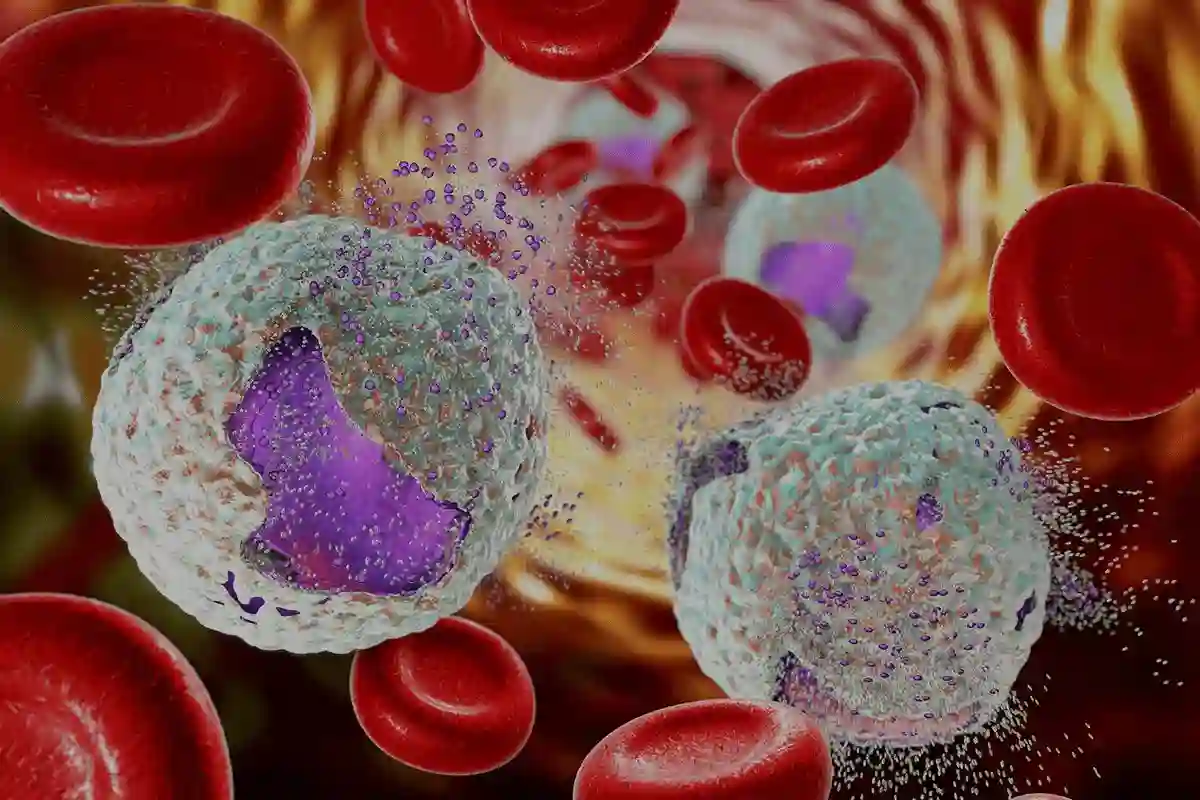
Stage 4 cancer means the disease has spread from its original location to distant organs or tissues. This process is called metastasis. Depending on the cancer type, it may spread to the liver, lungs, bones, brain, or other parts of the body.
Although this stage is considered advanced, it does not automatically mean there are no treatment options. In recent years, doctors have significantly improved survival rates for many patients through personalized medicine and innovative therapies.
Each patient’s cancer behaves differently. Factors such as age, overall health, genetics, tumor mutations, and response to treatment all influence outcomes.
Is Stage 4 Always Terminal?
Not necessarily.
Years ago, stage 4 cancer was often viewed as untreatable. Today, many patients live for years with advanced disease thanks to improved therapies.
Some cancers respond exceptionally well to newer treatments, allowing patients to experience long-term remission. Although remission is different from a permanent cure, it can dramatically improve quality of life and extend survival.
How Modern Cancer Treatments Have Changed
The Rise of Targeted Medicine
Cancer treatment is becoming increasingly personalized.
Instead of giving every patient the same drugs, doctors now analyze tumor genetics, biomarkers, and immune characteristics to determine which therapies are most likely to work.
This precision approach has led to remarkable improvements in several cancer types.
Why the Immune System Matters
Scientists discovered that cancer cells often hide from the body’s natural defenses.
Learning how does immunotherapy work has become one of the biggest breakthroughs in oncology. Rather than attacking tumors directly, these treatments help immune cells recognize and destroy cancer cells that previously escaped detection.
This has opened entirely new possibilities for treating advanced disease.
Can Immunotherapy Cure Stage 4 Cancer?
The honest answer is:
Sometimes—but not for everyone.
Current research shows that a small percentage of patients achieve complete and durable responses that last many years. In these rare situations, doctors may describe the cancer as having no evidence of disease.
However, for most patients, immunotherapy helps control cancer rather than completely eliminate it.
The goal often includes:
- shrinking tumors
- slowing cancer growth
- extending survival
- improving quality of life
- reducing symptoms
Medical experts generally avoid promising a cure because responses vary greatly between individuals.
What Current Research Shows
Clinical studies have demonstrated long-lasting responses in several cancers, including:
| Cancer Type | Response to Treatment |
| Melanoma | Excellent in selected patients |
| Non-small cell lung cancer | Good in patients with specific biomarkers |
| Kidney cancer | Moderate to strong |
| Bladder cancer | Promising |
| Hodgkin lymphoma | High response rates |
Researchers continue discovering new biomarkers that predict who may benefit the most.
Which Patients Respond Best?
Doctors usually consider several factors:
- PD-L1 expression
- Tumor mutation burden
- Genetic markers
- Overall health
- Cancer type
- Previous treatments
Patients with favorable biomarkers often experience better outcomes.
Types of Cancers Responding Best
Lung Cancer
One of the biggest success stories involves immunotherapy for lung cancer.
Patients with advanced non-small cell lung cancer have experienced significant improvements in survival compared with traditional chemotherapy alone.
Some individuals continue living cancer-free for many years after treatment.
Melanoma
Advanced melanoma was once among the deadliest cancers.
Today, checkpoint inhibitors have dramatically improved survival, with some patients remaining disease-free for over ten years.
Kidney, Bladder, and Other Cancers
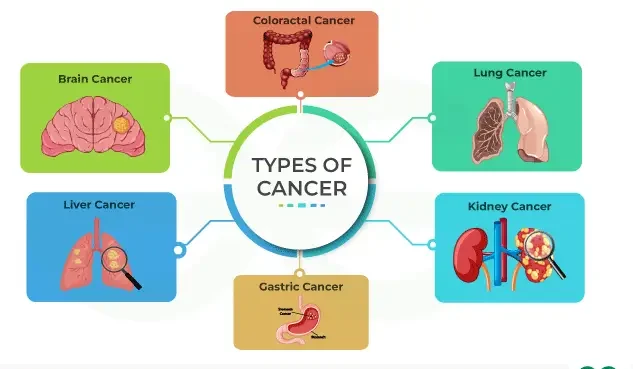
Researchers have also reported encouraging results in:
- Kidney cancer
- Bladder cancer
- Head and neck cancer
- Liver cancer
- Certain colorectal cancers
The list continues to expand as new clinical trials are completed.
Benefits and Limitations
Like every medical treatment, immunotherapy for cancer offers important advantages but also has limitations.
Benefits
- Longer survival for many patients
- Durable responses
- Better quality of life
- Less damage to healthy cells than chemotherapy
- Potential long-term remission
Limitations
- Not everyone responds
- Biomarker testing is often required
- Side effects can affect multiple organs
- Treatment may be expensive
- Response may take several months
Doctors carefully balance these factors before recommending treatment.
Side Effects and Risks
Although many patients tolerate treatment well, some develop immune-related side effects.
These occur because the activated immune system may attack healthy tissues.
Possible side effects include:
- Skin rash
- Fatigue
- Diarrhea
- Thyroid disorders
- Lung inflammation
- Liver inflammation
- Joint pain
Fortunately, many side effects can be managed successfully when recognized early.
Patients should immediately report new symptoms to their healthcare team.
Future Research Brings New Hope
Cancer research is advancing faster than ever.
Scientists are currently studying combinations of:
- checkpoint inhibitors
- personalized cancer vaccines
- CAR-T cell therapy
- targeted therapies
- precision medicine
- AI-guided treatment selection
Researchers believe combining several approaches may dramatically improve survival over the next decade.
Many ongoing clinical trials continue reporting encouraging early results.
Conclusion
The question can immunotherapy cure stage 4 cancer does not have a simple yes-or-no answer. While it is not a guaranteed cure, it has changed the lives of many patients by providing longer survival, fewer symptoms, and in some cases, long-lasting remission. Every patient’s journey is unique, and the best treatment depends on the cancer type, genetic profile, overall health, and medical history.
The future looks increasingly promising as researchers continue developing more personalized treatments, identifying better biomarkers, and combining therapies to improve outcomes. Working closely with an experienced oncology team remains the best way to determine whether this approach is suitable for an individual patient.
Frequently Asked Questions
Can you live with stage 4 cancer?
Yes. Many patients live for several years with stage 4 cancer thanks to newer treatments, improved supportive care, and personalized medicine.
How to beat cancer stage 4?
Treatment usually combines several approaches such as surgery, radiation, targeted therapy, chemotherapy, and newer immune-based therapies. The best plan depends on the individual patient.
How many years can cancer patients survive with immunotherapy?
Survival varies widely. Some patients live only months, while others experience long-term remission lasting five to ten years or even longer.
How long can you live with stage 4 liver cancer without treatment?
Without treatment, survival is often limited to several months, although this depends on liver function, overall health, and the extent of the disease.
Can a stage 4 liver cancer patient survive?
Yes. Some patients respond well to modern treatments and may live significantly longer than expected. Early specialist care and personalized treatment planning offer the best chance for improved outcomes.
⭐ Make MindLiva Your Preferred Source on Google
Get trusted health, wellness, and lifestyle articles from MindLiva.
Add MindLiva
Samie Babaei is a medical science student at Shahid Beheshti University of Medical Sciences with a strong interest in health, wellness, and medical research. As a health writer and researcher at MindLiva, she focuses on creating clear, evidence-based content that helps readers better understand health and well-being.