




Suicide Prevention for Teens: Protecting Young Lives
Have you ever wondered how a single social media post can affect a teenager’s emotional well-being?
Today’s teenagers grow up in a world where smartphones, social platforms, and constant online interaction are part of everyday life. While these technologies create opportunities for learning and connection, they also introduce new pressures that previous generations never experienced. Online comparison, cyberbullying, unrealistic beauty standards, and the fear of missing out can quietly affect a young person’s confidence and mental health.
This article explores how families, schools, and communities can better understand these challenges. You’ll learn how social media influences emotional well-being, recognize early warning signs, discover practical ways to support teenagers, and understand why building healthy digital habits is essential for a safer future.
Why Suicide Prevention for Teens Matters Today
Adolescence is a period of rapid emotional, physical, and social change. Teenagers are learning who they are while managing school, friendships, family expectations, and future goals.
Adding social media into this mix creates both opportunities and challenges.
Although many teens use online platforms to connect with friends and express creativity, excessive or unhealthy use may increase stress, loneliness, anxiety, and low self-esteem.
Communities are increasingly recognizing that suicide prevention begins with education, open communication, and timely access to mental health support.
A Growing Public Health Concern
According to global health organizations, mental health conditions commonly begin during adolescence. Early recognition and intervention can significantly improve long-term outcomes.
Moreover, many teenagers hesitate to seek help because they fear judgment or believe no one will understand their struggles.
This highlights the importance of creating supportive environments where asking for help is encouraged rather than stigmatized.
Understanding Social Media’s Influence on Teen Mental Health
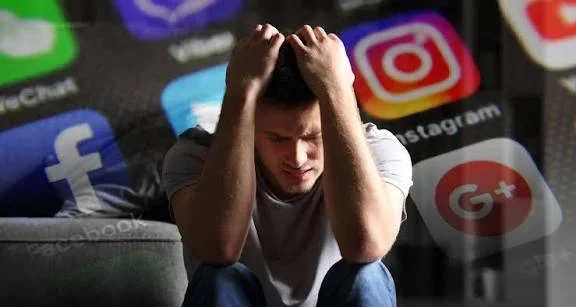
Social media itself is not the problem. Instead, the way teenagers use digital platforms—and how those experiences affect their emotions—plays the biggest role.
Healthy online experiences can inspire creativity, friendship, and learning. However, harmful experiences may contribute to emotional distress.
Positive Effects of Social Media
When used responsibly, social media offers several benefits.
These include:
- Building supportive friendships
- Accessing educational content
- Finding communities with shared interests
- Learning new skills
- Raising awareness about mental health
- Encouraging creative expression
Many teenagers discover positive role models and supportive communities online.
Negative Effects That Cannot Be Ignored
Unfortunately, not every online experience is positive.
Teenagers may encounter:
- Cyberbullying
- Unrealistic beauty standards
- Constant comparison
- Online harassment
- Exposure to harmful content
- Sleep disruption caused by excessive screen time
Over time, these experiences may affect confidence, relationships, and emotional resilience.
How Social Media Changes Teen Behavior
Digital platforms are designed to capture attention.
Notifications, likes, comments, and endless scrolling activate reward systems in the brain, making it difficult for some teenagers to disconnect.
The Comparison Trap
Many teens compare their everyday lives with carefully edited images posted by others.
This creates unrealistic expectations.
For example, a teenager might believe everyone else is happier, more successful, or more attractive, even though social media rarely reflects reality.
Fear of Missing Out (FOMO)
FOMO is another common challenge.
Seeing friends attend events without them may increase feelings of loneliness or rejection.
Although these emotions are temporary for many young people, repeated exposure may affect overall emotional health.
Recognizing Warning Signs Early
Early recognition creates opportunities for timely support.
Parents, teachers, coaches, and friends should pay attention to meaningful behavioral changes rather than isolated events.
Common warning signs include:
- Withdrawal from family or friends
- Sudden mood changes
- Loss of interest in favorite activities
- Declining school performance
- Changes in eating or sleeping habits
- Increased irritability
- Talking about feeling hopeless
- Giving away valued belongings
One warning sign alone does not necessarily indicate a crisis. However, several changes occurring together deserve attention.
The Powerful Role of Parents

Parents remain one of the strongest protective influences during adolescence.
Although teenagers often seek greater independence, they still need guidance, emotional support, and consistent communication.
Build Trust Every Day
Strong relationships develop through everyday conversations.
Instead of asking only about grades or homework, ask open-ended questions such as:
- “How was your day emotionally?”
- “Has anything online made you uncomfortable?”
- “What has made you happy this week?”
These questions encourage honest discussions without feeling like an interrogation.
Create Healthy Digital Boundaries
Families can support healthy technology use by:
- Establishing screen-free family time
- Keeping devices out of bedrooms overnight
- Encouraging outdoor activities
- Promoting hobbies beyond social media
- Modeling balanced technology habits
Children often learn healthy behaviors by watching adults.
Schools Are Essential Partners
Schools spend thousands of hours each year helping teenagers learn and grow.
Because teachers interact with students daily, they often notice emotional changes before others do.
Schools that invest in suicide prevention awareness education help create supportive learning environments where students understand that asking for help is a sign of strength.
Creating Safe Learning Environments
Healthy schools focus on more than academics.
They also encourage:
- Respect
- Inclusion
- Anti-bullying policies
- Peer support
- Mental health education
- Easy access to counselors
These efforts help students feel connected and valued.
Supporting Emotional Skills
Students benefit from learning practical life skills such as:
- Stress management
- Problem-solving
- Emotional regulation
- Healthy communication
- Conflict resolution
These abilities strengthen resilience throughout adulthood.
Helping Teens Build Digital Resilience
Social media will continue to be part of modern life.
Rather than avoiding technology completely, teenagers should learn how to use it responsibly.
Healthy digital habits include:
- Limiting screen time
- Following positive accounts
- Taking regular breaks
- Avoiding harmful comparisons
- Reporting cyberbullying
- Spending time offline with family and friends
These habits encourage balance between online and real-world experiences.
Friends Can Make a Lifelong Difference
Teenagers often share their feelings with friends before speaking to adults.
Because of this, peer support is incredibly valuable.
A caring friend can:
- Listen without judging.
- Encourage professional support.
- Stay connected.
- Tell a trusted adult if someone appears to be struggling.
True friendship includes looking out for one another.
Community Support Builds Stronger Futures
Families and schools cannot work alone.
Healthcare professionals, youth organizations, sports clubs, religious groups, and local leaders all contribute to healthier communities.
Many communities also develop suicide prevention programs that provide education, counseling resources, parent workshops, and crisis support for young people and their families.
These partnerships ensure teenagers have multiple places to seek guidance when facing emotional challenges.
Practical Strategies That Help Protect Teens
Supporting teenagers starts with creating an environment where they feel safe, respected, and heard. While every young person is different, several evidence-based strategies can improve emotional well-being and reduce the risk of serious mental health challenges.
Here are practical ways parents, educators, and communities can help:
- Encourage open conversations about emotions without criticism.
- Teach healthy coping skills such as exercise, journaling, and mindfulness.
- Monitor online activity while respecting privacy and building trust.
- Promote healthy sleep habits, balanced nutrition, and regular physical activity.
- Connect teens with trusted adults they can turn to when they need support.
- Seek professional help early if emotional or behavioral changes become concerning.
Small, consistent actions often make the greatest difference over time.
Suicide Prevention for Teens and Healthy Digital Habits
Technology is an important part of modern life, but balance is essential. Healthy digital habits allow teenagers to enjoy the benefits of social media while protecting their emotional well-being.
Encourage Positive Online Experiences
Parents and educators can help teenagers:
- Follow educational and inspiring content.
- Unfollow accounts that create stress or unhealthy comparisons.
- Take regular breaks from social media.
- Protect their privacy online.
- Report cyberbullying when it occurs.
Moreover, spending quality time offline strengthens family relationships and builds real-life confidence.
Create a Digital Wellness Plan
A simple family technology plan may include:
- Device-free meals
- Screen-free bedrooms
- Daily outdoor activities
- Family conversations without phones
- Scheduled social media breaks
These routines help reduce screen fatigue while encouraging healthier relationships.
Common Myths and the Truth
Many misunderstandings about teen mental health continue to create barriers to getting help.
Replacing myths with accurate information encourages understanding and compassion.
| Myth | Reality |
| Teen emotional struggles are just a normal phase. | While mood changes can occur during adolescence, persistent emotional distress should never be ignored. |
| Asking someone about emotional pain makes things worse. | Calm, caring conversations often encourage young people to open up and seek help. |
| Only quiet or withdrawn teens struggle emotionally. | Emotional difficulties can affect outgoing, high-achieving, or socially active teenagers as well. |
| Strong teens solve problems alone. | Seeking support is a healthy sign of strength and self-awareness. |
Learning these suicide prevention facts helps families respond with confidence instead of fear.
The Role of Schools, Families, and Communities

Supporting teenagers is a shared responsibility. Lasting change happens when every part of the community works together.
Families
Families build emotional security through:
- Honest conversations
- Consistent routines
- Encouragement instead of criticism
- Positive role modeling
Schools
Schools contribute by:
- Teaching emotional well-being
- Preventing bullying
- Providing counseling services
- Training teachers to recognize warning signs
Community Organizations
Local organizations strengthen support through:
- Youth mentoring
- Sports and recreational programs
- Volunteer opportunities
- Parent education workshops
- Accessible mental health resources
Together, these efforts create environments where teenagers feel connected, supported, and hopeful.
Expert Recommendations
Mental health experts agree that early support is one of the most effective ways to protect young people.
Encourage Open Communication
Create opportunities for teenagers to share their feelings regularly without fear of punishment or embarrassment.
Build Emotional Skills
Teach young people how to manage stress, solve problems, and communicate effectively.
Reduce Stigma
Talking openly about mental health helps normalize seeking professional support when needed.
Strengthen Social Connections
Positive friendships, supportive adults, extracurricular activities, and community involvement all contribute to emotional resilience.
Stay Informed
Parents and educators should continue learning about adolescent mental health through trusted medical organizations and evidence-based resources.
Conclusion
Teenagers face unique challenges in today’s connected world. Social media offers valuable opportunities for learning and friendship, but it can also introduce pressure, comparison, and emotional stress when used without balance.
Families, schools, healthcare professionals, and communities all play essential roles in creating supportive environments where young people feel safe asking for help. Open conversations, healthy digital habits, emotional education, and strong relationships can significantly improve a teenager’s well-being.
Most importantly, every teenager deserves to know they are valued, respected, and never alone. By listening with compassion, encouraging healthy coping skills, and promoting access to professional support, we can help build stronger communities and brighter futures for the next generation.
Frequently Asked Questions
How can we prevent teen suicide?
Supporting teen mental health involves encouraging open communication, recognizing warning signs early, creating supportive environments, promoting healthy coping skills, and ensuring access to qualified mental health professionals when needed.
What are the 3 C’s of suicide prevention?
The three C’s are commonly described as Care, Connect, and Communicate. Showing compassion, maintaining supportive relationships, and encouraging honest conversations help create a strong foundation for emotional well-being.
What are 5 practical solutions to address teenage suicide?
Five practical approaches include improving mental health education, reducing bullying, strengthening family communication, teaching healthy digital habits, and increasing access to counseling and community support services.
What are the 4 P’s of suicide assessment?
Some mental health frameworks describe the four P’s as Presenting factors, Predisposing factors, Precipitating factors, and Protective factors. These help professionals understand a person’s situation and identify appropriate support.
What are 5 risk factors for suicide?
Common risk factors include untreated mental health conditions, traumatic experiences, social isolation, substance misuse, and major life stressors. Having one or more risk factors does not mean a person will experience a crisis, but it may indicate the need for additional support and professional evaluation.
⭐ Make MindLiva Your Preferred Source on Google
Get trusted health, wellness, and lifestyle articles from MindLiva.
Add MindLiva
Samie Babaei is a medical science student at Shahid Beheshti University of Medical Sciences with a strong interest in health, wellness, and medical research. As a health writer and researcher at MindLiva, she focuses on creating clear, evidence-based content that helps readers better understand health and well-being.