



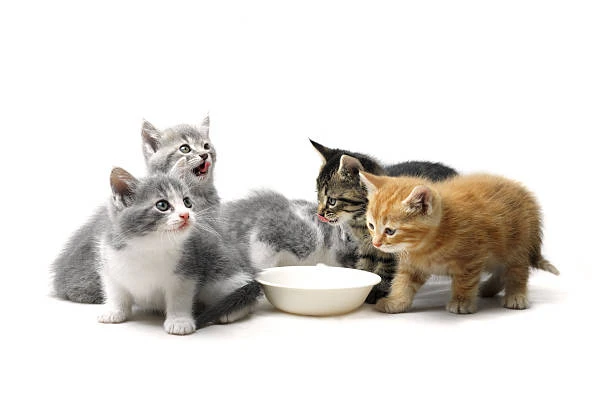
Best Kitten Food for Indoor Cats: Expert Recommendations
Have you ever stood in the pet food aisle wondering which product is actually the best kitten food? You’re definitely not alone. With hundreds of brands claiming to be the healthiest, most natural, or veterinarian-approved, choosing the right one can feel overwhelming. The good news is that understanding a few basic nutrition principles can make the decision much easier.
Your kitten’s first year is a period of rapid growth. During this stage, proper nutrition supports healthy muscles, brain development, strong bones, a resilient immune system, and a shiny coat. Feeding an incomplete or poorly balanced diet may affect development and long-term health. That’s why veterinarians consistently recommend choosing foods specifically formulated for kittens that meet recognized nutritional standards such as those established by the Association of American Feed Control Officials (AAFCO).
This guide combines expert advice, current veterinary recommendations, and practical feeding tips to help you make confident choices. You’ll learn how to compare wet and dry foods, understand ingredient labels, avoid common feeding mistakes, and discover which characteristics truly matter when selecting food for your growing companion. Whether you’ve just adopted your first kitten or simply want to improve your pet’s diet, this article will provide clear, trustworthy guidance.
Why Choosing the Best Kitten Food Matters
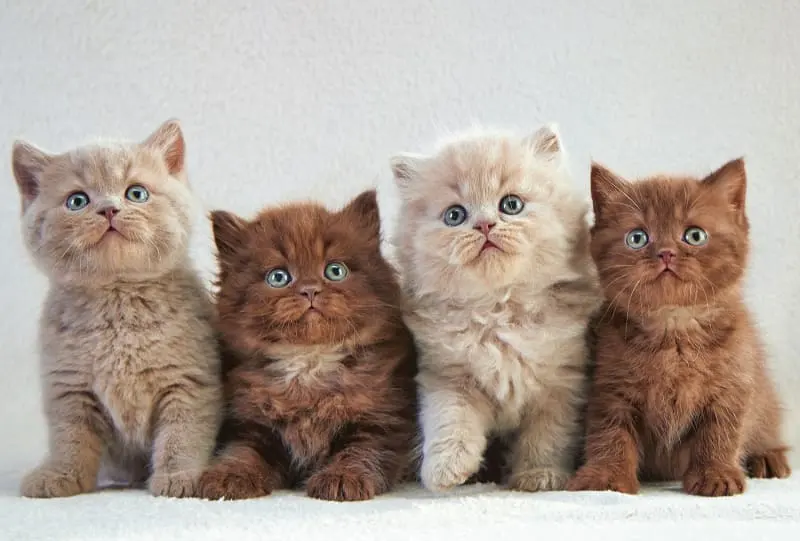
A kitten’s nutritional needs are very different from those of an adult cat. During the first twelve months of life, kittens require significantly more protein, calories, vitamins, minerals, and healthy fats to fuel their rapid development. Their bones are growing, muscles are strengthening, organs are maturing, and the brain continues developing every day. Feeding adult cat food too early can leave important nutritional gaps because adult formulas are designed for maintenance rather than growth. According to current AAFCO guidance, kitten food should clearly state that it is formulated for the growth life stage or for all life stages to ensure complete and balanced nutrition.
Nutrition also affects far more than physical growth. A high-quality diet supports immune function, healthy digestion, vision, cognitive development, and energy levels. Essential nutrients such as DHA help support brain and eye development, while taurine is critical for heart health and vision because cats cannot produce enough of it naturally. Veterinary experts also recommend choosing products from manufacturers with strong quality-control standards and nutritional research behind them.
From personal experience, many new cat owners focus heavily on attractive packaging or trendy marketing claims. However, what truly matters is the nutritional adequacy statement, ingredient quality, and whether the food is designed specifically for kittens. Spending a few extra minutes reading the label often makes a much bigger difference than choosing the most expensive bag on the shelf. Healthy eating habits established during kittenhood often continue into adulthood, helping reduce nutritional problems later in life.
What Makes the Best Kitten Food?
Finding the best kitten food isn’t about buying the most expensive bag or choosing the brand with the cutest packaging. It’s about understanding what your kitten’s body truly needs during the most important stage of its life. Unlike adult cats, kittens grow at an incredible pace. Their bones become stronger, muscles develop rapidly, and their brains continue forming important connections every day. Because of this, they require foods that are specially formulated to provide complete and balanced nutrition.
Veterinary nutritionists agree that high-quality kitten food should contain a balance of animal protein, healthy fats, vitamins, minerals, and essential amino acids. The first ingredient should ideally be a named animal protein such as chicken, turkey, salmon, or lamb rather than generic meat by-products or fillers. While grains are not necessarily harmful, protein should always remain the primary focus because cats are obligate carnivores.
Another factor many owners overlook is digestibility. Even if a food contains excellent ingredients, it won’t benefit your kitten if those nutrients aren’t easily absorbed. High-quality formulas use carefully selected ingredients that are gentle on the digestive system while providing excellent nutritional value. Reputable manufacturers also perform feeding trials and maintain strict quality-control standards, helping ensure consistency from one batch to another.
Choosing a trusted brand backed by veterinary nutrition experts provides extra peace of mind. Brands that invest in scientific research often produce foods that consistently meet recognized nutritional guidelines while maintaining high manufacturing standards. Looking beyond marketing claims and focusing on nutritional science is one of the smartest decisions a pet owner can make.
Essential Nutrients Every Kitten Needs
Every kitten depends on several key nutrients for healthy development. These nutrients work together to support growth, strengthen immunity, and prepare your pet for a healthy adult life.
Protein
Protein is the foundation of every kitten’s diet. It helps build muscles, repair tissues, support organ development, and maintain a healthy immune system. Animal-based proteins are easier for kittens to digest and provide essential amino acids that plant proteins cannot fully replace.
Healthy Fats
Healthy fats provide concentrated energy for active kittens. They also support healthy skin, a shiny coat, and proper brain development. Omega-3 fatty acids, particularly DHA, are especially important during the first year because they contribute to healthy cognitive and vision development.
Taurine
Taurine is one of the most important nutrients for cats. Since cats cannot produce enough taurine naturally, it must come from their food. Adequate taurine supports heart function, eyesight, reproduction, and nervous system health.
Calcium and Phosphorus
Strong bones and healthy teeth require the proper balance of calcium and phosphorus. Too little can slow development, while excessive amounts may also create problems. Premium kitten foods are carefully formulated to maintain this balance.
Vitamins and Minerals
Vitamins A, D, E, and B-complex vitamins contribute to healthy growth, metabolism, immune function, and cell repair. Minerals such as zinc, copper, magnesium, and iron also play important roles throughout development.
When these nutrients are combined in the correct proportions, kittens receive everything needed for steady growth without requiring additional supplements in most situations.
Reading Pet Food Labels Correctly
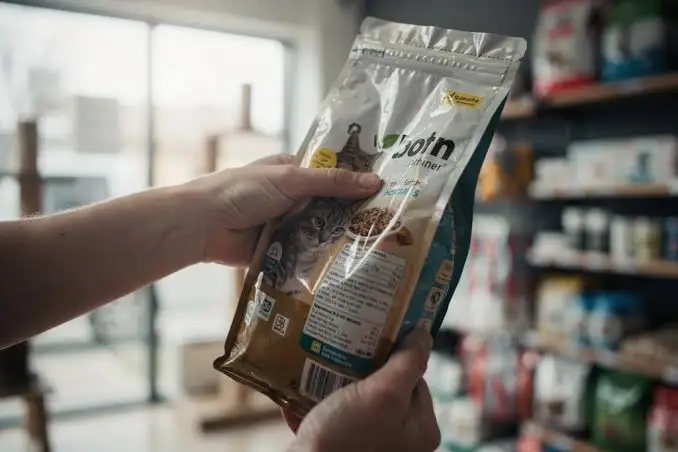
Pet food labels often appear confusing, but learning to read them can quickly separate quality products from poor ones.
Start by examining the ingredient list. Ingredients are listed by weight before cooking, meaning the first few ingredients represent most of the food. Ideally, you should see real animal protein listed first.
Next, locate the nutritional adequacy statement. It should indicate that the product is formulated for growth or all life stages according to recognized nutritional standards. This confirms that the food contains appropriate nutrient levels for kittens.
Pay attention to the guaranteed analysis as well. This section lists minimum protein and fat percentages along with maximum fiber and moisture content. Higher protein is generally beneficial for growing kittens, although balance remains essential.
Avoid being distracted by marketing phrases such as:
- Natural
- Premium
- Gourmet
- Holistic
These words sound impressive but don’t always indicate superior nutrition. Instead, focus on ingredient quality, manufacturer reputation, feeding trials, and veterinary research supporting the product.
Best Kitten Food Wet vs Best Kitten Food Dry
One of the most common questions new cat owners ask is whether wet food or dry food is better. The answer isn’t always straightforward because each type offers unique advantages. Many veterinarians actually recommend combining both to provide balanced nutrition and variety.
Benefits of Wet Food
Many experts consider best kitten food wet products excellent for hydration because they contain around 70–80% water. Since cats naturally have a low thirst drive, additional moisture supports kidney and urinary tract health.
Wet food also tends to be highly palatable. Even picky eaters often enjoy its aroma and texture. Young kittens transitioning from milk usually adapt to wet food more easily because it requires less chewing.
Other advantages include:
- Higher moisture intake
- Softer texture
- Easier digestion
- Excellent taste
- Helpful for kittens with dental discomfort
The main disadvantages are shorter shelf life after opening, higher cost per serving, and the need for refrigeration.
Benefits of Dry Food
High-quality best kitten food dry formulas also offer significant advantages. Dry kibble is convenient to store, costs less over time, and can remain fresh in the bowl longer than canned food.
Chewing kibble may also provide mild mechanical cleaning of the teeth, although it should never replace regular dental care.
Benefits include:
- Budget-friendly
- Easy storage
- Longer shelf life
- Convenient feeding
- Consistent nutrition
Some kittens naturally prefer crunchy textures, making dry food an easy daily option.
Wet vs Dry Comparison
| Feature | Wet Food | Dry Food |
| Moisture | Very High | Low |
| Protein | Usually High | High |
| Cost | Higher | Lower |
| Storage | Refrigerate After Opening | Easy Storage |
| Texture | Soft | Crunchy |
| Hydration | Excellent | Limited |
| Shelf Life | Short After Opening | Long |
Rather than choosing one exclusively, many veterinarians recommend feeding a combination. This approach provides the hydration benefits of wet food while maintaining the convenience and affordability of dry kibble.
How to Choose the Right Food for Your Kitten
Every kitten is unique. Breed, activity level, health conditions, and lifestyle all influence nutritional needs. A food that works perfectly for one kitten may not be the ideal choice for another.
For example, highly active kittens burn more calories and often benefit from energy-dense formulas. Indoor kittens may become less active as they mature, requiring careful portion control to avoid unhealthy weight gain.
If your kitten experiences frequent vomiting, digestive upset, or food sensitivities, your veterinarian may recommend the best kitten food for sensitive stomach that contains easily digestible proteins and limited ingredients. These specialized diets often reduce digestive discomfort while still providing complete nutrition.
Some breeds also have unique nutritional considerations. Large breeds, including Ragdolls, mature more slowly than many other cats. Owners searching for the best kitten food for ragdolls should focus on premium formulas rich in protein, DHA, and balanced minerals to support their longer growth period.
The best choice ultimately depends on your kitten’s individual needs rather than marketing trends. Monitoring body condition, coat quality, energy level, and stool consistency can help determine whether a food is working well.
Feeding Schedule by Age
Feeding your kitten the right amount at the right time is just as important as choosing the best kitten food. Kittens have tiny stomachs but enormous energy needs, so they thrive on smaller, more frequent meals rather than one or two large servings. As your kitten grows, its feeding routine will naturally change. Sticking to a consistent schedule also helps prevent overeating and supports healthy digestion.
The table below provides a general guideline. Keep in mind that activity level, breed, and the calorie content of the food can affect the exact amount your kitten needs.
| Kitten Age | Meals Per Day | Feeding Recommendation |
| 4–8 weeks | 4–6 | Soft or wet kitten food mixed with kitten milk replacer if needed |
| 2–3 months | 4 | High-quality kitten food with fresh water available at all times |
| 3–6 months | 3–4 | Increase portions gradually as growth accelerates |
| 6–12 months | 2–3 | Continue kitten food until around 12 months unless advised otherwise |
Always provide clean, fresh water throughout the day. Even if your kitten eats wet food, hydration remains essential for kidney and urinary health.
Portion Sizes
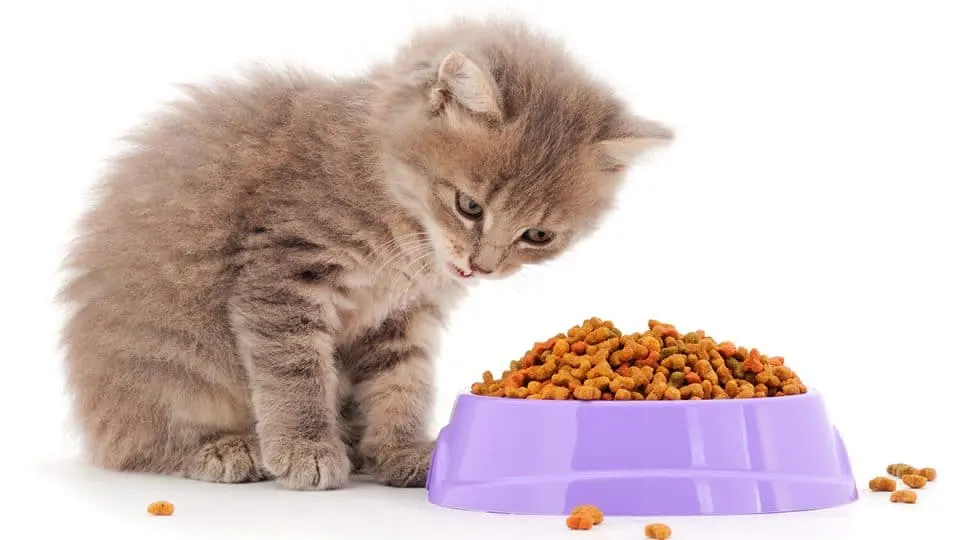
Portion size depends on your kitten’s age, body weight, activity level, and the calorie density of the food. Feeding too little may slow healthy development, while overfeeding can contribute to excess weight gain.
As a general rule:
- Follow the feeding guide on the food packaging.
- Weigh your kitten every few weeks to monitor healthy growth.
- Adjust portions if your veterinarian recommends it.
- Avoid leaving unlimited food available all day unless specifically advised.
Regular veterinary checkups are the best way to ensure your kitten is growing at an appropriate rate.
Transitioning to Adult Food
Most kittens can begin transitioning to adult cat food at around 12 months of age. Larger breeds, such as Maine Coons, may benefit from kitten food for a longer period because they mature more slowly.
To prevent digestive upset, introduce the new food gradually over 7–10 days:
- Days 1–2: 75% kitten food, 25% adult food
- Days 3–5: 50% kitten food, 50% adult food
- Days 6–8: 25% kitten food, 75% adult food
- Days 9–10: 100% adult food
A slow transition gives your kitten’s digestive system time to adapt while reducing the risk of diarrhea or food refusal.
Common Feeding Mistakes
Even caring pet owners can make mistakes when feeding their kittens. Fortunately, most of these are easy to avoid once you know what to watch for.
One of the most common mistakes is feeding adult cat food too early. Adult formulas lack the higher levels of protein, calories, and essential nutrients that growing kittens require. Another mistake is offering too many treats. While treats can be useful for training, they should make up no more than 10% of your kitten’s daily calorie intake.
Many owners also change foods too frequently. Constantly switching brands without a medical reason may upset your kitten’s digestive system. If you need to change foods, always do so gradually.
Human foods can also pose serious risks. Foods such as onions, garlic, chocolate, grapes, raisins, alcohol, caffeine, and cooked bones should never be given to cats. These can cause digestive problems, poisoning, or even life-threatening conditions.
Finally, don’t ignore changes in appetite or stool quality. Persistent vomiting, weight loss, or diarrhea should always be discussed with your veterinarian.
Expert Recommendations for Choosing the Best Kitten Food
Veterinary nutritionists consistently recommend selecting foods from manufacturers with strong research programs, rigorous quality-control standards, and complete nutritional testing. Instead of focusing on trendy ingredients or marketing buzzwords, prioritize products that provide balanced nutrition and are formulated specifically for growing kittens.
If you’re looking for an affordable best kitten food, remember that a higher price doesn’t always guarantee better quality. Many well-established brands offer nutritionally complete formulas at reasonable prices. Compare the ingredient list, nutritional adequacy statement, and feeding cost per day rather than simply choosing the cheapest or most expensive option.
Pet owners also frequently ask, what’s the best kitten food brand? While there isn’t a single perfect answer for every kitten, veterinarians commonly recommend brands with extensive nutritional research and quality assurance, such as:
- Royal Canin
- Hill’s Science Diet
- Purina Pro Plan
- Purina ONE Healthy Kitten
- Iams Healthy Kitten
These brands are widely recognized for meeting kitten nutritional requirements and maintaining consistent manufacturing standards. Your veterinarian may recommend a specific formula based on your kitten’s health, breed, or activity level.
If your kitten develops digestive issues, your veterinarian may suggest the best kitten food for diarrhea, which often contains highly digestible proteins, prebiotics, probiotics, and limited ingredients. However, diarrhea lasting more than a day or accompanied by lethargy, vomiting, or dehydration should never be treated with diet changes alone—professional veterinary care is essential.
Conclusion
Choosing the best kitten food is one of the most valuable investments you can make in your cat’s lifelong health. A balanced diet supports healthy growth, strong bones, brain development, a resilient immune system, and a glossy coat during the critical first year of life. Rather than being influenced by attractive packaging or marketing claims, focus on foods that are specifically formulated for kittens, contain high-quality animal protein, and meet recognized nutritional standards.
Every kitten is unique, so the ideal food may vary depending on age, breed, activity level, and any medical conditions. Monitor your kitten’s weight, energy, digestion, and overall condition, and don’t hesitate to consult your veterinarian if you have concerns. Combined with regular checkups, fresh water, and a consistent feeding routine, the right nutrition gives your kitten the strongest possible start.
A healthy kitten today becomes a healthy adult cat tomorrow—and every meal is an opportunity to support that journey.
FAQs
What is the best recommended kitten food?
Veterinarians generally recommend kitten foods that are nutritionally complete, rich in animal protein, and formulated specifically for growth. Trusted brands such as Royal Canin, Hill’s Science Diet, and Purina Pro Plan are popular choices.
What is the best food to give your kitten?
A complete and balanced kitten food made with high-quality animal protein is the best choice. Both wet and dry formulas can be excellent when they meet recognized nutritional standards.
Which cat food is best for a kitten?
Choose food labeled for growth or all life stages that contains essential nutrients such as taurine, DHA, vitamins, and minerals. Your veterinarian can help you select the most suitable option for your kitten.
What is the 3-3-3 rule for kittens?
The 3-3-3 rule describes how many newly adopted kittens adjust to a new home. They may take roughly 3 days to decompress, 3 weeks to learn the routine, and 3 months to feel fully comfortable and secure.
How do I say “I love you” in cat language?
Cats communicate affection through slow blinking, gentle head bumps, purring, relaxed body language, and spending time near people they trust. You can return the affection by slow blinking, speaking softly, playing together, and respecting your cat’s boundaries.
⭐ Make MindLiva Your Preferred Source on Google
Get trusted health, wellness, and lifestyle articles from MindLiva.
Add MindLiva
Samie Babaei is a medical science student at Shahid Beheshti University of Medical Sciences with a strong interest in health, wellness, and medical research. As a health writer and researcher at MindLiva, she focuses on creating clear, evidence-based content that helps readers better understand health and well-being.