


Best Top-Rated Systems for AI-Driven Healthcare Tasks Today
Imagine visiting a hospital where doctors receive instant insights from advanced software before they even review your test results. That future is no longer science fiction. Artificial intelligence has become one of the biggest technological advances in healthcare, helping medical professionals diagnose diseases faster, improve patient care, and reduce administrative work.
Today, top-rated systems for AI-driven healthcare tasks are supporting hospitals, clinics, research laboratories, and telemedicine providers worldwide. Rather than replacing physicians, these intelligent systems act as trusted assistants, analyzing enormous amounts of medical data in seconds while helping clinicians make more informed decisions.
This article explores the leading AI healthcare systems, their advantages, real-world applications, challenges, and what healthcare organizations should consider before adopting them.
Why AI Is Transforming Modern Healthcare
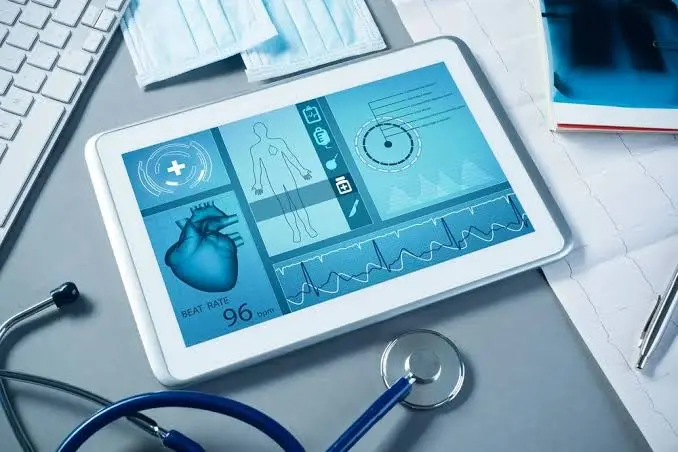
Healthcare generates enormous amounts of data every single day. Electronic health records, laboratory reports, medical images, prescriptions, wearable devices, and genomic information all contribute to an ever-growing pool of information. For human professionals alone, reviewing every detail efficiently is nearly impossible. Artificial intelligence changes that by processing massive datasets within seconds and identifying meaningful patterns that might otherwise go unnoticed.
Hospitals are increasingly investing in top-rated systems for AI-driven healthcare tasks because these platforms improve speed without sacrificing quality. AI algorithms can identify abnormalities in X-rays, detect irregular heart rhythms from wearable devices, predict patient deterioration, and even recommend treatment options based on clinical evidence. As healthcare systems continue facing staff shortages and rising patient numbers, automation has become more valuable than ever.
Another major reason for AI adoption is consistency. Human experts naturally experience fatigue, distractions, or varying interpretations during long shifts. AI systems provide standardized analysis every time they process information. While medical professionals always make the final decision, intelligent software offers another layer of confidence that can reduce diagnostic errors and improve patient outcomes.
Recent advances in cloud computing, machine learning, and large language models have also made AI tools more accessible. Small clinics, private practices, and rural hospitals can now benefit from technologies that were once available only to major medical centers.
The Growing Demand for Intelligent Healthcare Systems
Several trends are driving the rapid expansion of healthcare AI. Aging populations require more medical care than ever before, while chronic diseases such as diabetes, cardiovascular disease, and cancer continue to increase worldwide. Healthcare providers need smarter tools to manage growing patient demands efficiently.
At the same time, patients expect faster appointments, personalized treatment plans, and better communication with healthcare providers. AI-powered virtual assistants, automated scheduling systems, and intelligent patient monitoring platforms help healthcare organizations meet these expectations while reducing operational costs.
The COVID-19 pandemic also accelerated digital transformation across healthcare. Hospitals adopted telemedicine, remote monitoring, and AI-supported diagnostics much faster than previously expected. Those investments continue today, encouraging innovation across every area of medicine.
Healthcare leaders increasingly recognize that ai driven healthcare is not simply another technology trend—it is becoming an essential part of delivering efficient, high-quality patient care in today’s digital world.
What Makes a Healthcare AI System Top-Rated?
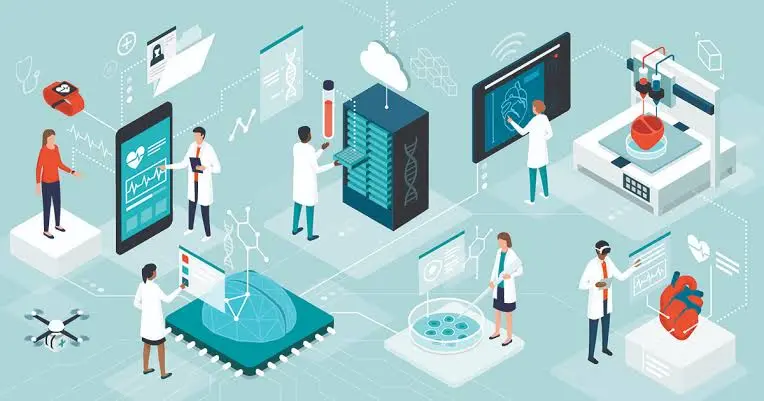
Not every healthcare AI platform delivers the same level of performance. The top-rated systems for AI-driven healthcare tasks share several characteristics that distinguish them from average software solutions.
First, accuracy is essential. AI systems must consistently provide reliable recommendations backed by extensive clinical validation. Developers train these models using millions of anonymized medical records, imaging studies, laboratory reports, and peer-reviewed research to ensure dependable performance across different patient populations.
Second, interoperability matters. Healthcare providers use numerous software systems, including electronic health records, laboratory management systems, pharmacy platforms, and imaging databases. Effective AI solutions integrate smoothly into these existing environments without disrupting clinical workflows.
Security represents another critical requirement. Medical information is among the most sensitive categories of personal data. Top healthcare AI platforms employ advanced encryption, strict access controls, audit trails, and regulatory compliance measures to protect patient privacy.
Ease of use is equally important. Physicians should not need advanced technical expertise to benefit from AI recommendations. User-friendly interfaces, intuitive dashboards, and seamless workflow integration encourage adoption while minimizing training requirements.
Finally, transparency builds trust. Clinicians need to understand why an AI system generated a particular recommendation rather than accepting a “black box” answer without explanation. Explainable AI is becoming a defining feature of leading healthcare platforms.
Top-Rated Systems for AI-Driven Healthcare Tasks
Healthcare organizations are no longer asking whether they should adopt artificial intelligence. Instead, they are deciding which platforms provide the greatest value. The top-rated systems for AI-driven healthcare tasks combine advanced machine learning, secure cloud infrastructure, and user-friendly interfaces that fit naturally into clinical workflows. These systems are designed to support—not replace—healthcare professionals by providing faster insights, improving diagnostic accuracy, and reducing administrative burdens.
The most successful AI platforms are also highly specialized. Some excel at medical imaging, while others focus on patient documentation, drug discovery, predictive analytics, or clinical decision support. Choosing the right solution depends on the healthcare organization’s size, specialty, and goals.
Below are some of the leading AI healthcare systems making a significant impact today.
Microsoft Dragon Copilot
Microsoft Dragon Copilot combines conversational AI with clinical documentation to reduce paperwork for healthcare professionals. Instead of spending valuable time typing patient notes, physicians can use voice recognition to generate accurate medical documentation in real time.
One of its greatest strengths is improving physician productivity. Doctors often spend hours completing electronic health records after seeing patients. Dragon Copilot dramatically shortens this process by automatically summarizing conversations while preserving important clinical details.
Key advantages include:
- Voice-based clinical documentation
- Automatic note generation
- Electronic health record integration
- Improved physician efficiency
- Reduced administrative workload
Hospitals adopting these technologies often report improved clinician satisfaction because doctors can spend more time focusing on patient care rather than paperwork.
Google MedLM
Google’s MedLM is designed specifically for healthcare applications. Unlike general-purpose language models, MedLM is trained using medical knowledge, allowing it to understand clinical terminology, healthcare documentation, and medical reasoning more accurately.
Healthcare organizations use MedLM to summarize patient records, answer clinical questions, assist medical research, and support healthcare professionals during diagnosis. It also helps reduce information overload by organizing large amounts of patient data into easy-to-read summaries.
Its flexibility makes it suitable for hospitals, healthcare startups, insurance companies, and digital health platforms seeking scalable AI-powered solutions.
Aidoc
Medical imaging remains one of the fastest-growing areas of artificial intelligence. Aidoc specializes in analyzing CT scans and other imaging studies to identify urgent abnormalities within minutes.
Rather than replacing radiologists, Aidoc acts as an intelligent assistant. It automatically flags potentially life-threatening findings, allowing radiologists to prioritize the most critical cases.
This can significantly reduce treatment delays for conditions such as:
- Stroke
- Pulmonary embolism
- Brain hemorrhage
- Cervical spine fractures
- Aortic emergencies
Early detection often improves patient outcomes, making AI-powered imaging one of healthcare’s most valuable innovations.
Viz.ai
Viz.ai focuses primarily on stroke detection and emergency care coordination. Every minute matters during a stroke because brain cells begin dying rapidly when blood flow is interrupted.
The platform analyzes brain scans almost immediately after imaging is completed. If it detects signs of a stroke, it alerts specialists, emergency physicians, and neurologists simultaneously.
This coordinated communication allows hospitals to begin treatment much sooner than traditional workflows, potentially reducing permanent disability for patients.
PathAI
PathAI helps pathologists analyze tissue samples more consistently and accurately. Cancer diagnosis often depends on microscopic examination of tissue slides, a process that requires years of expertise.
Artificial intelligence assists by highlighting suspicious regions, measuring biomarkers, and identifying subtle patterns that may be difficult to detect manually.
Benefits include:
- Improved diagnostic consistency
- Faster pathology workflows
- Better cancer detection
- Enhanced treatment planning
- Reduced diagnostic variation
Many cancer centers now integrate AI-assisted pathology into their diagnostic process.
Tempus AI
Tempus AI specializes in precision medicine. Rather than treating every patient with the same approach, precision medicine uses genetic information and clinical history to recommend personalized treatments.
The platform analyzes genomic sequencing, laboratory data, imaging studies, and clinical records to help physicians choose therapies most likely to benefit individual patients.
This approach is especially valuable in oncology, where genetic mutations can determine which medications are most effective.
Tempus AI represents one of today’s leading ai-driven healthcare solutions for personalized medicine.
NVIDIA Clara
NVIDIA Clara provides an AI development platform for medical imaging, genomics, robotics, and hospital research.
Instead of offering one single application, Clara supplies developers and healthcare organizations with powerful tools for building custom healthcare AI systems.
Its technologies support:
- Medical image analysis
- Surgical robotics
- Drug discovery
- Clinical research
- Medical device development
As healthcare organizations continue developing specialized AI applications, platforms like Clara provide the computing foundation required for innovation.
IBM Watson for Healthcare
IBM has evolved its healthcare AI offerings through watsonx, focusing on enterprise-grade AI solutions for healthcare organizations.
These systems help organizations manage large datasets, automate document processing, improve clinical decision support, and analyze healthcare operations.
Unlike earlier AI tools, watsonx emphasizes transparency, governance, and responsible AI deployment, all of which are increasingly important in regulated healthcare environments.
Comparison of Leading AI Healthcare Systems
| AI System | Primary Strength | Best Use Case |
| Microsoft Dragon Copilot | Clinical documentation | Physician productivity |
| Google MedLM | Medical language understanding | Clinical summaries |
| Aidoc | Medical imaging | Emergency radiology |
| Viz.ai | Stroke detection | Emergency medicine |
| PathAI | Digital pathology | Cancer diagnosis |
| Tempus AI | Precision medicine | Personalized treatment |
| NVIDIA Clara | AI development platform | Medical research |
| IBM watsonx | Enterprise AI | Healthcare operations |
Real-World Applications of AI in Healthcare
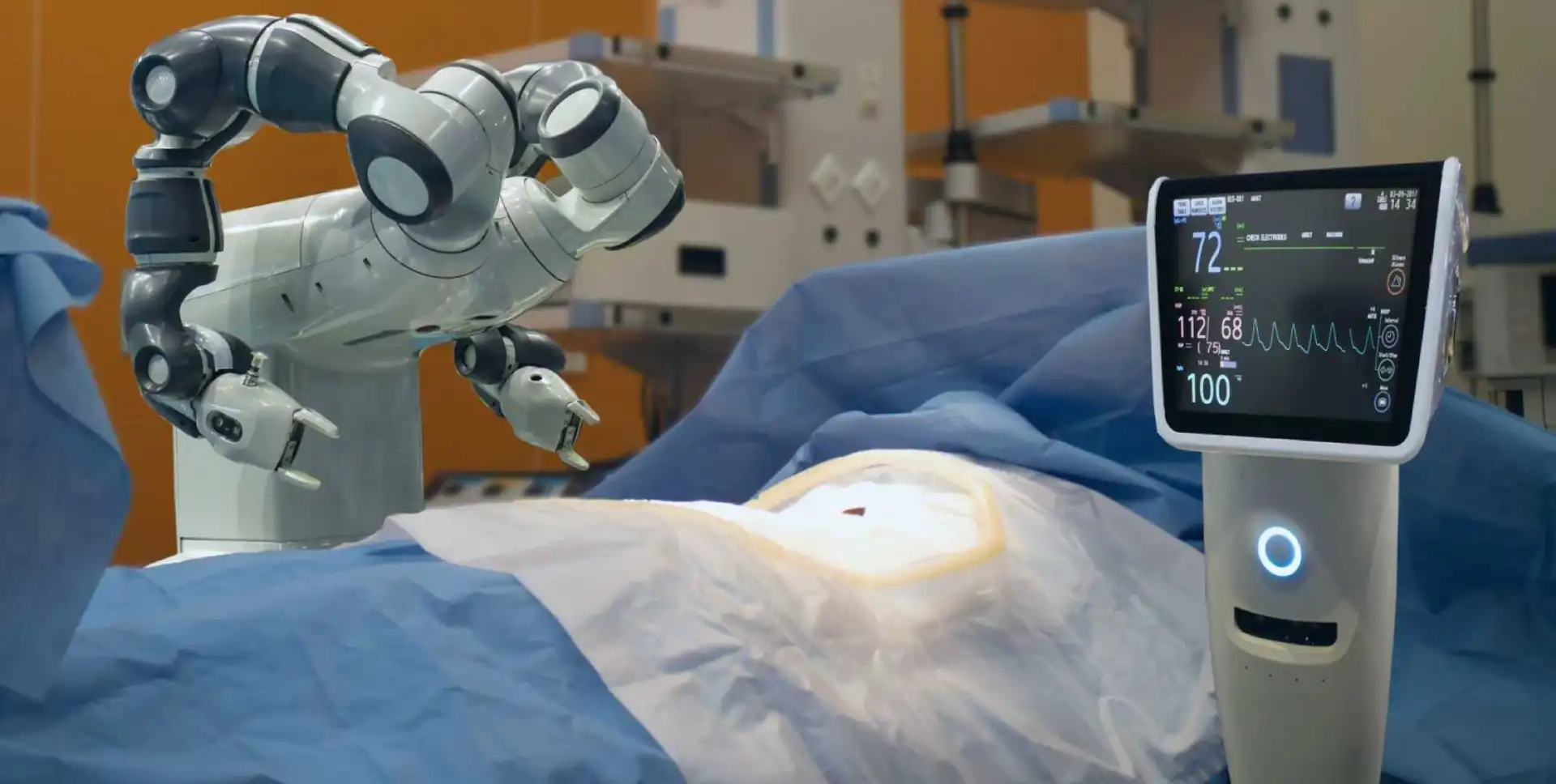
Early Disease Detection
One of the most exciting developments involves ai-driven healthcare diagnostics. Modern AI systems can detect diseases earlier than traditional methods by recognizing subtle abnormalities in imaging studies, blood tests, and patient histories.
For example, AI algorithms have demonstrated impressive performance in detecting diabetic retinopathy, certain skin cancers, breast cancer, and lung nodules from medical images. Earlier diagnosis often means earlier treatment, which can significantly improve patient outcomes.
Hospitals are also using predictive models to identify patients at risk of sepsis hours before symptoms become severe, giving healthcare teams valuable time to begin life-saving interventions.
Hospital Workflow Automation
Administrative tasks consume a significant portion of healthcare professionals’ time. AI now automates scheduling, billing support, medical coding, documentation, insurance verification, and patient communication.
Automation reduces burnout while allowing physicians and nurses to focus on patient care instead of repetitive paperwork.
Remote Patient Monitoring
Wearable devices continuously collect heart rate, oxygen saturation, blood pressure, glucose levels, and activity data.
AI analyzes these streams in real time, alerting clinicians when patients show signs of deterioration. Remote monitoring has become particularly valuable for managing chronic diseases such as diabetes and heart failure.
Drug Discovery
Developing a new medicine traditionally takes many years and billions of dollars. AI accelerates drug discovery by predicting molecular interactions, identifying promising drug candidates, and reducing the number of unsuccessful laboratory experiments.
Pharmaceutical companies increasingly rely on ai-driven healthcare innovations to shorten development timelines and improve research efficiency.
Conclusion
Artificial intelligence is no longer an emerging technology—it has become a practical solution for improving healthcare around the world. The top-rated systems for AI-driven healthcare tasks are helping physicians diagnose diseases earlier, automate documentation, enhance medical imaging, personalize treatments, and improve hospital efficiency.
Platforms such as Microsoft Dragon Copilot, Google MedLM, Aidoc, Viz.ai, PathAI, Tempus AI, NVIDIA Clara, and IBM watsonx demonstrate how AI can solve different healthcare challenges while supporting clinical decision-making. Each system offers unique strengths, making it important for healthcare organizations to evaluate their specific needs before investing in new technologies.
As artificial intelligence continues to evolve, healthcare providers that embrace responsible innovation will be better positioned to deliver faster, safer, and more personalized care. AI is not replacing healthcare professionals—it is giving them better tools to improve patient outcomes and shape the future of medicine.
Frequently Asked Questions
1. What are the top-rated systems for AI-driven healthcare tasks?
Some of the leading platforms include Microsoft Dragon Copilot, Google MedLM, Aidoc, Viz.ai, PathAI, Tempus AI, NVIDIA Clara, and IBM watsonx. Each focuses on different healthcare applications such as diagnostics, documentation, medical imaging, and clinical decision support.
2. How does AI improve healthcare diagnostics?
AI analyzes medical images, laboratory results, and patient records to identify patterns that may indicate disease earlier than traditional methods. It supports physicians by providing faster and more consistent diagnostic insights.
3. Is AI replacing doctors?
No. AI is designed to assist healthcare professionals rather than replace them. Physicians remain responsible for diagnosis, treatment decisions, and patient care while AI provides data-driven recommendations.
4. What are the biggest challenges of healthcare AI?
The primary challenges include data privacy, algorithm bias, regulatory compliance, cybersecurity, integration with existing systems, and ensuring transparency in AI decision-making.
5. What is the future of AI in healthcare?
Future AI systems will focus on predictive medicine, personalized treatments, remote patient monitoring, faster drug discovery, and intelligent clinical decision support, helping healthcare become more preventive and patient-centered.
⭐ Make MindLiva Your Preferred Source on Google
Get trusted health, wellness, and lifestyle articles from MindLiva.
Add MindLiva
Samie Babaei is a medical science student at Shahid Beheshti University of Medical Sciences with a strong interest in health, wellness, and medical research. As a health writer and researcher at MindLiva, she focuses on creating clear, evidence-based content that helps readers better understand health and well-being.