

AI Driven Healthcare: Improving Healthcare Accessibility
Healthcare has always faced one major challenge—making quality care available to everyone. Millions of people still struggle to receive timely medical treatment because of distance, high costs, or a shortage of healthcare professionals. Fortunately, technology is helping solve many of these problems.
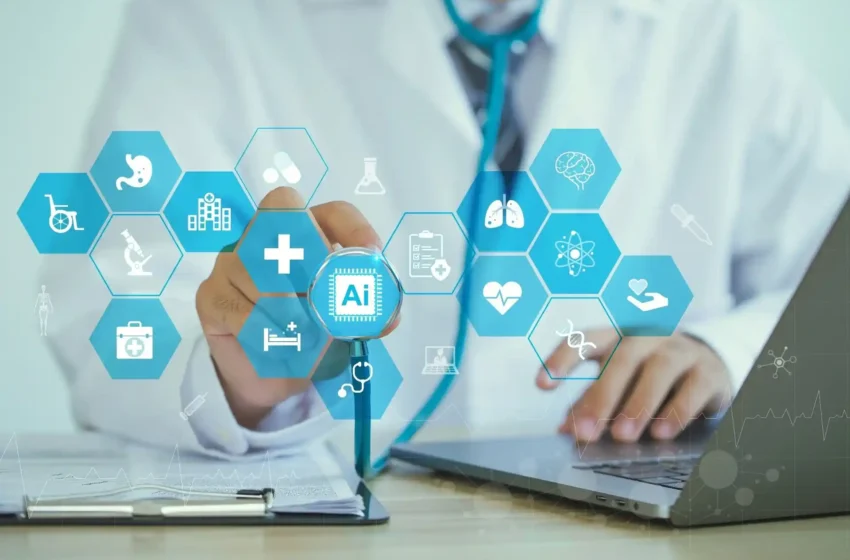
Today, ai driven healthcare is transforming the way hospitals, clinics, and healthcare providers deliver medical services. Artificial intelligence is no longer a futuristic idea. Instead, it has become a practical tool that helps doctors diagnose diseases, predict health risks, automate routine tasks, and provide personalized care.
Moreover, patients can now receive medical advice without leaving their homes. Rural communities have greater access to specialists, while healthcare organizations can improve efficiency without compromising quality.
In this article, you’ll learn how AI is improving healthcare accessibility, the technologies behind this transformation, the benefits and challenges, and why experts believe artificial intelligence will continue reshaping healthcare over the next decade.
Why Healthcare Accessibility Matters
Healthcare accessibility means people can receive medical services whenever they need them regardless of where they live, how much they earn, or their physical condition.
Unfortunately, many healthcare systems still experience common challenges:
- Long waiting times
- High treatment costs
- Lack of specialists
- Unequal healthcare access
- Administrative delays
- Limited healthcare resources
According to the World Health Organization (WHO), millions of people worldwide still lack access to essential healthcare services. As populations continue growing and aging, healthcare providers need smarter solutions to meet increasing demand.
Artificial intelligence offers one of the most promising answers.
How ai driven healthcare Is Transforming Medical Services
Artificial intelligence uses machine learning, deep learning, computer vision, and natural language processing to analyze enormous amounts of medical information within seconds.
Instead of replacing healthcare professionals, AI acts as a powerful assistant that supports faster and better decision-making.
Some of the biggest improvements include:
- Faster diagnosis
- Better treatment planning
- Early disease detection
- Reduced administrative work
- Improved patient monitoring
- Personalized medicine
These improvements allow doctors to spend more time focusing on patient care rather than paperwork.
Faster Medical Diagnosis
One of AI’s greatest strengths is recognizing patterns that humans may overlook.
Medical imaging systems can examine thousands of X-rays, MRIs, and CT scans much faster than traditional methods. They identify possible abnormalities and help radiologists review images more efficiently.
This has become especially valuable for detecting diseases such as:
- Breast cancer
- Lung cancer
- Stroke
- Pneumonia
- Diabetic eye disease
Although doctors always make the final decision, AI provides another layer of confidence during diagnosis.
AI Helps Patients Receive Care Earlier

Early diagnosis often leads to better treatment outcomes.
Artificial intelligence continuously monitors patient information from:
- Electronic Health Records (EHR)
- Laboratory tests
- Wearable devices
- Smartwatches
- Home monitoring equipment
If unusual health patterns appear, AI can alert healthcare providers before symptoms become severe.
For example, wearable heart monitors can detect irregular heart rhythms and notify physicians immediately.
As a result, patients receive treatment earlier while avoiding unnecessary hospital admissions.
AI Makes Healthcare Available Anywhere
Location should never determine healthcare quality.
However, many rural communities face shortages of doctors and specialists.
Artificial intelligence supports telemedicine by helping physicians evaluate symptoms remotely. Patients can upload medical images, answer health questionnaires, and communicate with doctors online.
This approach saves:
- Travel time
- Transportation costs
- Hospital resources
- Patient waiting time
Moreover, hospitals can serve more patients without increasing staff significantly.
Virtual Health Assistants
Many healthcare organizations now use AI-powered virtual assistants to answer common patient questions.
These assistants can help people:
- Schedule appointments
- Refill prescriptions
- Understand medications
- Monitor chronic conditions
- Receive health reminders
Unlike traditional customer support, virtual assistants are available 24 hours a day.
This continuous availability greatly improves patient satisfaction.
Personalized Medicine Is Becoming Reality

Every patient is unique.
Age, genetics, lifestyle, and medical history all influence treatment effectiveness.
Artificial intelligence analyzes these factors to recommend personalized treatment plans instead of relying solely on generalized guidelines.
Doctors can use AI recommendations to determine:
- Medication dosage
- Disease risk
- Treatment response
- Lifestyle improvements
- Follow-up schedules
This personalized approach often improves patient outcomes while reducing unnecessary treatments.
Chronic Disease Management
Chronic diseases account for a significant percentage of global healthcare costs.
Conditions like:
- Diabetes
- Heart disease
- Hypertension
- Asthma
- Kidney disease
require continuous monitoring.
AI systems analyze patient data daily and identify warning signs before emergencies occur.
For example, smart glucose monitors continuously measure blood sugar levels and notify both patients and healthcare providers when readings become dangerous.
This allows earlier intervention and fewer hospital visits.
Improving Hospital Efficiency
Hospitals generate enormous amounts of information every day.
Doctors write clinical notes.
Laboratories process thousands of tests.
Pharmacies manage medications.
Administrative staff schedule appointments.
Artificial intelligence automates many repetitive tasks, allowing healthcare workers to focus on patient care.
Examples include:
- Appointment scheduling
- Medical coding
- Billing support
- Patient triage
- Medical record organization
- Resource planning
As a result, hospitals operate more efficiently while reducing administrative costs.
AI Supports Healthcare Professionals
Contrary to popular belief, AI is not replacing doctors.
Instead, it serves as an intelligent assistant.
Healthcare professionals still provide:
- Clinical judgment
- Patient communication
- Emotional support
- Ethical decision-making
- Complex treatment planning
Artificial intelligence simply provides additional information faster than traditional methods.
This partnership improves both efficiency and patient safety.
The Rise of ai-driven healthcare solutions
Healthcare organizations around the world are investing heavily in ai-driven healthcare solutions to improve patient experiences and reduce operational costs.
These technologies are helping hospitals streamline workflows, predict patient needs, optimize staffing, and enhance treatment planning. As computing power continues to grow, AI tools are becoming more accurate, affordable, and accessible for both large hospitals and smaller healthcare facilities.
Moreover, cloud computing and secure data sharing make it possible for healthcare providers to collaborate more effectively across regions, ensuring patients receive timely care regardless of their location.
AI in Emergency Care
Emergency departments often experience overcrowding and limited resources.
Artificial intelligence helps prioritize patients based on the urgency of their condition.
Instead of relying only on manual assessment, AI can quickly evaluate symptoms, medical history, and vital signs to identify patients who need immediate attention.
This reduces waiting times for critical cases and improves the overall efficiency of emergency services.
In disaster situations or disease outbreaks, AI can also predict resource needs, helping hospitals prepare before demand peaks.
AI-Driven Healthcare Diagnostics Are Becoming More Accurate
One of the biggest breakthroughs in modern medicine is ai-driven healthcare diagnostics. These intelligent systems can analyze enormous amounts of medical data much faster than traditional methods while helping healthcare professionals make informed decisions.
For example, AI can compare a patient’s medical images with millions of previous cases in just seconds. It identifies patterns that may indicate cancer, heart disease, fractures, or neurological disorders.
Although AI does not replace doctors, it acts as an intelligent second opinion. This extra layer of analysis helps reduce diagnostic errors and supports earlier treatment.
Several studies have shown that AI-assisted diagnosis can improve accuracy in areas such as:
- Breast cancer screening
- Skin cancer detection
- Eye disease diagnosis
- Stroke identification
- Lung disease analysis
As AI algorithms continue learning from new medical data, their performance becomes even stronger.
AI Is Revolutionizing Medical Research
Medical research often requires years of testing before new treatments reach patients.
Artificial intelligence is helping researchers shorten this timeline.
Instead of manually reviewing millions of scientific papers and clinical trial records, AI can process the information within minutes.
Researchers now use AI to:
- Discover new drug candidates
- Predict treatment effectiveness
- Analyze genetic information
- Match patients with clinical trials
- Identify disease patterns
This allows scientists to focus more on innovation instead of repetitive data analysis.
For example, during recent global health emergencies, AI helped researchers analyze virus structures and identify potential treatment options much faster than traditional research methods.
Predictive Analytics Saves Lives
Modern healthcare is becoming proactive instead of reactive.
Rather than waiting for patients to become seriously ill, AI predicts future health risks before symptoms appear.
Predictive analytics examines factors such as:
- Family history
- Lifestyle habits
- Blood test results
- Previous illnesses
- Wearable device data
- Medication history
Hospitals use these insights to identify patients at higher risk of complications.
As a result, doctors can recommend preventive care, reducing hospital admissions and improving long-term health.
AI Supports Mental Healthcare
Mental health services continue to grow worldwide.
Artificial intelligence is helping expand access to psychological support, especially in areas where therapists are limited.
AI-powered platforms can:
- Monitor mood changes
- Screen for anxiety or depression
- Recommend coping strategies
- Track emotional progress
- Remind patients about therapy sessions
However, these tools are designed to support—not replace—licensed mental health professionals. Human empathy, clinical judgment, and therapeutic relationships remain essential.
AI and Wearable Technology
Smart devices are becoming valuable healthcare partners.
Fitness trackers, smartwatches, and wearable sensors collect health information throughout the day.
These devices monitor:
- Heart rate
- Sleep quality
- Blood oxygen levels
- Physical activity
- Stress levels
- Blood glucose (on compatible devices)
Artificial intelligence analyzes this continuous stream of information and alerts users when unusual changes occur.
For example, a smartwatch may detect an irregular heartbeat and encourage the user to seek medical evaluation before serious complications develop.
The Future of AI-Driven Healthcare Innovations
Healthcare technology continues evolving rapidly.
Many experts believe the next decade will introduce even more ai-driven healthcare innovations that improve accessibility, affordability, and patient outcomes.
Some expected developments include:
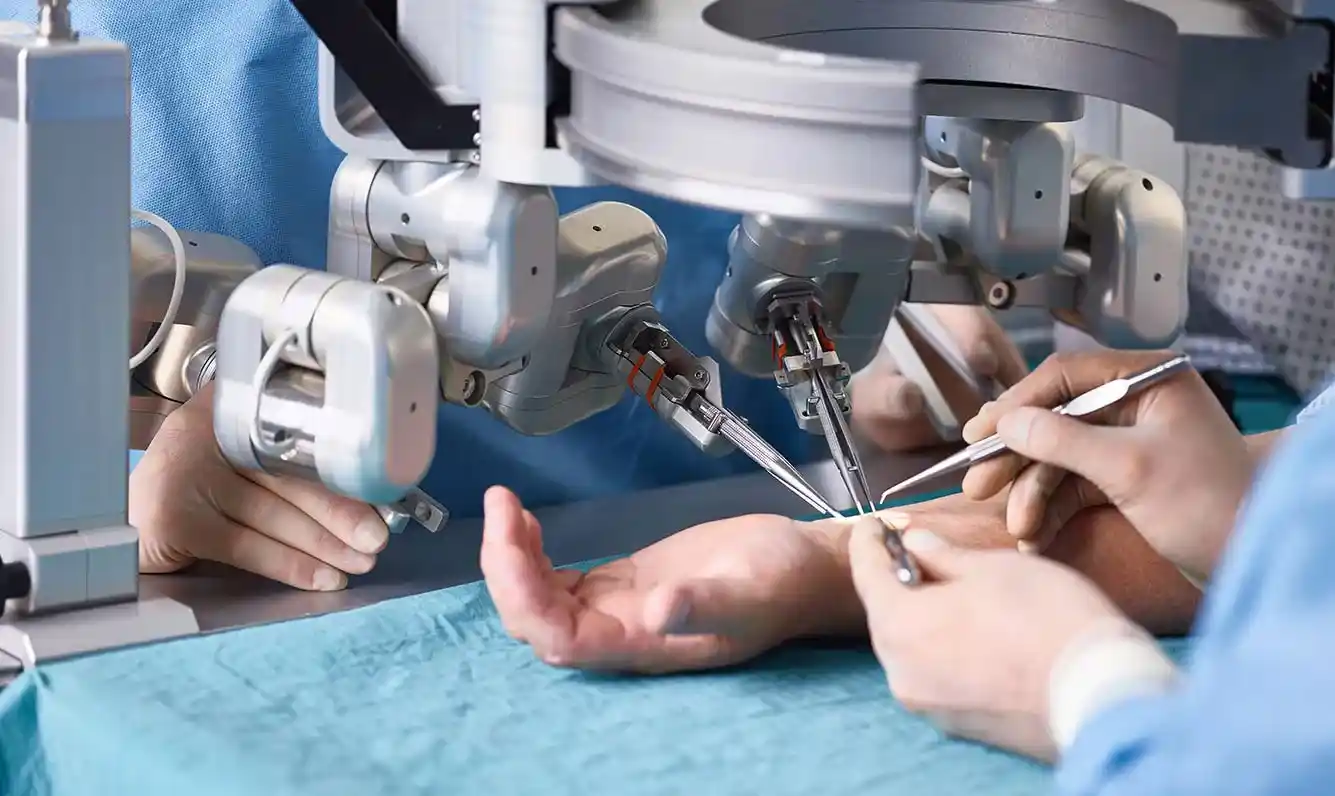
AI-Assisted Surgery
Robotic systems supported by AI may assist surgeons with greater precision during complex procedures.
Digital Twins
Researchers are exploring virtual models of patients that simulate how different treatments may work before they are applied in real life.
Personalized Drug Development
AI could help create medications tailored to an individual’s genetic profile, increasing effectiveness while reducing side effects.
Smart Hospitals
Future hospitals may automatically coordinate staffing, equipment, patient flow, and resource allocation using AI, reducing delays and improving efficiency.
These innovations have the potential to transform healthcare on a global scale.
Top-Rated Systems for AI-Driven Healthcare Tasks
Healthcare organizations rely on several top-rated systems for ai-driven healthcare tasks to improve diagnostics, workflow management, medical imaging, and patient care.
Some widely recognized examples include:
- Google Health – Supports medical imaging research and diagnostic assistance.
- IBM Watson Health Technologies – Uses AI to analyze medical information and support clinical decision-making.
- Aidoc – Helps radiologists detect urgent findings in medical images.
- Tempus – Uses AI and genomic data to advance precision medicine.
- PathAI – Assists pathologists with more accurate disease detection.
Each platform focuses on different healthcare needs, but all aim to improve efficiency and patient outcomes.
Benefits of AI in Healthcare
Artificial intelligence provides advantages for everyone involved in healthcare.
Benefits for Patients
- Faster diagnosis
- Better treatment plans
- Shorter waiting times
- Improved access to specialists
- More personalized care
- Better monitoring of chronic diseases
Benefits for Healthcare Providers
- Reduced administrative work
- Improved workflow efficiency
- Better resource planning
- Increased diagnostic support
- Lower operational costs
Benefits for Healthcare Systems
- Improved healthcare accessibility
- Better use of limited resources
- Lower long-term healthcare spending
- More accurate population health analysis
Overall, AI helps create a healthcare system that is more responsive, efficient, and patient-centered.
Challenges That Still Need Attention
Despite its many advantages, AI also presents important challenges.
Data Privacy
Healthcare data is highly sensitive. Hospitals must protect patient information through strong cybersecurity measures and compliance with privacy regulations.
Algorithm Bias
AI systems learn from existing datasets. If those datasets are incomplete or unbalanced, recommendations may not perform equally well for every population.
High Implementation Costs
Advanced AI technologies require investment in infrastructure, software, and staff training. Smaller healthcare organizations may face financial barriers.
Ethical Decision-Making
Healthcare decisions often involve compassion, communication, and ethical judgment—areas where human professionals remain indispensable.
Addressing these challenges responsibly will be essential for building trust in AI-powered healthcare.
Conclusion
Artificial intelligence is reshaping healthcare by making medical services more accessible, efficient, and personalized. From earlier diagnosis and remote consultations to predictive analytics and smarter hospital operations, AI is helping healthcare providers deliver higher-quality care while reducing costs and improving patient experiences.
At the same time, responsible implementation remains essential. Protecting patient privacy, ensuring fairness, and maintaining human oversight will determine how successfully AI integrates into healthcare.
Looking ahead, AI is expected to become an even more valuable partner for doctors, nurses, researchers, and patients. By combining advanced technology with human compassion, healthcare systems can reach more people and provide better care than ever before.
Frequently Asked Questions
What is AI-based healthcare?
AI-based healthcare uses artificial intelligence to analyze medical data, support diagnosis, improve treatment planning, automate routine tasks, and enhance patient care while assisting healthcare professionals.
What are some examples of AI in healthcare?
Examples include medical image analysis, virtual health assistants, wearable health monitoring, predictive analytics, robotic surgery assistance, and personalized treatment recommendations.
What will AI do to the healthcare industry?
AI will improve efficiency, increase diagnostic accuracy, reduce administrative work, expand telemedicine, support medical research, and make healthcare more accessible for people worldwide.
Which 3 jobs will survive AI?
Jobs that rely heavily on human judgment and interpersonal skills are likely to remain in demand, including physicians, nurses, and psychologists. These roles combine technical expertise with empathy and ethical decision-making.
Which career will AI not replace?
No career is completely immune to technological change, but professions requiring complex human interaction, creativity, leadership, and ethical responsibility—such as doctors, therapists, educators, and social workers—are expected to continue relying heavily on human expertise.
⭐ Make MindLiva Your Preferred Source on Google
Get trusted health, wellness, and lifestyle articles from MindLiva.
Add MindLiva
Samie Babaei is a medical science student at Shahid Beheshti University of Medical Sciences with a strong interest in health, wellness, and medical research. As a health writer and researcher at MindLiva, she focuses on creating clear, evidence-based content that helps readers better understand health and well-being.