



Best Kitten Food for Sensitive Stomach: What to Buy & Avoid
Every kitten deserves a healthy start in life. However, if your little companion often has loose stools, vomiting, gas, or refuses to eat, feeding time can quickly become stressful. A sensitive stomach is common in young kittens because their digestive systems are still developing.
Choosing the best kitten food for sensitive stomach concerns is one of the simplest ways to improve digestive health while supporting proper growth. The right diet can reduce stomach upset, improve nutrient absorption, and help your kitten stay active and playful.
As someone who has helped several rescue kittens transition from poor-quality diets to gentle nutrition, I have seen remarkable improvements within a few weeks. Simple changes—such as switching to easily digestible proteins and introducing new food slowly—often make a noticeable difference.
In this guide, you’ll discover what causes digestive sensitivity, which ingredients matter most, how to select quality food, and practical feeding habits that help kittens thrive.
Why Choosing the Best Kitten Food for Sensitive Stomach Matters
A kitten grows faster during its first year than at almost any other time in its life. During this stage, every meal provides the building blocks for healthy muscles, bones, organs, and the immune system.
When digestion is poor, kittens cannot fully absorb nutrients. Consequently, they may experience:
- Loose stools
- Vomiting
- Slow weight gain
- Low energy
- Poor coat quality
- Dehydration
Moreover, frequent digestive problems can make kittens fearful of eating, creating additional challenges for owners.
A gentle, balanced diet supports healthy digestion while supplying enough calories for rapid growth.
Signs Your Kitten May Have a Sensitive Stomach
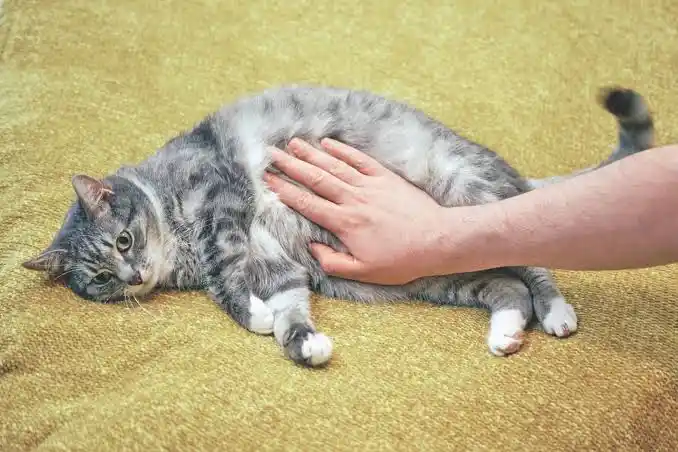
Some symptoms appear only occasionally, while others become frequent.
Watch for these common signs:
- Regular diarrhea
- Soft stool
- Vomiting after meals
- Excessive gas
- Bloated stomach
- Reduced appetite
- Weight loss
- Frequent stomach noises
These signs do not always mean food is the problem. Parasites, infections, stress, or sudden dietary changes may also contribute. Therefore, ongoing digestive problems should always be discussed with your veterinarian.
Understanding What Causes Digestive Sensitivity
Knowing the cause makes it much easier to choose the right food.
Immature Digestive System
Young kittens naturally have delicate digestive systems. Their bodies are still learning how to process proteins, fats, and carbohydrates efficiently.
As a result, even healthy kittens may react poorly to rich or low-quality foods.
Sudden Food Changes
One of the biggest mistakes owners make is changing food overnight.
Instead, experts recommend mixing old and new food over seven to ten days. This gradual transition allows the digestive system to adjust comfortably.
Food Intolerance
Some kittens struggle to digest certain ingredients.
Common triggers include:
- Dairy products
- Artificial colors
- Artificial preservatives
- Low-quality meat by-products
- Certain grains
Unlike food allergies, intolerances usually affect digestion rather than causing severe skin reactions.
Stress
Moving into a new home, meeting other pets, or changing routines can upset a kitten’s stomach.
Fortunately, most stress-related digestive issues improve once the kitten feels safe and settled.
Key Ingredients in the Best Kitten Food for Sensitive Stomach
Reading the ingredient label is one of the smartest habits a pet owner can develop.
Instead of focusing only on attractive packaging, look closely at what goes into every meal.
High-Quality Animal Protein
Protein should always be the first ingredient.
Excellent protein sources include:
- Chicken
- Turkey
- Duck
- Salmon
- Lamb
These proteins are generally easier for kittens to digest than unnamed meat meals.
Moreover, animal protein provides essential amino acids that support healthy growth.
Easily Digestible Carbohydrates
Although kittens are carnivores, small amounts of digestible carbohydrates provide useful energy.
Good choices include:
- Rice
- Oats
- Sweet potato
- Pumpkin
Pumpkin deserves special mention because it contains natural fiber that supports healthy digestion.
Healthy Fats
Healthy fats are essential for:
- Brain development
- Vision
- Skin health
- Coat quality
Look for foods containing:
- Fish oil
- Chicken fat
- Salmon oil
These ingredients naturally provide beneficial omega-3 fatty acids.
Probiotics and Prebiotics
Healthy gut bacteria play a major role in digestion.
Many premium kitten foods now include probiotics and prebiotic fibers that help maintain a balanced digestive system.
For example, ingredients such as chicory root or dried fermentation products support beneficial bacteria.
Limited Ingredient Recipes
Some kittens simply digest better when fewer ingredients are included.
Limited ingredient diets reduce unnecessary fillers while making it easier to identify possible food intolerances.
Ingredients to Avoid
Just as important as choosing good ingredients is avoiding poor ones.
Watch for foods containing excessive amounts of:
- Artificial colors
- Artificial flavors
- Chemical preservatives
- Large amounts of corn fillers
- Excess sugar
- Poor-quality meat by-products
Although not every ingredient on this list is automatically harmful, many sensitive kittens digest simpler recipes much better.
Wet Food vs Dry Food: Which Is Better?
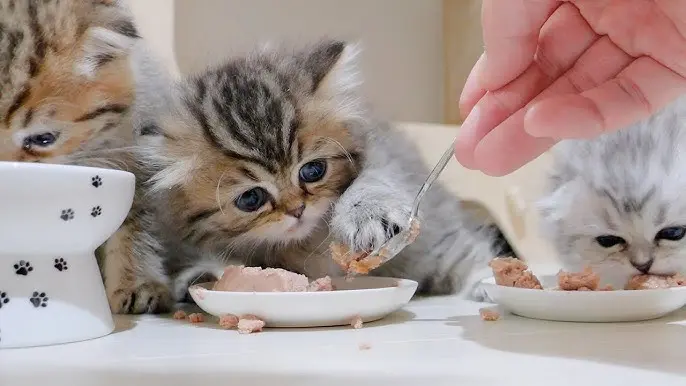
Many new owners ask whether dry kibble or wet food is easier to digest.
The answer depends on the individual kitten.
Wet Food Advantages
Wet food contains significantly more moisture.
Benefits include:
- Better hydration
- Softer texture
- Easier chewing
- Often easier digestion
- Strong aroma that encourages picky eaters
Many veterinarians recommend best kitten food wet options for kittens recovering from digestive upset because the higher moisture content supports hydration.
Dry Food Advantages
Dry food also offers several benefits.
It is:
- Convenient to store
- Easy to measure
- Usually more affordable
- Helpful for free-feeding in healthy kittens
However, kittens with frequent digestive problems often benefit from combining wet and dry food under veterinary guidance.
A Balanced Feeding Approach
Many experienced breeders feed a combination of both.
For example, a kitten may receive wet food in the morning and evening while enjoying measured dry food during the day.
This balanced approach supports hydration without sacrificing convenience.
How to Introduce a New Food Safely
Even the highest-quality food can upset a kitten’s stomach if introduced too quickly.
A gradual transition works best.
Seven-Day Transition Plan
- Days 1–2: 75% old food, 25% new food.
- Days 3–4: 50% old food, 50% new food.
- Days 5–6: 25% old food, 75% new food.
- Day 7: 100% new food.
This slow process gives the digestive system time to adapt while reducing the risk of diarrhea or vomiting.
In my experience fostering kittens, this simple schedule has prevented digestive problems far more effectively than switching foods overnight.
Why Hydration Is Just as Important as Food
Food receives most of the attention, but water plays an equally important role.
Even mild dehydration can worsen digestive issues.
Encourage drinking by:
- Providing fresh water daily.
- Using wide, shallow bowls.
- Placing water away from the litter box.
- Offering wet food regularly.
- Trying a pet water fountain if your kitten drinks very little.
Good hydration supports healthy digestion, nutrient absorption, and overall well-being, making every meal more effective.
Choosing the Best Kitten Food for Sensitive Stomach
Walking into a pet store can feel overwhelming. Hundreds of products promise better digestion, stronger immunity, or healthier growth. However, not every formula is suitable for a kitten with digestive sensitivity.
The best kitten food for sensitive stomach should offer complete and balanced nutrition while using ingredients that are gentle on a young digestive system.
What to Look for on the Label
Reading the label carefully can help you make a better choice.
Prioritize foods that include:
- A named animal protein as the first ingredient
- Moderate fat levels
- Added probiotics or prebiotics
- Essential vitamins and minerals
- DHA for brain and eye development
- Natural antioxidants
- No unnecessary artificial additives
Moreover, choose foods that meet the nutritional standards established for growing kittens. This ensures your pet receives the nutrients needed for healthy development.
Consider Life Stage
Never feed adult cat food to a growing kitten for long periods.
Kittens require:
- More protein
- Higher calorie levels
- Extra calcium
- More phosphorus
- Increased healthy fats
These nutrients support rapid growth during the first year of life.
Feeding Schedule for a Sensitive Kitten
A healthy feeding routine is almost as important as choosing the right food.
Large meals can overload a young digestive system. Instead, offer several smaller meals throughout the day.
Recommended Feeding Frequency
Up to 3 months
- Four small meals daily
3–6 months
- Three to four meals daily
6–12 months
- Two to three meals daily
Smaller portions are generally easier to digest and help maintain steady energy levels.
Avoid Overfeeding
Many owners mistake begging for hunger.
Some kittens simply enjoy eating or seek attention.
Overfeeding may lead to:
- Vomiting
- Loose stools
- Excess weight gain
- Poor digestion
Follow the feeding guide on the package as a starting point, then adjust based on your veterinarian’s advice and your kitten’s body condition.
Common Feeding Mistakes to Avoid
Even premium food cannot solve digestive problems if feeding habits are poor.
Here are some common mistakes.
1. Switching Foods Too Often
Frequent changes confuse the digestive system.
Unless advised by your veterinarian, give a new food enough time before deciding whether it works.
2. Offering Too Many Treats
Treats should make up only a small part of your kitten’s daily calories.
Rich treats can quickly upset a sensitive stomach.
3. Feeding Human Food
Many human foods are difficult—or even dangerous—for kittens.
Avoid giving:
- Onions
- Garlic
- Chocolate
- Grapes
- Raisins
- Highly seasoned meat
- Fried foods
Simple, balanced kitten food is always the safer option.
4. Ignoring Food Storage
Food loses freshness if stored incorrectly.
Always:
- Seal dry food tightly.
- Refrigerate opened wet food.
- Check expiration dates.
- Wash food bowls every day.
Good food hygiene helps prevent bacterial growth that could upset your kitten’s stomach.
When Should You Visit a Veterinarian?
Occasional digestive upset is common.
However, some symptoms require professional attention.
Contact your veterinarian if your kitten has:
- Blood in the stool
- Vomiting for more than one day
- Severe diarrhea
- Refuses food for over 24 hours
- Rapid weight loss
- Extreme tiredness
- Signs of dehydration
Young kittens can become dehydrated quickly, so early treatment is important.
Special Nutrition for Different Breeds
Every kitten is unique. While digestive health follows similar principles across breeds, some breeds have additional nutritional needs.
For example, owners searching for the best kitten food for ragdolls should choose diets rich in high-quality protein and healthy fats to support their larger body size and long, silky coats. At the same time, easily digestible ingredients remain important because digestive sensitivity can affect any breed.
Breed-specific nutrition should always be balanced with your kitten’s individual health needs.
Supporting Digestion Beyond Food
Food is only one piece of the puzzle.
A healthy lifestyle also supports digestion.
Reduce Stress
Stress can influence the digestive system more than many owners realize.
Help your kitten feel secure by:
- Keeping feeding times consistent
- Providing quiet sleeping areas
- Introducing new pets slowly
- Creating a predictable daily routine
A relaxed kitten often has a healthier appetite and better digestion.
Encourage Gentle Exercise
Daily play keeps the digestive system active.
Simple activities include:
- Feather toys
- Soft balls
- Puzzle feeders
- Climbing trees
- Interactive games
Exercise also supports healthy weight management.
How Long Does It Take to See Results?
Many owners expect immediate improvement after changing food.
In reality, digestion needs time to adjust.
You may notice:
- Improved stool quality within one week
- Less vomiting after two weeks
- Better energy within several weeks
- A shinier coat after one to two months
- Healthy weight gain over time
Consistency is key. Avoid changing foods again unless your veterinarian recommends it.
Expert Tips for Long-Term Digestive Health
Experienced veterinarians and feline nutritionists often recommend the following habits:
- Feed meals at the same times every day.
- Introduce dietary changes slowly.
- Keep fresh water available at all times.
- Monitor your kitten’s weight every month.
- Schedule regular veterinary checkups.
- Watch stool consistency as an indicator of digestive health.
- Avoid unnecessary table scraps.
These simple habits can help prevent many common digestive issues before they become serious.
Choosing Food Based on Your Kitten’s Needs
No single formula works for every kitten.
Instead of buying the most expensive product, focus on finding one that matches your kitten’s digestive needs, activity level, and overall health.
Some kittens thrive on chicken-based recipes, while others digest fish or lamb more comfortably. Paying attention to your kitten’s response is often more valuable than following trends.
If your veterinarian suspects food intolerance, they may recommend a limited-ingredient or specialized digestive-support diet.
For many families, finding the best kitten food becomes a process of careful observation, patience, and gradual adjustments rather than a single purchase.
Similarly, if your kitten experiences recurring loose stools, your veterinarian may help you identify the best kitten food for diarrhea by considering possible infections, parasites, food intolerance, or other medical conditions instead of changing diets repeatedly on your own.
Remember, the goal isn’t simply to stop stomach upset. It’s to build a strong foundation for a lifetime of healthy digestion, steady growth, and overall well-being.
Conclusion
Choosing the best kitten food for sensitive stomach is one of the most important decisions you can make during your kitten’s first year. While digestive problems are common in young cats, they are often manageable with the right nutrition, a gradual feeding routine, and regular veterinary care.
Focus on foods made with high-quality animal protein, easily digestible ingredients, healthy fats, and beneficial probiotics. At the same time, avoid unnecessary fillers and artificial additives that may irritate a sensitive digestive system.
Remember that every kitten is different. What works well for one may not be the ideal choice for another. Observe your kitten’s appetite, energy levels, weight, and stool quality after introducing a new food. Small improvements over time are a good sign that the diet is supporting healthy digestion.
Above all, patience is essential. A slow transition, consistent feeding schedule, and fresh water every day can make a significant difference. Combined with advice from your veterinarian, these habits will help your kitten grow into a healthy, energetic, and happy adult cat.
Investing in gentle nutrition today lays the foundation for many years of better health tomorrow.
Frequently Asked Questions
What should I feed my kitten with a sensitive stomach?
Feed a complete and balanced kitten formula made with easily digestible animal protein, moderate fat, and added probiotics. Introduce any new food gradually over 7–10 days to reduce digestive upset.
What is the easiest food for kittens to digest?
Foods containing simple, high-quality proteins such as chicken or turkey are often easier to digest. Recipes with pumpkin, rice, or oats may also support healthy digestion while providing essential nutrients.
What kitten food do vets recommend?
Veterinarians usually recommend nutritionally complete kitten food that meets recognized feeding standards and contains quality protein, healthy fats, vitamins, minerals, and DHA for growth. The best choice depends on your kitten’s health, age, and medical history.
What kitten food is best for diarrhea?
If diarrhea lasts more than a day or is severe, contact your veterinarian. In many cases, they may recommend a highly digestible kitten formula while investigating possible causes such as parasites, infections, or food intolerance.
What is the 3-3-3 rule for kittens?
The 3-3-3 rule is a helpful guideline for newly adopted kittens:
- First 3 days: Your kitten may feel nervous and need quiet time to adjust.
- First 3 weeks: Your kitten becomes more comfortable, learns routines, and starts building trust.
- First 3 months: Your kitten feels at home, develops confidence, and settles into family life.
Every kitten adjusts at a different pace, so patience and consistency are important.
⭐ Make MindLiva Your Preferred Source on Google
Get trusted health, wellness, and lifestyle articles from MindLiva.
Add MindLiva
Samie Babaei is a medical science student at Shahid Beheshti University of Medical Sciences with a strong interest in health, wellness, and medical research. As a health writer and researcher at MindLiva, she focuses on creating clear, evidence-based content that helps readers better understand health and well-being.