



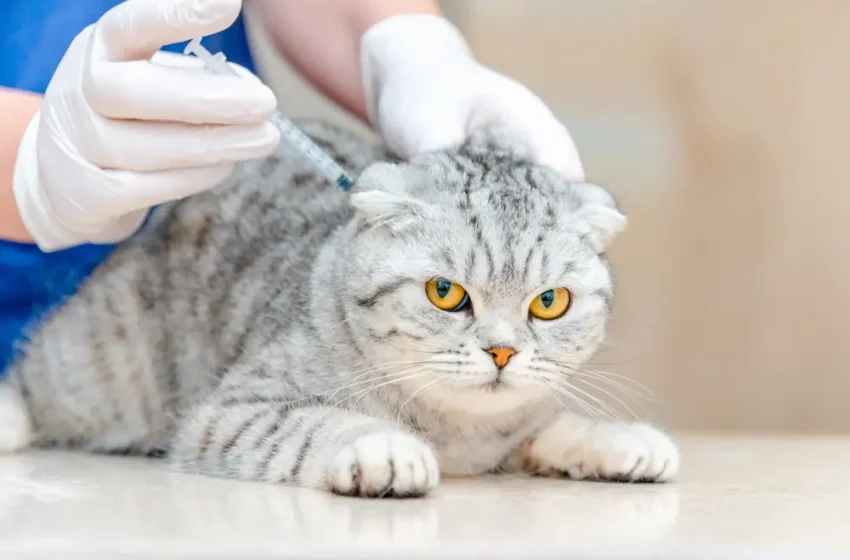
Cat Vaccinations: The Complete Guide for Healthy Cats
Bringing home a kitten or adopting an adult cat is exciting, but it also comes with responsibilities that go far beyond food, toys, and cozy sleeping spots. One of the most important steps you can take is ensuring your pet receives the right cat vaccinations. Vaccines help your cat build immunity against serious infectious diseases that can spread rapidly between animals and, in some cases, even affect humans. They are one of the safest and most effective tools in modern veterinary medicine.
Many first-time owners believe indoor cats don’t need vaccines because they rarely leave the house. However, viruses can enter your home through shoes, clothing, open windows, visiting pets, or even veterinary visits. Rabies exposure can also occur if wildlife such as bats enters a home. That’s why veterinarians worldwide continue to recommend core vaccines for nearly all cats regardless of lifestyle. Recent guidance from the World Small Animal Veterinary Association (WSAVA) and UC Davis School of Veterinary Medicine emphasizes that vaccination protocols should be based on each cat’s risk while maintaining strong protection against common diseases.
Beyond disease prevention, vaccines reduce expensive emergency treatments and improve your cat’s quality of life. Preventing illness is almost always easier and less costly than treating advanced infections. As veterinary medicine continues to evolve, modern vaccines have become safer and more targeted than ever before, making them an essential investment for every responsible pet owner.
How Vaccines Protect Cats and Communities
Vaccines work by training your cat’s immune system to recognize dangerous viruses and bacteria before natural exposure occurs. Instead of waiting until a disease develops, vaccination prepares immune cells to respond quickly, preventing severe illness or greatly reducing its impact.
Core vaccines typically protect against:
- Feline Panleukopenia (FPV)
- Feline Herpesvirus (FHV-1)
- Feline Calicivirus (FCV)
- Rabies (depending on local regulations)
These diseases can spread rapidly among cats and, in the case of rabies, pose significant public health concerns. Vaccinating a large number of pets also creates community-wide protection by reducing disease transmission.
Indoor Cats vs. Outdoor Cats – Do Both Need Vaccines?
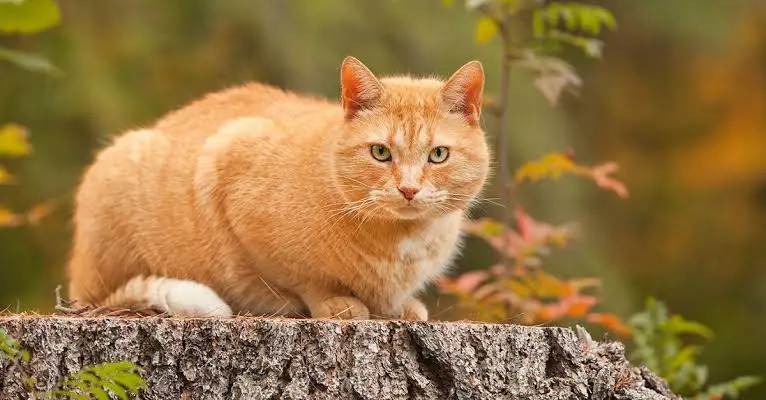
A common misconception is that indoor cats are completely safe from infectious diseases. While indoor cats generally face lower exposure risks, they are not immune to infection. New pets entering the household, veterinary visits, escaped outdoor adventures, or accidental wildlife encounters can all introduce disease.
Outdoor cats naturally have greater exposure to infected animals, making additional non-core vaccines more appropriate depending on veterinary recommendations. Cats living in shelters, breeding facilities, or multi-cat households also have increased disease risks.
The best vaccination plan is always individualized. Your veterinarian will consider factors such as age, lifestyle, geographic location, travel habits, and existing health conditions before recommending specific vaccines.
Core Cat Vaccinations Every Owner Should Know
Modern veterinary organizations classify vaccines into two main categories: core and non-core. Core vaccines are recommended for nearly every cat because they protect against severe, widespread diseases.
| Vaccine | Protects Against | Recommended For |
| FVRCP | Panleukopenia, Herpesvirus, Calicivirus | All cats |
| Rabies | Rabies virus | Required in many regions |
| FeLV | Feline Leukemia Virus | Kittens and at-risk cats |
The FVRCP vaccine is often called the cornerstone of feline preventive medicine. It combines protection against three dangerous viral diseases into a single injection, making it convenient while providing broad immunity.
Rabies vaccination is particularly important because many countries legally require it. Besides protecting your pet, it safeguards people and other animals from a fatal disease.
The Feline Leukemia Virus (FeLV) vaccine is commonly recommended for kittens and cats that may encounter unfamiliar cats outdoors. Although not every adult indoor cat requires ongoing FeLV vaccination, your veterinarian will assess individual risk factors before making recommendations. Current WSAVA guidance supports tailoring booster intervals based on each cat’s lifestyle and health status.
Understanding the Cat Vaccinations Schedule
Following the correct cat vaccinations schedule is one of the easiest ways to give your cat a healthy start in life. Kittens are born with temporary antibodies passed from their mother, but these antibodies gradually disappear during the first few months. As they fade, kittens become vulnerable to infectious diseases, which is why vaccinations are given in a series instead of a single shot. Each dose strengthens the immune response until your kitten develops lasting protection.
Adult cats also require booster vaccinations because immunity can decrease over time. However, not every vaccine needs to be given every year. Many veterinarians now recommend individualized booster schedules based on vaccine type, age, health status, and lifestyle. Instead of using a one-size-fits-all approach, your veterinarian will create a plan that offers strong protection while avoiding unnecessary vaccinations.
Kitten Vaccination Timeline
Most kittens begin their vaccination journey between 6 and 8 weeks of age. From there, booster shots are given every three to four weeks until approximately 16–20 weeks of age. This schedule helps ensure that maternal antibodies no longer interfere with vaccine effectiveness.
A typical vaccination timeline looks like this:
| Age | Recommended Vaccinations |
| 6–8 weeks | First FVRCP vaccine |
| 9–12 weeks | Second FVRCP vaccine |
| 12–16 weeks | Rabies vaccine (depending on local law) |
| 12–16 weeks | FeLV vaccine if recommended |
| 16–20 weeks | Final FVRCP booster |
| 1 year | Booster vaccinations |
Missing one appointment doesn’t necessarily mean starting over, but delaying vaccines can leave your kitten unprotected. That’s why keeping a reminder on your phone or calendar is a smart habit.
Adult Booster Recommendations
Once your cat reaches adulthood, booster recommendations depend on the vaccine received and your veterinarian’s assessment. Many core vaccines now provide protection for up to three years, while some non-core vaccines may still require annual boosters.
When discussing yearly cat vaccinations, remember that “yearly” doesn’t always mean every vaccine is administered each year. Instead, your veterinarian performs an annual wellness examination and determines which vaccines are due. This personalized approach reduces unnecessary injections while maintaining excellent disease protection.
Regular wellness visits are just as valuable as the vaccines themselves. During these appointments, veterinarians can detect dental disease, weight changes, arthritis, kidney problems, and other health concerns long before obvious symptoms appear.
Optional Vaccines Based on Lifestyle
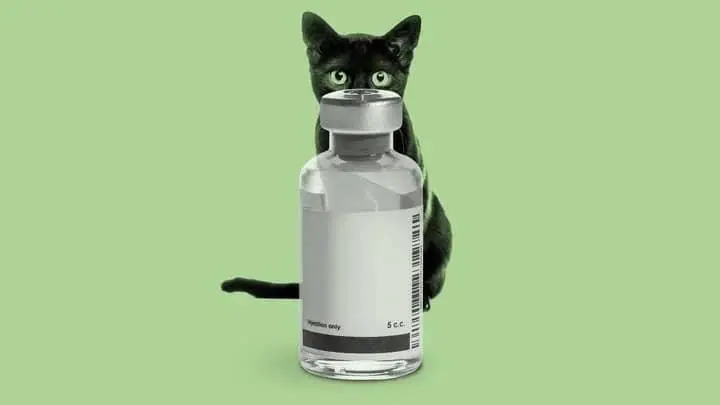
Not every vaccine is necessary for every cat. Lifestyle plays a huge role in determining additional protection beyond the core vaccines.
For example, a strictly indoor senior cat may need fewer vaccines than a young outdoor cat that frequently encounters neighborhood cats. Similarly, cats living in shelters or rescue organizations often have higher exposure to contagious diseases and may benefit from additional immunization.
Your veterinarian may recommend non-core vaccines if your cat:
- Frequently goes outdoors
- Lives with multiple cats
- Visits boarding facilities
- Travels internationally
- Participates in cat shows
- Comes into contact with stray animals
Rather than vaccinating against everything available, veterinarians focus on balancing benefits and risks for each individual pet.
High-Risk Cats
Cats that hunt wildlife, roam freely, or regularly meet unfamiliar cats face greater exposure to infectious diseases. Outdoor cats have a significantly higher risk of contracting Feline Leukemia Virus, upper respiratory infections, and parasites.
Young kittens also belong to a high-risk group because their immune systems are still developing. Senior cats with chronic illnesses may require tailored vaccination plans depending on their overall health.
If your household includes both cats and dogs, discussing dog and cat vaccinations during the same veterinary visit can simplify preventive care and help keep all your pets protected.
Travel, Boarding, and Multi-Cat Homes
Planning a vacation with your cat or using a boarding facility? Many boarding centers require proof of current vaccinations before accepting pets.
Likewise, rescue centers, foster homes, breeding facilities, and catteries often experience higher disease transmission because many animals share common spaces. Vaccination significantly reduces outbreaks in these environments.
If you’re introducing a new cat into your household, ensuring both cats are properly vaccinated before they meet can lower the risk of spreading infectious diseases.
Costs, Side Effects, and Common Myths
One question almost every new owner asks is, “How much do vaccinations cost?” Prices vary depending on your location, veterinary clinic, and the vaccines required.
Routine vaccination appointments usually include:
- Physical examination
- Vaccine administration
- Medical record updates
- Health consultation
Some owners search for the cheapest cat vaccinations, but choosing solely based on price isn’t always the best decision. Experienced veterinarians perform a full health assessment before vaccinating, ensuring your cat is healthy enough to receive the vaccine safely.
Many animal shelters, nonprofit organizations, and community veterinary programs occasionally provide free cat vaccinations or discounted vaccine clinics for eligible pet owners. These programs improve community health by increasing vaccination rates among pets that might otherwise go unprotected.
Safety and Possible Reactions
Modern vaccines undergo extensive testing before approval and are considered extremely safe.
Most cats experience no noticeable side effects. When reactions do occur, they are usually mild and disappear within a day or two.
Possible cat vaccinations side effects include:
- Mild tiredness
- Temporary soreness at the injection site
- Slight fever
- Reduced appetite for 24 hours
Serious allergic reactions are very rare but require immediate veterinary attention. Contact your veterinarian immediately if your cat develops facial swelling, difficulty breathing, repeated vomiting, collapse, or severe lethargy after vaccination.
The benefits of vaccination overwhelmingly outweigh the small risk of side effects. For most cats, vaccines prevent diseases that are far more dangerous than the temporary discomfort of an injection.
Final Tips for Responsible Cat Owners
Vaccination is only one piece of the puzzle when it comes to keeping your cat healthy. A complete preventive care plan also includes proper nutrition, parasite control, regular exercise, dental care, and routine veterinary checkups. Think of vaccines as the foundation of your cat’s health rather than the entire structure. When combined with good daily care, they help your feline friend enjoy a longer, healthier, and happier life.
One lesson many experienced cat owners learn is that prevention is far easier than treatment. A simple vaccination appointment may take only a few minutes, but it can prevent weeks of illness, costly emergency care, and unnecessary suffering. Creating a healthcare routine early also makes veterinary visits less stressful because your cat becomes familiar with handling and examinations.
As your cat grows older, its healthcare needs will change. Kittens require frequent vaccinations, while adult and senior cats need individualized booster schedules and regular wellness exams. Staying in touch with your veterinarian ensures your pet receives the right care at every stage of life.
Choosing the Right Veterinarian
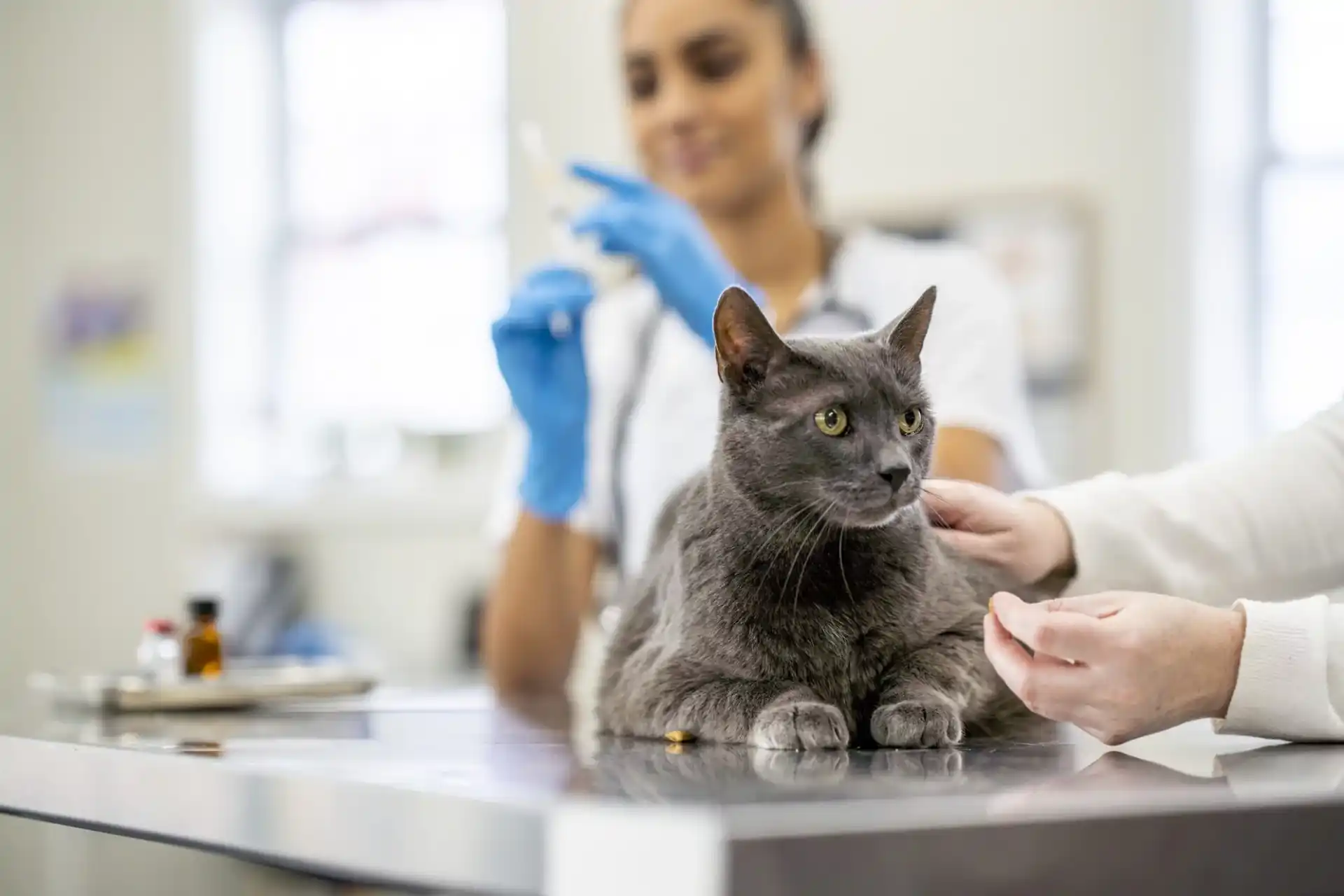
Finding a trusted veterinarian is one of the best investments you can make for your cat. A good veterinarian does more than administer vaccines—they become your partner in keeping your pet healthy for years to come.
When choosing a veterinary clinic, consider the following:
- Look for experienced, licensed veterinarians.
- Read genuine client reviews and testimonials.
- Ask about emergency care availability.
- Choose a clinic that clearly explains treatment options.
- Ensure they keep complete vaccination records and send reminders for future appointments.
Don’t hesitate to ask questions during appointments. Understanding why a vaccine is recommended helps you make informed decisions and strengthens your confidence as a pet owner.
Keeping Accurate Vaccination Records
A vaccination record may seem like just another document, but it becomes incredibly valuable throughout your cat’s life. Boarding facilities, pet insurance providers, breeders, rescue organizations, and even international travel authorities often require proof of vaccination.
Keep both a printed copy and a digital backup of your cat’s vaccination history. Many veterinary clinics now provide online portals or mobile apps where you can easily access medical records.
Your vaccination record should include:
- Vaccine name
- Date administered
- Booster due date
- Vaccine manufacturer and lot number
- Veterinarian’s signature or clinic details
Having organized records makes future veterinary visits smoother and ensures your cat never misses an important booster.
Conclusion
Vaccinating your cat is one of the most effective ways to protect them from serious, preventable diseases. From the first kitten injections to adult booster vaccinations, every dose helps strengthen your cat’s immune system and contributes to a healthier pet population. While vaccine recommendations may vary depending on your cat’s age, lifestyle, and health, working closely with your veterinarian ensures the safest and most effective plan.
Remember that vaccinations are not just about following a schedule—they are about giving your companion the best chance at a long, active, and comfortable life. Combined with balanced nutrition, routine wellness exams, parasite prevention, and plenty of love, vaccines form the cornerstone of responsible pet ownership. Investing a little time in preventive care today can save your cat from serious illness tomorrow.
Frequently Asked Questions
1. What vaccinations does a cat need?
Most cats need core vaccines that protect against Feline Panleukopenia (FPV), Feline Herpesvirus (FHV-1), Feline Calicivirus (FCV), and Rabies. Some cats may also need the Feline Leukemia Virus (FeLV) vaccine depending on their lifestyle and risk of exposure.
2. What are the 3 vaccines for cats?
The three most commonly discussed vaccines are:
- FVRCP (protects against three viral diseases)
- Rabies vaccine
- Feline Leukemia (FeLV) vaccine
Your veterinarian will determine which ones are appropriate for your cat.
3. What type of vaccination is needed for a cat?
Cats typically receive core vaccines, recommended for nearly all cats, and non-core vaccines, which are given based on individual lifestyle, environment, travel, or exposure risk.
4. What vaccinations do cats get and when?
Kittens usually begin vaccinations at 6–8 weeks of age, followed by boosters every 3–4 weeks until around 16–20 weeks. Adult cats receive booster vaccinations based on veterinary recommendations, often every one to three years for core vaccines.
5. Can I skip my cat’s yearly vaccine?
You should never skip vaccinations without consulting your veterinarian. Some vaccines provide protection for several years, while others require more frequent boosters. Your veterinarian will recommend the safest schedule based on your cat’s health, age, and lifestyle.
⭐ Make MindLiva Your Preferred Source on Google
Get trusted health, wellness, and lifestyle articles from MindLiva.
Add MindLiva
Samie Babaei is a medical science student at Shahid Beheshti University of Medical Sciences with a strong interest in health, wellness, and medical research. As a health writer and researcher at MindLiva, she focuses on creating clear, evidence-based content that helps readers better understand health and well-being.