



Dog and Cat Vaccinations: A Guide to Preventative Pet Care
Pets are more than companions—they’re cherished family members. Whether your dog greets you with endless excitement or your cat curls up beside you after a long day, their health matters. One of the simplest yet most effective ways to protect them is through dog and cat vaccinations.
Many pet owners wonder whether vaccines are truly necessary, especially for indoor pets or animals that rarely interact with others. However, viruses and bacteria can spread in surprising ways, making prevention far safer than treatment.
In this guide, you’ll learn how vaccinations work, which vaccines are essential, when pets should receive them, and how they contribute to a longer, healthier life. You’ll also discover expert insights, practical examples, and current recommendations that help you make informed decisions for your furry friends.
Why Dog and Cat Vaccinations Matter More Than Ever
Vaccinations have transformed pet healthcare over the last century. Diseases that once claimed the lives of countless animals are now largely preventable through routine immunization.
Today, veterinarians worldwide consider vaccines one of the greatest achievements in veterinary medicine. They protect not only individual pets but also entire animal populations by reducing disease transmission.
Moreover, vaccinated pets are less likely to experience severe illness, expensive emergency treatments, or long recovery periods.
A Simple Way to Prevent Serious Diseases

Vaccines train your pet’s immune system to recognize dangerous viruses and bacteria before infection occurs.
Instead of fighting a disease without preparation, the immune system already knows how to respond quickly and effectively.
Common illnesses prevented through vaccination include:
- Rabies
- Canine Parvovirus
- Distemper
- Adenovirus
- Leptospirosis
- Bordetella
- Feline Panleukopenia
- Feline Herpesvirus
- Calicivirus
Without vaccination, many of these diseases can become life-threatening within days.
How Dog and Cat Vaccinations Work
Many owners assume vaccines contain harmful viruses. In reality, modern vaccines are carefully designed to stimulate immunity without causing serious disease.
Vaccines typically contain weakened, inactivated, or purified parts of a virus or bacteria.
Once administered, the immune system creates antibodies and memory cells that remain ready for future exposure.
As a result, if your pet encounters the real disease later, the immune response begins immediately.
This process dramatically lowers the risk of severe illness.
Understanding the Immune Response
Think of vaccinations as practice sessions for the immune system.
Rather than learning during an actual emergency, your pet’s body rehearses its defense in advance.
For example, a vaccinated puppy exposed to parvovirus has a much higher chance of avoiding severe infection than an unvaccinated puppy.
Similarly, vaccinated cats are better protected against several contagious respiratory diseases.
Core Vaccines Every Dog Should Receive
Veterinary organizations classify vaccines into two categories:
- Core vaccines
- Non-core vaccines
Core vaccines are recommended for nearly every dog because the diseases are widespread, severe, or dangerous to humans.
The essential canine vaccines include:
1. Rabies Vaccine
Rabies is almost always fatal once symptoms appear.
Because the disease can spread to humans, vaccination is legally required in many countries.
2. Canine Distemper Vaccine
Distemper attacks multiple body systems, including:
- Brain
- Lungs
- Digestive tract
Unfortunately, puppies are particularly vulnerable.
Vaccination offers excellent protection against this deadly virus.
3. Canine Parvovirus Vaccine
Parvovirus spreads quickly through contaminated environments.
Symptoms include:
- Severe vomiting
- Bloody diarrhea
- Dehydration
- Weakness
Treatment often requires hospitalization, making prevention far more affordable.
4. Canine Adenovirus Vaccine
This vaccine protects against infectious canine hepatitis.
The virus affects the liver, kidneys, and blood vessels, causing serious complications if left untreated.
Non-Core Dog Vaccines
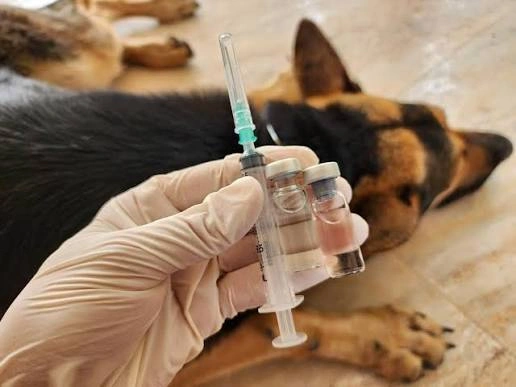
Some vaccines depend on your dog’s lifestyle and location.
For example, dogs that frequently visit parks, boarding facilities, or daycare centers may benefit from additional protection.
Common optional vaccines include:
- Bordetella (Kennel Cough)
- Lyme Disease
- Leptospirosis
- Canine Influenza
- Rattlesnake vaccine (specific regions)
Your veterinarian can recommend the best options based on local disease risks.
Essential Vaccines for Cats
Although indoor cats generally face fewer risks than outdoor cats, vaccination remains important.
Viruses can enter homes on clothing, shoes, or through open windows.
Therefore, veterinarians recommend several core vaccines for nearly all cats.
These include protection against:
- Rabies
- Feline Panleukopenia
- Feline Herpesvirus
- Calicivirus
Together, these vaccines significantly reduce the likelihood of severe infections.
FVRCP Vaccine
One of the most important feline vaccines is FVRCP.
It protects against three major diseases:
- Feline Viral Rhinotracheitis
- Calicivirus
- Panleukopenia
Because these illnesses spread rapidly among cats, vaccination remains essential for kittens and adult cats alike.
Rabies Protection for Cats
Many owners mistakenly believe indoor cats don’t need rabies vaccination.
However, unexpected encounters with wildlife can happen.
Bats occasionally enter homes, while escaped indoor cats may come into contact with infected animals.
For this reason, many veterinarians continue recommending rabies vaccination regardless of lifestyle.
Puppy Vaccination Timeline
Young puppies receive temporary immunity from their mother’s milk.
However, this protection gradually disappears during the first weeks of life.
Vaccines are carefully timed to ensure continuous protection.
A typical puppy vaccination schedule looks like this:
| Puppy Age | Recommended Vaccines |
| 6–8 weeks | DHPP |
| 10–12 weeks | DHPP Booster |
| 14–16 weeks | DHPP + Rabies |
| 12 months | Booster vaccines |
Afterward, boosters follow veterinary recommendations.
Kitten Vaccination Timeline
Kittens also receive temporary antibodies from their mother.
As maternal immunity fades, vaccination becomes essential.
A common cat vaccinations schedule includes:
| Kitten Age | Recommended Vaccines |
| 6–8 weeks | FVRCP |
| 10–12 weeks | FVRCP Booster |
| 14–16 weeks | FVRCP + Rabies |
| 1 year | Booster |
Following this schedule helps build strong, lasting immunity during the most vulnerable stage of life.
Are Vaccines Safe?
Modern vaccines undergo extensive testing before approval.
While no medical treatment is completely risk-free, serious reactions remain extremely uncommon.
Most pets experience no problems at all.
Some may develop mild, temporary symptoms such as:
- Slight tiredness
- Reduced appetite
- Mild soreness at the injection site
- Sleeping more than usual
These effects generally disappear within one or two days.
A Veterinarian’s Perspective
Veterinarians consistently emphasize that the benefits of vaccination far outweigh the small risk of side effects.
From personal clinical experience, many professionals report seeing far more preventable diseases in unvaccinated pets than vaccine-related complications. For example, treating a puppy with parvovirus often involves intensive hospitalization, while a simple vaccine series can prevent the illness altogether. This real-world contrast highlights why preventative care remains the cornerstone of responsible pet ownership.
When Booster Vaccines Become Important
Many pet owners believe vaccines are only necessary during puppyhood or kittenhood. However, immunity can decrease over time. Booster shots help refresh your pet’s immune system and maintain long-term protection.
The timing of boosters depends on several factors, including:
- Your pet’s age
- Previous vaccination history
- Lifestyle
- Local disease risks
- Your veterinarian’s recommendation
For example, a dog that regularly visits parks or boarding facilities may require more frequent boosters than one that stays mostly at home.
Common Myths About Dog and Cat Vaccinations
Misinformation online can make pet owners uncertain about vaccinations. Let’s separate fact from fiction.
Myth 1: Indoor Pets Don’t Need Vaccines
Indoor pets have lower exposure, but they are not completely safe. Viruses can enter homes on shoes, clothing, or through contact with visitors and other animals.
Myth 2: One Vaccine Lasts Forever
Unfortunately, immunity naturally fades. Booster vaccinations help maintain protection throughout your pet’s life.
Myth 3: Vaccines Cause Disease
Modern vaccines are carefully developed and tested. They stimulate the immune system without causing the actual disease they protect against.
Myth 4: Healthy Pets Don’t Need Vaccines
Even healthy pets can become infected if exposed. Vaccination is designed to prevent illness before it starts.
Lifestyle-Based Vaccination Recommendations
Every pet has unique needs. Vaccination plans should match their lifestyle rather than following a one-size-fits-all approach.
Dogs That May Need Extra Protection
Your veterinarian may recommend additional vaccines if your dog:
- Visits dog parks regularly
- Attends daycare
- Travels often
- Goes hunting
- Lives in areas with ticks
- Frequently boards at kennels
Cats With Higher Risk
Cats may need additional protection if they:
- Spend time outdoors
- Live with multiple cats
- Visit shelters or boarding facilities
- Travel frequently
- Participate in cat shows
What Happens During a Vaccination Appointment?
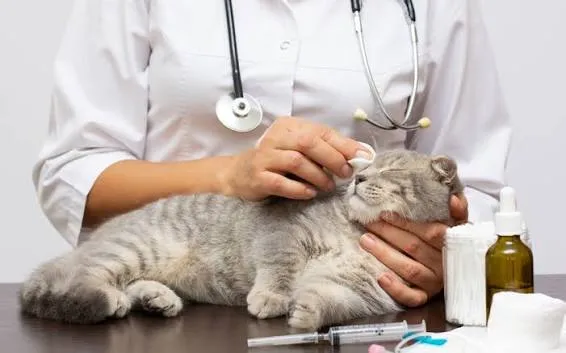
Many owners worry that vaccinations are stressful for pets. Fortunately, most appointments are quick and simple.
A typical visit includes:
- A complete physical examination
- Weight check
- Temperature assessment
- Review of medical history
- Discussion of any concerns
- Vaccine administration
- Brief observation before going home
The entire appointment often takes less than 30 minutes.
Possible Vaccine Reactions
Although vaccines are very safe, mild reactions can occasionally occur. Understanding what is normal helps owners feel more confident.
Possible cat vaccinations side effects and similar reactions in dogs include:
- Mild sleepiness
- Slight swelling at the injection site
- Temporary loss of appetite
- Low-grade fever
- Mild discomfort
These symptoms usually disappear within 24–48 hours.
Seek veterinary care immediately if your pet develops:
- Difficulty breathing
- Facial swelling
- Repeated vomiting
- Collapse
- Severe weakness
Fortunately, these serious reactions are very rare.
How Much Do Pet Vaccinations Cost?
The cost of vaccinations varies depending on:
- Country
- City
- Veterinary clinic
- Vaccine type
- Combination vaccines
- Wellness packages
Generally, prevention is much less expensive than treating serious infectious diseases.
For example, treating parvovirus or severe respiratory infections can cost hundreds or even thousands of dollars, while routine vaccinations cost only a fraction of that amount.
Some animal shelters, nonprofit organizations, and local clinics even offer free cat vaccinations during special community health events. Checking with local veterinary associations can help you find these programs.
If you are looking for the cheapest cat vaccinations, compare reputable low-cost clinics, animal welfare organizations, and vaccination drives rather than choosing based only on price. Quality veterinary care should always come first.
Should Adult Pets Continue Vaccinations?
Absolutely.
As pets age, their immune systems naturally change. While older pets may require customized vaccination plans, they still benefit from protection against serious infectious diseases.
Many veterinarians recommend yearly cat vaccinations or individualized booster schedules depending on the vaccine type, the cat’s health status, and current veterinary guidelines.
Similarly, adult dogs should continue receiving recommended booster vaccines throughout life.
Protecting Your Community Through Vaccination
Vaccination does more than protect individual pets.
It also supports herd immunity, reducing the spread of contagious diseases within the pet population.
When more pets are vaccinated:
- Disease outbreaks become less common.
- Shelters experience fewer infections.
- Veterinary hospitals manage fewer emergencies.
- Wildlife exposure decreases.
- Human health is better protected from zoonotic diseases like rabies.
This collective protection benefits everyone.
Expert Tips for Pet Owners
Follow these best practices to keep your pets protected:
- Keep vaccination records in a safe place.
- Schedule booster reminders on your phone.
- Discuss travel plans with your veterinarian.
- Avoid skipping annual wellness exams.
- Monitor your pet for mild reactions after vaccination.
- Choose a licensed veterinarian for all vaccines.
- Never vaccinate pets yourself using products from unreliable sources.
These simple habits can make a significant difference in your pet’s lifelong health.
Why Preventive Care Saves Money
Preventive care is one of the smartest investments a pet owner can make.
Consider these comparisons:
| Preventive Care | Potential Benefit |
| Routine vaccinations | Prevents serious infectious diseases |
| Annual wellness exams | Detects health problems early |
| Parasite prevention | Reduces flea, tick, and worm infections |
| Dental care | Prevents painful oral disease |
| Balanced nutrition | Supports lifelong health |
A proactive approach often reduces emergency veterinary expenses and improves quality of life.
Conclusion
Keeping your pets healthy begins with smart prevention, and dog and cat vaccinations remain one of the most effective tools available. They protect against dangerous diseases, reduce the spread of infections, and help pets enjoy longer, happier lives.
Whether you have a playful puppy, a curious kitten, or a senior companion, staying current with vaccinations is an investment in their future. Work closely with your veterinarian, follow the recommended schedule, and never underestimate the value of preventive healthcare. A simple appointment today can help prevent serious illness tomorrow.
Frequently Asked Questions
What vaccines do dogs and cats need?
Dogs typically need core vaccines for rabies, distemper, parvovirus, and adenovirus. Cats usually receive rabies and the FVRCP vaccine, with additional vaccines based on lifestyle.
What is the 3 vaccine for cats?
The three-in-one FVRCP vaccine protects against feline viral rhinotracheitis, calicivirus, and panleukopenia.
Do cats and dogs need yearly vaccinations?
Some vaccines require annual boosters, while others provide longer protection. Your veterinarian will recommend the best schedule based on your pet’s age, health, and risk factors.
Are dog and cat vaccines the same?
No. Dogs and cats face different diseases, so their vaccines are specifically designed for each species.
What vaccines do cats have?
Cats commonly receive rabies and FVRCP vaccines. Depending on risk, veterinarians may also recommend vaccines such as feline leukemia (FeLV).
⭐ Make MindLiva Your Preferred Source on Google
Get trusted health, wellness, and lifestyle articles from MindLiva.
Add MindLiva
Samie Babaei is a medical science student at Shahid Beheshti University of Medical Sciences with a strong interest in health, wellness, and medical research. As a health writer and researcher at MindLiva, she focuses on creating clear, evidence-based content that helps readers better understand health and well-being.