



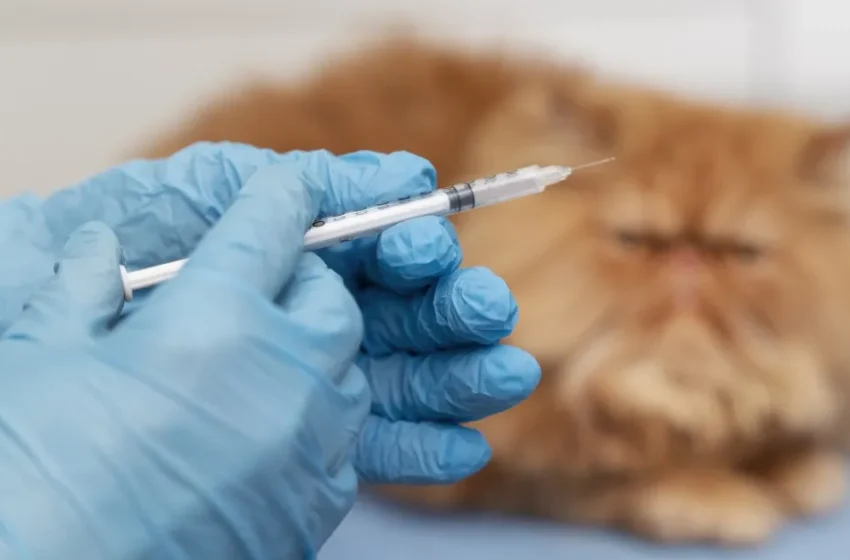
Are Cat Vaccinations Side Effects Common? What to Expect
Every cat owner wants their furry companion to live a long, healthy life. Vaccinations remain one of the simplest and most effective ways to protect cats from dangerous infectious diseases that can spread quickly between animals. Although many owners worry about cat vaccinations side effects, veterinarians consistently agree that the benefits of immunization greatly outweigh the risks. Modern vaccines undergo extensive safety testing before becoming available, and ongoing monitoring continues after approval to identify even rare adverse reactions. Recent veterinary guidance also shows that today’s vaccines are generally well tolerated, with most reactions resolving within a day or two.
Many people become anxious after reading stories online about vaccine reactions. While those stories can be frightening, they rarely represent the typical experience. Most vaccinated cats continue eating, drinking, and behaving normally within a short period. The immune system is simply responding to the vaccine by building protection against future infections. Think of it like a practice drill for your cat’s immune defenses—it learns how to fight the real disease without experiencing the disease itself.
In this article, you’ll discover which reactions are considered normal, which symptoms require immediate veterinary care, and how to make your cat more comfortable after vaccination.
How Vaccines Protect Cats
Vaccines work by introducing harmless components of viruses or bacteria that stimulate the immune system to produce protective antibodies. If your cat later encounters the actual disease, its immune system already recognizes the threat and responds much faster.
Diseases commonly prevented include:
- Feline panleukopenia
- Feline herpesvirus
- Feline calicivirus
- Rabies
- Feline leukemia virus (when recommended)
New veterinary research continues to improve vaccine technology while maintaining excellent safety profiles. For example, recently approved veterinary vaccines have demonstrated strong protection against multiple feline diseases while remaining well tolerated in clinical studies.
Common Diseases Prevented by Vaccination
Many infectious diseases that affect cats spread rapidly and can become life-threatening before owners even realize something is wrong. Vaccination dramatically reduces the risk of these illnesses and, in many cases, prevents severe complications altogether. Indoor cats are often thought to be completely safe, but viruses can enter the home on clothing, shoes, visiting pets, or through accidental escapes outdoors. That is why veterinarians recommend preventive care rather than waiting until illness develops. Although some owners hesitate because of concerns about cat vaccinations side effects, the diseases vaccines prevent are usually far more dangerous than the temporary reactions associated with immunization.
One of the most serious diseases is feline panleukopenia, a highly contagious virus that attacks rapidly dividing cells in the body. It can cause severe vomiting, diarrhea, dehydration, and even death, especially in kittens. Feline herpesvirus and calicivirus are major causes of upper respiratory infections, leading to sneezing, eye discharge, mouth ulcers, and long-term health problems. Rabies remains fatal once symptoms appear and also poses a significant public health concern. Cats at higher risk of outdoor exposure may also benefit from vaccination against feline leukemia virus, which weakens the immune system and increases the likelihood of cancer and chronic infections.
Vaccination programs are tailored according to a cat’s lifestyle, age, and health status. Your veterinarian may recommend different vaccines for an indoor kitten than for an adult cat that frequently spends time outdoors. Following the recommended cat vaccinations schedule helps ensure protection is maintained throughout each stage of life. Skipping booster doses can leave immunity incomplete, making cats more vulnerable to infections that are otherwise preventable.
Cat Vaccinations Side Effects Explained
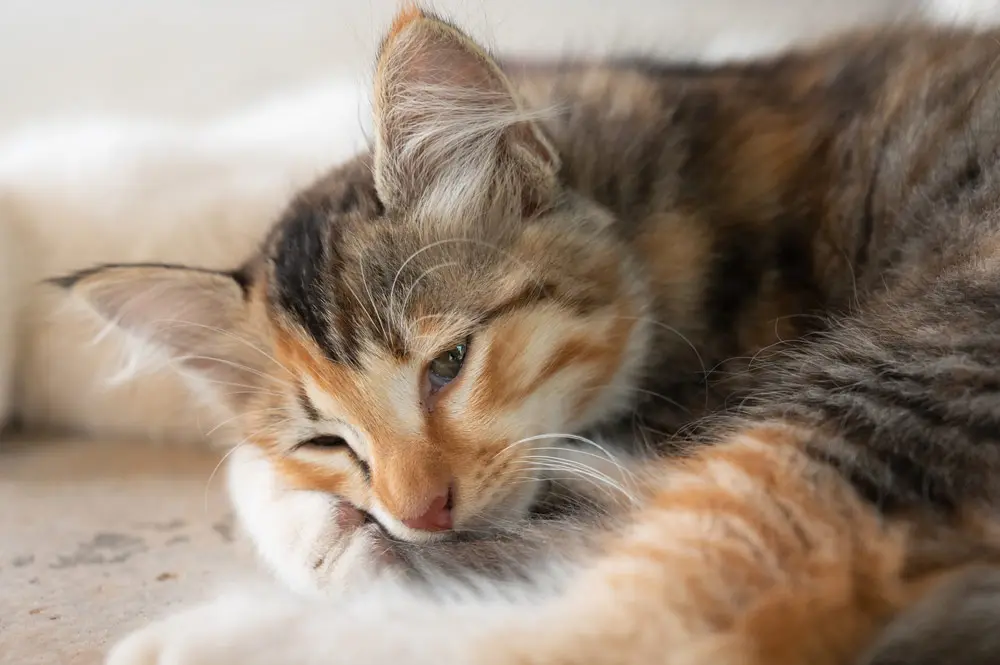
Understanding cat vaccinations side effects helps owners distinguish between normal immune responses and situations that require veterinary attention. The vast majority of vaccinated cats experience either no reaction at all or only mild, short-lived symptoms. These reactions occur because the immune system is actively building protection against disease. Similar to people feeling tired after receiving certain vaccines, cats may need a little extra rest while their bodies develop immunity.
Most reactions appear within the first 24 hours after vaccination and gradually disappear within one or two days. During this period, your cat may seem less playful, spend more time sleeping, or eat slightly less than usual. These temporary changes are generally considered signs that the immune system is responding appropriately. It is important not to panic if your normally energetic cat decides to nap most of the afternoon following a vaccination appointment.
However, owners should understand that every cat is different. Age, genetics, previous vaccination history, and overall health can influence how an individual responds. While severe complications remain uncommon, recognizing unusual symptoms early allows prompt treatment if necessary. Fortunately, veterinary clinics are well prepared to manage allergic reactions should they occur.
Mild Side Effects You Can Expect
The most common vaccine reactions are mild and resolve on their own without treatment. These include:
- Mild tiredness or sleeping more than usual
- Slight decrease in appetite
- Temporary soreness at the injection site
- Small lump where the vaccine was given
- Mild fever
- Reduced activity for one or two days
Many owners notice their cat hiding under the bed or choosing a quiet place to rest after returning home. This behavior is perfectly normal in many cases. The injection itself can cause slight muscle tenderness, just as people sometimes experience after receiving a vaccine. Giving your cat a peaceful environment with fresh water and comfortable bedding is usually all that is needed.
From personal observation shared by many veterinary professionals, most cats return to their normal personalities by the following day. Appetite improves, energy levels return, and any soreness gradually fades. Keeping an eye on your cat without disturbing its rest is often the best approach.
Less Common but Serious Reactions
Although uncommon, some vaccine reactions require immediate veterinary care. Allergic reactions typically occur within minutes to several hours after vaccination. These reactions are rare, but recognizing them quickly can make a significant difference.
Watch for symptoms such as:
- Difficulty breathing
- Swelling around the face or eyes
- Persistent vomiting
- Severe diarrhea
- Collapse or extreme weakness
- Pale gums
- Continuous crying from severe pain
If any of these signs develop, contact your veterinarian or an emergency animal hospital immediately. Fortunately, serious allergic reactions affect only a very small percentage of vaccinated cats, and prompt treatment is usually highly successful.
Another uncommon concern involves injection-site sarcomas, a rare type of tumor that can develop months or years after certain injections. Veterinary organizations have modified vaccine recommendations and injection techniques over the years to reduce this already very small risk. Today, veterinarians carefully select vaccine locations to improve treatment options should such a rare complication occur.
When to Contact a Veterinarian
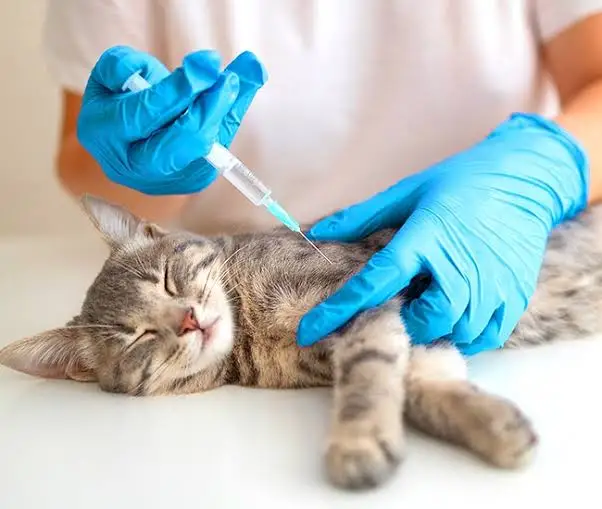
Knowing when to seek professional advice helps avoid unnecessary worry while ensuring your cat receives timely care if needed. Mild tiredness lasting one day rarely requires medical attention, but symptoms that worsen instead of improve deserve evaluation.
Call your veterinarian if:
- Your cat refuses food for more than 24 hours.
- Swelling continues to increase after two days.
- Fever persists beyond 48 hours.
- Difficulty breathing develops.
- Your cat cannot stand or walk normally.
- Vomiting continues repeatedly.
- A lump remains or grows larger over several weeks.
It is always better to ask questions than ignore unusual symptoms. Veterinarians expect owners to contact them when concerns arise, and even a quick phone call can provide reassurance.
Which Cats Are More Likely to Experience Cat Vaccinations Side Effects?
Although the majority of cats recover quickly after vaccination, some are naturally more sensitive than others. Age, genetics, overall health, medical history, and even stress levels can influence how a cat responds to a vaccine. That is why veterinarians never follow a one-size-fits-all approach. Instead, they evaluate every patient individually before recommending vaccines or booster doses. While cat vaccinations side effects are usually mild, understanding which cats may need extra attention allows owners to prepare and respond appropriately.
Fortunately, being in a higher-risk group does not automatically mean a cat will experience complications. In fact, many kittens, senior cats, and cats with chronic illnesses receive vaccines every year without any significant problems. The goal is simply to balance protection against infectious diseases with each cat’s unique health needs. Your veterinarian may adjust the vaccination schedule, choose specific vaccine types, or monitor your cat for a longer period after administration. These small adjustments can significantly improve safety while maintaining excellent disease protection.
Kittens
Kittens have developing immune systems, making vaccination one of the most important parts of early veterinary care. During the first few weeks of life, they receive temporary antibodies from their mother’s milk. As these maternal antibodies fade, kittens become increasingly vulnerable to serious viral infections. Vaccines help bridge this gap by teaching the immune system to recognize dangerous pathogens before real exposure occurs.
Because their immune systems are still developing, kittens may appear slightly sleepier or less active after vaccination than adult cats. A mild fever, temporary loss of appetite, or soreness at the injection site is generally considered normal. These symptoms usually disappear within 24 to 48 hours. Owners should continue monitoring hydration, eating habits, and energy levels during this period while allowing the kitten plenty of quiet time to rest.
Senior Cats
Older cats often have underlying medical conditions that may not be immediately obvious. Kidney disease, arthritis, diabetes, or thyroid disorders can influence how the body responds to vaccination. Before administering vaccines, veterinarians usually perform a thorough physical examination and may recommend blood tests if necessary. This helps determine whether vaccination should proceed immediately or be postponed until another health issue is stabilized.
Even though senior cats may occasionally recover a little more slowly, vaccination remains an important preventive measure, especially if they spend time outdoors or live with other animals. Age alone is not a reason to stop vaccinating. Instead, veterinarians tailor recommendations according to lifestyle, previous vaccine history, and current health. Many older cats experience nothing more than mild fatigue for a day before returning to their normal routines.
Cats With Existing Health Conditions
Cats living with chronic illnesses require individualized vaccination plans. Conditions affecting the immune system, ongoing cancer treatment, severe allergies, or recent surgeries may influence vaccine timing. Rather than avoiding vaccines entirely, veterinarians often adjust schedules to maximize protection while minimizing unnecessary stress on the body.
Owners should always inform their veterinarian about every medication or supplement their cat is receiving before vaccination. This information helps determine the safest approach. In some situations, delaying a vaccine for a short period may be the best decision until the cat has fully recovered from another illness. Good communication between the owner and veterinarian plays a major role in ensuring safe and effective preventive care.
What to Do After Your Cat Gets Vaccinated
The hours following vaccination are usually uneventful, but good aftercare helps your cat recover comfortably. Most cats simply want a peaceful place to sleep while their immune systems begin building protection. Providing a calm environment, fresh water, and easy access to food allows the body to focus on developing immunity without unnecessary stress.
Many owners worry that they should constantly wake their cat to check on them. In reality, quiet observation is usually enough. Let your cat decide whether it wants affection or prefers to rest alone. Forcing play or handling a sore injection site can increase discomfort. Instead, monitor your cat from a distance while watching for any unusual symptoms.
Home Care Tips
Simple home care can make recovery easier:
- Provide fresh water at all times.
- Offer your cat’s normal food without changing the diet.
- Keep activity light for the rest of the day.
- Avoid stressful situations or long trips.
- Monitor the injection site once or twice daily.
- Follow your veterinarian’s instructions carefully.
Many cats return to normal by the next morning. If your cat seems slightly quieter than usual but continues drinking water and gradually regains its appetite, recovery is likely progressing normally.
Signs Your Cat Is Recovering Normally
Recovery usually follows a predictable pattern. During the first day, mild tiredness is common. Appetite often returns within several hours, and activity levels gradually improve. Any small swelling at the injection site typically decreases over the next few days.
Positive signs include:
- Eating normally again
- Drinking water regularly
- Grooming as usual
- Playing or interacting normally
- Normal breathing
- No increasing swelling or pain
If your cat continues improving each day, there is generally no cause for concern.
Understanding the 3-2-1 Rule
Many cat owners hear about the “3-2-1 Rule” but are unsure what it means. While recommendations may vary slightly depending on veterinary organizations, this guideline is commonly used to monitor injection-site lumps.
The rule suggests contacting your veterinarian if an injection-site lump:
- Persists for 3 months
- Measures larger than 2 centimeters
- Continues growing after 1 month
Fortunately, most small vaccine lumps disappear long before reaching these milestones. Persistent lumps remain rare, but monitoring them allows early investigation if needed.
Benefits vs. Risks of Vaccination
Every medical treatment carries some degree of risk, including vaccines. However, comparing those risks with the diseases vaccines prevent clearly demonstrates why veterinarians strongly recommend immunization. Diseases such as panleukopenia and rabies can cause severe illness or death, while most cat vaccinations side effects involve only temporary tiredness or soreness.
| Benefits | Possible Risks |
| Prevents life-threatening diseases | Mild fatigue |
| Reduces disease spread | Temporary fever |
| Protects kittens during vulnerable stages | Injection-site soreness |
| Supports community immunity | Rare allergic reactions |
| Saves future treatment costs | Very rare injection-site tumors |
Looking at both sides objectively helps owners make informed decisions. The overwhelming majority of veterinary experts agree that vaccination remains one of the safest and most effective preventive healthcare measures available for cats.
Expert Recommendations
Veterinary professionals recommend discussing your cat’s lifestyle during every annual wellness visit. An indoor cat may not require exactly the same vaccine plan as one that regularly explores outdoors. This personalized approach ensures each cat receives appropriate protection without unnecessary vaccinations.
For households with multiple pets, remember that dog and cat vaccinations are equally important in maintaining a healthy environment. Preventing infectious disease protects not only individual pets but also the broader animal community.
If cost is a concern, ask your veterinarian or local animal welfare organizations about cheapest cat vaccinations or seasonal free cat vaccinations clinics that may be available in your area. Preventive care is almost always more affordable than treating serious infectious diseases later.
Likewise, don’t skip yearly cat vaccinations if your veterinarian recommends them, as booster doses help maintain immunity over time. Regular checkups also allow your veterinarian to update your cat’s healthcare plan as it ages.
Conclusion
Worrying about cat vaccinations side effects is completely understandable, especially if you’re a first-time cat owner. Fortunately, modern vaccines have an excellent safety record, and most cats experience little more than mild sleepiness or temporary soreness that disappears within a day or two. Serious reactions remain extremely uncommon, and veterinarians are well-equipped to recognize and treat them promptly if they occur.
The best way to protect your cat is to stay informed, follow your veterinarian’s advice, and keep up with preventive healthcare. A personalized vaccination plan, regular wellness exams, and careful observation after each appointment can help ensure your feline companion stays healthy for many years. While no medical treatment is entirely without risk, vaccination continues to be one of the most effective tools for preventing life-threatening diseases and supporting a long, happy life for your cat.
Frequently Asked Questions
What are the risks of cat vaccines?
Most risks are mild and temporary, including sleepiness, reduced appetite, or slight soreness at the injection site. Serious allergic reactions are rare but require immediate veterinary attention.
Can cats be unwell after vaccinations?
Yes. Some cats may feel tired or eat a little less for 24–48 hours. These mild symptoms usually resolve without treatment.
Are cat vaccines really necessary?
Yes. Vaccines protect against serious and potentially fatal diseases that are often much more dangerous than the temporary side effects associated with vaccination.
What is the 3-2-1 rule for cat vaccines?
The rule advises contacting your veterinarian if an injection-site lump remains for 3 months, grows larger than 2 centimeters, or continues growing after 1 month.
What not to do after the cat vaccine?
Avoid strenuous activity, unnecessary travel, and stressful situations immediately after vaccination. Allow your cat to rest, monitor for unusual symptoms, and contact your veterinarian if severe reactions develop.
⭐ Make MindLiva Your Preferred Source on Google
Get trusted health, wellness, and lifestyle articles from MindLiva.
Add MindLiva
Samie Babaei is a medical science student at Shahid Beheshti University of Medical Sciences with a strong interest in health, wellness, and medical research. As a health writer and researcher at MindLiva, she focuses on creating clear, evidence-based content that helps readers better understand health and well-being.