



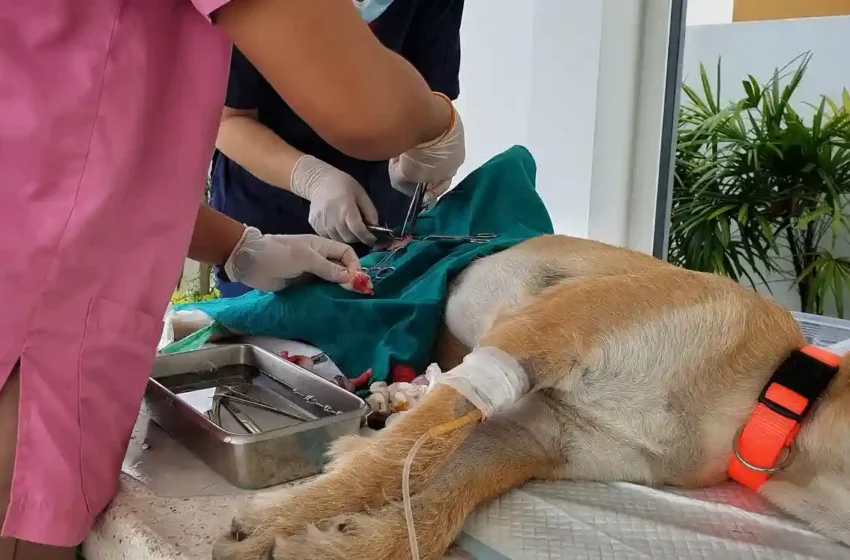
Dog Spaying: Benefits Every Pet Dog Owner Should Know
Bringing a dog into your family comes with many important decisions. One of the biggest is whether or not to choose dog spaying. Many pet owners feel uncertain because they hear different opinions from friends, family, or social media. So, how do you know what’s best?
The good news is that modern veterinary research provides clear guidance. Spaying isn’t simply about preventing puppies. It can protect your dog’s long-term health, improve certain behaviors, and even contribute to a healthier pet community.
In this comprehensive guide, you’ll learn what dog spaying is, why veterinarians often recommend it, when the procedure should be done, and what to expect before and after surgery. You’ll also discover expert insights, real-world examples, and practical advice to help you make an informed decision.
What Is Dog Spaying?
Dog spaying is a surgical procedure that removes a female dog’s reproductive organs, usually the ovaries and uterus. Once the surgery is completed, the dog can no longer become pregnant or experience heat cycles.
Veterinarians perform this procedure under general anesthesia, making it a routine operation in modern animal medicine.
Why Do Veterinarians Recommend Dog Spaying?
The recommendation goes far beyond birth control.
Veterinary professionals consider spaying one of the most effective preventive healthcare procedures because it can reduce the risk of several serious diseases while improving overall welfare.
The main goals include:
- Preventing unwanted pregnancies
- Lowering the risk of reproductive diseases
- Reducing mammary tumor risk when performed early
- Eliminating uterine infections
- Helping decrease pet overpopulation
Why Dog Spaying Matters More Than Ever
Every year, millions of unwanted puppies enter shelters worldwide. Many never find permanent homes.
Responsible pet ownership includes preventing accidental litters whenever possible.
Moreover, veterinary medicine has advanced significantly over the past two decades. Today’s surgical techniques are safer, anesthesia monitoring is more sophisticated, and recovery times are generally shorter than they once were.
For many healthy dogs, complications are uncommon when the surgery is performed by an experienced veterinarian.
Health Benefits of Dog Spaying
The greatest advantage of dog spaying is its positive effect on long-term health.
Let’s examine the biggest benefits.
Dog Spaying Helps Prevent Pyometra
One of the most dangerous reproductive diseases in female dogs is pyometra, a severe infection of the uterus.
This condition usually affects older, unspayed dogs and can become life-threatening within days.
Symptoms often include:
- Lethargy
- Vomiting
- Increased thirst
- Fever
- Vaginal discharge
- Loss of appetite
Without emergency surgery, pyometra can be fatal.
Fortunately, spaying completely eliminates this risk because the uterus is removed.
Dog Spaying Reduces Mammary Cancer Risk

Scientific studies consistently show that early dog spaying significantly lowers the chance of mammary gland tumors.
Timing matters.
Dogs spayed before their first heat generally have the greatest protective benefit.
Although no procedure can completely prevent cancer, reducing the risk of one of the most common cancers in female dogs is a major advantage.
Eliminates Ovarian and Uterine Diseases
Because the reproductive organs are removed, dogs cannot develop:
- Ovarian cancer
- Uterine cancer
- Uterine infections
- Ovarian cysts
As dogs age, these diseases become more common in unspayed females.
Preventive surgery removes those concerns entirely.
Better Long-Term Quality of Life
Healthy dogs often remain active well into their senior years.
Preventing reproductive illnesses means fewer emergency hospital visits, fewer expensive treatments, and a better quality of life.
Instead of facing life-threatening emergencies, many owners enjoy more healthy years with their pets.
Behavioral Benefits of Dog Spaying
Behavior depends on many factors, including training, genetics, and environment.
However, hormones also influence certain behaviors.
Less Roaming
Dogs in heat often attempt to escape in search of male dogs.
This creates risks such as:
- Traffic accidents
- Injuries
- Getting lost
- Unplanned pregnancies
After spaying, this behavior usually disappears.
Fewer Heat Cycle Behaviors
Female dogs typically experience heat approximately every six months.
During this period, owners often notice:
- Restlessness
- Frequent urination
- Blood spotting
- Increased vocalization
- Male dogs gathering nearby
Spaying permanently ends these cycles.
Reduced Hormone-Related Stress
Many dogs become calmer once hormone fluctuations are eliminated.
This doesn’t mean every dog suddenly becomes quiet or lazy.
Instead, many owners notice more stable behavior throughout the year.
Dog Spaying and Life Expectancy
One question many owners ask is whether spaying helps dogs live longer.
While many factors influence lifespan—including diet, exercise, genetics, preventive care, and regular veterinary visits—preventing serious reproductive diseases can contribute to a healthier, longer life.
For example:
A dog that never develops pyometra avoids emergency surgery later in life.
A dog that never develops mammary cancer may enjoy many additional healthy years.
In short, preventive healthcare often has lifelong benefits.
The Best Age for Dog Spaying
There isn’t one perfect age for every dog.
Instead, veterinarians consider several factors:
- Breed
- Adult size
- Growth rate
- Medical history
- Lifestyle
- Reproductive plans
Small Breeds
Smaller dogs often mature earlier.
Many veterinarians recommend spaying before or around the first heat, depending on individual circumstances.
Large Breeds
Large and giant breeds develop more slowly.
Recent research suggests that waiting longer may benefit joint development in some breeds.
Therefore, your veterinarian may recommend delaying surgery depending on your dog’s size and health.
Why Personalized Advice Matters
Every dog is unique.
Age recommendations have evolved as veterinary science has advanced.
Rather than following one universal rule, veterinarians now make individualized recommendations based on the latest evidence.
Preparing Your Dog for Spaying Surgery
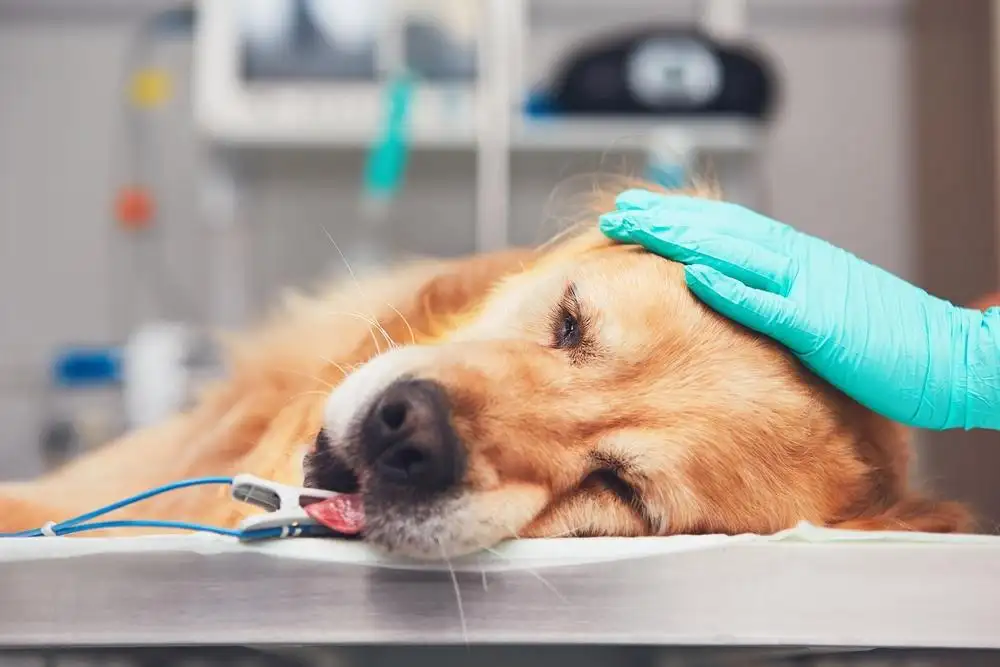
Preparation helps ensure a smooth experience.
Most veterinary clinics provide detailed instructions before surgery.
Typical recommendations include:
- Schedule a pre-surgical examination.
- Complete any recommended blood tests.
- Follow fasting instructions carefully.
- Bring your dog to the clinic early.
- Ask questions about pain management and recovery.
Preparing ahead of time reduces stress for both you and your pet.
Recovery After Dog Spaying
Recovery is usually straightforward when owners carefully follow their veterinarian’s instructions. Most healthy dogs begin feeling better within a few days, although complete healing generally takes around 10 to 14 days.
During this period, patience and proper care make a significant difference.
What to Expect After Dog Spaying
Immediately after surgery, your dog may appear:
- Sleepy
- Less active
- Slightly unsteady
- Less interested in food for the first day
These effects are usually related to anesthesia and should gradually improve.
Moreover, some dogs may whine or seem confused during the first evening. This is common and typically resolves quickly.
Tips for a Smooth Recovery
Help your dog recover by following these simple guidelines:
- Provide a quiet, comfortable place to rest.
- Prevent running, jumping, and rough play.
- Use an Elizabethan collar (cone) if your dog tries to lick the incision.
- Give all prescribed pain medications exactly as directed.
- Keep the incision clean and dry.
- Attend the scheduled follow-up appointment.
Most importantly, contact your veterinarian if you notice excessive swelling, bleeding, discharge, or signs of severe pain.
Dog Spaying Myths vs. Facts
Many myths continue to circulate online. Let’s separate fact from fiction.
| Myth | Reality |
| Dogs should have one litter first. | There is no medical requirement for a dog to have puppies before being spayed. |
| Spaying makes dogs overweight. | Weight gain results from excess calories and lack of exercise—not the surgery itself. |
| Spaying changes a dog’s personality. | Your dog’s loving personality remains the same, although hormone-related behaviors may decrease. |
| The surgery is dangerous. | For healthy dogs, spaying is considered a routine procedure with a high safety rate when performed by qualified veterinarians. |
| Older dogs cannot be spayed. | Many adult and senior dogs can still be safely spayed after proper veterinary evaluation. |
Understanding the facts helps owners make informed decisions instead of relying on outdated advice.
Are There Any Risks of Dog Spaying?
Like any surgical procedure, dog spaying carries some risks. However, serious complications are relatively uncommon when the surgery is performed by an experienced veterinary team.
Possible risks include:
- Infection
- Bleeding
- Reaction to anesthesia
- Temporary discomfort
- Delayed wound healing
Fortunately, modern monitoring equipment, improved anesthesia protocols, and advanced surgical techniques have made these risks much lower than in the past.
For most healthy dogs, the benefits significantly outweigh the potential risks.
Dog Spaying for Different Breeds
Not every breed develops at the same pace.
For example, toy breeds often mature earlier than giant breeds, while larger dogs may benefit from waiting until skeletal development is more advanced.
Some breeds also have unique orthopedic considerations that veterinarians evaluate before recommending the ideal timing.
Examples include:
- Labrador Retriever
- Golden Retriever
- German Shepherd
- Great Dane
- Border Collie
This is why personalized veterinary advice is far more valuable than following a one-size-fits-all recommendation found online.
How Dog Spaying Helps Communities

The benefits extend beyond individual pets.
Animal shelters around the world continue to face overcrowding due to accidental litters.
When responsible owners choose spaying, they help reduce:
- Homeless animals
- Shelter overcrowding
- Animal abandonment
- Euthanasia rates
- Competition for adoption
In other words, one responsible decision can positively affect many animals.
Financial Considerations
Many owners worry about the cost to spay a dog, but it is worth comparing this one-time preventive procedure with the potential expense of emergency treatment for uterine infections, pregnancy complications, or caring for an unexpected litter. In many cases, preventive care proves far more affordable over a dog’s lifetime.
Dog Spaying Compared With Leaving Dogs Unspayed
| Spayed Dogs | Unspayed Dogs |
| No heat cycles | Regular heat cycles |
| Cannot become pregnant | Risk of accidental pregnancy |
| No pyometra | Increased risk of pyometra |
| Lower mammary tumor risk (when done early) | Higher mammary tumor risk |
| No uterine diseases | Potential uterine diseases |
| Reduced roaming behavior | More hormone-driven behaviors |
This comparison highlights why many veterinarians recommend spaying as part of preventive healthcare.
Expert Perspective
As veterinary medicine continues to evolve, recommendations surrounding dog spaying have become more individualized. Rather than applying the same advice to every dog, veterinarians now evaluate breed, size, growth patterns, medical history, and lifestyle.
This personalized approach reflects today’s evidence-based standards and helps maximize long-term health while minimizing unnecessary risks.
Conclusion
Choosing dog spaying is one of the most important healthcare decisions many pet owners will make. Beyond preventing unwanted pregnancies, the procedure offers meaningful health benefits, including protection against pyometra, a reduced risk of mammary tumors when performed early, and the elimination of several reproductive diseases.
However, the right timing depends on your dog’s breed, age, size, and overall health. That is why discussing your dog’s individual needs with a qualified veterinarian is essential.
In the end, preventive care is one of the greatest gifts you can give your companion. By making informed decisions today, you can help your dog enjoy a healthier, happier, and longer life.
Frequently Asked Questions
How long does it take a dog to recover from spaying?
Most dogs recover within 10 to 14 days. They usually feel much better after a few days, but activity should remain limited until the incision has fully healed.
What exactly is spaying a dog?
Spaying is a surgical procedure that removes a female dog’s reproductive organs, preventing pregnancy and eliminating future heat cycles while reducing the risk of several reproductive diseases.
Should female dogs get spayed?
For many dogs, veterinarians recommend spaying because of its health and population-control benefits. However, the ideal timing should always be based on your dog’s breed, age, and medical condition.
Is spaying a dog good or bad for them?
For most healthy female dogs, spaying offers significant long-term health benefits. Like any surgery, there are risks, but they are generally low when the procedure is performed by an experienced veterinarian.
⭐ Make MindLiva Your Preferred Source on Google
Get trusted health, wellness, and lifestyle articles from MindLiva.
Add MindLiva
Samie Babaei is a medical science student at Shahid Beheshti University of Medical Sciences with a strong interest in health, wellness, and medical research. As a health writer and researcher at MindLiva, she focuses on creating clear, evidence-based content that helps readers better understand health and well-being.