




How Much Is the Cost to Spay a Dog? Budget-Friendly Tips
Bringing a dog into your family is exciting, but it also comes with important responsibilities. One of the biggest health decisions you’ll make is whether to have your female dog spayed. If you’re wondering about the cost to spay a dog, you’re certainly not alone. Many pet owners want to provide the best care while staying within a reasonable budget.
The good news is that spaying is not only a responsible choice but also a smart financial investment in the long run. Although the upfront cost may seem significant, it can help prevent expensive medical problems, reduce unwanted litters, and improve your dog’s quality of life.
In this guide, you’ll learn how much spaying typically costs, what influences the price, ways to save money, and why veterinarians strongly recommend the procedure. You’ll also discover practical tips that help you make an informed decision without sacrificing your pet’s health.
What Is the Cost to Spay a Dog?
The average cost to spay a dog varies widely depending on several factors. In the United States, pet owners generally pay between $50 and $600.
Here’s a general breakdown:
| Service | Average Cost |
| Low-cost spay clinic | $50–$150 |
| Animal shelter program | $50–$100 |
| Private veterinary clinic | $250–$600 |
| Specialty veterinary hospital | $500–$1,000+ |
The wide price range often surprises first-time pet owners. However, each clinic offers different services, equipment, and levels of care.
For example, a low-cost clinic usually focuses on performing many routine surgeries efficiently, while a private veterinary hospital often includes extensive pre-surgery testing, advanced anesthesia monitoring, pain medication, and follow-up care.
Personal insight: Many owners initially choose the cheapest option. However, asking exactly what is included in the price often reveals that spending slightly more provides better monitoring and a smoother recovery for your dog.
Why Does the Cost to Spay a Dog Vary So Much?

Several important factors influence pricing.
Your Dog’s Size
Larger dogs require:
- More anesthesia
- More pain medication
- Larger surgical supplies
- Longer surgery time
As a result, the price increases with body weight.
For instance:
- Small dogs often cost less.
- Medium-sized dogs fall in the middle range.
- Giant breeds generally cost the most.
Age Matters
Younger dogs usually recover faster and require simpler surgery.
Older dogs may need:
- Additional blood work
- Heart evaluations
- Extra monitoring
- Longer anesthesia
Consequently, older dogs often have higher surgical costs.
Geographic Location
Where you live has a significant impact.
For example:
- Rural communities often have lower veterinary fees.
- Large metropolitan cities generally charge more because of higher operating costs.
The same surgery could cost $100 in one area and over $500 in another.
Type of Veterinary Facility
Not all clinics provide the same level of service.
Low-Cost Clinics
These clinics specialize in affordable surgeries.
Advantages include:
- Lower prices
- Experienced surgical teams
- Faster scheduling
However, additional services may cost extra.
Private Veterinary Hospitals
Private clinics often include:
- Comprehensive physical examination
- Blood testing
- IV fluids
- Advanced monitoring
- Pain management
- Follow-up appointments
Although they cost more, many owners appreciate the personalized care.
Emergency or Specialty Hospitals
If your dog has medical complications, specialty hospitals may be the safest option.
Naturally, these facilities usually charge the highest fees because they provide advanced surgical expertise.
What’s Included in the Price?

Many owners assume they’re paying only for surgery.
Actually, the total bill often includes much more.
A complete spay package may include:
- Physical examination
- Pre-anesthetic blood tests
- General anesthesia
- Surgical supplies
- Sterile operating room
- Heart monitoring
- Oxygen support
- Pain medication
- Recovery observation
- E-collar
- Follow-up instructions
Always ask for an itemized estimate before scheduling surgery.
Additional Costs You Might Not Expect
Sometimes extra charges appear after the initial quote.
Common examples include:
Blood Tests
Pre-operative blood work checks liver and kidney function.
Typical cost:
$50–$200
Although optional at some clinics, many veterinarians strongly recommend it.
Pain Medication
Modern pain management helps dogs recover comfortably.
Typical cost:
$20–$80
Skipping pain medication is never recommended.
Microchipping
Many owners combine surgery with microchipping.
Average cost:
$25–$60
Since your dog is already under anesthesia, this is an excellent opportunity.
Vaccinations
Some clinics recommend updating vaccinations before surgery.
These may add:
$20–$100
depending on which vaccines are needed.
Cone or Recovery Suit
Most dogs need to avoid licking the incision.
Options include:
- Plastic cone
- Inflatable collar
- Surgical recovery suit
Cost ranges from:
$10–$60
Is the Cost to Spay a Dog Worth It?
Many pet owners focus only on today’s bill.
However, it’s helpful to consider future savings.
Spaying greatly lowers the risk of several expensive medical conditions.
These include:
- Uterine infections (pyometra)
- Ovarian disease
- Certain reproductive cancers
- Pregnancy complications
Emergency surgery for pyometra alone can cost $2,000–$5,000, making preventive surgery much more affordable.
Moreover, preventing an unexpected litter eliminates expenses related to pregnancy, delivery, vaccinations, food, and finding homes for puppies.
Health Benefits Beyond the Cost
Financial savings are important, but health benefits matter even more.
Veterinarians recommend dog spaying because it can improve long-term wellness in many dogs.
Some of the biggest benefits include:
- Longer life expectancy
- Lower cancer risk
- Prevention of uterine infections
- No heat cycles
- Reduced roaming behavior
- Lower chance of accidental pregnancy
According to several veterinary studies, spayed female dogs generally experience fewer reproductive health problems throughout their lives.
How Spaying Can Reduce Future Veterinary Bills
Preventive healthcare often costs less than emergency treatment.
Consider these examples:
| Condition | Estimated Treatment Cost |
| Emergency pyometra surgery | $2,000–$5,000 |
| Mammary tumor removal | $800–$3,000 |
| Pregnancy complications | $1,500–$5,000 |
Compared with these costs, the average cost to spay a dog is relatively small.
In many cases, the surgery pays for itself by preventing just one serious illness.
Low-Cost Programs That Help Pet Owners
If your budget is limited, don’t assume spaying is out of reach.
Many organizations offer financial assistance.
Some options include:
1. Local Animal Shelters
Many shelters partner with veterinarians to provide discounted surgeries.
These programs are often available to local residents.
2. Humane Organizations
Nonprofit organizations frequently organize affordable spay events throughout the year.
Appointments fill quickly, so early booking is recommended.
3. Veterinary Schools
Teaching hospitals sometimes offer reduced prices while experienced veterinarians supervise every procedure.
The quality of care remains very high.
4. Municipal Animal Control Programs
Some cities offer vouchers that lower the cost to spay a dog, especially in areas with large stray animal populations.
Budget-Friendly Tips to Lower the Cost to Spay a Dog
Spaying your dog doesn’t have to strain your finances. With a little planning, you can often reduce costs without compromising your pet’s safety or quality of care.
1. Compare Veterinary Clinics
Prices can vary significantly between clinics, even within the same city.
Before booking, ask each clinic:
- What is included in the quoted price?
- Are blood tests included?
- Does the fee cover pain medication?
- Is a follow-up visit included?
- Are there any additional charges?
Choosing the lowest price isn’t always the best option. Instead, compare the value of the services offered.
2. Look for Low-Cost Spay Programs
Many communities have nonprofit organizations dedicated to reducing pet overpopulation.
These organizations often provide:
- Discounted surgeries
- Income-based assistance
- Seasonal promotions
- Community pet wellness events
Checking local animal shelters is often a great place to start.
3. Consider Pet Insurance Carefully
Most pet insurance plans do not cover routine spaying because it is considered preventive care.
However, some wellness add-ons reimburse part of the procedure.
Always review your policy before scheduling surgery.
4. Ask About Payment Plans
Many veterinary clinics understand that surgery can be an unexpected expense.
Some offer:
- Monthly payment plans
- Veterinary financing options
- Third-party healthcare credit
Breaking the payment into smaller amounts can make the procedure much more manageable.
5. Schedule Surgery at the Recommended Age
When dogs are healthy and young, surgery is generally simpler.
Delaying the procedure may increase costs if health issues develop later in life.
Planning ahead often saves both money and stress.
Choosing the Right Veterinary Clinic
Finding the right veterinarian is just as important as finding a reasonable price.
When comparing clinics, look for:
✔ Experienced veterinarians
✔ Clean surgical facilities
✔ Modern anesthesia monitoring
✔ Positive client reviews
✔ Clear pricing
✔ Good communication
Don’t hesitate to ask questions before making a decision. A trustworthy veterinarian will gladly explain the procedure, discuss potential risks, and provide a detailed estimate.
Preparing Your Dog Before Surgery
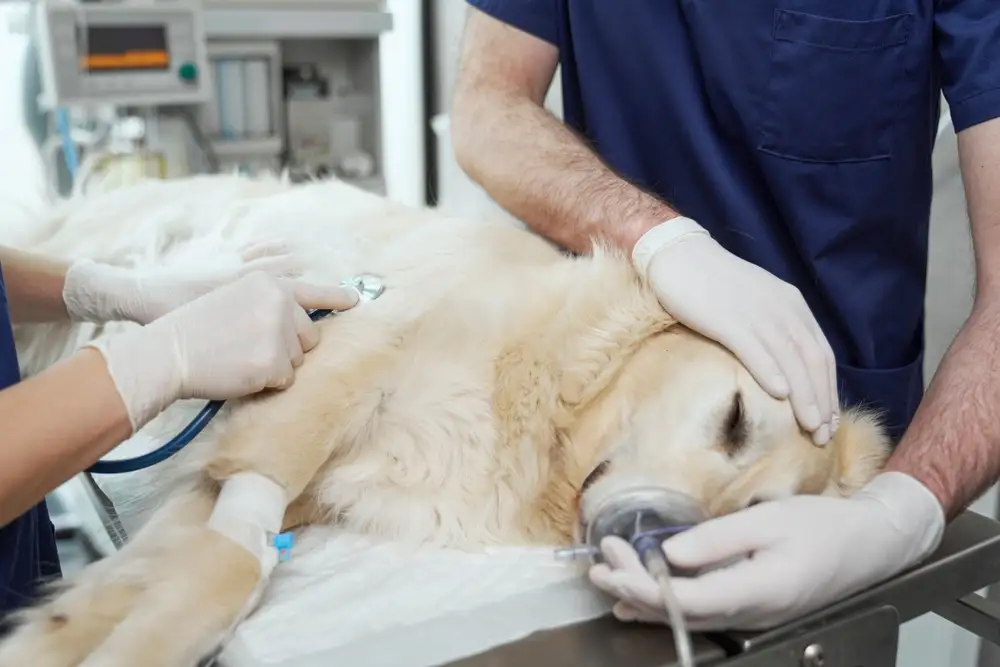
Proper preparation helps reduce complications and supports a smooth recovery.
Most veterinarians recommend:
- Following fasting instructions before surgery
- Bringing updated vaccination records
- Keeping your dog calm before the appointment
- Informing the veterinarian about any medications your dog takes
- Arriving on time for the scheduled procedure
These simple steps help ensure everything goes as planned.
What Happens During the Procedure?
Many owners feel nervous because they don’t know what to expect.
The procedure follows a well-established process.
Step 1: Physical Examination
The veterinary team performs a final health check.
Step 2: Anesthesia
Your dog receives general anesthesia and is carefully monitored throughout surgery.
Step 3: Surgery
The veterinarian removes the reproductive organs through a small abdominal incision using sterile techniques.
Most routine surgeries are completed within an hour.
Step 4: Recovery
After surgery, trained staff monitor your dog until she wakes up safely.
Once she is alert and stable, she can usually go home the same day.
Recovery After Spaying
Recovery is often quicker than many owners expect.
Most healthy dogs begin acting normally within a few days, although complete healing usually takes 10 to 14 days.
During recovery:
- Limit running and jumping.
- Keep the incision clean and dry.
- Prevent licking with an e-collar or recovery suit.
- Give medications exactly as prescribed.
- Watch for swelling, redness, or discharge.
Contact your veterinarian immediately if you notice excessive bleeding, persistent vomiting, loss of appetite for more than a day, or signs of severe pain.
Common Myths About Spaying
Many misconceptions still surround spaying. Let’s separate fact from fiction.
Myth 1: Every Female Dog Should Have One Litter
Fact: There is no scientific evidence that having a litter improves a dog’s health.
Myth 2: Spayed Dogs Always Gain Weight
Fact: Weight gain is usually linked to overeating and lack of exercise—not the surgery itself.
Maintaining a balanced diet and regular activity helps keep your dog at a healthy weight.
Myth 3: The Surgery Is Too Risky
Fact: Spaying is one of the most common veterinary procedures. For healthy dogs, serious complications are uncommon when performed by qualified professionals.
Myth 4: Older Dogs Cannot Be Spayed
Fact: Older dogs can often be safely spayed after a thorough health evaluation. Your veterinarian will determine whether surgery is appropriate based on your dog’s overall condition.
Factors to Consider Before Scheduling Surgery
Every dog is unique, so timing and planning matter.
Before booking, think about:
- Your dog’s age
- Breed and body size
- Overall health
- Vaccination status
- Future breeding plans
- Your veterinarian’s recommendation
Discussing these factors with your veterinarian will help you choose the safest time for the procedure.
Expert Perspective
Veterinarians and animal welfare organizations consistently recommend spaying for dogs that are not intended for breeding. Besides preventing unwanted pregnancies, the procedure lowers the risk of life-threatening reproductive diseases and contributes to responsible pet ownership.
From a long-term perspective, the cost to spay a dog is often far less than the potential expense of treating preventable illnesses or caring for an unexpected litter. Investing in preventive healthcare today can save money and improve your dog’s quality of life for years to come.
Conclusion
Understanding the cost to spay a dog helps you make a confident and informed decision. While prices vary depending on location, your dog’s size, age, and the type of veterinary clinic, the procedure offers significant long-term benefits that extend well beyond the initial expense.
More importantly, spaying can reduce the risk of serious health conditions, eliminate the possibility of unplanned litters, and support a longer, healthier life for many dogs. By comparing clinics, exploring low-cost programs, and asking the right questions, you can find quality care that fits your budget.
Ultimately, choosing to spay your dog is not just a financial decision—it’s an investment in her lifelong health and well-being.
Frequently Asked Questions
What’s the average price to have your dog spayed?
The average price ranges from $50 to $600 in the United States. Low-cost clinics charge less, while private veterinary hospitals typically include additional services such as blood work, anesthesia monitoring, and follow-up care.
What is the best age to spay a dog?
The ideal age depends on your dog’s breed, size, and overall health. Many veterinarians recommend spaying before the first heat cycle for small and medium breeds, while larger breeds may benefit from waiting longer. Always follow your veterinarian’s advice.
Is it worth getting a female dog spayed?
Yes. Spaying helps prevent unwanted litters and lowers the risk of serious conditions such as uterine infections and certain reproductive cancers. It can also reduce future veterinary expenses related to these diseases.
Is it cheaper to spay a male or female dog?
Generally, neutering a male dog costs less because the procedure is less complex and does not involve abdominal surgery. Spaying a female dog usually requires more surgical time and monitoring.
Do female dogs change after being spayed?
Most dogs keep the same loving personality after spaying. The main changes are the absence of heat cycles and a reduced risk of reproductive health problems. Maintaining a healthy diet and regular exercise helps prevent unnecessary weight gain.
⭐ Make MindLiva Your Preferred Source on Google
Get trusted health, wellness, and lifestyle articles from MindLiva.
Add MindLiva
Samie Babaei is a medical science student at Shahid Beheshti University of Medical Sciences with a strong interest in health, wellness, and medical research. As a health writer and researcher at MindLiva, she focuses on creating clear, evidence-based content that helps readers better understand health and well-being.