



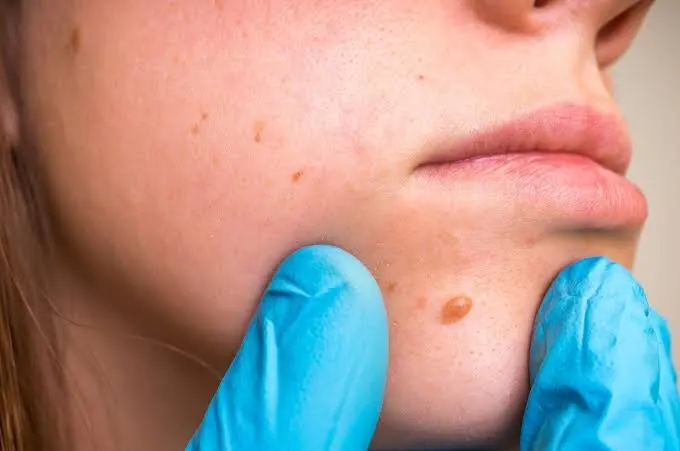
Melanoma on Face: Early Signs, Treatment & Recovery
Have you ever noticed a new spot on your face that looks different from your other moles? It might seem harmless at first, but changes in the skin should never be ignored. The face receives more sunlight than almost any other part of the body, making it especially vulnerable to damage caused by ultraviolet (UV) rays.
Melanoma on face deserves careful attention because it can develop in areas people see every day yet still mistake for age spots, freckles, or harmless skin changes. Fortunately, medical advances have greatly improved diagnosis and treatment, especially when the condition is found early.
In this guide, you’ll learn how facial melanoma develops, the warning signs to recognize, available treatment options, recovery expectations, and practical ways to lower your risk. You’ll also discover expert insights, real-life examples, and evidence-based advice that can help you make informed decisions about your skin health.
Why Melanoma on Face Needs Immediate Attention
The face is constantly exposed to sunlight throughout the year. Even on cloudy days, ultraviolet radiation reaches the skin and gradually damages skin cells. Over many years, this damage can lead to abnormal cell growth.
Unlike many common skin conditions, melanoma skin cancer has the ability to grow deeper into the skin and spread to other organs if treatment is delayed. That is why dermatologists encourage people to monitor changes in facial moles and pigmented spots.
According to the World Health Organization, excessive UV exposure remains one of the leading preventable causes of skin cancers worldwide. Early detection continues to be the most effective strategy for improving survival rates.
Understanding Melanoma on Face
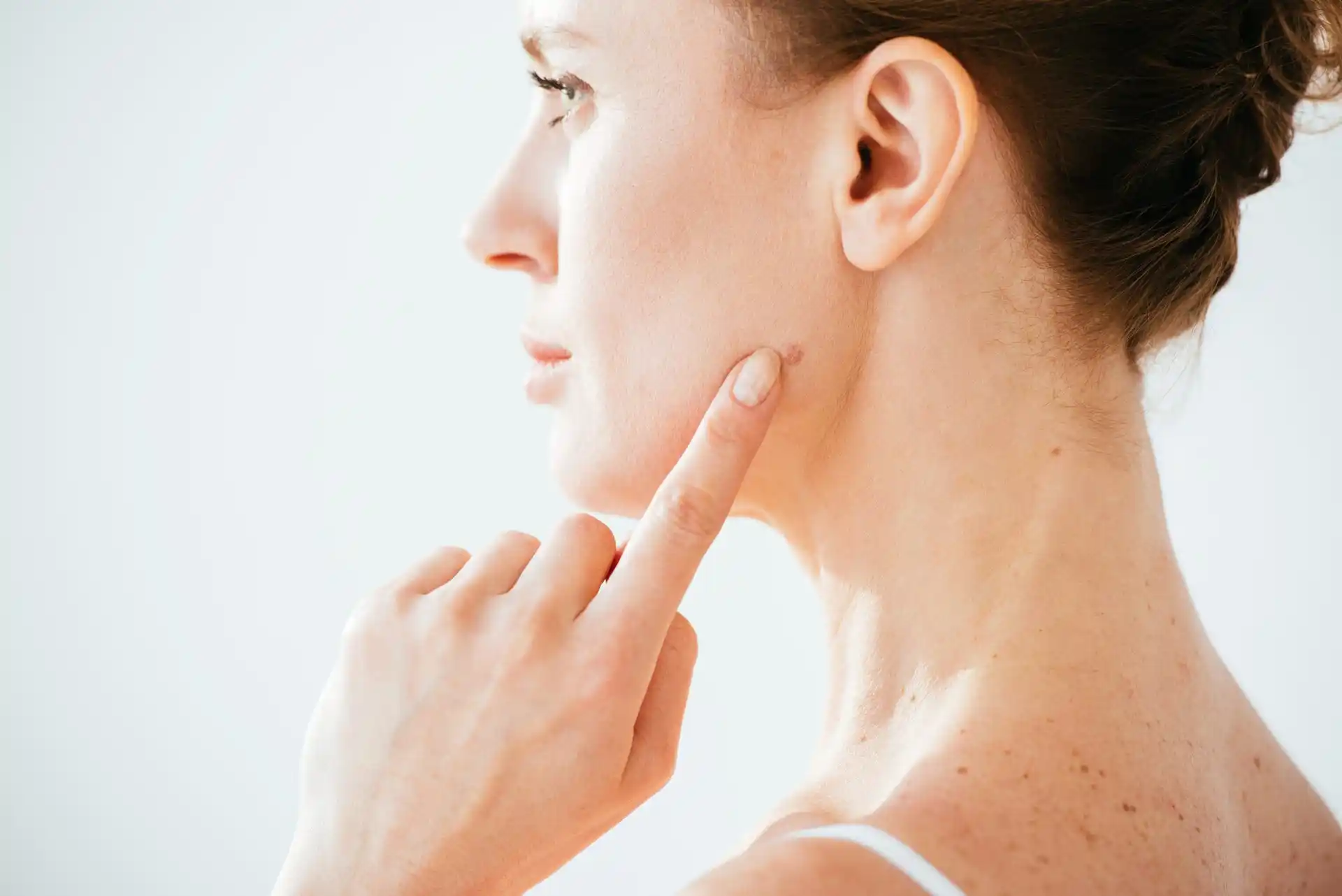
What Is It?
Melanoma develops in melanocytes, the cells responsible for producing melanin, the pigment that gives skin its color. When these cells begin growing uncontrollably, they can form cancerous lesions.
Although it represents a smaller percentage of skin cancer cases, it causes the majority of skin cancer-related deaths because of its aggressive behavior.
On the face, melanoma often appears on:
- The cheeks
- Nose
- Forehead
- Lips
- Temples
- Around the ears
- Neck
People with fair skin are generally at greater risk, but individuals of every skin tone can develop the disease.
Why the Face Is More Vulnerable
Several factors increase the likelihood of developing melanoma on face:
- Daily UV exposure
- History of severe sunburns
- Outdoor occupations
- Family history
- Older age
- Fair complexion
- Large numbers of moles
- Previous skin cancers
Moreover, facial skin is thinner in several areas, making careful examination even more important.
What Causes Melanoma on Face?
Researchers agree that multiple factors work together rather than one single cause.
Ultraviolet Radiation
The leading cause remains excessive UV exposure from:
- Natural sunlight
- Tanning beds
- High-altitude environments
- Reflective surfaces like snow or water
UV rays damage DNA inside skin cells. Over time, damaged cells may lose the ability to repair themselves.
Genetics
Some people inherit gene changes that increase their lifetime risk.
For example, someone whose parents or siblings have had melanoma often requires more frequent skin examinations.
Age and Lifestyle
Risk generally increases after age 50, although younger adults can also develop facial melanoma.
Lifestyle factors include:
- Frequent outdoor sports
- Limited sunscreen use
- Repeated sunburns during childhood
- Weak immune system
Recognizing the Signs Early
One of the biggest advantages in fighting skin cancer is recognizing changes before they become serious.
Doctors often recommend the ABCDE Rule.
A — Asymmetry
One half looks different from the other.
B — Border
Edges appear uneven or blurred.
C — Color
Several colors appear within the same mole.
D — Diameter
Larger than approximately 6 mm.
E — Evolving
The mole changes over time.
These remain some of the most reliable symptoms of melanoma that people can monitor at home.
What Does Melanoma on Face Look Like?
Many people ask, what does melanoma look like on the skin?
The answer depends on the type and stage. Some facial melanomas appear as:
- Dark brown patches
- Black irregular spots
- Pink raised bumps
- Blue-black lesions
- Flat uneven areas
- Fast-growing nodules
However, appearances vary significantly. Some lesions contain several shades of brown, black, red, gray, or even white.
Personal insight from dermatology practice shows that patients often dismiss these changes because they resemble age spots. Regular skin checks remain one of the simplest habits for catching suspicious changes early.
Different Types of Melanoma That Everyone Should Know
Although this article focuses on facial disease, understanding different forms helps explain why diagnosis varies.
Early Stage Disease
An early stage melanoma is usually confined to the upper layers of the skin. At this point, surgical removal often provides an excellent outcome.
Nodular Growth
Nodular melanoma tends to grow vertically into deeper skin layers much faster than other forms. It often appears as a raised bump rather than a flat mole.
Colorless Variants
Not every melanoma contains dark pigment.
An amelanotic melanoma may look pink, red, or skin-colored, making diagnosis more challenging.
Under the Nail
Although unrelated to facial disease, subungual melanoma develops beneath fingernails or toenails and may resemble bruising.
Eye Involvement
Ocular melanoma develops inside the eye instead of the skin and usually requires completely different treatment approaches.
How Doctors Diagnose Melanoma on Face
Early diagnosis combines careful examination with modern medical technology.
Visual Skin Examination
Dermatologists inspect suspicious spots using magnification and specialized lighting.
Many clinics now use digital imaging systems to compare photographs over time.
Dermoscopy
A dermoscope allows doctors to examine structures beneath the skin surface that are invisible to the naked eye.
This non-invasive tool improves diagnostic accuracy.
Skin Biopsy
If a lesion appears suspicious, doctors remove all or part of it for laboratory testing.
A pathologist determines:
- Thickness
- Cell type
- Growth pattern
- Margins
- Stage
Biopsy remains the only way to confirm the diagnosis.
Additional Imaging
When doctors suspect deeper spread, they may recommend:
- CT scan
- MRI
- PET scan
- Ultrasound
- Lymph node evaluation
Fortunately, these tests are unnecessary for many patients diagnosed at an early stage.
How Staging Affects Treatment
Doctors classify disease according to how deeply it has grown and whether it has spread.
The main stages include:
- Stage 0
- Stage I
- Stage II
- Stage III
- Stage IV
Patients diagnosed before spread generally experience much better long-term outcomes.
Moreover, staging helps specialists choose the most appropriate treatment plan while avoiding unnecessary procedures.
Treatment Options for Melanoma on Face
The best treatment for melanoma on face depends on several factors, including the tumor’s thickness, its location, whether it has spread, and the patient’s overall health. Because facial skin plays an important role in appearance and function, treatment plans often involve a team of specialists, including dermatologists, surgical oncologists, plastic surgeons, and pathologists.
Early diagnosis usually allows for less extensive treatment and better cosmetic results.
Surgery Is Often the First Choice
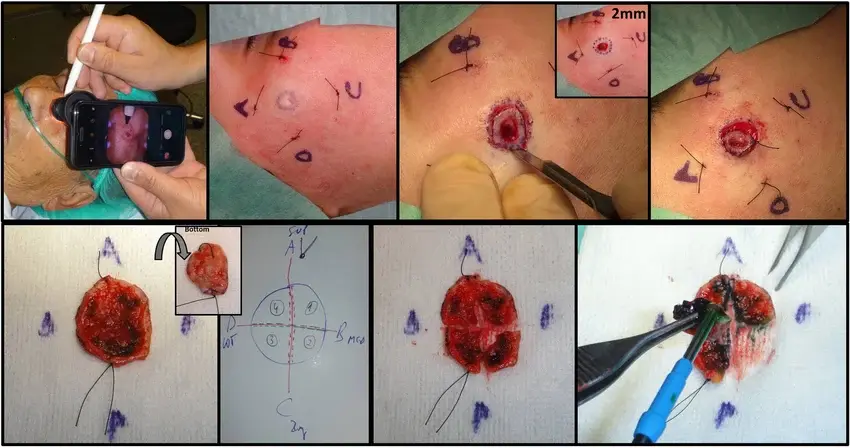
Wide Local Excision
For most patients, surgery is the primary treatment.
The surgeon removes the tumor along with a small margin of healthy skin. This helps reduce the chance that cancer cells remain behind.
Because the face contains delicate structures, surgeons carefully balance complete removal with preserving appearance and function.
Mohs Micrographic Surgery
In selected cases, Mohs surgery may be recommended, especially for certain facial lesions.
During this procedure:
- Thin layers of tissue are removed one at a time.
- Each layer is examined under a microscope immediately.
- The process continues until no abnormal cells remain.
This technique removes as little healthy tissue as possible while maintaining high cure rates.
Lymph Node Evaluation
If the tumor is thicker or has higher-risk features, doctors may recommend a sentinel lymph node biopsy.
This procedure helps determine whether cancer cells have reached nearby lymph nodes.
Knowing this information allows specialists to plan the most effective treatment.
Immunotherapy
Medical advances have transformed the treatment of advanced skin cancers.
Immunotherapy works by helping the body’s immune system recognize and destroy cancer cells more effectively.
Common benefits include:
- Improved long-term control
- Better survival in selected patients
- Reduced recurrence in higher-risk cases
Although side effects are possible, careful monitoring helps manage them successfully.
Targeted Therapy
Some tumors contain specific genetic mutations.
If testing identifies these mutations, doctors may prescribe targeted medicines that attack cancer cells while limiting damage to healthy tissue.
Targeted therapy has become an important option for many patients with advanced disease.
Radiation Therapy
Radiation is not always the first treatment for facial melanoma.
However, it may be recommended when:
- Surgery cannot remove all cancer cells.
- The tumor returns.
- Cancer has spread.
- Pain relief is needed.
Radiation uses high-energy beams to destroy remaining abnormal cells.
Recovery After Treatment
Recovery varies from person to person.
Several factors influence healing, including:
- Size of the tumor
- Surgical technique
- Overall health
- Age
- Location on the face
Most patients gradually return to normal daily activities within a few weeks after minor procedures.
What to Expect During Recovery
Recovery often includes:
- Mild swelling
- Temporary redness
- Scar healing
- Follow-up appointments
- Skin examinations
Doctors usually recommend protecting the healing area from direct sunlight because fresh scars are especially sensitive to UV rays.
Managing Facial Scars
Modern reconstructive techniques have significantly improved cosmetic outcomes.
Depending on the surgery, your healthcare team may recommend:
- Silicone scar sheets
- Scar massage
- Laser treatments
- Sun protection
- Moisturizing creams
Patience is important because scars continue improving for many months.
Follow-Up Care Matters
Treatment does not end after surgery.
Regular follow-up visits help detect recurrence or new skin cancers at an early stage.
Many dermatologists recommend:
- Monthly self-examinations
- Professional skin checks every 3–12 months, depending on risk
- Lifelong sun protection
Keeping photo records of moles can also help identify subtle changes over time.
Can Melanoma Spread?
A common question patients ask is how fast does melanoma spread.
The answer depends on the type, thickness, and biological behavior of the tumor. Some forms grow slowly over months or years, while others may progress much more quickly. This is why experts recommend having any suspicious skin change evaluated without delay instead of waiting to see if it improves.
If cancer spreads beyond the original site to distant organs, it is called metastatic melanoma. Advances in modern therapies have improved outcomes for many patients, but early diagnosis remains the most effective way to prevent this stage.
Prevention Tips for Healthier Skin

Although not every case can be prevented, healthy habits can greatly reduce risk.
Protect Your Skin Every Day
Make these habits part of your routine:
- Apply broad-spectrum SPF 30 or higher sunscreen.
- Reapply every two hours outdoors.
- Wear a wide-brimmed hat.
- Use UV-blocking sunglasses.
- Stay in the shade during peak sunlight hours.
- Avoid tanning beds.
- Check your skin once each month.
Small daily actions can make a meaningful difference over time.
Common Myths About Facial Melanoma
Myth 1: Only Older Adults Get It
False.
Although risk increases with age, younger adults can also develop skin melanoma, especially after repeated UV exposure.
Myth 2: Only Dark Moles Are Dangerous
False.
Some suspicious spots have little or no pigment, which is why any changing lesion deserves attention.
Myth 3: Sunscreen Provides Complete Protection
False.
Sunscreen is essential, but it should be combined with protective clothing, hats, sunglasses, and limiting excessive sun exposure.
A Real-Life Example
Imagine a 46-year-old teacher who noticed a small brown spot near her cheekbone. At first, she believed it was simply an age spot. Over several months, however, it became darker and developed an uneven border.
Her dermatologist performed a biopsy, confirming a localized lesion. Surgery removed the affected tissue completely, and follow-up visits showed no signs of recurrence.
This example highlights why paying attention to small changes can lead to timely treatment and an excellent recovery.
Conclusion
Melanoma on face is a condition that should never be ignored, but it is also one where early action can make a remarkable difference. Understanding the warning signs, seeking prompt medical evaluation, and following a personalized treatment plan all contribute to better outcomes.
Modern surgery, advanced medicines, and improved follow-up care continue to increase survival rates and enhance quality of life. By protecting your skin from UV damage and checking for changes regularly, you take an important step toward safeguarding your long-term health.
If you notice a mole or spot that changes in size, shape, or color, schedule an evaluation with a qualified dermatologist. Acting early is one of the most effective ways to protect your skin and your future.
Frequently Asked Questions
What does melanoma look like on your face?
It may appear as a new mole or a changing spot with uneven borders, multiple colors, or an irregular shape. Some lesions can also look pink or flesh-colored.
What is Stage 1 melanoma on the face?
Stage 1 means the cancer is limited to the skin and has not spread to nearby lymph nodes or distant organs. Treatment usually involves surgical removal.
How serious is melanoma on the face?
It can be serious because it has the potential to spread if left untreated. However, when detected early, treatment is often highly successful.
What are the first signs of melanoma?
Common early signs include a mole that changes in size, shape, color, or texture, or a new spot that looks different from surrounding moles.
What is the 2 week rule for melanoma?
The “2 week rule” generally refers to urgent referral pathways in some healthcare systems, where people with suspicious skin lesions should be assessed by a specialist within two weeks.
⭐ Make MindLiva Your Preferred Source on Google
Get trusted health, wellness, and lifestyle articles from MindLiva.
Add MindLiva
Samie Babaei is a medical science student at Shahid Beheshti University of Medical Sciences with a strong interest in health, wellness, and medical research. As a health writer and researcher at MindLiva, she focuses on creating clear, evidence-based content that helps readers better understand health and well-being.