



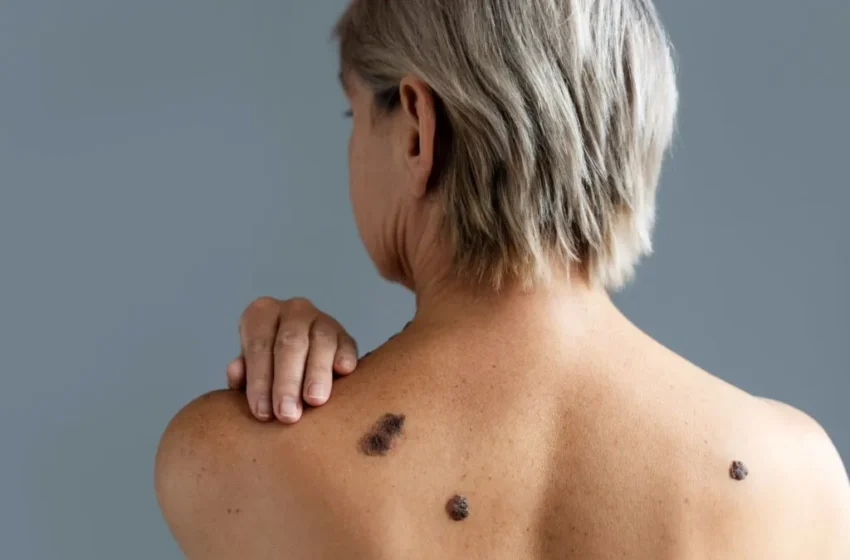
How to Perform Skin Self-Exams for Melanoma Early Detection
Have you ever noticed a mole that looked a little different and wondered whether it was something to worry about? Most skin spots are harmless, but some can develop into melanoma, the most dangerous type of skin cancer. The encouraging news is that melanoma is often highly treatable when it is found early.
Health experts continue to emphasize the importance of routine skin checks because early diagnosis dramatically improves outcomes. Research published in 2025 also highlights that people who regularly perform skin self-examinations are more likely to identify suspicious lesions themselves and seek medical care sooner.
This guide explains exactly how to examine your skin from head to toe, recognize warning signs, reduce your risk, and understand when professional evaluation is necessary.
Why Melanoma Awareness Matters
Although many people think of skin cancer as a condition that only affects older adults, melanoma can develop at almost any age. Excessive ultraviolet (UV) exposure remains the leading preventable cause, with researchers estimating that more than 80% of cutaneous melanoma cases worldwide are linked to UV radiation exposure.
Melanoma develops in melanocytes—the pigment-producing cells responsible for skin color. Unlike many other skin cancers, melanoma has a greater ability to spread to nearby lymph nodes and distant organs if left untreated.
Recent cancer statistics continue to show that melanoma remains one of the most frequently diagnosed cancers in fair-skinned populations. For example, Australia estimates more than 17,000 new melanoma cases in 2025 with an impressive 94% five-year survival rate, reflecting the benefits of earlier diagnosis and modern treatments.
The most important message is simple: finding melanoma early saves lives.
What Is Melanoma?
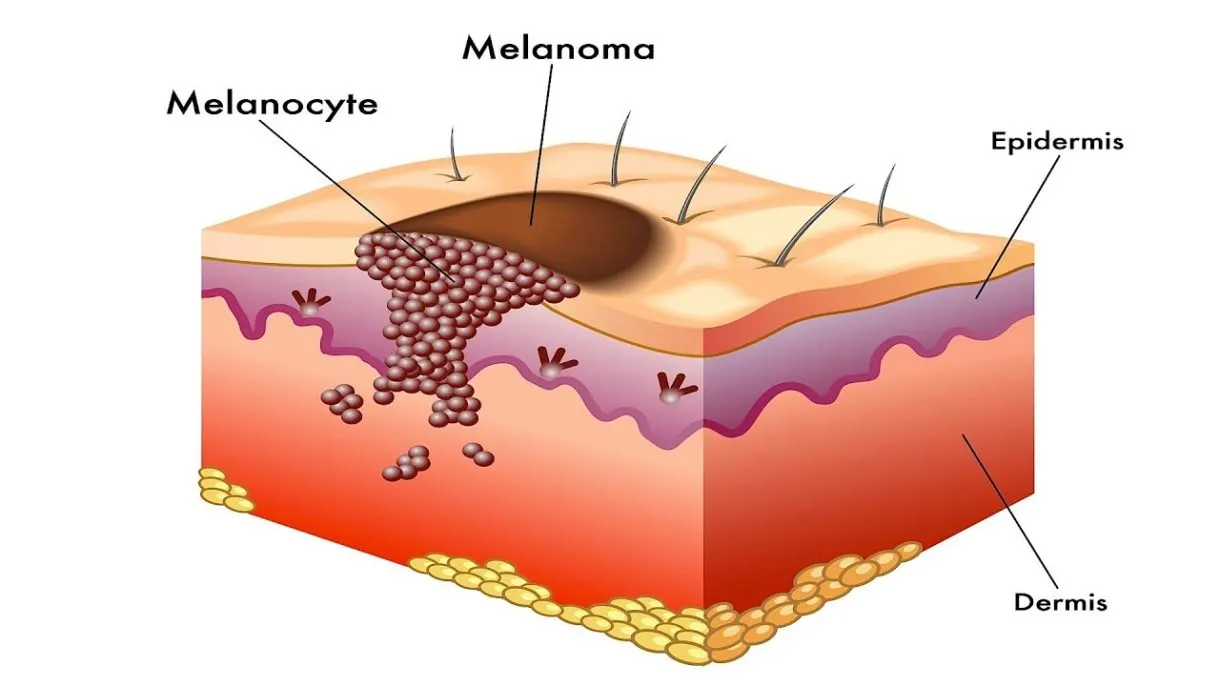
Melanoma begins when melanocytes grow uncontrollably due to DNA damage, most commonly from ultraviolet radiation. While it usually appears on the skin, it can also develop in the eyes, nails, or mucous membranes.
The disease does not always look dramatic. Sometimes it starts as a tiny spot that slowly changes over months. In other cases, it grows surprisingly quickly. That is why dermatologists encourage people to become familiar with their own skin rather than relying only on annual medical appointments.
Common Risk Factors
Your risk increases if you have:
- Fair skin
- Blue or green eyes
- Red or blonde hair
- Numerous moles
- A family history of melanoma
- Frequent sunburns
- Indoor tanning history
- A weakened immune system
Having one or more of these factors does not mean you will develop melanoma. It simply means regular skin examinations become even more important.
Types of Melanoma
Several forms of melanoma exist, and recognizing them can help improve awareness.
The most common type is superficial spreading melanoma, which usually develops gradually across the surface of the skin before growing deeper.
Nodular melanoma behaves differently. Instead of spreading sideways first, it often grows downward rapidly, making early recognition especially important.
Malignant melanoma is the medical term used for invasive melanoma capable of spreading beyond its original location.
Other uncommon forms include:
- Subungual melanoma, which develops beneath fingernails or toenails.
- Amelanotic melanoma, which lacks the typical dark pigment and may appear pink, red, or skin-colored.
- Ocular melanoma, which develops inside the eye and requires specialist diagnosis.
In the next part, we’ll cover exactly how to perform a complete skin self-exam, explain the ABCDE rule, discuss early stage melanoma, identify signs of melanoma, compare normal black line on nail vs melanoma, answer what does melanoma look like on the skin, discuss how fast does melanoma spread, and cover diagnosis, treatment, prevention, FAQs, references, and internal/external link suggestions.
How to Perform a Skin Self-Exam for Melanoma
A monthly skin self-exam is one of the simplest habits you can develop to support early detection. It only takes about 10–15 minutes, yet it can help you notice changes before they become serious. The key is consistency. If you become familiar with your skin’s normal appearance, you are much more likely to recognize something unusual.
Choose a well-lit room with a full-length mirror and a hand mirror. Examine your body after a shower when your skin is clean and dry. If possible, ask a family member or partner to check areas that are difficult to see, such as your back or scalp. Taking photos of your moles every few months can also help you compare changes over time.
Follow These Steps
- Examine your face, ears, neck, and scalp. Use a comb or hairdryer to part your hair so you can see the scalp clearly.
- Check your shoulders, chest, abdomen, and sides of your body.
- Raise both arms and inspect your underarms and the inner sides of your arms.
- Look carefully at your hands, including your palms, fingers, and beneath your fingernails.
- Sit down and inspect your legs, knees, ankles, and feet.
- Don’t forget the soles of your feet, the spaces between your toes, and your toenails.
- Finally, use a hand mirror to examine your lower back, buttocks, and the backs of your legs.
Many people are surprised to learn that skin melanoma can develop in areas that receive little sun exposure. That is why a complete examination is much more effective than checking only your face or arms.
The ABCDE Rule
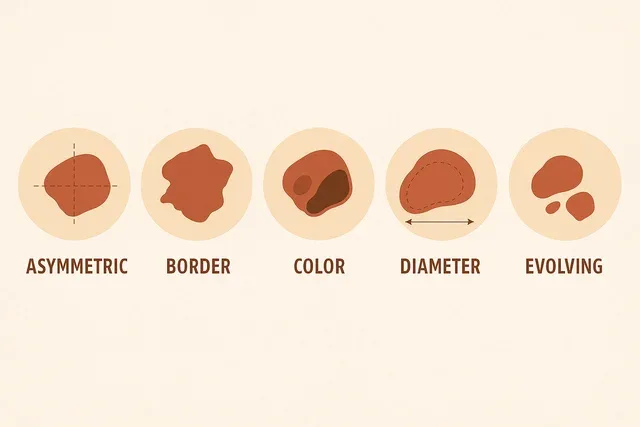
Dermatologists often recommend using the ABCDE Rule to evaluate moles and pigmented spots. This easy checklist helps identify suspicious changes that deserve medical attention.
| Letter | What It Means | What to Look For |
| A | Asymmetry | One half looks different from the other. |
| B | Border | Edges are uneven, blurred, or jagged. |
| C | Color | Multiple colors or uneven pigmentation. |
| D | Diameter | Larger than about 6 mm, although smaller lesions can also be concerning. |
| E | Evolving | Any noticeable change in size, shape, color, or symptoms. |
Among these features, E for Evolving is often considered the most important. A mole that changes over weeks or months deserves prompt evaluation, even if it does not meet every other criterion.
What Does Melanoma Look Like on the Skin?
One of the most common questions people ask is what does melanoma look like on the skin. The answer is that melanoma can appear in several different ways, which is why paying attention to changes is more important than looking for one specific appearance.
A suspicious lesion may:
- Look darker than surrounding moles.
- Contain black, brown, blue, white, or red shades.
- Become raised after being flat.
- Bleed, itch, or develop a crust.
- Continue growing instead of remaining stable.
Sometimes melanoma does not resemble a typical mole at all. Instead, it may appear as a new spot that simply looks “different” from everything else nearby. Dermatologists call this the Ugly Duckling Sign because the unusual lesion stands out from the person’s other moles.
Signs of Melanoma You Should Never Ignore
Recognizing the signs of melanoma early can make a tremendous difference. Although many skin spots are harmless, certain warning signs should always be evaluated by a healthcare professional.
Watch for:
- A new mole appearing in adulthood.
- A mole changing in color or size.
- Persistent itching or tenderness.
- Bleeding without injury.
- A sore that does not heal.
- Rapid growth over a short period.
- Changes in the surrounding skin.
These warning signs do not automatically mean cancer, but they should never be ignored.
Nail Changes: Normal Black Line on Nail vs Melanoma
Dark streaks under the nails often cause understandable concern. Distinguishing a normal black line on nail vs melanoma can be difficult without medical training.
A harmless line often:
- Remains the same width.
- Has clear, straight borders.
- Appears on multiple nails.
- Does not change over time.
By contrast, nail melanoma may:
- Become wider over time.
- Have uneven borders.
- Extend into the surrounding skin.
- Develop on only one nail.
- Continue changing month after month.
Because nail pigmentation has many possible causes, any new or changing dark streak should be assessed by a dermatologist.
Early Stage Melanoma and Why Timing Matters
Detecting early stage melanoma significantly improves treatment success. When melanoma is confined to the outer layers of the skin, surgical removal is often highly effective. As the cancer grows deeper, treatment becomes more complex and may require additional therapies.
The greatest advantage of regular self-examinations is that they allow people to notice small changes long before symptoms such as pain or bleeding develop. Even if a spot turns out to be harmless, seeking professional advice provides reassurance and ensures that potentially dangerous lesions are not overlooked.
How Is Melanoma Diagnosed?
Finding a suspicious spot during a self-exam does not automatically mean you have cancer. Many moles, freckles, and skin growths are completely harmless. However, if a lesion looks unusual or continues to change, a dermatologist should evaluate it as soon as possible. Early medical assessment is one of the most important steps in reducing the risk of advanced disease.
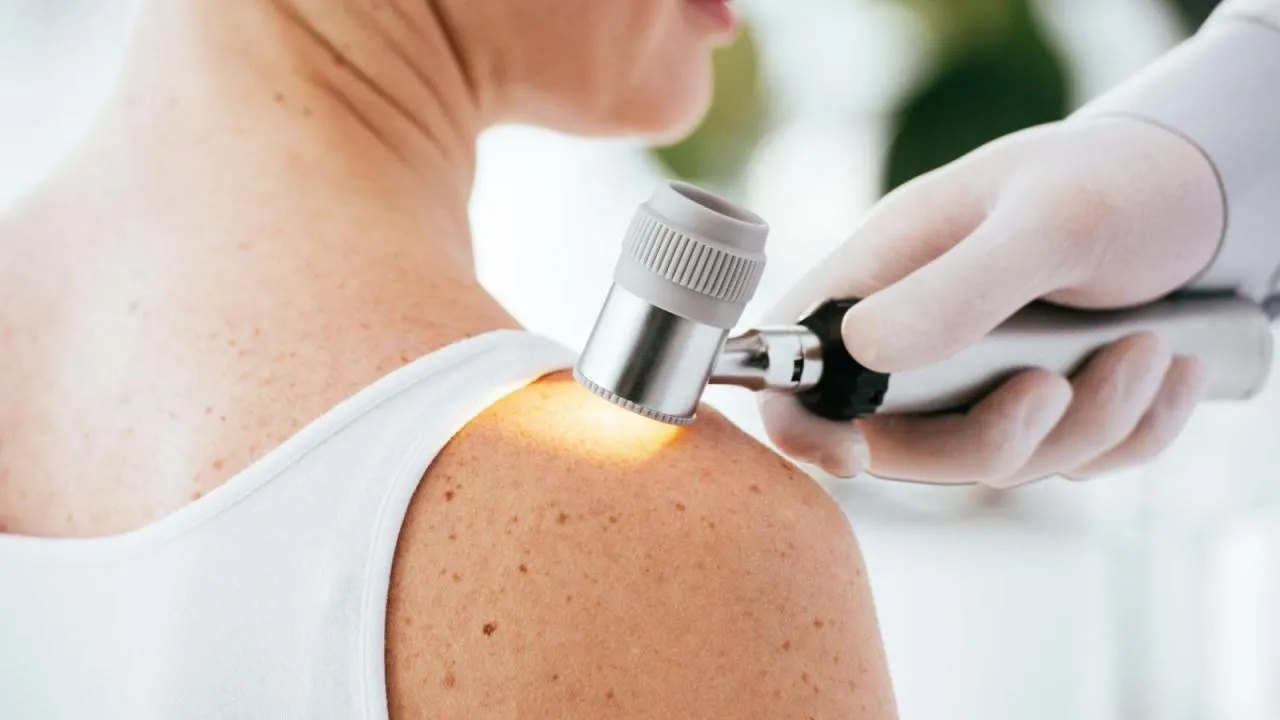
During the appointment, the doctor will first perform a thorough skin examination. They may use a dermatoscope, a handheld device that magnifies the skin and allows the specialist to see patterns invisible to the naked eye. If the lesion appears suspicious, the next step is usually a skin biopsy. The biopsy involves removing all or part of the lesion and sending it to a laboratory, where a pathologist examines the tissue under a microscope. This process confirms whether cancer cells are present and helps determine the thickness and stage of the tumor.
If melanoma is confirmed, additional imaging tests or lymph node evaluations may be recommended, particularly when there is concern that the disease has spread beyond the skin. Modern diagnostic tools have improved significantly over the past decade, allowing doctors to identify the disease earlier and develop personalized treatment plans based on the characteristics of each patient’s tumor.
Treatment Options for Melanoma Skin Cancer
Treatment depends on how early the disease is discovered. Fortunately, many cases of melanoma skin cancer are diagnosed before they spread, making surgery the primary and often curative treatment.
1. Surgical Removal
For localized melanoma, the dermatologist or surgeon removes the tumor along with a small margin of healthy tissue. This reduces the chance of cancer cells remaining behind.
2. Sentinel Lymph Node Biopsy
If the melanoma is thicker or has other high-risk features, doctors may recommend examining the nearest lymph nodes to determine whether cancer cells have begun to spread.
3. Immunotherapy
Immunotherapy has transformed melanoma treatment by helping the body’s immune system recognize and attack cancer cells. Several modern medications have dramatically improved survival for patients with advanced disease.
4. Targeted Therapy
Some melanomas contain specific genetic mutations, such as changes in the BRAF gene. Targeted medications can block these abnormal signals and slow tumor growth.
5. Radiation Therapy
Although surgery remains the primary treatment, radiation therapy may be used in selected cases, particularly when surgery is not possible or when cancer has spread to certain areas.
How Fast Does Melanoma Spread?
One of the most common questions patients ask is how fast does melanoma spread. The answer depends on the specific type of melanoma, its thickness, and individual biological factors.
Some melanomas grow slowly over several months or even years. Others, particularly more aggressive forms, can progress much more rapidly. This unpredictability is exactly why delaying evaluation is never recommended. A mole that changes noticeably within weeks deserves prompt medical attention.
If melanoma penetrates deeper layers of the skin, cancer cells may enter nearby lymphatic vessels or blood vessels. Once that happens, they can travel to other organs such as the lungs, liver, brain, or bones.
When melanoma spreads beyond its original location, it is called metastatic melanoma. Although advanced melanoma is more challenging to treat, recent advances in immunotherapy and targeted therapy have greatly improved survival rates for many patients.
Can Melanoma Be Prevented?
While not every case is preventable, many risk factors can be reduced through healthy habits. Prevention starts with protecting your skin from excessive ultraviolet radiation throughout your life.
Here are practical ways to reduce your risk:
- Wear a broad-spectrum sunscreen with SPF 30 or higher every day when spending time outdoors.
- Reapply sunscreen every two hours and after swimming or heavy sweating.
- Wear protective clothing, sunglasses, and a wide-brimmed hat.
- Seek shade during peak sunlight hours, usually between 10 a.m. and 4 p.m.
- Avoid indoor tanning beds completely.
- Perform a thorough skin self-exam every month.
- Schedule regular skin examinations if you have numerous moles or a family history of melanoma.
Prevention is not about avoiding the outdoors altogether. Instead, it is about enjoying outdoor activities safely while minimizing unnecessary UV exposure.
Conclusion
Melanoma remains one of the most serious forms of skin cancer, yet it is also one of the most treatable when detected early. Performing a monthly skin self-exam helps you become familiar with your body’s natural appearance, making it easier to notice suspicious changes before they become advanced. Following the ABCDE rule, protecting your skin from excessive sun exposure, and consulting a dermatologist whenever you notice a changing mole are simple steps that can make a meaningful difference.
Early detection is not about becoming anxious over every freckle. It is about staying informed, paying attention to your health, and acting promptly when something seems unusual. Those few minutes spent examining your skin each month could become one of the most valuable investments you make in your long-term health.
Frequently Asked Questions
What are 5 signs of melanoma?
The five common warning signs include asymmetry, irregular borders, uneven color, increasing size, and any mole that changes over time. Bleeding or persistent itching should also be evaluated.
Is melanoma a serious cancer?
Yes. Melanoma is the most dangerous type of skin cancer because it can spread to other parts of the body if not treated early. Early diagnosis greatly improves the chances of successful treatment.
How is melanoma diagnosed?
Doctors diagnose melanoma through a skin examination followed by a biopsy. If cancer is confirmed, additional imaging or lymph node testing may be recommended depending on the stage.
What is Stage 1 melanoma mole?
Stage 1 melanoma is an early-stage cancer that remains confined to the skin and has not spread to lymph nodes or distant organs. Surgical removal is often highly successful.
What is the red flag for melanoma?
A mole that changes in size, shape, color, or begins bleeding, itching, or crusting is considered a major warning sign and should be examined by a dermatologist as soon as possible.
⭐ Make MindLiva Your Preferred Source on Google
Get trusted health, wellness, and lifestyle articles from MindLiva.
Add MindLiva
Samie Babaei is a medical science student at Shahid Beheshti University of Medical Sciences with a strong interest in health, wellness, and medical research. As a health writer and researcher at MindLiva, she focuses on creating clear, evidence-based content that helps readers better understand health and well-being.