



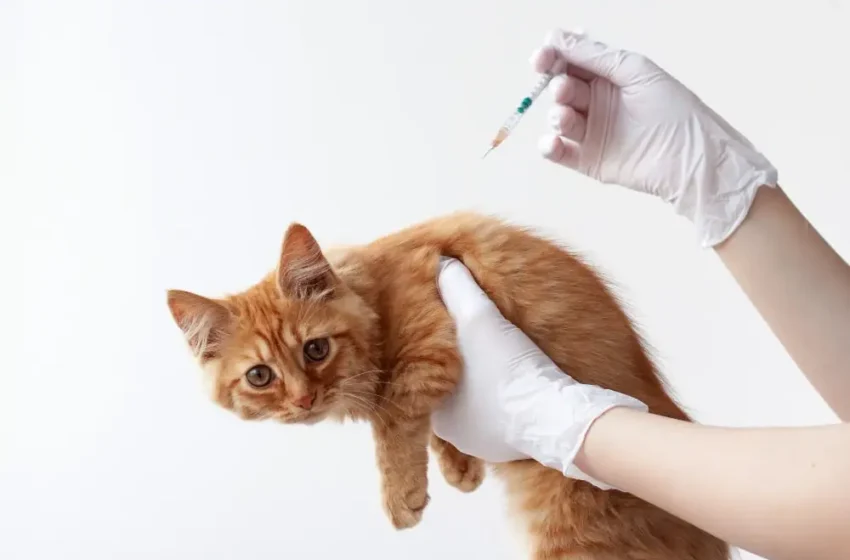
Cheapest Cat Vaccinations: Keep Your Cat Safe & Save Money
Owning a cat is rewarding, but every pet owner knows that healthcare costs can quickly add up. One of the first expenses many people face is vaccination. Naturally, most owners start searching for the cheapest cat vaccinations because they want to protect their furry companion without stretching their budget.
Fortunately, affordable care does not always mean lower quality. Many veterinary clinics, animal shelters, nonprofit organizations, and community events offer vaccines at reduced prices while maintaining high medical standards.
In this guide, you’ll learn how much vaccinations usually cost, where to find affordable services, how to avoid unnecessary expenses, and how to keep your cat healthy throughout every stage of life. You’ll also discover practical money-saving strategies recommended by veterinary professionals.
Why Cheapest Cat Vaccinations Matter
Vaccinations are one of the most effective ways to prevent dangerous diseases. According to veterinary experts, vaccines have dramatically reduced illnesses that once caused high death rates among cats.
More importantly, prevention is almost always less expensive than treatment.
For example, treating a severe viral infection may cost hundreds or even thousands of dollars. In contrast, routine vaccines usually cost only a small fraction of that amount.
Choosing the cheapest cat vaccinations available through trusted providers allows owners to save money while still giving their pets proper protection.
The Financial Benefits
Affordable vaccination helps you:
- Prevent expensive emergency treatments
- Protect your cat from deadly diseases
- Meet boarding or travel requirements
- Reduce long-term veterinary bills
- Give your pet a healthier, longer life
Simply put, spending a little today can save a great deal tomorrow.
What Vaccines Does Your Cat Really Need?
Not every vaccine is necessary for every cat. Veterinarians generally divide vaccines into two categories.
Core Vaccines
Core vaccines are recommended for nearly every cat because they protect against widespread and serious illnesses.
These usually include protection against:
- Feline Panleukopenia
- Feline Herpesvirus
- Feline Calicivirus
- Rabies (required by law in many regions)
These diseases spread easily and can become life-threatening, especially for kittens.
Non-Core Vaccines
Some vaccines depend on your cat’s lifestyle.
Examples include protection against:
- Feline Leukemia Virus (FeLV)
- Bordetella
- Chlamydia felis
For example, an indoor cat that never meets other animals may not need every optional vaccine. However, outdoor cats often benefit from additional protection.
Talking with your veterinarian helps determine which vaccines make sense based on your pet’s daily life.
How Much Do Cheapest Cat Vaccinations Cost?
Prices vary depending on your country, city, veterinary clinic, and whether your cat receives several vaccines during one visit.
Below is a general comparison.
| Vaccination | Average Cost (USD) |
| FVRCP | $20–$50 |
| Rabies | $15–$40 |
| FeLV | $25–$60 |
| Wellness Visit + Vaccines | $60–$150 |
| Low-Cost Community Clinic | $10–$35 |
These figures are averages. Local nonprofit organizations may charge even less during special vaccination events.
Moreover, some veterinary hospitals provide package discounts for kittens receiving multiple vaccines.
Where Can You Find the Cheapest Cat Vaccinations?
Finding affordable vaccines is easier than many people think.
Instead of visiting the first veterinary clinic you find online, compare several options.
1. Community Vaccine Clinics
Many cities host monthly or seasonal low-cost vaccination clinics.
These clinics often receive funding from charities or local governments, making vaccines significantly cheaper.
Benefits include:
- Lower prices
- Licensed veterinarians
- Fast appointments
- Safe vaccine handling
2. Animal Shelters
Many shelters provide affordable preventive care for pets in the community.
Although their primary mission is animal rescue, numerous shelters also organize vaccination events.
Some even offer discounted wellness exams.
3. Veterinary Schools
Universities with veterinary medicine programs often provide lower-cost services supervised by experienced professors.
This option combines quality care with reduced pricing.
4. Mobile Veterinary Clinics
Mobile clinics travel between neighborhoods, making preventive care easier to access.
Besides convenience, they often charge less than full-service hospitals.
For busy families, this can be one of the smartest ways to save money.
5. Local Humane Organizations
Animal welfare organizations frequently sponsor vaccination campaigns.
Some provide free cat vaccinations for qualified low-income families or during community outreach events.
Availability varies by location, so checking local announcements can help you find these opportunities.
Cheapest Cat Vaccinations vs Full-Service Veterinary Clinics
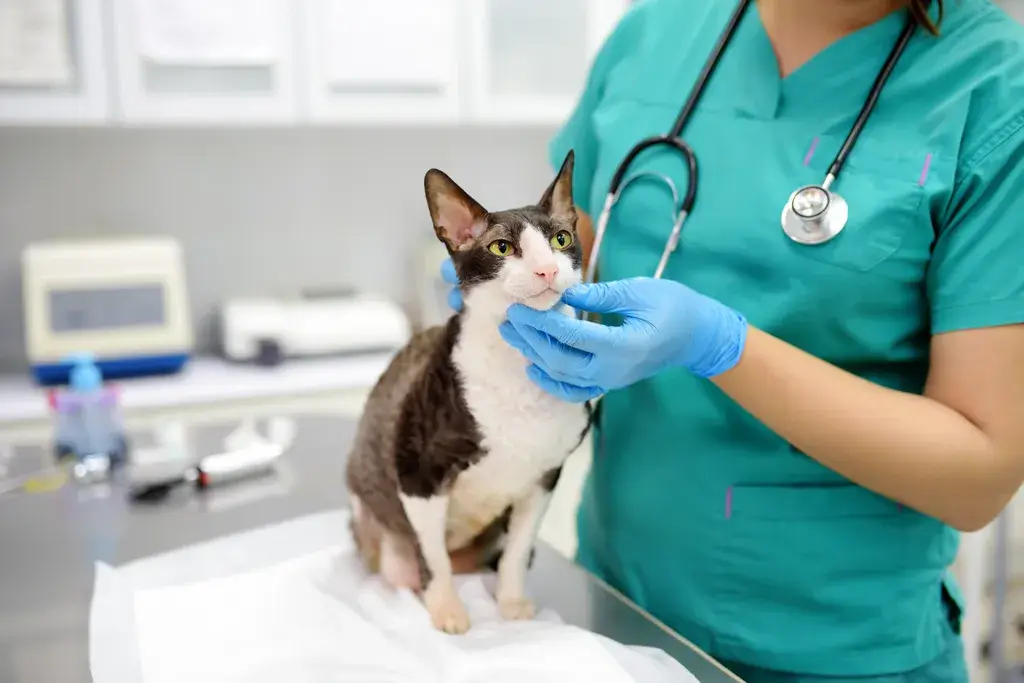
Many owners wonder whether low-cost clinics are safe.
The answer is usually yes.
Licensed veterinarians follow the same vaccine storage, handling, and administration standards regardless of price.
The biggest difference is that community clinics often focus only on preventive care rather than complete medical services.
| Low-Cost Clinic | Full-Service Vet |
| Lower prices | Higher prices |
| Basic preventive care | Full medical care |
| Faster appointments | Longer consultations |
| Vaccines only | Complete diagnostics |
| Limited services | Surgery, imaging, lab tests |
For routine vaccinations, both can provide excellent care.
Smart Ways to Save Even More
Saving money does not stop with finding affordable clinics.
Several simple habits can reduce your pet healthcare costs over time.
Schedule Preventive Visits
Healthy cats usually require fewer emergency treatments.
Routine exams allow veterinarians to catch small problems before they become expensive illnesses.
Ask About Vaccine Packages
Many clinics offer discounted bundles that include:
- Physical examination
- Multiple vaccines
- Deworming
- Nail trimming
- Health records
These packages often cost less than purchasing every service separately.
Compare Local Prices
Prices can vary considerably between clinics only a few miles apart.
Calling three or four providers before scheduling an appointment may save a surprising amount of money.
Keep Accurate Medical Records
Losing vaccine records sometimes leads owners to repeat vaccinations unnecessarily.
Keeping digital copies helps avoid paying twice for the same service.
Kittens Need Protection Early
Young kittens have developing immune systems, making them especially vulnerable to disease.
This is why veterinarians recommend following a cat vaccinations schedule beginning at approximately six to eight weeks of age.
Early protection helps prevent serious infections during the most sensitive stage of life.
Moreover, completing the recommended series on time builds stronger immunity than delaying doses.
Adult Cats Also Need Protection
Many owners believe vaccinations are only important during kittenhood. However, immunity naturally decreases over time. Adult cats still need regular preventive care to remain protected against serious diseases.
Depending on your cat’s age, lifestyle, health status, and local regulations, your veterinarian may recommend yearly cat vaccinations or booster shots every few years. Following professional advice ensures your pet stays protected without receiving unnecessary vaccines.
Indoor Cats vs. Outdoor Cats
Some people assume indoor cats never need vaccines because they rarely leave the house. While indoor cats generally face fewer risks, they are not completely safe.
Viruses can enter your home through:
- Shoes and clothing
- Visitors
- Other pets
- Open windows or balconies
- Newly adopted animals
Outdoor cats naturally face higher exposure to wildlife and unfamiliar cats, increasing the risk of infectious diseases.
Understanding Possible Vaccine Reactions
Vaccines are carefully tested and considered very safe. Like any medical treatment, however, a small number of cats may experience mild reactions.
The most common cat vaccinations side effects include:
- Mild tiredness
- Slight fever
- Temporary soreness near the injection site
- Reduced appetite for one day
- Sleeping more than usual
These reactions typically disappear within 24 to 48 hours.
Seek veterinary care immediately if your cat experiences:
- Difficulty breathing
- Facial swelling
- Continuous vomiting
- Collapse
- Severe allergic reactions
Fortunately, serious reactions are extremely rare.
Cheapest Cat Vaccinations for Multi-Pet Families
Families with several pets often spend hundreds of dollars on preventive care each year. Fortunately, there are ways to reduce these costs.
Many clinics provide discounts for dog and cat vaccinations when multiple pets are vaccinated during the same visit.
You can also save money by:
- Booking family vaccination appointments.
- Watching for seasonal vaccination events.
- Joining veterinary wellness plans.
- Using nonprofit vaccination clinics.
- Comparing package prices before scheduling.
Small savings on each visit can make a significant difference over the years.
Mistakes That Can Cost Cat Owners More Money
Trying to save money is smart, but cutting corners with your pet’s health can become expensive later.
Avoid these common mistakes.
Skipping Vaccinations
An unvaccinated cat is much more likely to develop preventable illnesses that require costly treatment.
Waiting Too Long
Delaying boosters may reduce your cat’s immunity, leaving them vulnerable to disease.
Choosing Price Over Quality
The goal is finding the cheapest cat vaccinations from licensed professionals—not choosing unsafe or unverified providers.
Ignoring Wellness Exams
Vaccinations are only one part of preventive healthcare. Routine checkups often identify dental disease, weight problems, or hidden illnesses before they worsen.
How to Choose a Reliable Low-Cost Clinic
Not every affordable clinic offers the same services. Before making an appointment, ask a few simple questions.
Look for These Features
- Licensed veterinarians
- Clean medical facilities
- Proper vaccine storage
- Clear pricing
- Positive customer reviews
- Transparent medical records
- Emergency contact information
Affordable care should never mean compromising your cat’s safety.
Why Prevention Is Always the Better Investment
Preventive medicine remains one of the most cost-effective parts of pet ownership.
For example:
Imagine spending $30 on a routine vaccine today.
Now compare that with treating a severe viral illness that could require:
- Blood tests
- Hospitalization
- IV fluids
- Medications
- Follow-up visits
Those treatments can easily cost several hundred—or even thousands—of dollars.
This is why veterinarians consistently recommend staying up to date with vaccinations.
Latest Trends Making Vaccinations More Affordable

Pet healthcare continues to evolve, making affordable services easier to access than ever.
Recent trends include:
- Mobile vaccination vans serving rural communities.
- Community vaccination weekends sponsored by charities.
- Online appointment systems with discounted pricing.
- Preventive care memberships offered by veterinary clinics.
- Expanded nonprofit programs for low-income families.
These initiatives help more pets receive essential healthcare while reducing financial barriers for owners.
Expert Tips for Saving Money Without Sacrificing Quality
Veterinary professionals often recommend these practical strategies:
- Schedule vaccinations before they become overdue.
- Ask about bundled wellness packages.
- Compare prices at several licensed clinics.
- Keep digital copies of vaccination records.
- Watch for local vaccination campaigns.
- Consider nonprofit or community veterinary programs.
- Budget a small amount each month for preventive care.
Following these simple habits can significantly reduce long-term healthcare expenses.
Conclusion
Finding the cheapest cat vaccinations does not mean compromising your pet’s health. Today, many trusted veterinary clinics, shelters, nonprofit organizations, and community programs provide affordable preventive care while maintaining excellent medical standards.
The smartest approach is to compare local providers, follow your veterinarian’s recommendations, and stay consistent with routine care. Prevention costs far less than treating serious diseases, and timely vaccinations give your cat the best chance at a long, healthy, and happy life.
By planning ahead and choosing reliable low-cost services, you can protect both your furry companion and your budget.
Frequently Asked Questions
How much do cat vaccinations cost?
The price varies by location and provider, but most routine vaccines cost between $15 and $60 each. Community clinics may offer lower prices.
How much is a full set of vaccines for cats?
A complete kitten vaccination series generally costs $100–$250, depending on the clinic, location, and included wellness services.
What is the 3 in 1 vaccine for cats?
The 3-in-1 vaccine protects against three serious diseases: feline viral rhinotracheitis, calicivirus, and panleukopenia.
What is the 3:2:1 rule in cats?
The 3:2:1 rule commonly refers to a kitten socialization guideline: provide three positive experiences with new people, two new objects, and one new environment regularly to build confidence. It is not a vaccination rule.
What is the silent killer of cats?
Chronic kidney disease is often called the “silent killer” because it develops gradually and may not show clear signs until significant kidney damage has occurred. Regular veterinary checkups help detect it early.
⭐ Make MindLiva Your Preferred Source on Google
Get trusted health, wellness, and lifestyle articles from MindLiva.
Add MindLiva
Samie Babaei is a medical science student at Shahid Beheshti University of Medical Sciences with a strong interest in health, wellness, and medical research. As a health writer and researcher at MindLiva, she focuses on creating clear, evidence-based content that helps readers better understand health and well-being.