



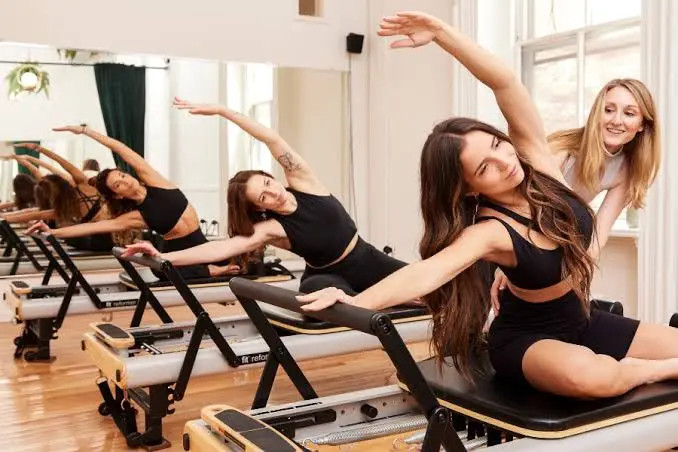
Achieve Your Fitness Goals with Top Pilates Reformer Classes
Have you ever walked past a Pilates studio and wondered why everyone seems to be moving slowly while working incredibly hard?
That is one of the interesting things about reformer Pilates. The exercises may look controlled and simple, but the springs, carriage, straps, and precise movements can create a serious training challenge.
Today, Pilates Reformer Classes are becoming a popular choice for people who want more than a traditional gym workout. They can combine resistance training, mobility, balance, coordination, and core control in one session.
However, not every class is the same.
The instructor, class size, equipment, workout level, and teaching style can dramatically affect your experience. In this guide, we will explain how reformer classes work, their potential benefits, what beginners should expect, common mistakes to avoid, and how to find a class that matches your goals.
What Are Pilates Reformer Classes?
Pilates Reformer Classes are instructor-led workouts performed on a reformer machine.
The reformer uses a moving carriage connected to springs. It also typically includes straps, ropes, a footbar, and shoulder supports.
These parts allow the instructor to create different resistance levels and movement patterns.
Unlike many conventional gym exercises, reformer Pilates often asks you to control your body while working against resistance.
That combination can make even a small movement challenging.
Why does the reformer make Pilates different?
The machine provides resistance in ways that a mat workout cannot always reproduce.
For example, you might perform a leg press against spring resistance. Then you may move into a bridge, arm exercise, or core movement without leaving the machine.
As a result, a single class can train several areas of the body.
The emphasis, however, remains on control, alignment, breathing, and precision.
Pilates Reformer Classes for Beginners: What to Expect
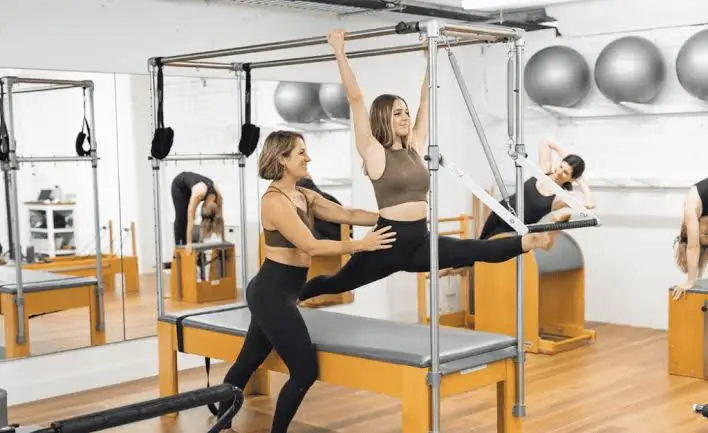
Walking into your first class can feel intimidating.
The machines look complicated, and experienced participants may move through exercises that seem impossible at first.
Do not worry.
A good beginner-friendly instructor should explain the equipment and demonstrate basic movements before increasing the difficulty.
Your first session may include:
- Equipment introduction
- Basic footwork
- Core activation
- Leg and hip exercises
- Upper-body resistance work
- Gentle mobility exercises
- Cool-down movements
Your first goal should not be to complete the most advanced exercises.
Instead, focus on learning how the carriage moves and how the springs change the resistance.
Should you tell the instructor that you are new?
Absolutely.
A good instructor can provide modifications, explain unfamiliar terms, and help you choose suitable resistance.
That small conversation can make the entire class more comfortable.
The Main Benefits of Pilates Reformer Classes
Reformer Pilates has become popular for several practical reasons.
It can offer a mix of strength, mobility, stability, and body awareness without requiring repeated high-impact movements.
1. Stronger core
The core works during many reformer exercises.
However, core training is not simply about getting visible abs.
Your abdominal muscles work with your back, pelvis, hips, and diaphragm to stabilize your body.
That stability can support everyday movements such as bending, lifting, walking, and reaching.
2. Better muscular endurance
The reformer’s spring resistance can keep muscles under tension throughout controlled movements.
For example, a series of slow leg presses can create significant fatigue even without extremely heavy resistance.
This is one reason beginners are often surprised by how demanding their first class feels.
3. Improved balance and coordination
Many exercises require your body to remain stable while another part moves.
That means your brain and muscles have to coordinate continuously.
Research has found promising evidence for Pilates and balance. A 2024 systematic review and meta-analysis of 39 studies involving 1,770 participants found improvements in static and dynamic postural balance among older adults, although the certainty of evidence varied across outcomes.
That is encouraging, but it is still important to interpret research carefully rather than treating Pilates as a guaranteed treatment.
4. Greater mobility
Reformer exercises can take your joints through controlled ranges of motion.
With consistent practice, this may help you become more comfortable moving through different positions.
However, mobility is individual.
You should never force a joint into a range that causes pain.
5. Better body awareness
Pilates instructors often use detailed cues about posture, breathing, and alignment.
Over time, those cues can help you notice how you hold your shoulders, pelvis, and spine.
That awareness can be valuable outside the studio too.
Pilates Reformer Classes and Strength Training
One common misconception is that Pilates is only stretching.
It is not.
Resistance is a major part of reformer training.
The springs provide external resistance, while your body has to stabilize itself during movement.
Can reformer Pilates build muscle?
It can support muscular strength and endurance, particularly for beginners and people returning to exercise.
However, the amount of muscle growth depends on several factors:
- Resistance level
- Training frequency
- Exercise selection
- Nutrition
- Recovery
- Progressive overload
- Individual training history
If maximum muscle size is your primary goal, traditional resistance training with progressively heavier loads may be more direct.
If your goal is a combination of strength, mobility, coordination, and core control, reformer Pilates can be an excellent complement.
How Pilates Reformer Classes Can Support Better Posture
Posture is another reason people become interested in reformer Pilates.
But good posture is not about holding yourself stiffly all day.
Instead, healthy posture is more about having the strength and mobility to move between positions comfortably.
What does Pilates target?
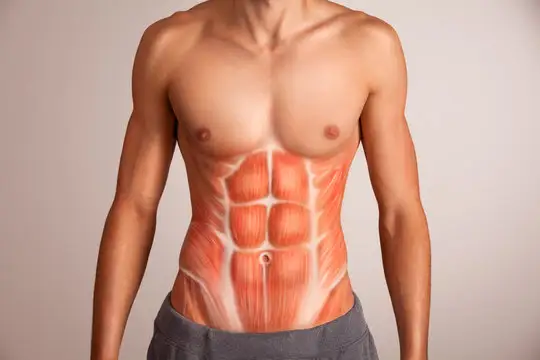
Many reformer movements involve:
- Abdominal muscles
- Glutes
- Upper back
- Hip stabilizers
- Spinal muscles
- Shoulders
For example, a rowing movement can encourage upper-back engagement while requiring you to maintain trunk control.
Over time, becoming stronger in these areas may make upright movement feel easier.
However, posture problems can have many causes, and Pilates should not be presented as a universal medical solution.
How Often Should You Take Pilates Reformer Classes?
There is no single perfect schedule.
Your ideal frequency depends on your experience, recovery, goals, and other exercise.
For many beginners, two classes per week is a reasonable starting point.
You can increase frequency if your body responds well.
A simple schedule might look like this:
| Day | Activity |
| Monday | Reformer Pilates |
| Tuesday | Walking or rest |
| Wednesday | Mobility |
| Thursday | Reformer Pilates |
| Friday | Rest |
| Saturday | Light cardio |
| Sunday | Rest |
More experienced participants may choose three or four sessions per week.
However, more is not always better.
Your body needs recovery, especially if your classes are challenging.
Choosing the Right Pilates Reformer Classes
Not every studio provides the same experience.
Before booking, investigate several factors.
Class level
Look for labels such as:
- Beginner
- Introductory
- Foundations
- All levels
- Intermediate
- Advanced
If you have never used a reformer, choose a beginner session whenever possible.
Class size
Smaller classes may provide more individual attention.
Large classes can be energetic and social, but the instructor may have less time to correct every participant.
Instructor qualifications
Ask about the instructor’s training and certification.
A qualified teacher should understand exercise technique, modifications, and safe progressions.
Studio atmosphere
The environment matters more than many people expect.
Some studios are quiet and technical.
Others are fast-paced, music-heavy, and fitness-focused.
Choose an environment where you feel comfortable learning.
Pilates Reformer Classes: Group vs. Private Sessions
One of the biggest decisions is whether to attend a group class or book private instruction.
Group classes
Group sessions are usually more affordable.
They can also create motivation because you exercise alongside other people.
For many participants, that social element makes it easier to stay consistent.
Private sessions
Private lessons offer much more individual attention.
An instructor can adjust your position, resistance, and exercise selection based on your needs.
Private sessions can be especially useful if you are completely new to Pilates or want highly personalized instruction.
Which is better?
If budget is important, group classes are usually the practical choice.
If technique, personal attention, or specialized goals are your priority, private instruction may be worth the additional cost.
Popular Reformer Exercises You May See in Class
Reformer instructors use a wide range of movements.
The exact sequence depends on the studio and class level.
Footwork
Footwork is often one of the first movements beginners learn.
It involves pressing the carriage away with your feet against spring resistance.
Although it looks basic, it can train the legs while teaching you how to control the carriage.
The Hundred
This classic Pilates exercise challenges the core and breathing.
Beginners may perform a modified version before progressing.
Leg circles
Leg circles challenge hip mobility and abdominal stability.
The goal is controlled movement rather than making the circles as large as possible.
Bridging
Bridges can target the glutes and posterior chain while encouraging pelvic control.
The Pilates Roll Up
The Pilates Roll Up is another classic movement that emphasizes controlled spinal articulation and abdominal strength.
Not every beginner will perform the full movement immediately.
Adding Variety to Reformer Pilates
A good program does not need to repeat the same workout every session.
Instructors can change spring resistance, tempo, body position, and exercise order.
Some studios also incorporate small props.
For example, Pilates Ring Exercises can add resistance and create new challenges for the legs, arms, and core.
The key is using props to improve the workout—not simply adding equipment for the sake of variety.
Home Reformer Options vs. Studio Classes
The growth of home fitness has created many alternatives to studio-based Pilates.
A traditional home setup may include a full reformer.
Other people choose compact equipment designed for smaller spaces.
A Portable Pilates Reformer can appeal to people who want equipment that is easier to store or move.
An Aero Pilates Reformer is another example of home-oriented reformer equipment.
There are advantages to both approaches.
Studio advantages
- Professional instruction
- Real-time technique correction
- High-quality equipment
- Structured classes
- Social motivation
Home advantages
- No travel
- Flexible schedule
- Privacy
- Long-term convenience
- Easy access to short workouts
If you know that you rarely exercise alone, a studio may be the smarter investment.
If travel time is your biggest obstacle, home equipment may be more practical.
What About Popular Pilates Brands and Studios?
The Pilates industry has expanded rapidly, and consumers now have many choices.
For example, Jet Set Pilates represents the modern studio model, while home brands are targeting consumers who want equipment and digital workouts outside traditional studios.
Product reviews can help, but they should not be your only source.
Look for patterns, not isolated comments.
Common Mistakes During Pilates Reformer Classes
Beginners often make the same few mistakes.
Fortunately, most are easy to correct.
Going too fast
The reformer is designed for controlled movement.
If you use momentum, you reduce the challenge on the muscles that should be working.
Choosing too much resistance
Heavy resistance can make an exercise feel impressive.
However, if you lose alignment, the additional resistance may reduce exercise quality.
Holding your breath
Breathing is an important part of Pilates.
Try to maintain smooth breathing instead of bracing so hard that you stop breathing naturally.
Comparing yourself with experienced students
This is perhaps the most common mental mistake.
Someone who has attended classes for two years will naturally move differently from someone attending their second class.
Focus on your own progress.
How to Get More From Every Pilates Reformer Class
You can improve your experience without making your workouts longer.
Arrive early
Give yourself enough time to set up the equipment.
Rushing into class can make it harder to focus.
Ask questions
If you do not understand a cue, ask.
A good instructor would rather explain something than have you perform it incorrectly.
Track your progress
Keep simple notes about:
- Exercises
- Spring settings
- Class duration
- Difficulty
- Movement quality
Progress can be surprisingly motivating when you can see improvements over several weeks.
Recover properly
Hydration, sleep, nutrition, and rest all influence training quality.
Pilates may feel gentle, but challenging sessions still place demands on your muscles.
Personal Insight: Consistency Beats the Perfect Workout
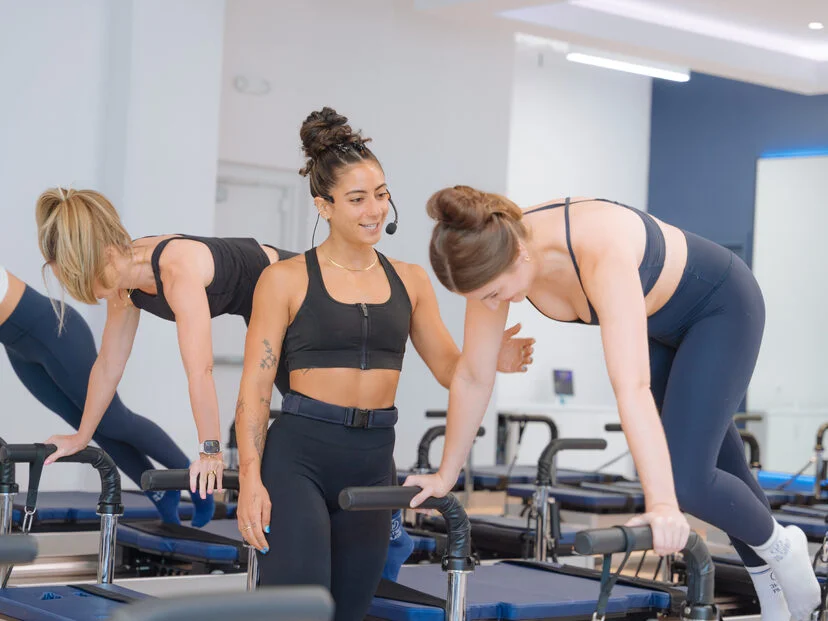
From a practical fitness perspective, one of the biggest advantages of Pilates Reformer Classes is that they create structure.
You book the class.
You show up.
The instructor guides the session.
You finish.
That removes many of the decisions involved in exercising alone.
A perfect workout plan is useless if you never follow it.
Therefore, when choosing a studio, I would prioritize location, schedule, instructor quality, and atmosphere before obsessing over whether one class burns slightly more calories than another.
The best studio is often the one you can realistically attend week after week.
Can Pilates Reformer Classes Help With Weight Loss?
Pilates can contribute to your overall physical activity, but it should not be marketed as a guaranteed weight-loss solution.
Weight change depends on your overall energy balance, nutrition, daily activity, sleep, and other factors.
A reformer class can help build muscle endurance and encourage regular movement.
However, if fat loss is your main goal, combine Pilates with an overall exercise and nutrition plan suited to you.
For example, you might combine:
- Two reformer classes
- Two strength sessions
- Regular walking
- One cardio session
- Adequate recovery
That provides more complete training than relying on a single workout type.
Are Pilates Reformer Classes Worth the Money?
The answer depends on what you value.
If you are paying for a class, you are not only paying for exercise.
You are paying for:
Instruction + equipment + structure + accountability + experience.
For someone who struggles to exercise alone, that combination can be valuable.
However, studio memberships can become expensive over time.
Before signing up, calculate the cost per class based on how often you realistically expect to attend.
If you plan to attend twice a week but frequently cancel, a smaller package may be more sensible than an expensive unlimited membership.
Expert Tips for Your First Pilates Reformer Class
Before your first session, remember these simple rules:
- Wear comfortable clothing.
Choose fitted but flexible clothing that allows the instructor to see your alignment. - Bring water.
Even a controlled workout can make you sweat. - Tell the instructor you are new.
This allows them to provide appropriate modifications. - Start conservatively.
You can always increase resistance later. - Do not chase soreness.
A workout does not need to leave you unable to walk the next day to be effective. - Focus on technique.
Good movement is more important than impressive resistance. - Be patient.
Coordination improves with practice.
Conclusion
Pilates Reformer Classes offer a unique blend of resistance training, mobility, balance, coordination, and core control.
For beginners, they can provide a structured introduction to Pilates. For experienced exercisers, they can add variety and challenge to an existing fitness routine.
However, the quality of your experience depends heavily on the instructor, class level, studio environment, and consistency.
The most effective approach is simple: start at the right level, learn proper technique, progress gradually, and choose a class you genuinely enjoy attending.
You do not need to master every advanced exercise in your first month.
Instead, focus on small improvements.
Better control. Better balance. Stronger movement. Greater confidence.
That is where the real value of Pilates begins.
Frequently Asked Questions
Are Pilates Reformer Classes good for beginners?
Yes. Beginner classes are designed to teach basic reformer movements, equipment setup, breathing, and alignment. Tell your instructor that you are new so they can offer appropriate modifications.
How many Pilates Reformer Classes should I take per week?
For many beginners, two sessions per week is a practical starting point. You can increase frequency gradually as your fitness and recovery improve.
Can Pilates reformer classes build muscle?
They can improve muscular strength and endurance, particularly when resistance is progressively increased. However, people seeking maximum muscle growth may also benefit from traditional strength training.
What should I wear to a Pilates reformer class?
Wear comfortable, fitted workout clothing that allows unrestricted movement. Many studios also recommend grip socks for traction and hygiene.
Is reformer Pilates better than mat Pilates?
Neither is universally better. Reformer Pilates provides adjustable resistance and equipment-assisted movement, while mat Pilates requires little equipment and can be easier to do anywhere.
⭐ Make MindLiva Your Preferred Source on Google
Get trusted health, wellness, and lifestyle articles from MindLiva.
Add MindLiva
Samie Babaei is a medical science student at Shahid Beheshti University of Medical Sciences with a strong interest in health, wellness, and medical research. As a health writer and researcher at MindLiva, she focuses on creating clear, evidence-based content that helps readers better understand health and well-being.