

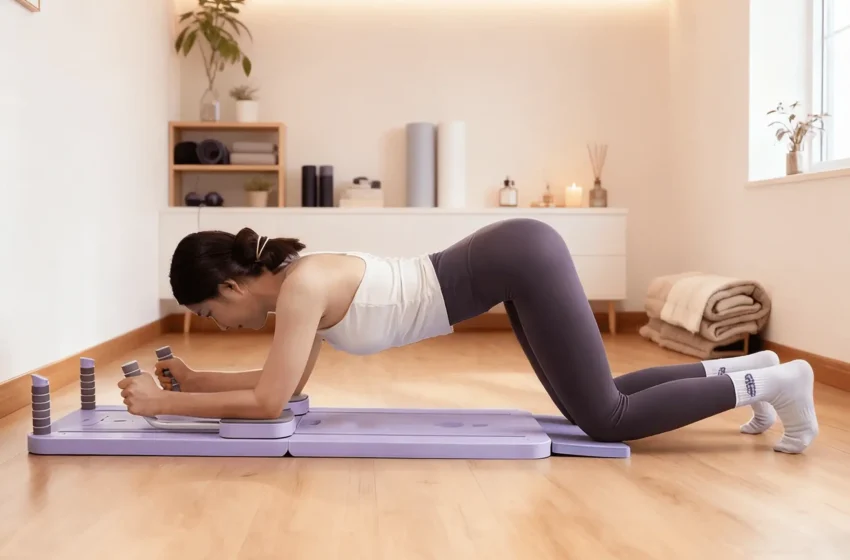
Boost Your Fitness Routine with Pilates Board Workouts Now
Have you ever started a home workout routine only to lose interest because the exercises felt repetitive?
A Pilates board can add a new challenge without turning your living room into a full gym. By combining resistance, controlled movement, balance, and core engagement, Pilates Board Workouts can make home exercise more varied while remaining accessible to many fitness levels.
The appeal is also growing as people look for compact fitness equipment that supports strength and mobility without high-impact jumping.
In this guide, we will explore how Pilates board exercises work, the muscles they target, beginner and advanced movements, common mistakes, and practical ways to create your own routine. Moreover, we will look at how a Pilates board compares with other popular home Pilates equipment so you can decide whether it belongs in your fitness setup.
What Are Pilates Board Workouts?
Pilates Board Workouts use a board-style platform to perform controlled exercises that challenge strength, balance, flexibility, and body awareness.
Depending on the equipment, a Pilates board may include resistance cords, springs, foot straps, handles, rollers, or other attachments.
The goal is not simply to make exercise harder.
Instead, the equipment creates resistance while encouraging you to control each movement. That combination is one reason Pilates can feel surprisingly challenging even when the exercises appear slow.
For example, a basic squat may seem simple. Add resistance and ask yourself to maintain stable hips, controlled breathing, and proper alignment, and the movement becomes much more demanding.
How does a Pilates board work?
Most board-based systems rely on body weight plus resistance.
Your muscles work against the resistance while your body also has to maintain balance and control.
This can involve several muscle groups at the same time:
- Abdominals
- Glutes
- Quadriceps
- Hamstrings
- Shoulders
- Back muscles
- Hip stabilizers
The exact muscles involved depend on the exercise and equipment configuration.
Pilates Board Workouts and Core Strength
One of the biggest reasons people try Pilates is to develop better core control.
However, the core is much more than visible abdominal muscles.
Your core includes muscles around your abdomen, pelvis, lower back, and hips that help stabilize your body during movement.
Why stability matters
Imagine performing a standing leg exercise while your body is slightly unstable.
Your leg muscles are working, but your abdominal and hip muscles also have to respond to keep your torso steady.
That is where Pilates Board Workouts can become interesting.
Instead of isolating one muscle, many exercises require several areas of the body to coordinate.
A simple example
Try this beginner sequence:
- Stand with your feet comfortably positioned.
- Engage your abdominal muscles gently.
- Keep your spine neutral.
- Perform a slow squat against the available resistance.
- Return to standing without locking your knees.
- Repeat for 8–12 controlled repetitions.
The emphasis should be on control rather than speed.
If you rush through the exercise, you may lose the stability challenge that makes the movement useful.
Key Benefits of Pilates Board Exercises
A Pilates board is not a magic fitness device. However, it can be a useful training tool when used consistently.
1. Better core control
Many board exercises require your torso to stay stable while your arms or legs move.
Over time, that can help you become more aware of your posture and body position.
2. Improved balance
Balance is not only important for athletes.
It becomes increasingly important as people age because good balance can support independence and everyday movement.
A 2024 systematic review and meta-analysis involving 39 studies and 1,770 participants found that Pilates was associated with improvements in static and dynamic postural balance among older adults. However, the researchers noted that the certainty of evidence varied.
That distinction matters. Research supports potential benefits, but Pilates should not be presented as a guaranteed solution for every person.
3. Low-impact training
Many Pilates movements are controlled and performed without repeated jumping.
That makes them attractive to people who prefer lower-impact exercise.
However, low impact does not mean low effort.
A slow resistance movement can create significant muscular fatigue.
4. Better body awareness
Pilates places considerable emphasis on alignment, breathing, and controlled movement.
As a result, regular practice can encourage you to pay closer attention to how your body moves.
5. Convenient home exercise
A compact board can be easier to store than larger fitness machines.
For people with limited space, that practical advantage can make a difference.
Best Pilates Board Workouts for Beginners
If you are new to board-based Pilates, start with basic movements.
There is no benefit in choosing the hardest exercise on your first day.
Standing squats
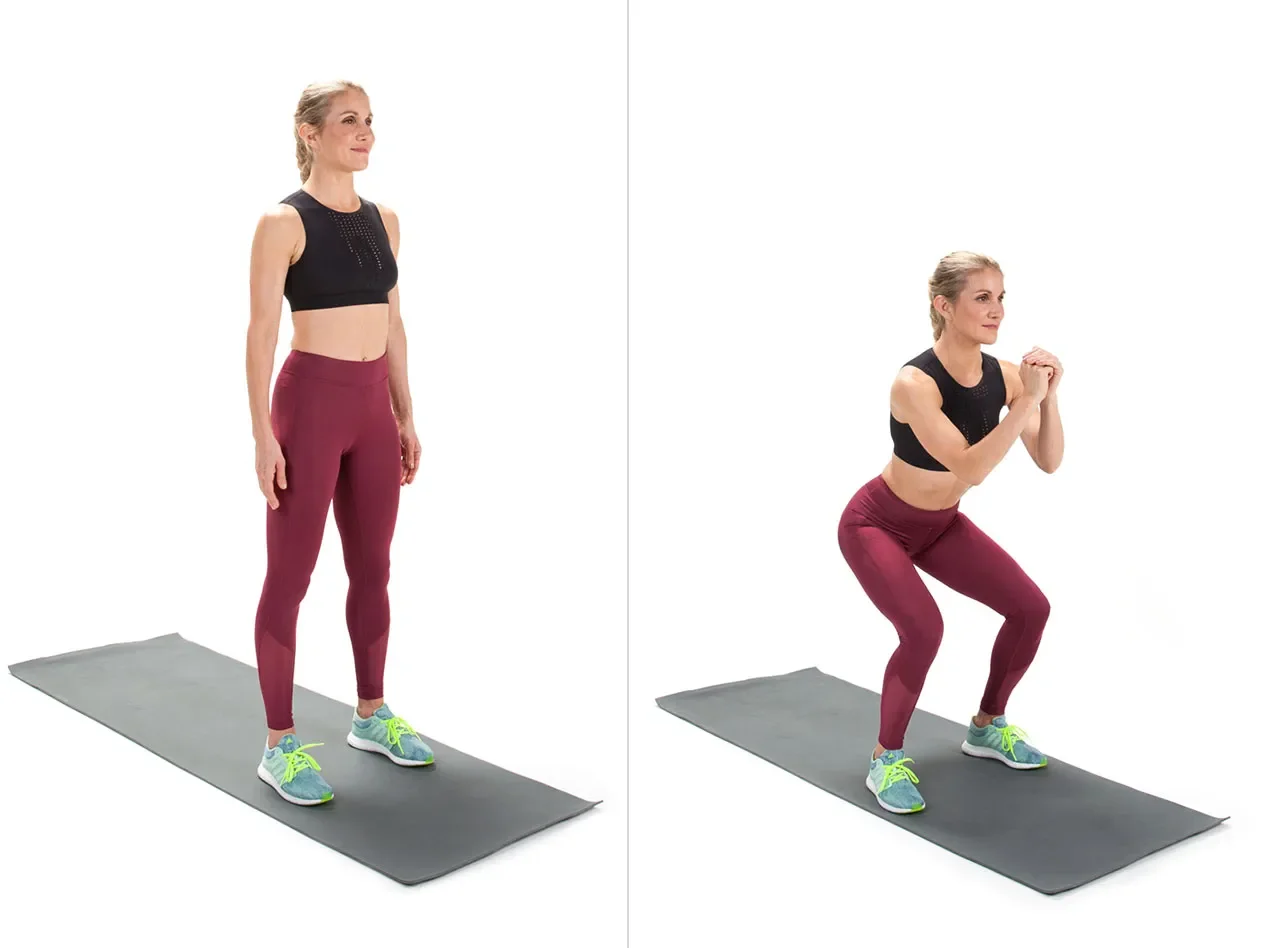
Squats are a simple way to introduce resistance.
Keep your knees tracking in the same direction as your toes and avoid collapsing inward.
Start with 8–10 repetitions.
Standing rows
If your board includes resistance handles or cords, standing rows can train the upper back and arms.
Pull slowly while keeping your shoulders relaxed.
Pause briefly at the end of the movement, then return with control.
Glute-focused leg presses
These movements can target the glutes and legs while also requiring trunk stability.
Start with light resistance.
If your hips begin twisting or your lower back starts compensating, reduce the resistance.
Assisted lunges
Lunges can challenge both strength and balance.
Use the equipment for support if necessary.
Your first goal should be stable movement—not maximum resistance.
Intermediate Pilates Board Workouts to Try
Once basic exercises feel comfortable, you can increase the challenge.
Plank variations
Planks are well known for challenging the abdominal muscles, but they also involve the shoulders, hips, and legs.
A board can introduce additional resistance or instability depending on the model.
Start with short holds rather than trying to maintain a plank for several minutes.
Quality beats duration.
Side leg movements
Side-focused exercises can challenge the glutes and hip stabilizers.
Move slowly and avoid swinging your leg.
If you feel the movement mainly in your lower back, adjust your position.
Controlled chest presses
Resistance-based chest presses can add upper-body strength work to a Pilates routine.
Keep your ribs controlled rather than allowing your lower back to arch excessively.
Standing balance exercises
Try performing controlled leg movements while maintaining an upright torso.
These exercises can be surprisingly difficult because your body has to coordinate strength and stability simultaneously.
Advanced Pilates Board Workouts for More Challenge
Experienced users can gradually add more complex movements.
However, advanced does not necessarily mean fast.
In Pilates, control remains important even when the exercise becomes demanding.
Single-leg movements
Single-leg exercises reduce your base of support.
That means your hips, core, and standing leg must work harder to maintain stability.
Resistance combinations
You can combine upper- and lower-body movements when your equipment allows it.
For example, a controlled squat combined with an arm press can create a full-body movement.
Tempo training
Instead of simply adding resistance, slow down the movement.
Try taking three seconds to lower and two seconds to return.
This can increase time under tension without requiring dramatically heavier resistance.
Pilates Board Workouts vs. Other Pilates Equipment
The Pilates equipment market has expanded significantly.
However, different machines solve different problems.
Pilates Reformers generally offer a larger moving carriage and a broader range of resistance-based movements.
A compact board, by contrast, is often designed around convenience and easier storage.
An Aero Pilates Reformer is another home-oriented option that may appeal to users who want a more traditional reformer-style structure.
Meanwhile, a Portable Pilates Reformer focuses heavily on mobility and space-saving design.
The best option depends on your priorities.
| Equipment | Best for | Space needs | Main advantage |
| Pilates Board | Home workouts | Low | Versatility |
| Traditional reformer | Serious Pilates practice | High | Exercise range |
| Compact reformer | Small homes | Moderate | Balance of features |
| Pilates mat | Beginners | Very low | Simplicity |
In short, you do not need the most expensive machine to build an effective routine.
Pilates Board Workouts vs. Reformer Classes
Home equipment provides convenience, but instructor-led sessions offer a major benefit: real-time feedback.
If you are unsure whether your hips are aligned or your spine is in the right position, an instructor can correct you immediately.
That is one reason Pilates Reformer Classes remain popular.
A class can also provide accountability.
You have a scheduled time, an instructor, and other participants around you.
On the other hand, home workouts remove travel time and make spontaneous exercise easier.
Which option is better?
Consider a simple comparison:
Choose home Pilates if you value:
- Flexibility
- Privacy
- Convenience
- Lower travel time
- Short workouts
Choose classes if you value:
- Instructor correction
- Social motivation
- Structured sessions
- Access to professional equipment
- Hands-on guidance
Neither option is automatically superior.
The best routine is the one you can perform safely and consistently.
How to Build a 20-Minute Pilates Board Routine
You do not need an hour-long session to make your workout worthwhile.
A simple 20-minute routine could look like this:
Warm-up — 3 minutes
Start with gentle movements.
Focus on breathing, posture, and preparing your joints.
Lower body — 5 minutes
Perform:
- Squats
- Glute presses
- Controlled lunges
Aim for approximately 8–12 repetitions per movement.
Core — 5 minutes
Add:
- Plank variations
- Controlled knee movements
- Slow abdominal exercises
Avoid holding your breath.
Upper body — 4 minutes
Use resistance cords or handles for:
- Rows
- Chest presses
- Controlled arm pulls
Cool-down — 3 minutes
Finish with gentle stretching and relaxed breathing.
This structure provides a balanced session without requiring complicated programming.
Common Mistakes to Avoid
Even a simple Pilates board can become less effective when technique is poor.
Moving too quickly
Speed can make an exercise feel easier because momentum takes over.
Slow down.
Using excessive resistance
More resistance is not automatically better.
If you cannot maintain alignment, reduce the load.
Holding your breath
Breathing should remain steady.
A common approach is to inhale during preparation and exhale during the more demanding part of the movement.
Ignoring pain
Muscle fatigue is normal.
Sharp, sudden, or unusual pain is different.
Stop the movement and seek professional guidance when necessary.
Copying advanced exercises too early
Social media often makes difficult movements look effortless.
Do not assume that an exercise is appropriate simply because an experienced instructor performs it.
Build your technique first.
Can Pilates Board Workouts Help With Weight Loss?
This question deserves a realistic answer.
Pilates can contribute to physical activity and muscle conditioning, but weight loss primarily depends on overall energy balance and broader lifestyle factors.
Your results are influenced by:
- Nutrition
- Total daily activity
- Exercise frequency
- Sleep
- Stress
- Individual metabolism
- Overall calorie intake
A Pilates session may burn calories, but it should not be treated as a standalone weight-loss shortcut.
Instead, think of Pilates as one part of a broader fitness plan.
For example, someone could combine three Pilates sessions with regular walking and two strength-training sessions each week.
That approach provides more variety than relying exclusively on one workout style.
What Other Pilates Trends Can Teach Us
The popularity of home Pilates is part of a larger shift toward flexible fitness.
People increasingly want workouts that can fit around work, travel, family responsibilities, and smaller living spaces.
Even traditional movements remain relevant.
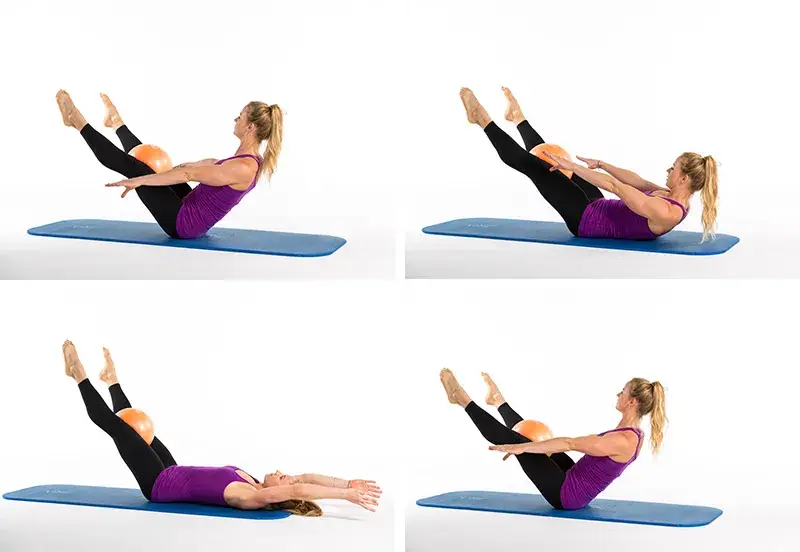
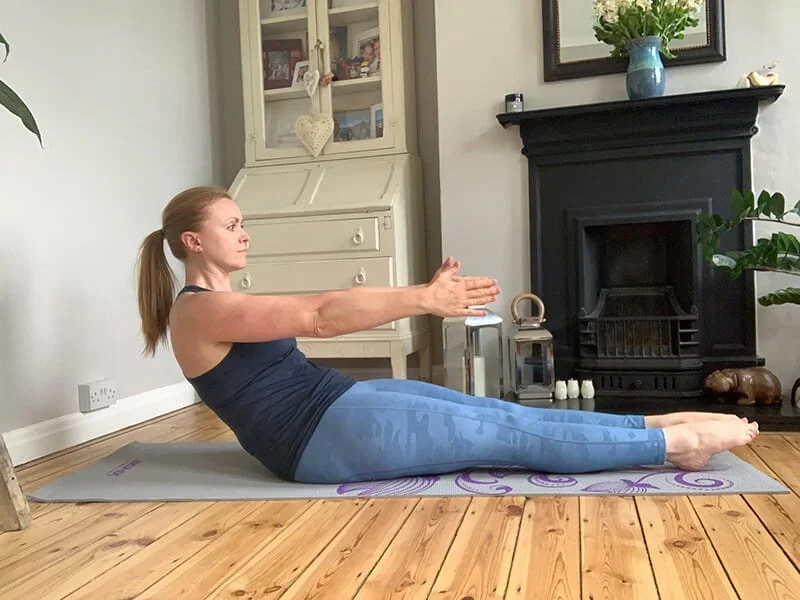
For example, the Pilates Roll Up can train controlled spinal movement and abdominal strength, while Pilates Ring Exercises can introduce additional resistance.
At the same time, studio brands such as Jet Set Pilates demonstrate the continuing appeal of instructor-led reformer workouts. convenience, equipment quality, digital subscriptions, and customer service all matter when judging a fitness product.
Personal Insight: What Makes a Pilates Routine Sustainable?
From a practical fitness perspective, I think the biggest mistake people make is designing a routine that looks impressive on paper but is difficult to repeat.
A 60-minute workout may sound better than 20 minutes.
However, if you consistently complete 20 minutes four times a week, that can be more useful than planning an hour-long workout and doing it once every two weeks.
The same principle applies to equipment.
A compact board that you can quickly set up may be more valuable for your lifestyle than a larger machine that requires permanent space.
Convenience is not laziness. It can be a strategy for consistency.
How Often Should You Do Pilates Board Workouts?
For many healthy adults, two to four Pilates sessions per week can be a practical starting point.
Beginners may want to start with two sessions and see how their body responds.
Then gradually increase frequency as technique improves.
Moreover, recovery matters.
You do not need to train the same muscles intensely every day.
A weekly schedule might look like:
- Monday: Pilates board
- Tuesday: Walking
- Wednesday: Pilates board
- Thursday: Rest or mobility
- Friday: Pilates board
- Saturday: Light cardio
- Sunday: Rest
This provides variety while keeping Pilates as a central part of the week.
How to Make Pilates Board Workouts More Effective
Small changes can improve your sessions considerably.
Focus on alignment
Keep your spine neutral when the exercise calls for it.
Avoid forcing a position that feels unnatural.
Control every repetition
Imagine that you are moving through water.
The resistance should remain present throughout the exercise.
Track progress
Record:
- Resistance level
- Repetitions
- Workout duration
- Exercise difficulty
- How you felt afterward
Progress does not always mean heavier resistance.
You might improve by performing the same movement with better control.
Combine strength and mobility
Do not make every session purely strength-focused.
Include mobility and flexibility work as well.
A balanced routine is easier to maintain and can support a wider range of movement.
Conclusion
Pilates Board Workouts offer a practical way to bring controlled resistance training, core work, balance, and mobility into a home fitness routine.
They are particularly useful for people who want a compact setup without sacrificing exercise variety.
However, the smartest approach is to focus on fundamentals first. Use manageable resistance, maintain good alignment, control your breathing, and progress gradually.
Most importantly, choose a routine you can actually maintain.
A simple 20-minute workout performed consistently can be far more valuable than an ambitious program that never becomes a habit.
Frequently Asked Questions
Are Pilates board workouts good for beginners?
Yes. Beginners can start with basic squats, rows, leg movements, and core exercises using light resistance. The priority should be learning controlled technique.
Can Pilates board workouts build muscle?
They can contribute to muscular strength and endurance, especially when exercises provide enough resistance and are progressed over time. However, they should complement—not necessarily replace—other forms of resistance training.
How long should a Pilates board workout be?
A beginner session can take 15–30 minutes. Longer sessions may be useful as your fitness improves, but consistency matters more than workout length.
Can I lose belly fat with Pilates board exercises?
You cannot specifically target belly fat through one type of exercise. Pilates can strengthen your core, while overall fat loss depends on total energy balance and lifestyle habits.
Is a Pilates board better than a reformer?
Neither is universally better. A board may be better for portability and home convenience, while a traditional reformer generally provides a broader range of resistance and movement options.
⭐ Make MindLiva Your Preferred Source on Google
Get trusted health, wellness, and lifestyle articles from MindLiva.
Add MindLiva
Samie Babaei is a medical science student at Shahid Beheshti University of Medical Sciences with a strong interest in health, wellness, and medical research. As a health writer and researcher at MindLiva, she focuses on creating clear, evidence-based content that helps readers better understand health and well-being.