


How Precision Nutrition Supplements Boost Your Fitness Goals
Have you ever wondered whether supplements are truly necessary for reaching your fitness goals? With thousands of products available online and in stores, it’s easy to feel overwhelmed by conflicting advice. Some promise rapid muscle growth, while others claim to burn fat effortlessly. The truth is much simpler.
Precision nutrition supplements are most effective when they are chosen based on your personal health, training routine, and nutritional needs rather than marketing claims. They are designed to complement a balanced diet—not replace it.
In this guide, you’ll discover which supplements are supported by research, who should consider using them, and how personalized nutrition strategies can improve athletic performance, recovery, and overall health.
What Are Precision Nutrition Supplements?
Precision nutrition supplements are products selected to support an individual’s unique nutritional needs instead of offering the same solution to everyone.
Rather than taking every popular supplement on the market, this approach focuses on identifying what your body actually requires.
Your supplement choices may depend on:
- Age
- Gender
- Activity level
- Training intensity
- Medical history
- Diet quality
- Lifestyle
- Personal fitness goals
This personalized method reduces unnecessary supplementation while helping fill genuine nutritional gaps.
Why Personalized Supplementation Matters
Every body responds differently to exercise and nutrition.
For example, an endurance runner and a powerlifter have very different nutritional demands.
Similarly, someone following a vegetarian diet may require different nutrients than someone who regularly consumes animal products.
This personalized strategy is closely connected to precision nutrition, which emphasizes matching nutrition choices to the needs of each individual.
As research continues to evolve, personalized supplementation is becoming an increasingly important part of modern sports nutrition.
The Benefits of Precision Nutrition Supplements

When used correctly, supplements can support overall wellness and athletic performance.
Some of the most important benefits include:
- Better recovery after exercise
- Increased muscle repair
- Improved energy production
- Enhanced immune function
- Reduced nutrient deficiencies
- Greater workout consistency
- Support for healthy aging
However, supplements work best when combined with regular exercise, quality sleep, and a balanced diet.
Most Effective Supplements Supported by Science
Not every supplement has strong scientific evidence behind it.
The following products consistently receive support from sports nutrition research.
Protein Supplements
Protein is one of the most popular fitness supplements.
It provides amino acids that help repair muscle tissue after exercise.
Common protein sources include:
- Whey protein
- Casein protein
- Soy protein
- Pea protein
- Rice protein
For example, athletes who struggle to meet daily protein needs through food alone may benefit from protein shakes after training.
Creatine Monohydrate
Creatine is among the most extensively researched sports supplements.
Studies show it may improve:
- Strength
- Power output
- Muscle growth
- High-intensity exercise performance
Moreover, creatine has an excellent safety record when used according to recommended guidelines.
Omega-3 Fatty Acids
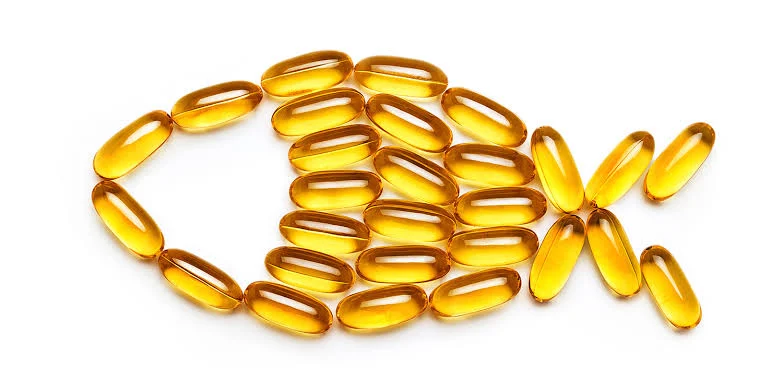
Omega-3 fats support:
- Heart health
- Brain function
- Joint health
- Recovery
- Inflammation control
People who rarely eat fatty fish may particularly benefit from omega-3 supplementation.
Vitamin D
Vitamin D supports:
- Bone health
- Muscle function
- Immune health
Many adults have low vitamin D levels, especially those living in regions with limited sunlight.
A healthcare professional can determine whether supplementation is necessary through blood testing.
Electrolytes
Athletes who sweat heavily lose important minerals such as:
- Sodium
- Potassium
- Magnesium
Replacing these electrolytes helps maintain hydration and muscle function during long workouts.
Supplements That May Not Be Necessary
Many products advertised as “miracle solutions” offer little scientific support.
Examples include:
- Extreme fat burners
- Testosterone boosters without medical need
- Detox teas
- Unproven herbal blends
- Products promising instant muscle gain
Before spending money, always ask whether quality research supports the product’s claims.
Should Everyone Take Supplements?
The simple answer is no.
Many healthy people meet their nutritional needs through food alone.
Supplements are generally most useful for individuals who:
- Have diagnosed nutrient deficiencies
- Follow restrictive diets
- Train intensely
- Have increased nutritional requirements
- Cannot consistently meet dietary needs
A balanced eating pattern should always remain the foundation of good nutrition.
Food First, Supplements Second
Nutrition experts consistently recommend prioritizing whole foods.
Whole foods provide:
- Fiber
- Vitamins
- Minerals
- Antioxidants
- Healthy fats
- Phytochemicals
These nutrients work together in ways that supplements cannot fully replicate.
Supplements should fill nutritional gaps—not replace healthy meals.
Choosing High-Quality Supplements
Not all products meet the same quality standards.
Before purchasing, consider:
Third-Party Testing
Independent testing organizations verify product purity and ingredient accuracy.
Look for certifications from trusted testing agencies whenever possible.
Transparent Labels
Reliable manufacturers clearly list:
- Ingredients
- Serving sizes
- Dosages
- Safety information
Avoid products using vague proprietary blends.
Scientific Evidence
Choose supplements supported by peer-reviewed research rather than celebrity endorsements or social media trends.
Personalized Nutrition Tools
Many people now combine supplements with digital nutrition planning.
For example, a precision nutrition calculator can estimate calorie and nutrient needs based on age, body size, activity level, and fitness goals. These estimates help determine whether dietary adjustments should come before adding supplements.
Common Supplement Mistakes
Even experienced athletes sometimes misuse supplements.
Common errors include:
Taking Too Many Products
More supplements do not always produce better results.
In some cases, excessive intake may even increase health risks.
Ignoring Dosage Instructions
Taking more than the recommended amount rarely improves effectiveness.
Following evidence-based dosage guidelines is both safer and more effective.
Expecting Immediate Results
Supplements support long-term progress.
They cannot replace consistent training, quality nutrition, or adequate sleep.
Buying the Cheapest Option
Low prices can sometimes reflect lower-quality ingredients or poor manufacturing practices.
Choosing reputable brands helps reduce unnecessary risks.
How to Choose the Right Precision Nutrition Supplements
Selecting the right supplement starts with understanding your personal needs rather than following trends.
Ask yourself these questions:
- What is my primary fitness goal?
- Am I getting enough nutrients from food?
- How often do I train?
- Do I have any diagnosed deficiencies?
- Has my healthcare provider recommended supplementation?
Answering these questions can prevent unnecessary purchases and help you focus on products that provide real value.
Precision Nutrition Supplements for Different Fitness Goals
Different goals require different nutritional support.
Muscle Growth
People aiming to build muscle often focus on:
- High-quality protein
- Creatine monohydrate
- Adequate carbohydrate intake
- Consistent hydration
These nutrients support muscle repair and recovery after resistance training.
Weight Management
Supplements alone do not cause lasting weight loss.
Instead, successful weight management depends on:
- Balanced eating
- Regular exercise
- Healthy sleep
- Consistent calorie control
Some supplements, such as protein powder, may help increase fullness and support muscle maintenance during a calorie deficit.
Endurance Performance
Runners, cyclists, swimmers, and other endurance athletes may benefit from:
- Electrolytes
- Carbohydrates during long workouts
- Omega-3 fatty acids
- Iron (only if prescribed)
Maintaining energy stores and hydration is essential for prolonged exercise.
Healthy Aging
As people grow older, nutritional needs often change.
Healthcare professionals may recommend supplements such as:
- Vitamin D
- Calcium
- Vitamin B12
- Omega-3 fatty acids
However, supplementation should always be based on individual assessment rather than age alone.
How Lifestyle Affects Supplement Needs
Nutrition is influenced by much more than exercise.
Several everyday factors affect whether supplements may be beneficial.
Sleep
Poor sleep slows recovery and may reduce training performance.
Improving sleep habits often provides greater benefits than adding another supplement.
Stress
Chronic stress can influence appetite, food choices, and recovery.
Managing stress through exercise, relaxation, and healthy eating should remain a priority.
Diet Quality
Someone who eats a wide variety of nutrient-rich foods generally needs fewer supplements than someone with a limited diet.
Whole foods remain the best source of most vitamins and minerals.
Common Myths About Supplements

The supplement industry is full of misleading claims.
Let’s separate facts from fiction.
Myth 1: More Supplements Mean Better Results
False.
Taking unnecessary supplements rarely improves performance and may increase costs or health risks.
Myth 2: Natural Always Means Safe
Not necessarily.
Natural ingredients can still interact with medications or cause side effects.
Myth 3: Supplements Replace Healthy Food
False.
Supplements complement a healthy diet but cannot replace the nutritional value of whole foods.
Myth 4: Expensive Products Work Better
Price does not always reflect quality.
Choosing products backed by scientific evidence and third-party testing is more important than buying the most expensive option.
The Future of Personalized Supplementation
Nutrition science continues to evolve rapidly.
Researchers are exploring how genetics, gut microbiome analysis, wearable technology, and blood biomarkers can help create even more personalized supplement recommendations.
Interestingly, individualized nutrition is also used outside human health. In agriculture, precision nutrition dairy cow strategies adjust feed according to each animal’s nutritional needs to improve health, productivity, and sustainability. This demonstrates how personalized nutrition principles can be applied across many fields.
As technology advances, supplement recommendations are expected to become increasingly accurate and tailored to individual needs.
Conclusion
Precision nutrition supplements can be valuable tools for improving health, athletic performance, and recovery when they are chosen wisely and used alongside a balanced diet. They are most effective when based on individual goals, lifestyle, and nutritional requirements rather than marketing promises.
Before purchasing any supplement, evaluate your diet, consider your training demands, and seek advice from a qualified healthcare professional if needed. Remember that consistent exercise, nutritious food, quality sleep, and healthy habits will always have the greatest impact on long-term fitness success.
The best supplement plan is one that supports your body—not one that follows the latest trend.
Frequently Asked Questions
Is Precision Nutrition a good brand?
Yes. Precision Nutrition is widely recognized for its evidence-based nutrition education and coaching programs. It has built a strong reputation among fitness professionals and health coaches worldwide.
Who is the top nutrition supplement company?
There is no single “best” company for everyone. Reputable brands are those that use third-party testing, transparent ingredient labels, and science-backed formulations.
Where is Precision Nutrition located?
Precision Nutrition is headquartered in Toronto, Ontario, Canada, and provides nutrition coaching and educational programs to clients around the world.
Who founded Precision Nutrition?
Precision Nutrition was co-founded by Dr. John Berardi and Phil Caravaggio, who developed the company to make evidence-based nutrition coaching more accessible.
Who is Precision Nutrition?
Precision Nutrition is a health and nutrition education company known for its coaching certifications, nutrition programs, and science-based approach to healthy eating and behavior change.