



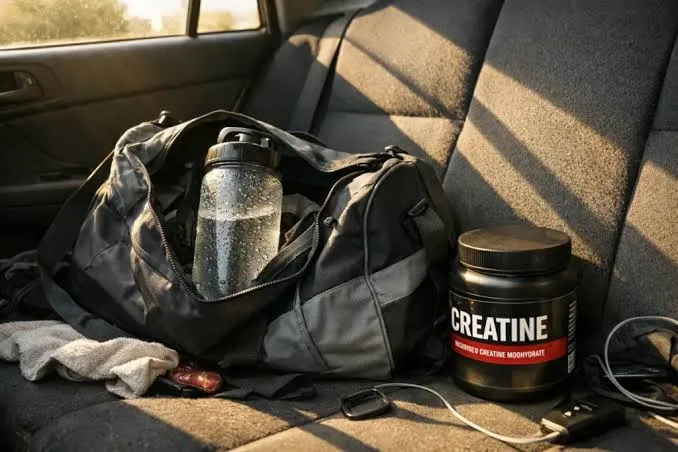
What Does Creatine Do for Muscle Growth and Recovery?
Have you ever watched someone add a white powder to a shaker and wondered whether it truly builds muscle or simply creates water weight? With so many claims circulating online, it can be difficult to separate proven results from fitness marketing.
So, what does creatine do inside the body? It helps muscles quickly replace ATP, the energy used during short and demanding movements. This can support heavier lifting, repeated sprints, additional repetitions, and better long-term training progress.
However, the supplement does not create muscle without effort. Its value comes from helping you perform more high-quality work. This guide explains the science in simple language, including muscle growth, recovery, dosage, weight changes, product forms, and safety.
What Does Creatine Do Inside Your Muscles?
Muscle cells need adenosine triphosphate, commonly called ATP, to contract. However, they store only enough ATP to support a few seconds of maximum effort.
During a heavy squat or short sprint, the body uses ATP rapidly. Phosphocreatine then donates a phosphate group, helping the muscles rebuild ATP and continue producing force.
Supplementation increases the amount stored in muscle tissue. As a result, your body has a larger energy reserve for repeated high-intensity efforts.
The NIH explains that this energy system is most useful during activities involving intense effort followed by short recovery periods. Examples include weightlifting, jumping, sprinting, football, hockey, and repeated interval exercise.
A Simple Gym Example
Imagine that you normally perform eight strong repetitions with a certain weight. Your ninth repetition slows down, while the tenth becomes impossible.
After your muscle stores increase, you may complete another good repetition or maintain better force across several sets. The difference seems small during one session, but it can add up over weeks.
For example, one extra repetition across four exercises and three weekly workouts creates a meaningful increase in training volume. That additional work can support strength and muscle development when nutrition and recovery are also suitable.
How It Supports Muscle Growth

The supplement does not directly trigger instant muscle growth like a switch. Instead, it creates better conditions for training adaptations.
A 2024 meta-analysis found that adults younger than 50 who combined supplementation with resistance training gained about 1.14 kilograms more lean body mass than those performing resistance training without it. The supplemented groups also showed small reductions in body-fat percentage and fat mass.
Another meta-analysis using direct imaging methods found a small additional increase in upper- and lower-body muscle size when supplementation was combined with at least six weeks of resistance exercise.
The main creatine benefits for muscle development may come through several connected effects:
- Greater high-intensity training capacity
- More total repetitions or work
- Better force during repeated sets
- Increased water inside muscle cells
- Improved strength over time
- More consistent training quality
However, these advantages still depend on progressive resistance training. Taking a daily serving while following an unplanned or inconsistent routine is unlikely to produce impressive changes.
Does Water Retention Count as Muscle Growth?
Early weight gain often comes from water entering muscle cells. This can make muscles appear fuller within the first week, especially after a loading phase.
That change is not the same as new contractile tissue. However, it is also not ordinary fat gain or necessarily unwanted bloating.
True hypertrophy develops more slowly. It requires repeated training stress, enough dietary protein, sufficient energy, and adequate sleep. Over time, the scale increase may represent a combination of intracellular water and added lean tissue.
What Does Creatine Do for Strength?
Strength is one of the areas with the clearest supporting evidence.
A 2024 systematic review found that adults under 50 gained more upper- and lower-body strength when supplementation was combined with resistance training. Compared with placebo, the average additional improvement was about 4.43 kilograms for upper-body strength and 11.35 kilograms for lower-body strength.
These numbers are group averages, not promises for every user. Results differ based on training experience, program quality, age, diet, genetics, dosage, and initial muscle stores.
Moreover, the product may have a larger effect on exercises involving repeated maximum or near-maximum effort. It is less likely to produce a dramatic change in low-intensity activities.
Power and Repeated Effort
Strength describes how much force you can produce, while power involves producing force quickly. Jumping, throwing, sprinting, and explosive lifting rely heavily on rapid ATP availability.
A 2025 systematic review reported benefits for upper- and lower-body strength and power, although effects varied across tests and participant groups.
This explains why the supplement is common in powerlifting, bodybuilding, team sports, combat sports, and sprint-based training. It can also help recreational gym users who want to maintain performance across several demanding sets.
Does It Improve Muscle Recovery?
Recovery claims require more caution. The supplement clearly supports repeated high-intensity performance, but evidence for reducing soreness or speeding recovery after muscle damage is mixed.
A systematic review of 23 studies found that some markers of muscle damage were lower 48–90 hours after a single damaging workout. However, soreness and performance recovery did not consistently improve, and long-term training results showed a more complex pattern.
A newer network meta-analysis found a small positive effect on recovery outcomes among trained athletes. Still, the analysis included fewer trials for this ingredient than for some other supplements.
Therefore, it may help recovery in certain situations, but it should not be treated as a cure for soreness.
What Recovery Really Requires
A complete recovery plan still depends on:
- Sleep: Most adults need consistent, high-quality sleep.
- Protein: Muscle tissue requires amino acids for repair.
- Carbohydrates: Hard training reduces stored glycogen.
- Hydration: Fluid needs rise with heat and sweat loss.
- Rest: Muscles need time between demanding sessions.
- Programming: Constant maximum-effort exercise can exceed recovery capacity.
In short, supplementation may support the process, but it cannot rescue poor sleep, low food intake, or an overly aggressive training plan.
How Fast Can You Notice Results?
Muscle stores need time to increase. The speed depends mainly on the dosing method.
A loading approach usually involves about 20 grams daily, divided into four smaller servings, for five to seven days. A maintenance amount of 3–5 grams per day follows.
Alternatively, taking 3–5 grams daily without loading can gradually raise muscle stores over several weeks. Both approaches can reach a similar destination, but loading gets there faster.
Possible early changes include:
- A small increase in body weight
- Fuller-feeling muscles
- Better repeated-set performance
- Less decline in force across a workout
- Gradual strength progress
Visible muscle growth takes longer. Most people should judge results across several weeks or months rather than expecting a dramatic change after a few servings.
Choosing the Right Product Form
Creatine monohydrate is the most widely researched form and remains the standard used in most performance and safety studies. The NIH notes that it is also the most commonly used type in sports products.
More expensive versions may claim better absorption, less water retention, or faster results. However, a complex chemical name or premium price does not automatically mean superior performance.
Powders are usually easy to measure and mix. Capsules are convenient but may require several pills to reach a full serving.
Meanwhile, creatine gummies can be practical for users who dislike powder. However, check how many pieces provide an evidence-based amount, as well as the sugar content, added ingredients, storage instructions, and third-party testing.
Quality Matters More Than Packaging
Choose a product with:
- One clearly stated active ingredient
- A transparent amount per serving
- Independent purity testing
- No hidden proprietary blend
- Realistic performance claims
- Clear storage and expiration details
Competitive athletes should look for certification that tests products for banned or undeclared substances. A plain product is also easier to evaluate if you develop stomach discomfort or another reaction.
Should Men and Women Use Different Products?
Most gender-based formulas are marketing variations rather than completely different performance products.
The best creatine for men is generally a simple, tested formula with an effective serving size. It does not need stimulant blends, “testosterone boosters,” or aggressive muscle-building claims.
Similarly, the best creatine for women does not need detox herbs, beauty ingredients, pink packaging, or an automatically smaller serving.
Both men and women use the same basic energy system. However, individual needs may differ according to body size, diet, training goals, health, pregnancy status, and tolerance.
Women remain underrepresented in some sports-nutrition research. Therefore, conclusions about differences between sexes should be made carefully rather than based on one study or marketing claim.
Can It Help People Who Do Not Eat Meat?
The body produces its own supply, while foods such as meat and fish provide additional dietary amounts. Vegetarians and vegans may begin with lower muscle stores because plant foods contain little of the compound.
As a result, some plant-based athletes may experience a noticeable response after supplementation. However, diet type alone does not guarantee a stronger effect.
Most commercial powders are synthesized rather than extracted directly from meat. Still, vegan users should check capsule shells, flavorings, and certifications because supporting ingredients may come from animal sources.
Does It Cause Weight Gain or Puffiness?
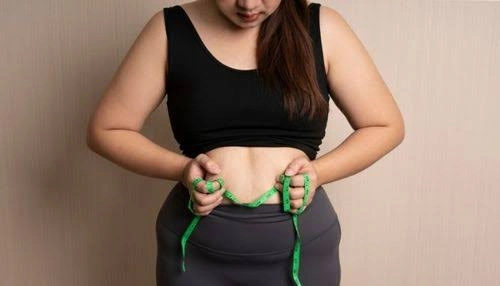
A small rise in body weight is common, particularly during loading. Much of the early change comes from water stored inside muscle cells.
The NIH identifies water-related weight gain as the most common noticeable effect.
This does not mean the product directly adds body fat. Fat gain occurs when calorie intake remains higher than energy use over time.
Some people may look slightly fuller. However, widespread swelling, severe puffiness, breathing difficulty, or unusual fluid retention should not be dismissed as a normal supplement response.
Athletes competing in weight classes should plan carefully. Even water held inside muscle tissue still appears on the scale and may affect a weigh-in.
Safety, Dosage, and Common Concerns
For healthy adults, standard amounts are generally well tolerated. Current evidence supports daily servings of 3–5 grams, while a loading phase remains optional.
Commonly discussed creatine side effects include temporary water-weight gain and mild digestive discomfort, particularly when a large amount is consumed at once.
Dividing large servings or skipping loading may reduce stomach problems. There is also no good evidence that normal use causes dehydration or cramping in healthy users.
A 2025 kidney-function meta-analysis found a small increase in serum creatinine but no significant reduction in glomerular filtration rate. Researchers explained that the blood-marker change may reflect normal metabolism rather than kidney damage.
However, people with kidney disease, abnormal kidney tests, pregnancy, breastfeeding, or complex medical conditions should seek professional advice before use. Tell your clinician about supplementation before blood tests because it can affect how certain results are interpreted.
Common Mistakes That Limit Results
Even an effective product can disappoint when it is used poorly.
Taking It Only on Workout Days
Muscle storage matters more than a short pre-workout effect. Consistent daily use is usually more practical than irregular timing.
Expecting Instant Muscle
Early fullness is largely water-related. New muscle tissue develops through progressive training over time.
Using Too Much
Once muscle stores are full, increasingly large servings may add cost and digestive discomfort without creating matching benefits.
Ignoring Food and Sleep
The supplement provides no protein, training plan, or meaningful sleep support. Those basics still determine much of your progress.
Buying an Overloaded Blend
A product containing stimulants, herbs, sugar, amino acids, and several performance ingredients makes it difficult to judge which component is helping or causing discomfort.
Conclusion
So, what does creatine do for muscle growth and recovery? It increases the rapid-energy supply available to working muscles, which can improve repeated high-intensity performance, strength, power, and training volume.
When combined with resistance exercise, it can support modest additional gains in lean mass and muscle size. However, its effect on soreness and immediate recovery is less consistent, so sleep, nutrition, hydration, and intelligent programming remain essential.
Choose a simple tested product, use a sensible daily amount, and measure progress over time. The real advantage is not magic muscle growth. It is the ability to complete more productive training and turn that work into lasting results.
Frequently Asked Questions
Does creatine build muscle without working out?
It may increase muscle water and body weight, but meaningful muscle growth still requires resistance training. Its main advantage is helping you perform more productive high-intensity work.
How long does it take to work?
Loading may increase muscle stores within about a week. A steady 3–5-gram daily approach usually takes several weeks, although individual responses vary.
Should beginners take it?
Healthy adult beginners can use it, but a structured workout, suitable diet, and consistent sleep should come first. A supplement cannot replace basic training habits.
Is it better before or after a workout?
Daily consistency matters more than exact timing. Taking it with a regular meal or post-workout drink may simply make the habit easier to remember.
Do you need to cycle off?
Healthy adults do not generally need to cycle it according to current evidence. However, you can stop whenever it no longer supports your goals or a healthcare professional advises you to pause.
⭐ Make MindLiva Your Preferred Source on Google
Get trusted health, wellness, and lifestyle articles from MindLiva.
Add MindLiva
Samie Babaei is a medical science student at Shahid Beheshti University of Medical Sciences with a strong interest in health, wellness, and medical research. As a health writer and researcher at MindLiva, she focuses on creating clear, evidence-based content that helps readers better understand health and well-being.