




Creatine Benefits: Boost Your Athletic Performance Naturally
Have you ever finished the first few sets of a workout feeling strong, only to see your power drop much faster than expected? That decline is normal, but a well-studied sports supplement may help you maintain high-intensity performance for slightly longer.
The most reliable creatine benefits relate to strength, explosive power, repeated sprints, and resistance-training progress. It may help you complete more productive work, but it cannot replace exercise, protein, sleep, or a balanced diet.
Moreover, newer reviews continue to examine possible roles in healthy aging and brain function. Those areas are interesting, although the evidence is less settled than the research on strength and power.
This guide explains how the compound works, which benefits are supported by evidence, who is most likely to respond, and how to use it without falling for exaggerated marketing.
What Is Creatine?
Creatine is a compound naturally produced by the body and stored mainly in skeletal muscle. People also obtain smaller amounts from foods such as beef, pork, salmon, and other animal-based products.
Inside muscle cells, it is converted into phosphocreatine. This stored compound helps restore adenosine triphosphate, commonly called ATP, during short periods of intense physical effort. ATP is the immediate energy source used for actions such as lifting, sprinting, jumping, and changing direction quickly.
The body produces roughly one gram per day, while food supplies additional amounts depending on diet. However, sports supplements provide larger and more consistent doses than most people obtain from meals.
What Does Creatine Do During Exercise?

A common beginner question is what does creatine do when you are lifting weights or playing a power-based sport.
Imagine performing five sets of heavy squats. Your muscles use ATP rapidly during each set, yet their immediate supply is limited. Phosphocreatine helps rebuild ATP, allowing you to keep producing force during repeated efforts.
This does not mean one serving will suddenly turn a difficult set into an easy one. Instead, higher muscle stores may help you complete an extra repetition, maintain better speed, or experience less performance decline across multiple sets.
That small difference becomes meaningful through repetition. One extra quality repetition in hundreds of workouts can increase total training volume and support better long-term adaptation.
Creatine Benefits for Greater Strength
Strength improvement is one of the best-supported reasons to use this supplement.
A 2024 meta-analysis of adults younger than 50 found that supplementation combined with resistance training produced greater gains in upper-body and lower-body strength than resistance training with a placebo. The average added improvements were approximately 4.4 kilograms for upper-body measures and 11.4 kilograms for lower-body measures, although individual results varied considerably.
A larger 2025 review evaluated 69 randomized trials involving 1,937 participants. It found favourable effects across several strength and power outcomes, although results differed according to the exercise, population, dose, and training design.
This advantage matters most when training requires repeated maximal or near-maximal effort. Examples include:
- Heavy resistance training
- Powerlifting
- Olympic-style lifting
- Sprinting
- Jumping
- Combat sports
- Football and rugby
- Repeated cycling intervals
However, supplementation is less useful for steady endurance events. NIH guidance states that it has little value for continuous activities such as distance running, long-distance cycling, or endurance swimming.
Why Training Is Still Essential
The supplement supports the energy system used during training. It does not create strength without a reason for the body to adapt.
For example, taking a daily serving while following an unstructured gym routine is unlikely to produce impressive results. Taking it alongside a progressive strength program gives the added energy capacity a clear purpose.
Your routine should gradually increase at least one of the following:
- Weight lifted
- Repetitions completed
- Sets performed
- Movement quality
- Range of motion
- Training frequency
In short, the product may increase what you can do in training. The training itself remains responsible for developing strength.
Better Power and Repeated Sprint Performance
Power describes how quickly you can apply force. It is important for jumping, throwing, sprinting, tackling, and performing explosive lifts.
Because phosphocreatine supports rapid ATP recovery, supplementation is particularly relevant to activities involving intense effort followed by short recovery periods. NIH guidance notes that it can enhance repeated intermittent activities lasting up to roughly two and a half minutes at a time.
Consider a football player completing repeated 20-metre sprints. The first sprint may feel fast and controlled, while later attempts become slower as immediate energy stores fall.
Higher muscle phosphocreatine levels may reduce that performance drop. The athlete may not suddenly become the fastest person on the field, but maintaining speed across later efforts can influence training quality and competition performance.
This benefit may also apply to:
- Repeated swimming sprints
- Basketball transitions
- Hockey shifts
- Tennis rallies
- High-intensity interval sessions
- Repeated sets of explosive lifts
The effect is usually modest rather than dramatic. However, small improvements are valuable in activities where fractions of a second or one additional high-quality effort can matter.
Support for Lean Body Mass and Muscle Growth

The supplement is often promoted as a direct muscle builder, but the real process is more nuanced.
A 2024 meta-analysis found that adults younger than 50 who combined supplementation with resistance training gained approximately 1.14 kilograms more lean body mass than those performing resistance training alone. The supplemented groups also showed small reductions in body-fat percentage and fat mass.
Another analysis of 143 studies reported an average increase of approximately 0.82 kilograms in fat-free mass and 0.86 kilograms in total body weight.
However, lean mass is not identical to newly built muscle tissue. It also includes water, and supplementation increases water stored inside muscle cells.
The likely muscle-building process involves several connected factors:
- More productive training sessions
- Greater weekly lifting volume
- Better performance across later sets
- Gradual increases in training load
- Increased water within muscle tissue
- A stronger long-term training stimulus
Therefore, early scale weight should not be confused with rapid muscle growth. New muscle tissue develops gradually through training, nutrition, and recovery.
Does It Improve Exercise Recovery?
Recovery claims require careful wording.
The supplement may help users restore rapid energy between repeated sets or sprints. This can improve performance within a workout, especially when rest periods are short.
However, evidence that it consistently removes soreness or dramatically speeds tissue repair is less clear. The NIH describes its main value as improving strength, power, and repeated high-intensity performance rather than acting as a universal recovery product.
Some people feel they recover better because they maintain performance across sessions. Yet that experience may also reflect improved training capacity, better nutrition, increased water storage, or changes in workout design.
For reliable recovery, continue prioritizing:
- Adequate protein
- Enough total calories
- Carbohydrates around demanding sessions
- Consistent sleep
- Sensible rest days
- Gradual increases in training difficulty
A supplement can support a strong recovery plan. It cannot repair the effects of chronic sleep loss or excessive training.
Possible Benefits for Older Adults
Age-related muscle loss can reduce strength, mobility, balance, and independence. For this reason, researchers have studied supplementation alongside resistance training in older populations.
A 2024 systematic review covering 33 randomized trials and 1,076 participants at risk of functional decline found improvements in upper-body strength, handgrip strength, and lean tissue mass. However, results differed between studies, and supplementation should not be viewed as a replacement for rehabilitation or resistance exercise.
The practical message is that older adults may gain more value when the supplement is paired with a professionally designed strength program.
For example, an older beginner might focus on:
- Chair squats
- Supported lunges
- Resistance-band rows
- Light presses
- Carrying exercises
- Balance training
Medical guidance is important when kidney disease, heart conditions, diabetes, prescription medicines, or restricted fluid intake are involved.
Could It Support Brain Function?
The brain also requires ATP, so researchers have explored possible effects on memory, attention, and mental performance.
A 2024 meta-analysis reported possible improvements in memory, attention time, and processing speed. However, another systematic review published the same year described cognitive findings as mixed and concluded that better-designed research is required.
Therefore, cognitive claims should remain cautious. The evidence is not strong enough to present the supplement as a proven treatment for memory loss, depression, dementia, or other neurological conditions.
Some researchers believe that benefits may be more noticeable when brain energy demand is unusually high, such as during sleep deprivation, aging, or dietary restriction. Nevertheless, these possible applications remain less established than the performance evidence.
Use it primarily for evidence-supported athletic goals unless a healthcare professional recommends it for another reason.
Who May Notice the Greatest Difference?
Individual response varies. Some people experience clear improvements in repeated high-intensity performance, while others notice only a small increase in body weight.
Potential response may be influenced by:
- Existing muscle stores
- Diet
- Muscle mass
- Training experience
- Exercise type
- Supplement consistency
- Genetics
- Total daily dose
People who eat little or no meat or fish may start with lower dietary intake. As a result, vegetarians and vegans could experience a more noticeable increase in muscle stores, although individual results still vary.
Beginners may find it difficult to separate supplement effects from the rapid progress caused by starting resistance training. Experienced athletes may notice smaller changes, but even a modest improvement can matter when progress has slowed.
Which Form Should You Choose?
Creatine monohydrate is the most widely used and researched form. It is usually less expensive than newer varieties and has the strongest evidence for strength and high-intensity performance.
Companies also sell hydrochloride, nitrate, citrate, buffered, and ethyl-ester forms. These products may claim better absorption or reduced water retention, but they have not consistently shown better performance results.
A practical product should provide:
- One clearly named active ingredient
- A transparent amount per serving
- Minimal unnecessary additives
- Independent quality testing
- A reasonable price per dose
- Clear storage instructions
The best creatine for men does not need aggressive packaging or added hormone-support ingredients. Likewise, the best creatine for women does not require pink branding, reduced servings, or beauty-focused ingredients.
The active energy system is not changed by the colour of the container.
Powder, Capsules, or Gummies?
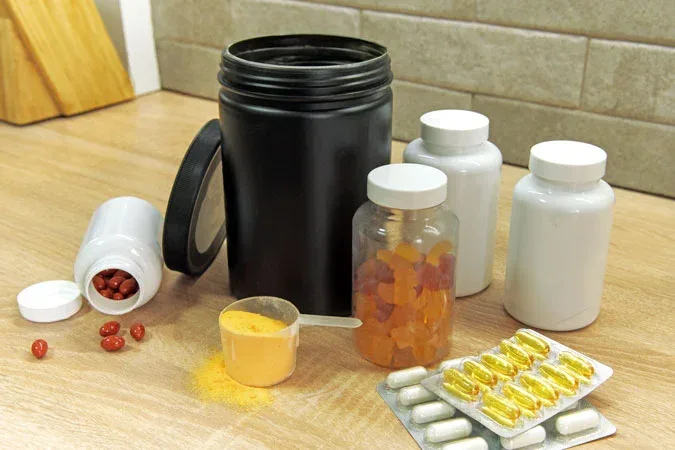
Powder normally offers the lowest cost and easiest serving control. It can be mixed with water, juice, yogurt, or a protein shake.
Capsules are convenient for travel, although several may be required to reach a normal daily serving.
Creatine gummies may be easier to remember and more enjoyable to take. However, they often cost more, may contain added sugar, and sometimes require several pieces per serving.
Whichever format you choose, compare the price based on a complete daily serving rather than the size of the container.
How Much Should You Take?
A common maintenance amount is 3 to 5 grams per day.
An optional loading phase uses about 20 grams daily, usually divided into four smaller portions, for five to seven days. Users then move to a daily maintenance serving. This is the approach frequently used in sports-performance studies.
Loading is not required. A smaller daily serving can gradually increase muscle stores over several weeks.
For many recreational exercisers, the simple approach is better:
- Take 3 to 5 grams daily
- Continue on rest days
- Use the same measured serving
- Choose a convenient time
- Avoid doubling the dose after a missed day
Timing appears less important than consistency. You can take it before training, after training, or with a regular meal.
Possible Disadvantages and Safety Concerns
The two most noticeable disadvantages are temporary water-weight gain and possible digestive discomfort.
NIH guidance states that weight commonly increases because the muscles retain more water. Rare reactions can include stomach distress, muscle stiffness, or cramping.
Other reported creatine side effects include bloating, nausea, or loose stools, particularly when a large amount is taken at once.
A 2025 kidney-function review found a small increase in serum creatinine but no significant reduction in glomerular filtration rate. A 2026 review of randomized trials reached a similar conclusion, although researchers emphasized the need for longer studies extending beyond one year.
Serum creatinine is commonly used to estimate kidney function. Because supplementation may affect this marker, tell your healthcare provider what you take before blood testing.
Seek professional guidance before use if you:
- Have kidney or liver disease
- Take medicines that affect kidney function
- Are pregnant or breastfeeding
- Have abnormal laboratory results
- Are younger than 18
- Follow a medically restricted fluid plan
- Have recurring unexplained swelling
Safety findings in healthy adults should not automatically be applied to people with existing medical conditions.
Why Some Doctors Recommend Avoiding It
A doctor may advise against supplementation because of a patient’s health history, medication use, pregnancy, breastfeeding, or abnormal kidney results.
Another reason is diagnostic clarity. If serum creatinine rises after supplementation, the result may make kidney-function assessment more complicated even when filtration remains stable.
Doctors may also be cautious about multi-ingredient sports products. Many formulas combine stimulants, herbs, vitamins, amino acids, and proprietary blends that have not been studied together. NIH guidance notes that many ingredient combinations lack reliable safety and effectiveness testing.
This is why bringing the exact container or label to an appointment is useful. A healthcare professional needs to review the complete formula, not simply the main ingredient advertised on the front.
Can You Take It Without Working Out?
Yes, but the expected value changes.
The body will still absorb and store the compound without exercise. However, the strongest evidence for improvements in muscle strength and body composition comes from supplementation combined with resistance training.
Someone who does not exercise should not expect significant new muscle simply from taking a daily scoop.
There may be research interest in healthy aging, physical disability, or cognition, but these uses require more specific evidence and should not be confused with standard fitness claims.
For most healthy adults, starting an appropriate exercise program is likely to provide a much broader range of physical benefits than taking a performance supplement alone.
Conclusion
The most reliable benefits involve strength, power, repeated high-intensity exercise, and improved resistance-training outcomes.
Research also suggests a modest increase in lean body mass when supplementation is paired with structured training. However, part of the early weight change comes from water stored within muscle, and the product does not create muscle without exercise.
Possible roles in healthy aging and cognitive performance are promising but less certain. Those areas require more consistent, high-quality research before strong claims can be made.
For most healthy adults, a simple daily serving, a transparent product, and a progressive training plan provide the most practical approach.
In short, treat supplementation as a useful tool rather than a shortcut. Your workouts, nutrition, sleep, and consistency will still determine most of your progress.
Frequently Asked Questions
What are two disadvantages of creatine?
The most common disadvantages are temporary water-weight gain and digestive discomfort. Taking smaller servings and avoiding an unnecessary loading phase may improve tolerance.
Is creatine good to take every day?
Daily use is the standard method for maintaining muscle stores. Healthy adults commonly take 3 to 5 grams per day, including on rest days.
Why do doctors say not to take creatine?
Doctors may advise against it because of kidney disease, abnormal tests, pregnancy, breastfeeding, medication interactions, or uncertainty about a multi-ingredient product.
Is creatine 100% safe?
No supplement is completely safe for every person. Recommended amounts appear well tolerated by most healthy adults, but individual health conditions and product quality can change the risk.
Can I take creatine if I don’t work out?
You can, but you should not expect major muscle or strength gains without resistance training. Its strongest performance evidence comes from use alongside structured exercise.
⭐ Make MindLiva Your Preferred Source on Google
Get trusted health, wellness, and lifestyle articles from MindLiva.
Add MindLiva
Samie Babaei is a medical science student at Shahid Beheshti University of Medical Sciences with a strong interest in health, wellness, and medical research. As a health writer and researcher at MindLiva, she focuses on creating clear, evidence-based content that helps readers better understand health and well-being.