



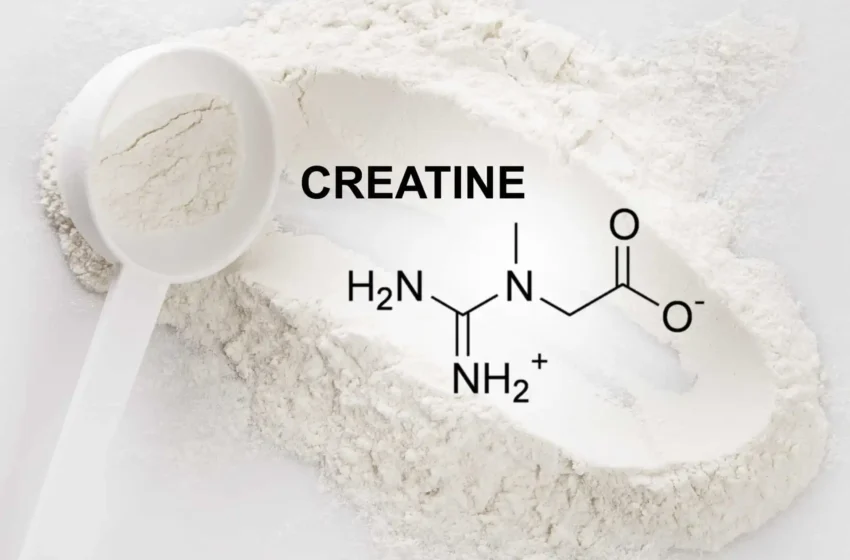
Creatine vs. Other Supplements: What You Need to Know
Have you ever looked at a shelf full of fitness supplements and wondered which product actually deserves your money? One promises explosive energy, another claims to build muscle, and a third says it will speed up recovery.
Among these choices, creatine stands out because it has been studied for decades and has a clear role in exercise performance. However, that does not mean it replaces protein, caffeine, electrolytes, or every other sports supplement.
Each product works differently. Some help you train harder, some supply nutrients, and others reduce fatigue during certain activities. In this guide, you will learn how the leading supplements compare, who may benefit from them, and which claims deserve more caution.
Important: This article provides general educational information. People with kidney disease, medical conditions, pregnancy, or prescription medications should discuss supplements with a qualified healthcare professional.
What Is Creatine and Why Is It So Popular?
Creatine is a compound that your body naturally makes and stores mainly in skeletal muscle. Small amounts also come from foods such as beef, pork, salmon, and other animal products.
Inside muscle cells, it helps restore adenosine triphosphate, commonly called ATP. ATP provides immediate energy for demanding movements such as lifting a heavy weight, jumping, sprinting, or changing direction quickly.
Your muscles store only a limited amount of this rapid energy. Supplementation can increase those stores, helping some people perform more total work before fatigue reduces their output.
The National Institutes of Health reports that creatine can improve strength, power, and performance during repeated bursts of intense activity. Its value appears smaller for steady endurance events such as long-distance running or cycling. widely researched type is creatine monohydrate, which is commonly sold as a plain, unflavoured powder. More expensive forms may sound advanced, but they have not consistently shown better results.
What Does Creatine Do Inside the Body?
A common beginner question is what does creatine do beyond causing water weight. The simple answer is that it supports faster energy recycling inside working muscles.
Imagine doing five hard sets of squats. Without enough recovery, your performance may drop sharply from one set to the next. Increased muscle creatine stores may help you complete an extra repetition, maintain better speed, or use slightly more weight.
That small difference can become meaningful over several months. More productive training sessions may create a stronger signal for muscle and strength development.
However, the supplement does not build muscle without effort. It improves the conditions for productive training; it does not replace progressive overload, adequate protein, sleep, or consistent exercise.
The Main Creatine Benefits for Active Adults

The most established creatine benefits relate to strength, power, lean body mass, and repeated high-intensity performance.
A 2024 systematic review found that supplementation combined with resistance training produced greater upper- and lower-body strength improvements than training with a placebo in adults younger than 50. also suggests that it may:
- Help users maintain power across repeated sets
- Support increases in training volume
- Improve sprint and jumping performance in some settings
- Increase body weight through greater water storage in muscle
- Support lean-mass gains when combined with resistance exercise
- Offer added value to older adults performing strength training
For example, someone who normally completes eight repetitions on the final set may occasionally manage nine. One extra repetition seems minor, but hundreds of better-quality sets across a year can influence progress.
A recent meta-analysis examining resistance training found that supplementation was associated with greater fat-free mass in both novice and experienced lifters. However, responses varied, and the difference between training groups was not statistically conclusive. ine vs. Protein Powder
Creatine and protein powder are often placed in the same category, but they solve different problems.
Protein supplies amino acids. Your body uses those amino acids to repair and build tissue. A protein shake is mainly a convenient food product for people who struggle to meet their daily protein needs.
Creatine supports rapid energy production. It may help you perform more work during short, demanding exercise.
Therefore, asking which one is better is like asking whether fuel or building material is more important. They have separate jobs, and many people use both.
Choose protein powder when:
- Your meals do not provide enough protein
- You need a quick post-workout meal
- You are dieting and want a filling, measured protein source
- Cooking several high-protein meals is inconvenient
Choose creatine when:
- Your protein intake is already adequate
- You perform resistance training or repeated sprints
- Your main goals are strength, power, or training capacity
- You want an evidence-supported daily performance supplement
Protein remains more fundamental because the body needs amino acids to maintain tissue. However, once basic nutrition is covered, creatine may provide an additional performance advantage.
Creatine vs. Caffeine
Caffeine often works quickly, while creatine usually works through gradual muscle saturation.
A cup of coffee or pre-workout drink may increase alertness within an hour. It can also lower the feeling of effort, which is valuable before a difficult session. However, taking caffeine late in the day may disturb sleep, and regular users can develop tolerance.
Creatine is not a stimulant. It should not cause a sudden mental buzz, racing heartbeat, or obvious pre-workout rush. Its effects are usually subtle and become easier to notice after consistent use.
Caffeine may be more useful for:
- Endurance events
- Early-morning workouts
- Temporary alertness
- Sessions requiring focus
- Occasional competition support
Creatine may be more useful for:
- Strength training
- Repeated sprinting
- Power-based sports
- Long-term training support
- Increasing high-intensity work capacity
The two can be used together, but more is not always better. A well-designed plan may use creatine daily and caffeine only before selected sessions, reducing the risk of sleep problems or overdependence.
Creatine vs. Pre-Workout Supplements
Pre-workout is a product category rather than one ingredient. A formula may include caffeine, citrulline, beta-alanine, flavouring, sweeteners, minerals, and several less-proven compounds.
The main advantage is convenience. One scoop may combine several ingredients. The disadvantage is that doses are not always transparent or clinically useful.
Some blends contain small amounts of many ingredients so the label looks impressive. Others use a proprietary formula that does not clearly show how much of each compound is included.
Plain creatine is simpler. You know what you are taking, and you can use a consistent daily amount without paying for stimulants or flavour systems.
For example, a person who trains at 8 p.m. may avoid a caffeinated pre-workout because it could affect sleep. A non-stimulant option or a plain supplement may be a more practical choice.
When comparing products, check:
- The exact amount per serving
- The number of servings in the container
- Whether the product has independent quality testing
- Whether it includes unnecessary stimulants
- The real monthly cost, not only the container price
Creatine vs. BCAAs
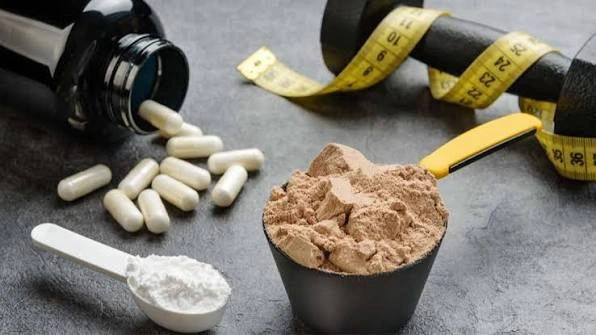
Branched-chain amino acids, or BCAAs, include leucine, isoleucine, and valine. They play roles in muscle metabolism, and leucine helps activate muscle protein synthesis.
However, BCAAs are already found in complete protein sources such as eggs, dairy, fish, meat, soy, and whey. People who eat enough high-quality protein may receive little additional value from a separate BCAA drink.
The NIH notes that it is unclear whether BCAA supplements build more muscle than consuming enough complete protein. rison, creatine has a more distinct role that is harder to reproduce through an ordinary diet. Food contains it, but supplementation provides a larger and more consistent amount.
BCAAs may still be convenient for someone training while fasting or eating a highly restricted diet. Nevertheless, a complete protein source generally offers all essential amino acids rather than only three.
Practical takeaway: When the budget is limited, prioritize a balanced diet, adequate protein, and a well-supported performance product before spending heavily on flavoured amino-acid drinks.
Creatine vs. Beta-Alanine
Beta-alanine supports the production of carnosine in muscle. Carnosine helps manage acidity during hard efforts that last longer than a very short explosive movement.
As a result, beta-alanine may suit activities such as:
- Repeated swimming intervals
- Combat sports
- Rowing
- High-intensity circuits
- Middle-distance track events
- Team sports with repeated hard efforts
Creatine is generally associated with rapid, powerful work, while beta-alanine may have greater relevance when intense exercise continues long enough for muscular acidity to become limiting.
Beta-alanine can cause a temporary tingling feeling, especially when a large amount is taken at once. This sensation is usually reduced by using divided doses.
Some athletes use both because the ingredients target different fatigue systems. However, beginners should first improve their training, sleep, hydration, and food intake rather than building an expensive supplement stack.
Creatine vs. Electrolytes
Electrolyte products contain minerals such as sodium, potassium, and magnesium. Their purpose is mainly to support fluid balance and replace minerals lost through sweat.
They can be useful during:
- Long training sessions
- Exercise in hot conditions
- Heavy sweating
- Endurance competition
- Illness involving fluid loss
Creatine does not replace electrolytes. A runner completing a long summer race has different needs from someone performing a 45-minute strength workout in an air-conditioned gym.
For an ordinary gym session, water and a balanced diet may be enough. During long, hot, or highly demanding exercise, an electrolyte drink can become more relevant.
In short, choose the product according to the physical problem. Use electrolytes for significant sweat loss and fluid management; use creatine for repeated high-intensity output and training support.
Are Gummies as Effective as Powder?

Creatine gummies have become popular because they are portable, sweet, and easy to take without mixing a drink.
They may work when they provide an accurate amount of a stable active ingredient. However, users should inspect the label carefully. Several gummies may be required to reach a normal daily serving, which can increase the cost and added-sugar intake.
Powder is usually easier to measure and more economical. It also makes it simpler to adjust the serving without eating several pieces.
Whatever format you choose, look for:
- A clearly stated amount per serving
- Minimal unnecessary ingredients
- Independent testing
- Proper storage instructions
- A realistic cost per effective dose
A fashionable format does not automatically improve absorption or performance.
Best Creatine for Men and Women
People searching for the best creatine for men may encounter products advertised with dark packaging, aggressive names, and claims about testosterone. Those design choices do not make the active ingredient more effective.
Similarly, the best creatine for women does not need pink packaging, smaller containers, or beauty-focused claims. Men and women generally use the same basic ingredient.
However, the research base has historically included more male participants. A 2025 review of active women found that some studies reported performance improvements, but many did not. The authors highlighted the small and varied evidence base and the need for better female-specific research. s not mean women cannot benefit. It means claims should remain measured rather than promising identical results for every group.
Choose a product based on ingredient quality, testing, serving accuracy, and value—not gendered marketing.
How Much Should You Take?
A common daily approach is 3 to 5 grams. This amount gradually increases muscle stores and does not require precise timing.
An optional loading phase uses about 20 grams daily, usually divided into four smaller servings, for five to seven days. After that, users normally move to 3 to 5 grams per day. The NIH describes both this loading approach and the lower maintenance range used in research. works faster, but it is not required. Taking a smaller daily serving can reach a similar destination more gradually.
Consistency matters more than whether you take it before or after training. Choose a routine that is easy to remember, such as mixing it into breakfast, a shake, or a post-workout drink.
Avoid dry-scooping powder, and follow the product’s serving instructions. Taking excessive amounts is unlikely to create proportionally better results.
Safety, Water Weight, and Common Concerns
The most noticeable early change is often an increase in scale weight. This usually reflects additional water stored with muscle creatine rather than rapid fat gain.
Some users experience stomach discomfort, particularly when taking a large serving at once. Dividing the amount or skipping the loading phase may improve tolerance.
Other reported creatine side effects can include bloating, temporary water-weight gain, or digestive upset. Serious problems appear uncommon in healthy adults using normal amounts, but individual medical risk still matters.
A 2026 systematic review and meta-analysis found that supplementation was associated with a small increase in serum creatinine but not significant changes in urea or estimated kidney filtration. The researchers also stated that longer trials beyond one year are still needed to strengthen renal-safety conclusions. tinction matters because creatinine is used in common kidney tests. Supplement users should tell their healthcare provider what they take so laboratory results can be interpreted properly.
Seek professional guidance before use when you:
- Have kidney or liver disease
- Are pregnant or breastfeeding
- Take medication that may affect kidney function
- Are under 18
- Have unexplained swelling or abnormal laboratory results
- Follow a medically restricted fluid or mineral plan
How to Choose a Reliable Product
A simple product is often the smarter product. Fancy blends can make it difficult to judge quality and value.
Use this checklist:
- Choose one clearly named active ingredient. Avoid formulas filled with unnecessary extras.
- Check the serving size. Confirm that one serving provides a practical daily amount.
- Look for independent certification. This is especially important for competitive athletes concerned about banned-substance contamination.
- Compare cost per serving. A cheaper container may actually cost more if each serving is underdosed.
- Avoid dramatic promises. No legal supplement creates instant muscle, replaces sleep, or compensates for poor training.
My practical takeaway is simple: select the least complicated option that provides a verified dose. Good supplementation should make your routine easier, not turn it into a chemistry project.
Conclusion
Creatine is one of the better-supported options for people focused on strength, power, repeated sprints, and productive resistance training. It is affordable, simple to use, and does not require complicated timing.
However, it is not automatically superior to every other product. Protein supplies building material for muscle. Caffeine improves alertness and may support endurance. Electrolytes replace minerals lost through sweat, while beta-alanine targets a different form of exercise fatigue.
Start by defining your goal. Then fix the basics: nutritious food, progressive training, hydration, recovery, and sleep. Once those habits are steady, a carefully selected supplement may provide a modest but useful advantage.
The most effective routine is rarely the one with the most containers. It is the one you can follow consistently and safely.
Frequently Asked Questions
Why do doctors say no to creatine?
Some doctors advise against it for people with kidney disease, abnormal test results, pregnancy, medication interactions, or limited medical monitoring. The recommendation depends on the person’s health rather than a universal ban.
Is creatine 100% safe?
No supplement is guaranteed to be completely safe for every person. Research generally supports normal use in healthy adults, but product quality, dose, medical conditions, and medications can affect risk.
Is creatine a side effect?
No. It is a compound naturally produced by the body and obtained from certain foods. Supplementation may cause effects such as water-weight gain or digestive discomfort in some users.
Is creatine OK to take every day?
Daily use is the standard approach because consistent intake keeps muscle stores elevated. Healthy adults commonly use 3 to 5 grams per day, while people with medical concerns should first speak with a healthcare professional.
How much creatine for 70 kg?
A 70-kilogram adult can generally use the standard 3-to-5-gram daily amount. An optional weight-based loading plan would equal about 21 grams per day, divided into smaller servings for five to seven days.
⭐ Make MindLiva Your Preferred Source on Google
Get trusted health, wellness, and lifestyle articles from MindLiva.
Add MindLiva
Samie Babaei is a medical science student at Shahid Beheshti University of Medical Sciences with a strong interest in health, wellness, and medical research. As a health writer and researcher at MindLiva, she focuses on creating clear, evidence-based content that helps readers better understand health and well-being.