



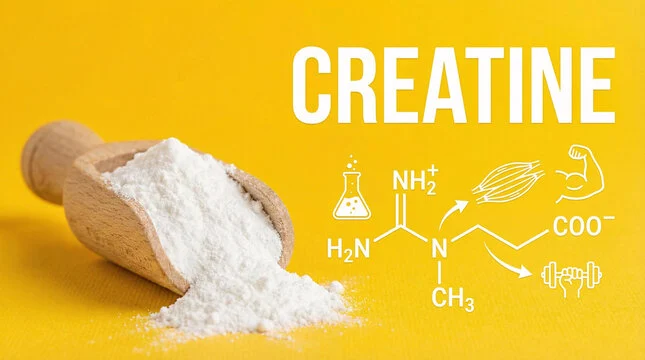
Creatine Monohydrate: Benefits, Safety & Complete Guide
Have you ever wondered why so many athletes, gym-goers, and even everyday fitness enthusiasts swear by one supplement? The answer often comes down to creatine monohydrate.
This well-researched supplement has remained one of the most trusted options in sports nutrition for decades. Unlike many products that rise and disappear with trends, it continues to earn support from scientists, coaches, and healthcare professionals because of consistent research findings.
In this guide, you’ll learn how it works, who can benefit from it, how to take it safely, common myths, possible drawbacks, and practical tips for getting the best results.
What Is creatine monohydrate?
Creatine monohydrate is a naturally occurring compound made from amino acids. Your body produces small amounts in the liver, kidneys, and pancreas. It is also found in foods like beef, pork, and fish.
Most of it is stored inside your muscles, where it helps produce quick energy during short, high-intensity activities such as:
- Weightlifting
- Sprinting
- Jumping
- High-intensity interval training
- Team sports
Many people mistakenly think supplements create new muscle overnight. However, they simply help your muscles produce energy more efficiently during demanding exercise.
Why Is It So Popular?
Unlike trendy supplements with limited evidence, this one has been studied in hundreds of clinical trials.
Researchers have consistently found improvements in:
- Strength
- Power output
- Muscle recovery
- Training performance
- Lean muscle gains over time
Moreover, it is affordable, widely available, and easy to use.
How Does creatine monohydrate Work?

Your muscles rely on ATP (adenosine triphosphate) as their main energy source.
During intense exercise, ATP runs out quickly. Stored phosphocreatine helps rebuild ATP rapidly, allowing your muscles to continue producing force for a little longer.
This means you may perform:
- One or two extra repetitions
- Faster sprints
- Better explosive movements
- More total training volume
Those small improvements can add up over weeks and months.
Energy Production Explained
Imagine your muscles as a rechargeable battery.
High-intensity exercise drains that battery very quickly. This supplement helps recharge it faster between powerful movements.
As a result, training quality often improves.
creatine benefits Backed by Science
Scientists continue to discover new advantages beyond the gym.
Some of the most recognized benefits include:
1. Increased Strength
Many resistance-training studies report noticeable improvements in lifting performance after several weeks.
2. Better Muscle Growth
It supports harder training sessions, which may lead to greater muscle development when combined with proper nutrition.
3. Improved Recovery
Some research suggests reduced muscle soreness after intense workouts.
4. Enhanced High-Intensity Performance
Sports involving repeated bursts of effort often show measurable improvements.
5. Brain Health Research
Emerging studies are exploring possible cognitive benefits, although more evidence is still needed.
What does creatine do Inside the Body?
Besides helping muscles produce energy, it increases phosphocreatine stores, allowing faster ATP regeneration.
Additionally, muscles often hold slightly more water inside the cells. This is considered normal and may support muscle function rather than simply causing unwanted water retention.
Who Can Benefit Most?
Although bodybuilders are famous for using it, many other people may benefit.
These include:
- Weightlifters
- Powerlifters
- Football players
- Basketball players
- Sprinters
- CrossFit athletes
- Recreational gym members
- Older adults doing resistance training
For example, an adult beginning strength training may notice better progress after several weeks compared with training alone.
Is It Only for Athletes?

Not at all.
Research is increasingly examining its role among:
- Healthy older adults
- Vegetarians
- Individuals with low dietary intake of animal products
- Active professionals who perform demanding exercise
However, supplementation should always match individual goals.
Loading Phase vs Daily Dose
There are two common methods.
Option 1: Loading Phase
- 20 grams daily
- Split into four servings
- Continue for 5–7 days
Then switch to maintenance.
Option 2: Daily Maintenance
Take:
- 3–5 grams each day
This method takes slightly longer to fully saturate muscle stores but works just as well over time.
When Should You Take It?
Timing matters less than consistency.
Many experts recommend taking it:
- After training
- With a meal
- Alongside carbohydrates and protein
Most importantly, take it every day.
Does It Cause Water Weight?
Yes—but not in the way many people fear.
Water is stored inside muscle cells rather than under the skin.
This often creates a fuller appearance instead of bloating.
Common Myths
Myth 1: It Damages Healthy Kidneys
Large scientific reviews have not found evidence that recommended doses harm healthy kidneys.
People with kidney disease should consult a physician first.
Myth 2: Only Men Should Use It
Women can benefit just as much from improved training performance.
Myth 3: You Must Cycle It
Current evidence suggests cycling is unnecessary for healthy individuals.
creatine side effects: What Should You Know?
Most users tolerate it very well.
Possible minor issues include:
- Mild stomach discomfort
- Temporary bloating
- Water retention during the first weeks
These problems often improve by splitting the daily dose and drinking enough water.
Nutrition Tips for Better Results
Supplements work best alongside healthy habits.
Focus on:
- Protein-rich meals
- Whole grains
- Fruits
- Vegetables
- Healthy fats
- Adequate hydration
Sleep also plays a major role in muscle recovery.
Should Beginners Use It?
Yes, if they already have a consistent workout routine.
However, beginners should prioritize:
- Exercise technique
- Balanced nutrition
- Sleep
- Training consistency
Supplements should support—not replace—these habits.
Best creatine for men
Many sports nutrition experts recommend choosing a simple, third-party tested micronized monohydrate product rather than expensive blends with unnecessary ingredients.
Quality certification is generally more important than flashy marketing.
Best creatine for women

Women looking to improve strength, resistance training performance, or overall fitness can usually follow the same evidence-based dosing recommendations as men, unless advised differently by a healthcare professional.
Are New Forms Better?
The supplement market continues introducing new versions.
Examples include:
- Buffered formulas
- Hydrochloride
- Nitrate
- Liquid products
- creatine gummies
Although these products may be convenient, research consistently shows that traditional monohydrate remains the most studied and cost-effective option.
Choosing a High-Quality Product
Look for:
- Third-party testing
- Transparent ingredient labels
- No unnecessary fillers
- Trusted manufacturers
- Good customer reviews
Avoid products making unrealistic promises such as “gain 20 pounds of muscle in one month.”
Expert Recommendations
Sports nutrition organizations generally recommend:
- Daily consistency
- Proper hydration
- Resistance training
- Balanced nutrition
- Medical advice for individuals with kidney disease or chronic health conditions
Evidence continues to support its safety for healthy adults when used responsibly.
Conclusion
Creatine monohydrate remains one of the most researched, affordable, and effective sports supplements available today. When paired with structured training, balanced nutrition, proper hydration, and adequate sleep, it can help improve strength, workout performance, and long-term muscle development.
Instead of chasing the latest supplement trends, focus on consistent habits supported by solid scientific evidence. Small improvements made every workout often produce impressive results over time.
Frequently Asked Questions
What does creatine monohydrate actually do?
It helps your muscles produce energy faster during high-intensity exercise, allowing improved strength, power, and workout performance.
Is creatine ok to take daily?
Yes. Most healthy adults can safely take 3–5 grams daily as part of a consistent fitness routine.
Why do doctors say no to creatine?
Doctors may advise against it for people with existing kidney disease or certain medical conditions. Healthy individuals should still consult a healthcare professional if they have concerns.
Does creatine have side effects?
Some people experience mild bloating, temporary water retention, or stomach discomfort, especially during the first week. These effects are usually manageable.
Can I take creatine if I don’t workout?
Yes, but the greatest benefits occur alongside regular resistance or high-intensity exercise. Without training, noticeable performance improvements are likely to be limited.
⭐ Make MindLiva Your Preferred Source on Google
Get trusted health, wellness, and lifestyle articles from MindLiva.
Add MindLiva
Samie Babaei is a medical science student at Shahid Beheshti University of Medical Sciences with a strong interest in health, wellness, and medical research. As a health writer and researcher at MindLiva, she focuses on creating clear, evidence-based content that helps readers better understand health and well-being.