



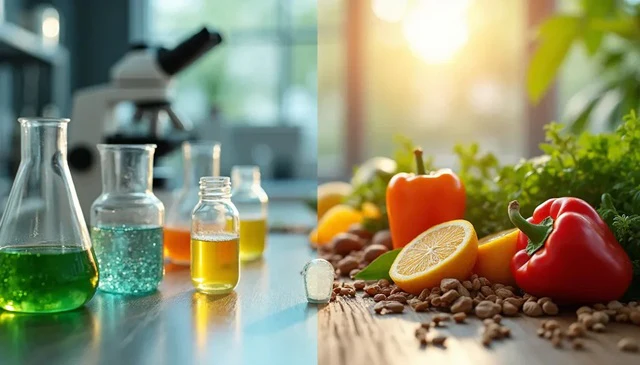
Vegan Collagen: The Plant-Based Secret to Healthier Skin
Have you ever wondered why some people seem to maintain glowing skin and healthy hair as they age? While genetics certainly play a role, nutrition is just as important. As more people embrace plant-based lifestyles, interest in vegan collagen has grown rapidly. Consumers are searching for products that align with their values while still supporting beauty and overall wellness.
Unlike traditional animal-derived products, vegan alternatives don’t actually contain animal proteins. Instead, they provide the nutrients your body needs to naturally produce its own structural proteins. That makes them appealing not only to vegans but also to anyone looking for a cleaner, more sustainable option.
In this guide, you’ll learn how vegan collagen works, whether it’s scientifically supported, its biggest advantages, how to choose the right supplement, and whether it’s worth adding to your daily routine.
Why Vegan Collagen Is Gaining Popularity
Health-conscious consumers are paying closer attention to what goes into their bodies than ever before. At the same time, environmental concerns and ethical food choices have encouraged many people to move away from animal-derived products.
Traditional collagen comes from cows, pigs, chickens, or fish. Plant-based alternatives take a completely different approach. Rather than supplying animal protein directly, they focus on delivering nutrients that encourage your body to produce its own collagen naturally.
This shift has made vegan collagen attractive for several reasons:
- Suitable for vegan and vegetarian diets
- Environmentally friendly
- Free from common animal allergens
- Often combined with antioxidant-rich plant extracts
- Easy to incorporate into daily wellness routines
Many dermatologists also emphasize that supporting collagen production requires more than one ingredient. Vitamins, minerals, hydration, sleep, and sun protection all work together to maintain healthy skin.
Understanding How Collagen Works
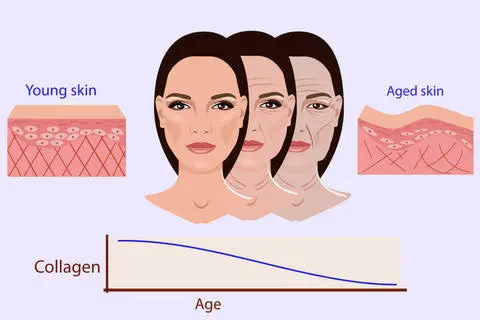
What does collagen do?
Think of collagen as the body’s natural scaffolding. It helps maintain the strength and structure of skin, bones, cartilage, tendons, ligaments, and blood vessels. Healthy collagen levels contribute to smoother skin, stronger nails, flexible joints, and healthy connective tissues.
As we grow older, natural production slows down. Around our mid-20s, the body begins producing less collagen each year. Environmental factors such as smoking, pollution, poor diet, excessive sunlight, and chronic stress can accelerate this decline.
This gradual reduction often appears as:
- Fine lines
- Wrinkles
- Reduced skin elasticity
- Brittle nails
- Joint discomfort
- Thinning hair
Why Natural Production Declines
Aging is the biggest factor, but lifestyle choices matter just as much. Ultraviolet rays damage collagen fibers, while excessive sugar intake may weaken the proteins that support skin firmness.
The encouraging news is that healthy habits—including proper nutrition—can help support your body’s natural production process.
Is Vegan Collagen Real?
This is probably the most common question people ask.
Technically speaking, plants do not produce human collagen. Instead, vegan collagen supplements contain carefully selected nutrients that stimulate your body’s own collagen synthesis.
Most high-quality products include ingredients such as:
- Vitamin C
- Zinc
- Copper
- Biotin
- Silica
- Amino acids
- Plant antioxidants
Vitamin C deserves special attention because it plays an essential role in collagen formation. Without adequate vitamin C, your body simply cannot efficiently build collagen fibers.
Researchers continue studying plant-derived compounds that may further enhance skin health through antioxidant protection and reduced inflammation.
Top Benefits of Vegan Collagen
The growing popularity of plant-based beauty supplements isn’t simply marketing hype. Many ingredients commonly found in vegan collagen formulas have been researched individually for their positive effects on skin and connective tissue.
Some potential benefits of collagen support systems include:
| Benefit | How It Helps |
| Healthier skin | Supports natural collagen production |
| Improved hydration | Plant antioxidants help maintain moisture |
| Better elasticity | May reduce the appearance of fine lines |
| Stronger hair | Nutrients support healthy follicles |
| Stronger nails | Helps reduce brittleness |
| Joint support | Nutrients contribute to connective tissue health |
Results vary from person to person, but consistency is often more important than taking very high doses.
Ingredients to Look For
Not every product is created equal. Reading ingredient labels carefully can help you choose a formula that actually supports collagen production.
Vitamin C
This is arguably the most important ingredient. It serves as a cofactor for enzymes responsible for collagen synthesis.
Amino Acids
Some formulas include plant-derived amino acid blends that provide the building blocks needed for protein formation.
Bamboo Silica
Silica is gaining attention because it may contribute to healthy skin, hair, and connective tissues.
Other valuable ingredients include:
- Acerola cherry
- Hyaluronic acid
- Sea buckthorn
- Pomegranate extract
- Green tea extract
- Zinc
- Copper
Some advanced products also feature prebiotic collagen protein, combining digestive support with nutrients aimed at promoting healthier skin from within.
Vegan Collagen vs Marine Collagen

One of the biggest debates in the wellness industry compares marine products with plant-based alternatives.
| Feature | Vegan Collagen | Marine Collagen |
| Source | Plants | Fish |
| Vegan-friendly | Yes | No |
| Sustainability | Higher | Moderate |
| Allergens | Lower | Fish allergy risk |
| Supports natural production | Yes | Provides collagen peptides directly |
Marine products contain actual collagen peptides, while vegan products encourage your own body to produce collagen naturally. The better choice depends on your dietary preferences, allergies, and lifestyle goals.
Choosing the Best Product
Shopping can quickly become overwhelming because hundreds of supplements now claim to boost skin health.
Here are a few practical tips:
- Look for clinically studied ingredients.
- Check the amount of vitamin C included.
- Choose products with transparent labeling.
- Avoid unnecessary fillers.
- Buy from reputable manufacturers with third-party testing.
If you’re specifically searching for the best collagen for women, remember that age, diet, hormonal changes, and overall nutrition matter more than marketing labels. A well-balanced formula designed for overall collagen support often provides the greatest value.
Can Food Help Support Natural Collagen Production?
Supplements can be useful, but they should never replace a nutritious diet. Your body relies on a wide variety of nutrients to build and maintain healthy connective tissues. Eating a balanced selection of fruits, vegetables, legumes, nuts, and seeds provides vitamins, minerals, antioxidants, and amino acids that work together to support natural collagen synthesis.
Although plants do not contain collagen itself, they are packed with compounds that help your body produce it. Citrus fruits, strawberries, kiwi, bell peppers, broccoli, spinach, pumpkin seeds, sunflower seeds, almonds, chickpeas, and lentils all contribute important nutrients such as vitamin C, zinc, copper, and plant proteins.
You may also hear people talking about foods high in collagen. These foods are generally animal-based, such as bone broth, chicken skin, fish skin, and beef. If you follow a vegan lifestyle, the goal shifts from consuming collagen directly to giving your body everything it needs to make its own. This approach fits well with current research emphasizing overall dietary quality rather than relying on a single ingredient.
A practical daily routine could include a smoothie with berries, spinach, flaxseed, and fortified plant milk in the morning, a colorful salad with chickpeas at lunch, and a dinner featuring tofu, quinoa, and roasted vegetables. Combined with adequate hydration and regular exercise, these habits can have a noticeable impact on skin health over time.
Lifestyle Habits That Maximize Results
Even the highest-quality supplement cannot compensate for poor lifestyle habits. Healthy skin reflects your overall well-being, which means your daily choices matter just as much as the products you buy.
If your goal is youthful-looking skin, focus on these habits:
- Wear sunscreen every day to reduce UV damage.
- Eat plenty of colorful fruits and vegetables.
- Stay hydrated throughout the day.
- Get seven to nine hours of quality sleep.
- Exercise regularly to improve circulation.
- Avoid smoking and excessive alcohol consumption.
- Manage stress through meditation, walking, or hobbies.
These simple practices help protect existing collagen fibers while supporting your body’s natural repair processes. Think of them as building a strong foundation—supplements work best when they complement an already healthy lifestyle.
What Does the Research Say?

Scientific interest in plant-based beauty nutrition continues to grow. Studies have consistently shown that nutrients such as vitamin C, zinc, copper, and antioxidants are essential for normal collagen formation and skin maintenance. Researchers also continue exploring botanical extracts that may help reduce oxidative stress, one of the major contributors to visible skin aging.
Experts generally agree that no supplement can completely stop aging or erase wrinkles overnight. Instead, the best results come from long-term consistency. Many users notice improvements in skin hydration, smoothness, and nail strength after several weeks or months of combining a healthy diet with a quality plant-based supplement.
Another important point is that individual results vary. Genetics, age, hormone levels, sun exposure, sleep quality, and overall nutrition all influence how quickly your skin responds. Setting realistic expectations helps you appreciate gradual improvements rather than expecting dramatic overnight changes.
Are There Any Side Effects?
Most vegan collagen products are considered safe for healthy adults when used according to the manufacturer’s directions. Because they are made from plant-derived ingredients, they are often suitable for people who avoid animal products for ethical, religious, or environmental reasons.
However, you should still read ingredient labels carefully. Some formulas may contain soy, gluten, tree nuts, or herbal extracts that can trigger allergies or interact with medications. Pregnant or breastfeeding individuals and anyone with a medical condition should consult a healthcare professional before starting any new dietary supplement.
If you experience digestive discomfort or an allergic reaction after taking a product, discontinue use and seek medical advice. Choosing reputable brands with third-party testing can help minimize the risk of contaminants or inaccurate labeling.
Conclusion
Vegan collagen represents a modern approach to supporting healthy skin, hair, and connective tissues without relying on animal-derived ingredients. Rather than supplying collagen directly, these products nourish your body’s natural production process through carefully selected vitamins, minerals, amino acids, and botanical extracts.
While no supplement can replace healthy habits, combining a balanced plant-based diet, proper hydration, regular exercise, quality sleep, and sun protection creates the ideal environment for healthy aging. If you value sustainability, ethical choices, and evidence-based wellness, vegan collagen may be a worthwhile addition to your daily routine.
The secret to glowing skin isn’t found in a miracle product—it’s built through consistent, healthy choices every day.
Frequently Asked Questions
Is vegan collagen possible?
Yes. Plants do not produce collagen, but vegan collagen supplements provide nutrients that help your body naturally make its own collagen.
Is vegan collagen worth it?
For many people, yes. When combined with a healthy lifestyle, a quality vegan collagen formula may support healthier-looking skin, stronger nails, and overall wellness.
Which is better: marine collagen or vegan collagen?
Marine collagen provides collagen directly, while vegan collagen supports your body’s natural production. The better choice depends on your dietary preferences, allergies, and sustainability goals.
Are there side effects of vegan collagen?
Most people tolerate vegan collagen well. Always check ingredient labels for allergens and consult a healthcare provider if you have underlying health conditions.
Who should avoid taking collagen?
People with allergies to specific ingredients, those taking medications that may interact with herbal components, or individuals with certain medical conditions should seek medical advice before using any collagen-support supplement.
⭐ Make MindLiva Your Preferred Source on Google
Get trusted health, wellness, and lifestyle articles from MindLiva.
Add MindLiva
Samie Babaei is a medical science student at Shahid Beheshti University of Medical Sciences with a strong interest in health, wellness, and medical research. As a health writer and researcher at MindLiva, she focuses on creating clear, evidence-based content that helps readers better understand health and well-being.