



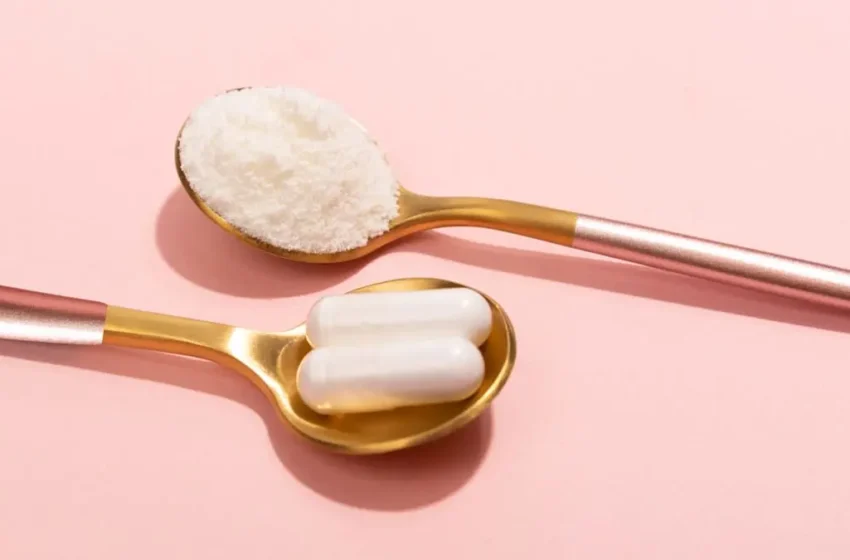
Collagen Supplements for Skin: Do They Really Work? Benefits, Safety & What to Expect
Have you ever looked in the mirror and wondered why your skin doesn’t feel as firm or smooth as it once did? You’re certainly not alone. As we age, our bodies naturally produce less collagen, causing wrinkles, dryness, and reduced elasticity to appear over time. Because of this, collagen supplements have become one of the fastest-growing wellness products in the world, promising youthful skin from the inside out.
But are these promises supported by science, or are they simply clever marketing? That’s the question many people ask before spending money on powders, capsules, and drinks that claim to restore youthful skin.
This guide explores what collagen really is, how supplements work, what current research suggests, and whether they’re truly worth adding to your daily routine. You’ll also learn practical ways to naturally protect your skin and support healthy collagen production for years to come.
What Is Collagen and Why Does Your Skin Need It?
Collagen is the most abundant structural protein in the human body. It acts like the framework of a building, holding together your skin, bones, muscles, tendons, and connective tissues. Without enough collagen, skin gradually loses its firmness and elasticity, making wrinkles and fine lines more noticeable.
Scientists have identified at least 28 different types of collagen, although only a handful play major roles in human health. Type I collagen is the most common and is found mainly in skin, bones, and tendons. Type II primarily supports cartilage, while Type III contributes to skin structure and blood vessels.
Beginning around the age of 25, collagen production naturally starts to decline. Environmental factors such as excessive sun exposure, smoking, chronic stress, poor nutrition, lack of sleep, and high sugar intake can accelerate this process. As collagen fibers break down faster than the body replaces them, the skin gradually becomes thinner, drier, and less resilient.
The beauty industry has responded by introducing countless collagen-based products, from creams and serums to powders and beverages. While topical skincare can improve hydration and temporarily enhance skin appearance, orally consumed collagen works differently. Instead of acting on the skin’s surface, supplements aim to provide amino acids that the body may use to rebuild connective tissues throughout the body.
Understanding this difference is essential because collagen supplements are not magic pills. They support the body’s natural repair processes rather than instantly replacing lost collagen.
How Do Collagen Supplements Work?
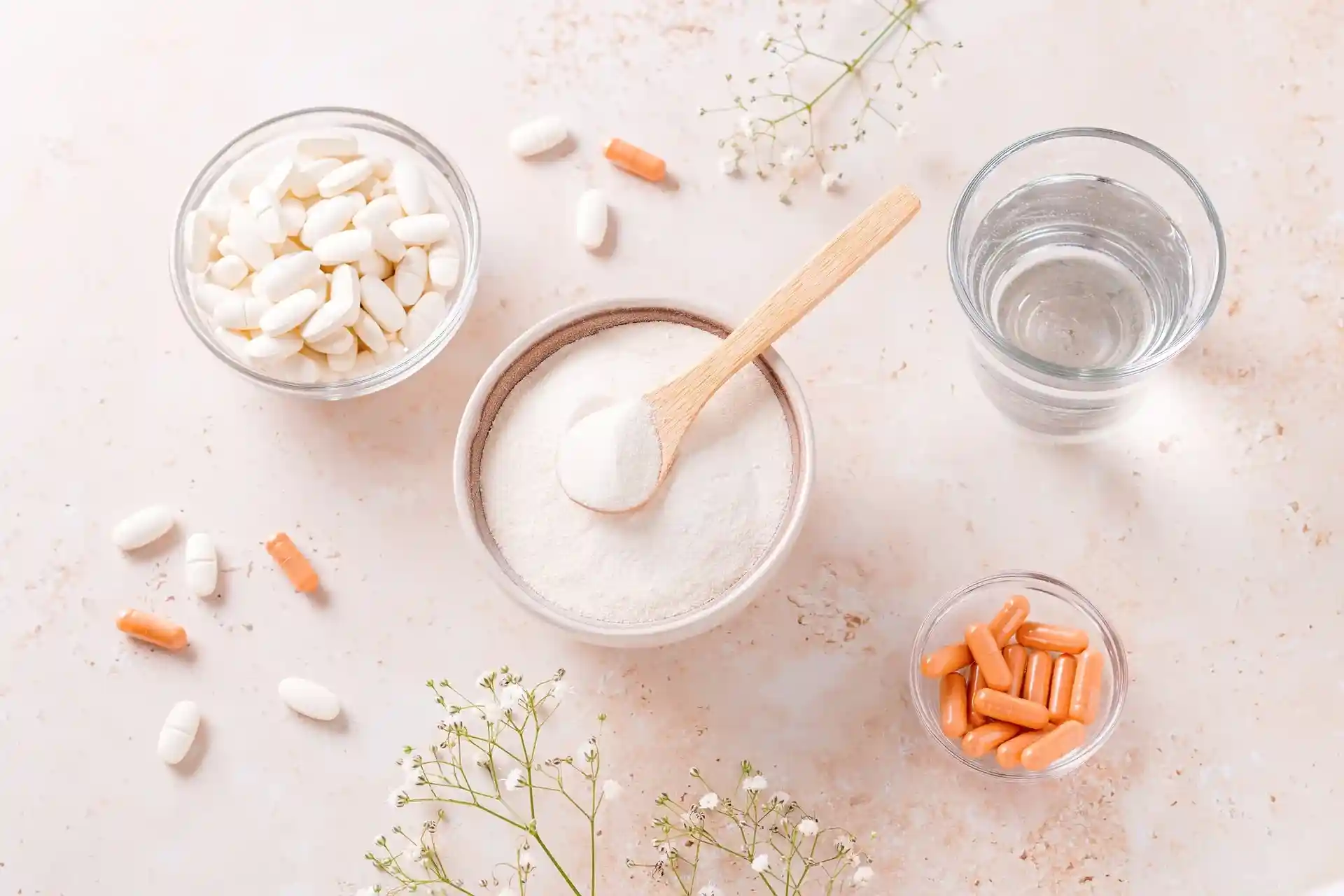
Unlike skincare creams that stay on the surface of your skin, oral collagen supplements are first digested inside the stomach and small intestine. During digestion, collagen proteins break down into smaller amino acids and tiny protein fragments. These components enter the bloodstream, where the body can use them to build various proteins—not only collagen but also muscles, enzymes, and other tissues.
Many modern supplements use collagen peptides, which are hydrolyzed into smaller pieces that dissolve easily in water and are more readily absorbed during digestion. While this improves absorption compared with larger protein molecules, it does not guarantee that every absorbed peptide will become skin collagen. The body distributes amino acids wherever they are needed most.
Clinical studies over the past decade have suggested that regular collagen supplementation may improve skin hydration, elasticity, and overall appearance in some healthy adults, especially when taken consistently for 8 to 12 weeks. Researchers believe certain collagen-derived peptides may stimulate fibroblasts—the skin cells responsible for producing collagen and elastin—to increase their activity.
However, results vary among individuals. Factors such as age, diet, genetics, lifestyle, and overall health all influence how noticeable the improvements may be. Someone who maintains a balanced diet, protects their skin from excessive sunlight, and avoids smoking is more likely to benefit than someone with multiple lifestyle factors that damage collagen every day.
Rather than viewing collagen supplements as a miracle cure, experts recommend considering them one component of a broader skin-health strategy that includes nutritious food, hydration, quality sleep, regular exercise, and daily sun protection.
What Does Science Say About Collagen Supplements?
Interest in collagen supplements has increased dramatically over the past few years, and so has scientific research. Dermatologists and nutrition scientists have been studying whether these supplements genuinely improve skin or whether their popularity is driven mainly by marketing. The encouraging news is that several clinical studies suggest collagen supplementation may provide measurable skin benefits. Many participants who consumed collagen daily for several weeks experienced improvements in skin hydration, elasticity, and wrinkle appearance. These changes are generally modest rather than dramatic, but they indicate that collagen supplements may play a supportive role in maintaining healthy skin.
At the same time, researchers emphasize that collagen supplements are not miracle products. Most studies examine healthy adults taking collagen consistently for eight to twelve weeks, often alongside a balanced diet. Results vary depending on age, genetics, lifestyle, and the quality of the supplement itself. Someone who smokes, spends excessive time in the sun, or consumes a diet high in processed sugar may not experience the same improvements as someone who follows healthy habits. This highlights an important point: supplements work best as part of an overall healthy lifestyle rather than as a replacement for it.
Scientists also continue to investigate exactly how collagen peptides influence skin cells. Current evidence suggests that collagen-derived amino acids may stimulate fibroblasts, the cells responsible for producing collagen, elastin, and other components that keep skin firm and resilient. Although more large-scale studies are still needed, the existing body of evidence is promising enough that many dermatologists now consider collagen supplements a reasonable option for individuals seeking additional support for skin health.
Benefits of Collagen for Skin Health

The popularity of collagen supplements comes largely from their potential beauty benefits. While expectations should remain realistic, many users notice gradual improvements after several weeks of consistent use. These benefits occur because collagen provides essential building blocks that help support the skin’s natural repair processes rather than instantly reversing aging.
Some of the most commonly reported advantages include:
- Improved skin hydration
- Better skin elasticity
- Reduced appearance of fine lines
- Smoother skin texture
- Support for the skin barrier
- Healthier-looking complexion
Hydration is often the first noticeable improvement. Well-hydrated skin appears plumper, softer, and more radiant. Better hydration can also make fine lines less visible because the skin retains moisture more effectively. Elasticity is another important factor. As collagen declines with age, skin becomes less able to bounce back after stretching. Supporting collagen production may help preserve this natural flexibility.
It is equally important to understand what collagen cannot do. Supplements cannot erase deep wrinkles overnight, replace cosmetic procedures, or stop the aging process completely. Aging is influenced by genetics, hormones, environmental exposure, and overall health. Collagen should therefore be viewed as one useful tool within a complete skincare strategy that includes sunscreen, quality sleep, proper hydration, and balanced nutrition.
Collagen-Rich Foods vs. Supplements
Many people wonder whether they should simply eat collagen-rich foods instead of buying supplements. The answer depends on individual preferences, dietary habits, and nutritional needs. Foods naturally containing collagen include bone broth, chicken skin, fish skin, pork skin, and slow-cooked connective tissues. These foods provide collagen along with additional nutrients such as protein and minerals.
However, your body does not absorb whole collagen directly into the skin. Whether collagen comes from food or supplements, it is first broken down into amino acids during digestion. This means the body ultimately decides how to use those amino acids based on its priorities. Eating collagen-rich foods can certainly contribute to overall protein intake, but supplements offer a concentrated and convenient source that is easier to measure consistently.
Your body also needs supporting nutrients to build collagen efficiently. These include:
| Nutrient | Why It Matters | Common Food Sources |
| Vitamin C | Essential for collagen production | Oranges, kiwi, strawberries, bell peppers |
| Protein | Supplies amino acids | Eggs, poultry, fish, beans |
| Zinc | Supports tissue repair | Pumpkin seeds, beef, chickpeas |
| Copper | Helps collagen formation | Nuts, shellfish, whole grains |
| Vitamin A | Supports healthy skin cells | Sweet potatoes, carrots, spinach |
Instead of choosing between food and supplements, many nutrition experts recommend combining both. A protein-rich diet, plenty of fruits and vegetables, and a high-quality collagen supplement may provide the most comprehensive nutritional support for healthy skin.
Which Type of Collagen Is Best?
Not every collagen supplement is identical. Different products contain different collagen types, sources, and manufacturing processes. Understanding these differences helps consumers choose products that match their goals.
Type I collagen is the most abundant form in the body and is generally considered the best choice for skin health because it makes up most of the skin’s structural framework. Type III often accompanies Type I and supports skin elasticity as well as blood vessels. Type II collagen is mainly associated with cartilage and joint health rather than skin.
Marine collagen, derived from fish, has become increasingly popular because of its high concentration of Type I collagen. Bovine collagen, sourced from cows, usually contains Types I and III and is widely available. Chicken collagen primarily supplies Type II collagen and is commonly marketed for joint support.
When choosing a supplement, quality matters more than marketing claims. Look for products that undergo third-party testing, clearly list their ingredients, and avoid unnecessary fillers or excessive added sugars. Products that provide transparent manufacturing information often inspire greater confidence than those relying solely on celebrity endorsements or exaggerated promises.
Who May Benefit Most from Collagen Supplements?
Although collagen supplements are widely marketed to almost everyone, they may be more beneficial for certain groups of people. As we age, our natural collagen production steadily declines, making adults over the age of 30 the most likely to notice changes in skin firmness and elasticity. People with dry skin, frequent sun exposure, or lifestyles that place extra stress on the skin may also find collagen supplements helpful when combined with healthy daily habits.
Athletes and physically active individuals sometimes take collagen for reasons beyond skin health. Because collagen is an important component of tendons, ligaments, and cartilage, some research suggests it may support joint comfort and connective tissue recovery. While this article focuses on skin, these additional benefits are one reason collagen has become popular in the sports nutrition industry.
Those recovering from illness or following diets that provide limited protein may also consider collagen supplements after discussing them with a healthcare professional. However, collagen should never replace a balanced diet. Whole foods provide vitamins, minerals, healthy fats, and antioxidants that work together to support skin health in ways that supplements alone cannot.
Pregnant or breastfeeding women, individuals with kidney disease, or people with food allergies should consult their healthcare provider before beginning any supplement. Marine collagen, for example, may not be suitable for those with fish allergies, while bovine collagen may not fit certain dietary or religious preferences.
Are There Any Side Effects?

For most healthy adults, collagen supplements are considered safe when taken according to the recommended serving size. Clinical studies generally report very few adverse effects, and when side effects occur, they are usually mild and temporary.
Some people experience:
- Mild stomach discomfort
- A feeling of fullness
- Bloating
- Heartburn
- An unpleasant aftertaste with certain products
These symptoms often improve by taking collagen with food or switching to another brand. The quality of the supplement also matters. Products containing unnecessary fillers, artificial sweeteners, or excessive additives may increase the likelihood of digestive discomfort.
Another consideration is product quality. Because dietary supplements are not regulated exactly like prescription medications in many countries, consumers should choose reputable manufacturers that use third-party testing for purity and quality. Reading ingredient labels carefully can help avoid allergens and unnecessary ingredients.
Common Myths About Collagen
The growing popularity of collagen has also led to widespread misconceptions. Separating fact from fiction helps consumers make informed decisions instead of relying on unrealistic marketing promises.
Myth 1: Collagen removes wrinkles overnight
No supplement can erase wrinkles within days. Skin renewal is a gradual biological process that typically takes several weeks or months.
Myth 2: More collagen always means better results
Taking extremely high doses does not necessarily produce better outcomes. Once your protein needs are met, excess amino acids are simply used elsewhere or broken down by the body.
Myth 3: Collagen works without a healthy lifestyle
Even the highest-quality supplement cannot fully compensate for smoking, excessive sun exposure, poor sleep, chronic stress, or an unhealthy diet.
Myth 4: All collagen supplements are identical
Different collagen types serve different purposes. Choosing a supplement designed for skin health is more important than simply selecting the most expensive option.
Understanding these myths allows consumers to set realistic expectations and appreciate collagen as part of a comprehensive wellness routine rather than a miracle solution.
Natural Ways to Boost Collagen Production
Supplements are only one piece of the puzzle. Your daily habits have a much greater influence on collagen production than any single product. Supporting your body’s natural ability to produce collagen often provides long-term benefits for both skin appearance and overall health.
Here are several evidence-based habits that help protect collagen:
- Eat enough protein from lean meats, fish, eggs, beans, and dairy.
- Consume vitamin C-rich foods such as oranges, strawberries, kiwi, broccoli, and bell peppers.
- Wear sunscreen every day to reduce UV damage that breaks down collagen fibers.
- Avoid smoking, which significantly accelerates collagen loss.
- Limit excess sugar, as high sugar intake contributes to collagen damage through glycation.
- Sleep seven to nine hours each night to support skin repair.
- Exercise regularly, improving circulation and supporting healthy tissue maintenance.
- Stay hydrated, allowing skin to maintain its natural barrier and elasticity.
Combining these habits with collagen supplementation creates a stronger foundation for healthy skin than relying on supplements alone.
Conclusion
Collagen supplements are not magic pills, but they are not empty promises either. Current scientific evidence suggests they may improve skin hydration, elasticity, and the appearance of fine lines when used consistently over several weeks. The results are generally modest, and individual experiences vary depending on age, lifestyle, diet, and overall health.
The most effective approach combines collagen supplementation with healthy daily habits. Eating a nutrient-rich diet, protecting your skin from excessive sunlight, staying hydrated, exercising regularly, and getting enough sleep all contribute to stronger natural collagen production. Rather than searching for a quick fix, think of collagen as one supportive tool within a complete skincare routine.
If your goal is healthier, more resilient skin over the long term, consistency matters far more than expecting overnight transformation. Small improvements, maintained over months and years, often produce the most meaningful results.
Frequently Asked Questions
What is collagen good for?
Collagen helps support healthy skin, joints, bones, tendons, ligaments, and connective tissues. It contributes to skin firmness, elasticity, and overall structural strength.
Which food is rich in collagen?
Bone broth, fish skin, chicken skin, pork skin, and slow-cooked connective tissues naturally contain collagen. Foods rich in vitamin C also help your body produce collagen.
What happens to your body when you start taking collagen?
Some people notice improved skin hydration and smoother skin after several weeks. Others may also experience benefits for joint comfort and nail strength, although results vary.
Is it good to take collagen every day?
For most healthy adults, daily collagen supplementation is considered safe when taken as directed. Consistency is important because noticeable skin improvements usually develop gradually.
Which type of collagen is best?
For skin health, Type I collagen is generally considered the best choice because it makes up most of the skin’s structural framework. Supplements containing Types I and III are also commonly recommended for maintaining healthy skin.
⭐ Make MindLiva Your Preferred Source on Google
Get trusted health, wellness, and lifestyle articles from MindLiva.
Add MindLiva
Samie Babaei is a medical science student at Shahid Beheshti University of Medical Sciences with a strong interest in health, wellness, and medical research. As a health writer and researcher at MindLiva, she focuses on creating clear, evidence-based content that helps readers better understand health and well-being.