




Life-Saving Suicide Prevention Facts You Should Know
Mental health affects every part of our lives, yet many people still struggle in silence. Every year, millions of individuals experience emotional pain, depression, anxiety, or overwhelming stress that can make life feel impossible. Knowing the right information can make a meaningful difference because early recognition and timely support often prevent a crisis from becoming a tragedy.
This guide explores important suicide prevention facts, explains common warning signs, discusses protective factors, and highlights practical actions anyone can take. You’ll also learn how families, schools, workplaces, healthcare providers, and communities work together to build safer environments where people feel heard, valued, and supported.
Why Suicide Prevention Facts Matter More Than Ever
Mental health conversations have become more open over the last decade. Even so, stigma continues to prevent many individuals from asking for help. Research from organizations such as the World Health Organization (WHO) and the U.S. Centers for Disease Control and Prevention (CDC) shows that suicide remains a significant public health challenge worldwide, affecting people of every age, gender, and background.
Understanding accurate information matters because myths often create barriers. Some people mistakenly believe that talking about suicide encourages suicidal behavior. In reality, compassionate conversations can reduce isolation and encourage someone to seek professional support. Another common misconception is that warning signs always appear clearly. However, many individuals hide emotional pain, making awareness even more important.
Education empowers families, teachers, coworkers, friends, and healthcare professionals to recognize when someone may need help. Every informed conversation contributes to a culture where seeking mental health care is viewed as a sign of strength rather than weakness.
Understanding Suicide: A Complex Public Health Issue
Suicide is rarely caused by a single event. Instead, it usually develops through a combination of biological, psychological, environmental, and social factors. Depression, anxiety disorders, substance misuse, trauma, chronic pain, financial hardship, relationship difficulties, discrimination, and major life transitions may all increase risk.
At the same time, many people facing these challenges never become suicidal. Protective factors such as supportive relationships, access to quality healthcare, healthy coping skills, strong community connections, and effective treatment greatly reduce risk.
Mental health experts emphasize that suicidal thoughts are often temporary, even though the emotional pain feels overwhelming in the moment. With timely intervention, therapy, medication when appropriate, crisis support, and ongoing care, recovery is possible for many individuals.
Common Suicide Prevention Facts Everyone Should Know
Many evidence-based findings help people better understand suicide risk and prevention. Some of the most important include:
| Fact | Why It Matters |
| Suicide is preventable in many cases | Early intervention can save lives. |
| Most people who struggle show warning signs | Friends and family can often notice changes. |
| Asking about suicidal thoughts does not increase risk | Honest conversations encourage help-seeking. |
| Mental illness is only one contributing factor | Social, emotional, and environmental issues also matter. |
| Recovery is possible | Professional treatment and support improve outcomes. |
These facts encourage action rather than fear. They remind us that every caring conversation has the potential to make a difference.
Recognizing the Warning Signs Early
One of the most valuable suicide prevention facts is that behavioral changes often appear before a crisis. While no single sign confirms suicidal intent, several warning signals deserve immediate attention.
A person may begin withdrawing from friends and family, lose interest in activities they once enjoyed, experience dramatic mood changes, or express feelings of hopelessness. Others may suddenly give away meaningful belongings, talk about being a burden, or mention feeling trapped with no way out.
Physical changes also matter. Sleeping too much or too little, significant appetite changes, increased alcohol or drug use, neglecting personal hygiene, or declining work and school performance may all indicate emotional distress.
The earlier these warning signs are recognized, the greater the opportunity for supportive intervention.
Risk Factors That Increase Vulnerability
Understanding risk factors helps communities identify where additional support may be needed. Risk does not guarantee that someone will attempt suicide, but it signals situations requiring greater awareness.
Some common risk factors include:
- Previous suicide attempts
- Depression or other mental health disorders
- Substance use disorders
- Family history of suicide
- Exposure to violence or trauma
- Social isolation
- Chronic illness or persistent pain
- Major financial or relationship stress
- Easy access to lethal means
Risk factors often overlap. For example, someone coping with job loss while managing untreated depression and social isolation may face a significantly higher level of emotional distress than someone experiencing only one challenge.
Recognizing these overlapping circumstances encourages earlier support instead of waiting until a crisis develops.
Protective Factors That Save Lives
Just as risks exist, protective factors also play a powerful role in reducing suicide risk.
Supportive family relationships often provide emotional stability during difficult times. Friends who check in regularly, mentors who listen without judgment, and coworkers who notice changes all contribute to a stronger safety net.
Access to mental healthcare remains one of the strongest protective factors. Therapy, counseling, crisis intervention, medication when needed, and community support services help people develop healthier coping skills and rebuild hope.
Healthy lifestyle habits—including regular exercise, quality sleep, balanced nutrition, stress management, and meaningful social connections—also strengthen emotional resilience over time.
How to Help Someone Who May Be Struggling
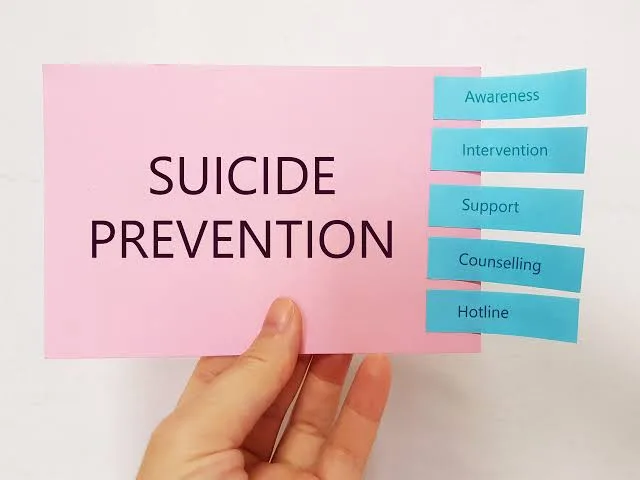
Helping someone begins with genuine compassion. Instead of trying to solve every problem immediately, focus on listening carefully and showing that you care.
Choose a quiet place where the person feels comfortable. Express concern based on specific behaviors you’ve noticed rather than making assumptions. For example, you might say, “I’ve noticed you’ve seemed overwhelmed lately, and I’m worried about you.”
Allow the person to talk openly without interrupting or judging. If you believe they may be thinking about suicide, asking directly and calmly about suicidal thoughts can open the door to honest conversation and professional help.
Encourage them to contact a mental health professional, trusted family member, or local crisis service. If there is an immediate danger that someone may harm themselves, contact emergency services or local crisis resources immediately and remain with the person whenever possible.
The Importance of Suicide Prevention Awareness
Building suicide prevention awareness is one of the most effective ways to reduce stigma and encourage people to seek help before reaching a crisis point. Awareness campaigns in schools, workplaces, healthcare settings, and local communities educate people about mental health, warning signs, and available support services.
When communities openly discuss emotional well-being, individuals are less likely to feel ashamed about asking for help. Employers can provide employee assistance programs, schools can offer counseling services, and families can create safe spaces where loved ones feel comfortable talking about their emotions. Even simple actions—checking in on a friend, listening without judgment, or encouraging professional support—can make a significant difference.
Awareness is not limited to one month or one campaign. It is an ongoing effort that promotes empathy, reduces misconceptions, and reminds people that no one has to face emotional struggles alone.
Suicide Prevention for Teens: Why Young People Need Extra Support
Adolescence is a period of rapid emotional, physical, and social change. Academic pressure, social media, bullying, family conflicts, identity development, and relationship challenges can sometimes feel overwhelming. This makes suicide prevention for teens an essential part of school and community mental health initiatives.
Parents and caregivers should pay close attention to changes in behavior, mood, sleep patterns, academic performance, and friendships. Teachers and coaches also play an important role because they often notice changes that families may not immediately see.
Creating a supportive environment means encouraging open conversations, validating emotions, teaching healthy coping skills, and ensuring teenagers know how to access professional help when needed. Young people who feel heard and supported are more likely to seek assistance before their struggles become severe.
How Suicide Prevention Programs Make Communities Safer
Many communities have developed effective suicide prevention programs that combine education, screening, crisis intervention, and follow-up care. These programs aim to identify individuals at risk early and connect them with appropriate mental health services.
Successful programs often include:
- Mental health education in schools.
- Workplace wellness initiatives.
- Crisis hotline services.
- Community awareness campaigns.
- Gatekeeper training for teachers, healthcare workers, and community leaders.
- Post-crisis follow-up and ongoing counseling.
Research consistently shows that communities investing in comprehensive prevention strategies experience improved mental health outcomes and increased awareness of available resources.
Myths vs. Facts
Many myths continue to prevent people from seeking or offering help. Understanding the facts encourages compassionate action.
| Myth | Fact |
| Talking about suicide causes suicidal thoughts. | Open, caring conversations can reduce isolation and encourage professional support. |
| Only people with mental illness attempt suicide. | Many biological, social, emotional, and environmental factors may contribute. |
| People who seem happy are never at risk. | Some individuals hide emotional pain very well. |
| Someone who asks for help is only seeking attention. | Every expression of emotional distress should be taken seriously. |
| Recovery isn’t possible. | With timely treatment and support, many people recover and build meaningful lives. |
What Families, Friends, and Communities Can Do

Preventing suicide is a shared responsibility. Although mental health professionals provide treatment, everyday relationships often provide the first opportunity to recognize someone in distress.
You can help by:
- Listening without interrupting.
- Taking every warning sign seriously.
- Encouraging professional support.
- Staying connected through regular check-ins.
- Helping reduce stigma around mental health.
- Learning basic crisis response skills.
- Promoting healthy coping strategies.
- Supporting long-term recovery.
Small acts of kindness often have a greater impact than people realize.
Conclusion
Learning suicide prevention facts empowers people to recognize warning signs, challenge harmful myths, and respond with compassion when someone needs support. Every conversation about mental health helps reduce stigma and encourages individuals to seek assistance before a crisis develops.
Although emotional pain can feel overwhelming, recovery is possible with the right support, treatment, and community connections. Families, schools, workplaces, healthcare professionals, and friends all play important roles in creating environments where people feel safe asking for help.
Hope begins with awareness, continues through connection, and grows stronger when we remind one another that no one has to face life’s hardest moments alone.
Frequently Asked Questions
What are some facts about suicide prevention?
Suicide prevention focuses on recognizing warning signs early, encouraging open conversations, reducing stigma, and connecting people with professional support. Early intervention has been shown to save lives.
What are the 5 P’s of suicide prevention?
A commonly used framework includes Prevention, Protection, Partnership, Prompt intervention, and Postvention. Different organizations may use slightly different versions.
What are the 3 C’s of suicide prevention?
Many mental health educators describe the 3 C’s as Care, Connect, and Communicate—show concern, connect the person with support, and communicate openly without judgment.
What is the biggest prevention of suicide?
The most effective approach combines early identification, timely mental healthcare, supportive relationships, reduced stigma, and easy access to crisis services.
What are the 4 P’s of suicide prevention?
Some educational programs describe the 4 P’s as Prepare, Prevent, Protect, and Provide Support, emphasizing awareness, intervention, and ongoing care.
⭐ Make MindLiva Your Preferred Source on Google
Get trusted health, wellness, and lifestyle articles from MindLiva.
Add MindLiva
Samie Babaei is a medical science student at Shahid Beheshti University of Medical Sciences with a strong interest in health, wellness, and medical research. As a health writer and researcher at MindLiva, she focuses on creating clear, evidence-based content that helps readers better understand health and well-being.