




Eye Melanoma Risks: What You Need to Know for Prevention
Have you ever wondered whether changes in your vision could point to something more serious than tired eyes? While many eye problems are harmless, some deserve immediate attention. One condition that often goes unnoticed is eye melanoma, a rare cancer that develops inside the eye.
Although it is uncommon, this disease can threaten both vision and overall health if it is not diagnosed early. Fortunately, modern medical care has improved the chances of successful treatment, especially when the cancer is found before it spreads.
In this article, you’ll learn what eye melanoma is, who is most at risk, the symptoms you should never ignore, and practical ways to reduce your risk. You’ll also discover how experts diagnose and treat this condition using today’s advanced medical techniques.
Understanding Eye Melanoma
What Is Eye Melanoma?
Eye melanoma is a cancer that begins in the pigment-producing cells called melanocytes inside the eye. These cells give color to the iris, choroid, and ciliary body.
Unlike common skin cancers, this disease develops inside the eye where it cannot easily be seen. Because of this, many people do not notice any warning signs until an eye examination reveals a problem.
Doctors also refer to this condition as ocular melanoma, the most common type of primary eye cancer in adults.
Why Does It Develop?
Researchers continue to study the exact causes. However, several factors appear to increase the risk.
Some changes occur naturally in the DNA of melanocytes, causing them to grow without control. Over time, these abnormal cells form a tumor.
Although many cancers are linked to lifestyle choices, eye melanoma has several unique risk factors that are different from other cancers.
Who Has the Highest Risk of Eye Melanoma?
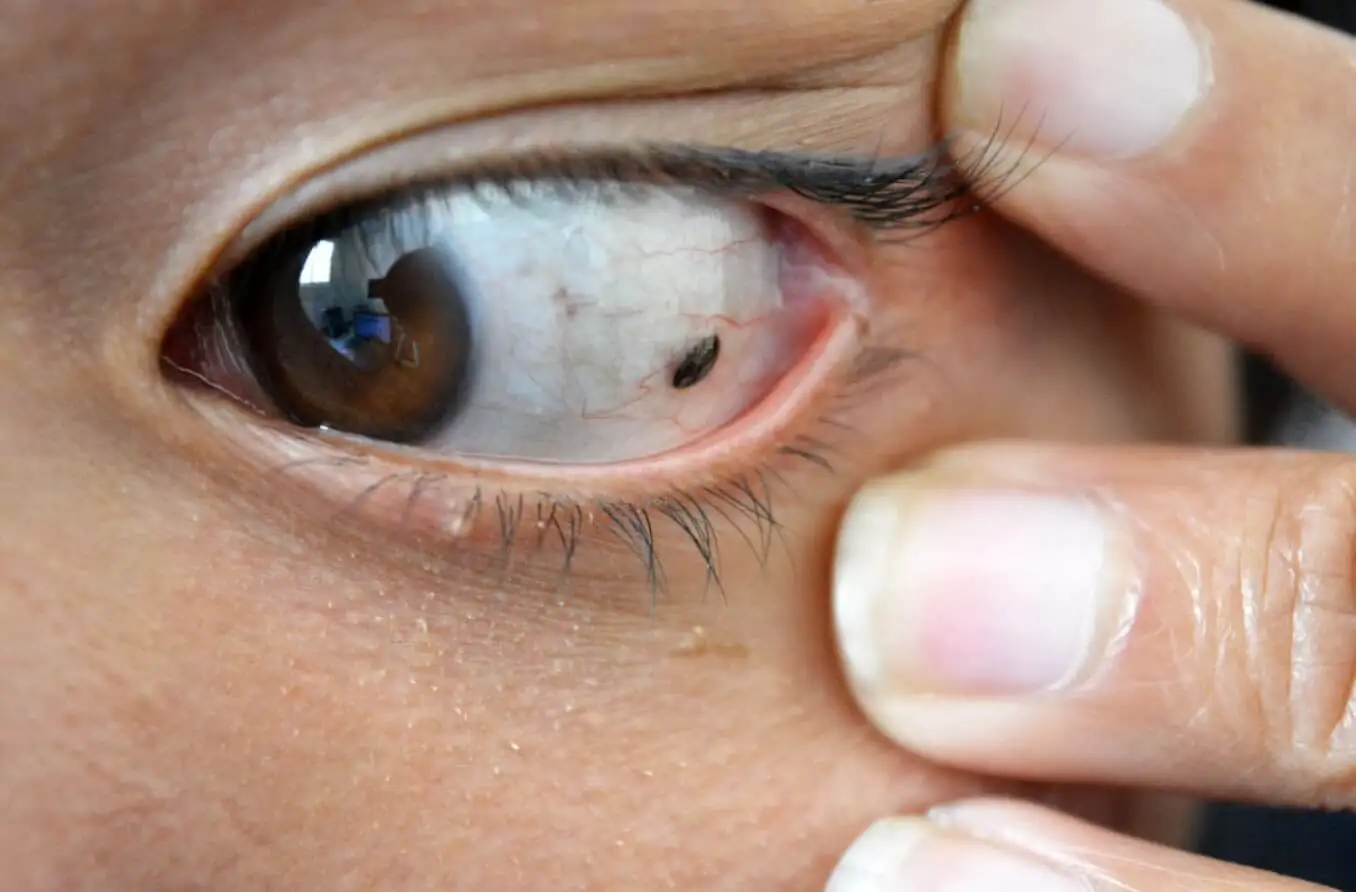
Understanding the risk factors helps people make informed health decisions.
Common risks include:
- Older age, especially over 50
- Fair skin and light-colored eyes
- Blue or green eyes
- Family history of eye cancer
- Certain inherited genetic conditions
- Long-term exposure to ultraviolet (UV) light, although research is still ongoing
- Abnormal pigmentation around the eye
Moreover, some people naturally have more pigmented cells, increasing the possibility of abnormal growth.
However, having one or more risk factors does not mean someone will definitely develop cancer.
Early Symptoms You Should Never Ignore
One challenge with eye melanoma is that many patients experience no symptoms during the early stages.
When symptoms appear, they may include:
- Blurred vision
- Floaters
- Flashes of light
- Loss of side vision
- A dark spot growing on the iris
- Changes in pupil shape
- Reduced visual clarity
Because these symptoms are similar to several harmless eye conditions, regular eye examinations are extremely important.
Many eye specialists detect tumors before patients even realize something is wrong.
Why Regular Eye Exams Matter
Routine eye examinations do far more than check whether you need glasses.
Eye doctors use specialized equipment to examine areas inside the eye that cannot be seen in a mirror.
During a complete examination, they may identify tiny tumors long before they cause symptoms.
Early detection often leads to simpler treatment options and better outcomes.
For example, a small tumor discovered during a routine eye exam may only require careful monitoring or targeted radiation instead of more complex procedures.
How Doctors Diagnose Eye Melanoma
Diagnosing eye melanoma requires several advanced imaging tests.
Eye Examination
The first step is a detailed examination using dilating eye drops.
This allows the ophthalmologist to inspect the retina, choroid, and optic nerve.
Ultrasound Imaging
Ultrasound helps measure the tumor’s size, shape, and location.
These details guide treatment decisions.
Optical Coherence Tomography (OCT)
OCT creates highly detailed images of the retina.
It helps doctors evaluate changes caused by the tumor.
Fluorescein Angiography
This imaging test tracks blood flow through the retina using a special dye.
Abnormal blood vessels often provide important clues.
Genetic Testing
Today, many specialists also recommend genetic testing after diagnosis.
These tests help predict whether the cancer has a higher chance of spreading in the future.
Eye Melanoma vs Other Types of Melanoma
Many people think every melanoma affects the skin, but that is not true.
For example, melanoma skin cancer develops from pigment cells in the skin, while eye melanoma develops inside the eye.
Likewise, skin melanoma is usually easier to notice because it appears on the body’s surface.
Doctors also diagnose several less common forms, including nodular melanoma, subungual melanoma, and amelanotic melanoma, each with its own appearance and treatment approach.
Although these cancers share similar pigment-producing cells, they behave differently depending on where they develop.
Understanding these differences helps patients seek the right specialist as early as possible.
Can Eye Melanoma Spread?
Like many cancers, untreated eye melanoma can spread beyond the eye.
When cancer cells travel to other organs, the disease becomes metastatic melanoma.
The liver is the most common place where this cancer spreads.
Because of this risk, specialists continue monitoring patients even after successful treatment.
Regular imaging scans and blood tests help detect changes before symptoms become severe.
Treatment Options for Eye Melanoma
The treatment approach for eye melanoma depends on several factors, including the tumor size, location, growth rate, and whether cancer has spread.
Doctors create personalized treatment plans because every patient’s situation is different.
The main goal is to remove or control the tumor while protecting vision whenever possible.
1. Active Monitoring
Small tumors do not always require immediate treatment.
In some cases, doctors recommend regular checkups to track changes in tumor size and activity.
This approach is often used when the tumor is very small and not showing signs of rapid growth.
However, careful monitoring is essential because delayed treatment may allow the tumor to become more difficult to manage.
2. Radiation Therapy
Radiation therapy is one of the most common treatments for eye tumors.
A technique called plaque radiation therapy places a small radioactive device near the tumor for a short period.
This targeted approach allows doctors to destroy cancer cells while limiting damage to nearby healthy eye tissue.
Another option is proton beam therapy, which uses highly focused radiation to treat specific areas.
3. Surgery
In some cases, surgery may be needed.
The type of procedure depends on the tumor size and location.
Possible surgical treatments include:
- Removing the tumor while preserving the eye
- Removing part of the eye structure affected by the tumor
- Removing the entire eye in rare, advanced cases
Although surgery sounds alarming, specialists only recommend more extensive procedures when necessary to protect health.
4. Targeted and Advanced Therapies
Medical research continues to improve treatment options.
New therapies focus on attacking specific genetic changes found in cancer cells.
These treatments may become especially important for advanced disease where traditional methods are less effective.
How Fast Does Eye Melanoma Progress?
Many people ask, how fast does melanoma spread when they receive a diagnosis.
The answer depends on several factors, including the tumor’s biology, location, size, and genetic characteristics.
Some eye tumors grow slowly over many years, while others may behave more aggressively.
Doctors evaluate:
- Tumor thickness
- Cell activity
- Genetic markers
- Evidence of spread
Because growth patterns vary, regular monitoring and early medical attention remain extremely important.
A small tumor found during an eye exam may have very different treatment options compared with a larger tumor discovered after symptoms appear.
Understanding Early Detection and Stages
Finding cancer early can significantly influence treatment choices.
During early stage melanoma, abnormal cells are usually limited to their original location and have not spread to distant organs.
Early diagnosis often allows doctors to use treatments that focus on preserving eye function.
Advanced stages require more complex care because cancer cells may travel through the bloodstream to other areas.
This is why routine eye examinations are valuable even for people who feel healthy.
Signs of Eye Melanoma You Should Watch For
Knowing the signs of melanoma can help people seek medical advice sooner.
Important warning signs include:
- A new dark spot on the iris
A growing brown or black area on the colored part of the eye should be checked by an eye specialist. - Changes in vision
Unexplained blurry vision, missing areas of sight, or sudden visual changes require attention. - Flashes or floating shapes
New flashes of light or an increase in floaters may indicate changes inside the eye. - Changes in eye appearance
A change in pupil shape or eye position should not be ignored.
Remember, these signs do not always mean cancer. Many harmless conditions can create similar symptoms. However, professional evaluation provides clarity.
What Does Melanoma Look Like on the Skin?
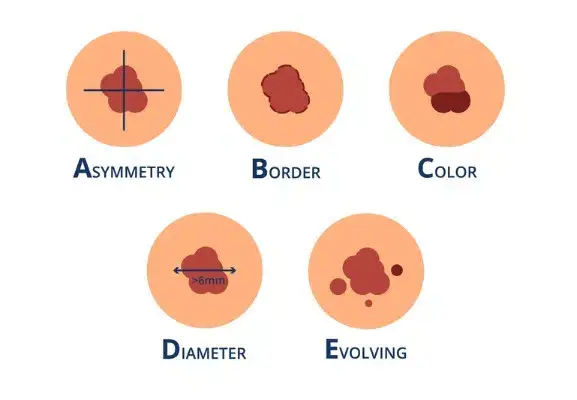
Although this article focuses on eye disease, many people also search for what does melanoma look like on the skin because pigment cancers can appear in different areas.
Skin specialists often recommend the ABCDE method:
- A — Asymmetry: One half does not match the other
- B — Border: Edges are uneven or unclear
- C — Color: Multiple colors appear in one spot
- D — Diameter: The spot becomes larger than expected
- E — Evolving: Changes in size, shape, color, or symptoms
These signs can help identify suspicious skin changes early.
However, eye tumors require professional eye examinations because they are usually hidden inside the eye.
Eye Melanoma and Nail-Related Melanoma Confusion
People sometimes confuse harmless nail changes with cancer.
For example, understanding normal black line on nail vs melanoma can help people recognize when a nail mark needs medical attention.
A harmless nail streak is often stable, narrow, and consistent in appearance.
A concerning mark may:
- Become wider over time
- Change color
- Have irregular borders
- Extend onto surrounding skin
This condition is known as nail melanoma or subungual melanoma when it develops beneath the nail.
While nail changes are unrelated to most cases of eye cancer, awareness of melanoma warning signs across the body is important.
Lifestyle Habits That Support Eye Health

There is no guaranteed way to completely prevent eye melanoma, but healthy habits can support overall eye protection.
Consider these steps:
Protect Your Eyes From UV Exposure
Wear sunglasses that block 99–100% of UVA and UVB rays.
Choose sunglasses that fit well and cover the eyes properly.
Schedule Regular Eye Exams
Adults should follow eye examination recommendations based on age, health history, and personal risk factors.
Regular screening helps detect hidden problems early.
Know Your Family History
Genetic factors can influence cancer risk.
Tell your doctor if close relatives have experienced unusual cancers or inherited conditions.
Avoid Ignoring Vision Changes
Small changes may seem unimportant, but reporting them quickly allows doctors to investigate early.
Modern Research and Future Treatments
Scientists continue studying ways to improve outcomes for people with eye melanoma.
Current research areas include:
- Better genetic testing
- More precise radiation techniques
- New immune-based treatments
- Improved methods for detecting spread
Researchers are also exploring why some tumors remain stable while others become aggressive.
These discoveries may lead to more personalized treatment options in the future.
Conclusion:
Eye melanoma is a rare condition, but understanding its risks, symptoms, and treatment options can make a meaningful difference.
Because this cancer develops inside the eye, many people may not notice changes until the disease has progressed. Regular eye examinations, awareness of warning signs, and quick action when something feels unusual are key steps for protecting vision.
Modern medicine has improved how doctors diagnose and treat this disease. From advanced imaging techniques to targeted therapies, patients now have more options than ever before.
The most important takeaway is simple: your eyes deserve regular attention, even when everything seems normal.
A healthy lifestyle, UV protection, and professional eye care work together to support long-term vision health. If you notice changes in eyesight, unusual spots, or other symptoms, speaking with an eye specialist can provide answers and peace of mind.
Early knowledge leads to early action, and early action can improve outcomes.
Frequently Asked Questions
How serious is melanoma in the eye?
Eye melanoma can be serious because it may spread to other parts of the body if untreated. However, many cases respond well when detected early and managed by experienced specialists.
What are the first signs of eye melanoma?
The first signs may include blurred vision, flashes of light, new floaters, changes in the iris color, or a dark spot inside the eye. Some people have no symptoms at first.
How treatable is melanoma of the eye?
Treatment success depends on tumor size, location, and whether the cancer has spread. Many patients receive effective treatment through radiation, surgery, or other specialized therapies.
What does stage 1 eye cancer look like?
Stage 1 eye cancer often involves a small tumor that remains limited to the eye. It may not cause noticeable symptoms, which is why regular eye exams are important.
⭐ Make MindLiva Your Preferred Source on Google
Get trusted health, wellness, and lifestyle articles from MindLiva.
Add MindLiva
Samie Babaei is a medical science student at Shahid Beheshti University of Medical Sciences with a strong interest in health, wellness, and medical research. As a health writer and researcher at MindLiva, she focuses on creating clear, evidence-based content that helps readers better understand health and well-being.