




Behavioral Health Services: Bridging Gaps in Mental Care
Have you ever known someone who needed mental health support but did not know where to begin? Maybe the problem was cost, long waiting lists, transportation, stigma, or simply not knowing which professional to contact.
This is where behavioral health services can make a meaningful difference. They bring together different forms of care that can support emotional well-being, mental health, substance use recovery, and daily functioning.
Today, behavioral health care is moving toward a more connected model. Instead of treating one problem in isolation, providers increasingly consider a person’s mental, physical, social, and emotional needs together.
In this article, we will explore how these services work, what they include, who can use them, and why coordinated care is becoming increasingly important.
What Are Behavioral Health Services?
The term behavioral health is broad. It generally refers to the connection between a person’s behaviors, emotions, mental well-being, and overall health.
Mental health conditions such as depression, anxiety, trauma-related disorders, and serious mental illnesses can affect how someone thinks, feels, behaves, works, sleeps, and interacts with others.
Behavioral health can also include substance use concerns, stress management, coping skills, relationship difficulties, and problems that affect everyday functioning.
In practice, behavioral health care may involve:
- Individual therapy
- Group therapy
- Family counseling
- Psychiatric care
- Medication management
- Substance use treatment
- Crisis intervention
- Peer support
- Case management
- Preventive care
- Community-based programs
- Telehealth appointments
The exact services available vary by location and provider. However, the main goal is usually the same: help people improve functioning, build coping skills, and move toward recovery.
The Substance Abuse and Mental Health Services Administration (SAMHSA) describes behavioral health as an important part of overall health and supports approaches that improve access, treatment, and recovery.
Why Behavioral Health Services Matter More Than Ever
Mental health needs can affect people at every stage of life. Yet having a need does not always mean having easy access to care.
A person may recognize that they are struggling but face several barriers before receiving professional support.
For example, someone living in a rural area may have few local therapists. Another person may work long hours and struggle to attend appointments during traditional office hours.
Someone else may worry about the cost of treatment or feel uncomfortable asking for help.
These barriers are important because early support can prevent problems from becoming more difficult to manage.
Moreover, mental health does not exist separately from physical health. Sleep problems, chronic illness, pain, substance use, stress, and emotional distress can influence one another.
That is why modern care increasingly emphasizes coordination.
SAMHSA’s current work includes efforts to integrate behavioral and physical health care and strengthen behavioral health systems.
The Main Types of Behavioral Health Services
There is no single treatment that works for everyone. Instead, providers can combine different approaches based on a person’s needs.
1. Therapy and Counseling
Therapy is one of the most common forms of behavioral health care.
A therapist may help a person understand difficult thoughts, manage emotions, improve relationships, develop coping skills, or change patterns that interfere with daily life.
Common approaches include:
- Cognitive behavioral therapy
- Family therapy
- Motivational approaches
- Trauma-focused therapy
- Couples counseling
- Supportive therapy
- Group therapy
For example, a person experiencing anxiety might learn how to recognize unhelpful thought patterns and gradually develop healthier responses to stressful situations.
2. Psychiatric Care and Medication

Some mental health conditions may benefit from medication.
Psychiatrists and other qualified medical professionals can assess symptoms, discuss treatment choices, monitor side effects, and adjust medication when appropriate.
Medication is not automatically necessary for everyone. Likewise, therapy is not automatically the best or only approach for every person.
In many cases, a combination of medication, therapy, lifestyle changes, and social support may provide a more complete plan.
SAMHSA notes that people may need more than one type of treatment depending on their needs.
3. Peer and Support Groups
Sometimes, talking with people who have faced similar challenges can reduce isolation.
A support group may provide encouragement, practical ideas, accountability, and a sense of belonging.
A behavioral health group can be especially useful when participants are guided by trained professionals or peer specialists and the group has a clear purpose.
For example, groups may focus on anxiety management, addiction recovery, grief, trauma, caregiver stress, or emotional regulation.
However, peer support should complement professional care when clinical treatment is needed rather than replace it.
How Behavioral Health Services Connect Mental and Physical Health
One of the most important changes in modern care is the growing focus on the whole person.
Someone experiencing depression may also have poor sleep, reduced physical activity, appetite changes, chronic pain, or difficulty managing a medical condition.
Similarly, someone living with a long-term physical illness may experience anxiety or depression because of the demands of treatment.
This is where integrated care becomes valuable.
Rather than sending a patient from one disconnected system to another, integrated programs can encourage communication between professionals.
SAMHSA’s Certified Community Behavioral Health Clinic model, for example, includes care coordination across behavioral health, physical health, and social services.
The Role of Health Psychology
Health psychology helps explain how thoughts, emotions, habits, stress, and social factors can influence health.
For example, someone may understand that exercise is helpful but struggle to stay active because of depression or chronic stress.
A behavioral health professional can explore the barrier rather than simply telling the person to “exercise more.”
That small difference matters. Effective care looks at why a behavior is difficult and what practical changes could make improvement possible.
Communication Can Improve Behavioral Health Care
Good health communication is not simply about giving patients information.
It also means listening carefully, using understandable language, checking whether someone understands their options, and allowing people to ask questions without judgment.
For example, telling a patient, “You need therapy,” is very different from explaining:
- Why therapy may help
- What type of therapy is available
- What the first appointment may involve
- How long treatment could take
- What alternatives exist
- How much it may cost
- What to do if symptoms become worse
Clear communication helps people make informed decisions.
It can also build trust between patients and providers.
Community Behavioral Health Brings Care Closer to Home
Not everyone needs to receive treatment in a hospital or private clinic.
Community behavioral health programs can bring support into places where people already live, learn, work, and receive other services.
These programs may include community clinics, outreach programs, crisis teams, peer support, school-based programs, and social services.
This approach can be particularly valuable for people who face transportation, financial, or social barriers.
SAMHSA’s CCBHC model is designed around coordinated, comprehensive care and includes crisis services, outpatient treatment, peer support, care management, and primary care screening.
In other words, community-based care can reduce the need for people to navigate multiple disconnected systems by themselves.
Children’s and Adult Behavioral Health Need Different Approaches

Mental health needs change throughout life.
Children’s behavioral health care often involves parents, teachers, pediatric providers, and other caregivers.
A child’s emotional or behavioral changes may appear as:
- Problems at school
- Frequent anger
- Withdrawal
- Sleep problems
- Changes in appetite
- Difficulty concentrating
- Social problems
- Sudden changes in behavior
Children may not always have the words to explain what they are feeling. Therefore, professionals may use age-appropriate methods such as play, family work, behavioral strategies, or school collaboration.
By contrast, adult behavioral health care may focus more on work, relationships, parenting, substance use, chronic stress, trauma, financial pressure, or independent living.
The principle remains similar: treatment should match the person’s age, development, circumstances, and goals.
Holistic Behavioral Health Looks Beyond Symptoms
A person is more than a diagnosis.
That idea is central to holistic behavioral health, which considers multiple factors that can influence well-being.
These may include:
- Mental health
- Physical health
- Sleep
- Nutrition
- Exercise
- Relationships
- Work
- Housing
- Financial stress
- Substance use
- Social connection
- Personal values
For example, imagine someone who repeatedly misses therapy appointments.
A traditional view might label the person as “unmotivated.” A more complete assessment might reveal that they have no reliable transportation, work unpredictable shifts, or are caring for an elderly parent.
The solution then changes.
Instead of simply telling the person to attend more consistently, a care team might explore flexible scheduling, transportation assistance, telehealth, or community resources.
That is the practical value of whole-person care.
Behavioral Health Telehealth Expands Access
Technology has changed how many people receive care.
Behavioral health telehealth allows certain services to be delivered through video, phone, or other secure digital platforms.
This can be useful for people who:
- Live far from a provider
- Have limited transportation
- Have mobility difficulties
- Prefer remote appointments
- Need greater scheduling flexibility
- Feel more comfortable starting care from home
Telehealth does not replace every type of treatment. Some situations require in-person assessment or emergency care.
However, it can remove practical barriers for many patients.
The U.S. Health Resources and Services Administration supports telehealth as a way to improve access to quality care and provides resources for both patients and providers.
What Makes Effective Behavioral Health Services Different?
Good care is not simply about offering a long list of treatments.
The quality and fit of care matter.
A strong behavioral health program should ideally consider several factors.
Personalized Treatment
Two people with similar symptoms may need very different support.
Treatment should consider personal history, goals, culture, family situation, medical needs, and preferences.
Easy Access
Long waiting lists and complicated referral systems can discourage people from continuing to seek help.
Accessible services make the process easier to understand and navigate.
Coordinated Care
When several professionals are involved, communication can reduce confusion and duplicated work.
Evidence-Based Approaches
Treatment choices should be supported by credible research and professional standards.
Respect and Trust
People are more likely to engage in care when they feel heard rather than judged.
SAMHSA recommends looking for providers or programs that fit a person’s needs, availability, financial situation, and personal preferences.
Behavioral Health Services and Substance Use Recovery
Behavioral health care also plays an important role in substance use treatment.
Substance use can affect relationships, work, physical health, finances, and emotional well-being. At the same time, anxiety, depression, trauma, or other mental health concerns may contribute to substance use for some individuals.
This creates a situation where treating only one issue may not be enough.
Integrated treatment can address both concerns.
The National Institute of Mental Health notes that accurate assessment is important when mental health and substance use conditions occur together because symptoms can overlap.
For example, someone who drinks heavily to cope with anxiety may need support for both anxiety and alcohol use rather than being told to address only one problem.
When Should Someone Seek Behavioral Health Support?
You do not have to wait until a problem becomes severe.
Professional support may be worth considering when emotional or behavioral changes begin interfering with everyday life.
Possible signs include:
- Persistent sadness or worry
- Major changes in sleep
- Loss of interest in normal activities
- Difficulty functioning at work or school
- Relationship problems
- Increasing substance use
- Severe mood changes
- Persistent feelings of hopelessness
- Difficulty coping after trauma
- Thoughts of self-harm or suicide
One important insight from clinical practice is that you do not need to have a diagnosis before asking for help.
A primary care professional can often be a useful starting point. Depending on the situation, they may provide treatment themselves or connect the person with a psychologist, counselor, psychiatrist, social worker, or another specialist.
How to Choose the Right Behavioral Health Provider
Finding the right professional can take time.
Consider asking:
- What type of support do I need?
- Does this provider treat my concern?
- Do they accept my insurance or offer affordable options?
- Can I attend appointments at times that work for me?
- Do I feel respected and comfortable communicating with them?
- Can they coordinate with my other health providers if needed?
It is also reasonable to ask about treatment methods before beginning.
If the first provider is not a good fit, that does not mean treatment will not work. Sometimes the most important step is finding an approach and professional relationship that feels appropriate.
Common Barriers to Behavioral Health Care
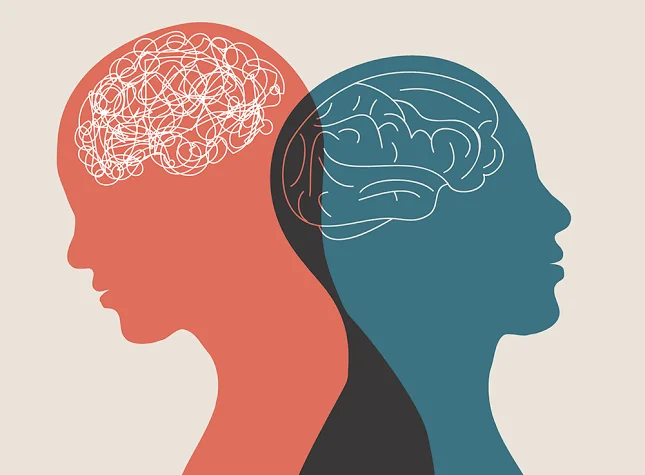
Even when people want help, several obstacles can stand in the way.
Cost
Treatment can be expensive, especially for people without adequate insurance.
Stigma
Fear of being judged can stop people from talking openly about mental health.
Provider Shortages
Some areas have fewer mental health professionals than others.
Transportation
Travel can make regular appointments difficult.
Long Wait Times
A person may be ready for help but unable to find an immediate appointment.
Lack of Information
Many people simply do not know which service they need.
Fortunately, some community programs, low-cost clinics, peer services, and telehealth options may help reduce these barriers. SAMHSA provides treatment and support resources for people looking for mental health or substance use care.
Expert Perspective: What the Future May Look Like
The future of behavioral health is likely to focus less on isolated services and more on connected systems of care.
Technology will continue to influence how people access providers. At the same time, community programs, peer support, primary care, and specialized mental health treatment will remain important.
Another major trend is personalization.
Instead of asking only, “What diagnosis does this person have?” modern care increasingly asks, “What does this person need to function better and live the life they want?”
That shift can make treatment more practical.
For example, a person may need therapy, but they may also need help finding housing, managing medication, improving sleep, reconnecting with family, or addressing substance use.
Mental health care works best when those realities are not ignored.
Conclusion: Better Care Starts With Connection
Behavioral health services are becoming an important part of modern health care because emotional well-being cannot always be separated from physical health, relationships, work, and everyday life.
Therapy, medication management, peer support, community programs, crisis services, and telehealth can each play a role.
However, the most effective approach is not necessarily the one with the most services. It is the one that fits the person’s needs and makes it easier to receive consistent, respectful care.
Moreover, asking for support early can be a practical step rather than a sign of weakness.
In short, behavioral health care is moving toward a model that is more connected, accessible, personalized, and focused on recovery.
The goal is simple: help people get the right support at the right time, in a way that respects the whole person.
FAQs About Behavioral Health Services
1. What are behavioral health services?
They include services that support mental health, emotional well-being, substance use recovery, and daily functioning. They can include therapy, medication management, peer support, crisis care, and community programs.
2. Are behavioral health services the same as mental health services?
Not always. Mental health care is an important part of behavioral health, but behavioral health can also include substance use, coping, behaviors, and other factors that affect overall well-being.
3. Can behavioral health services be provided online?
Yes. Some therapy, counseling, medication follow-ups, and support services may be provided through telehealth. However, not every situation is suitable for remote care.
4. Who can provide behavioral health care?
Depending on the service, care may come from psychiatrists, psychologists, counselors, clinical social workers, therapists, primary care professionals, peer specialists, or other qualified providers.
5. When should I seek behavioral health support?
Consider seeking help when emotional, behavioral, or substance-related concerns begin interfering with daily life. You do not need to wait for symptoms to become severe before asking for professional guidance.
⭐ Make MindLiva Your Preferred Source on Google
Get trusted health, wellness, and lifestyle articles from MindLiva.
Add MindLiva
Samie Babaei is a medical science student at Shahid Beheshti University of Medical Sciences with a strong interest in health, wellness, and medical research. As a health writer and researcher at MindLiva, she focuses on creating clear, evidence-based content that helps readers better understand health and well-being.