



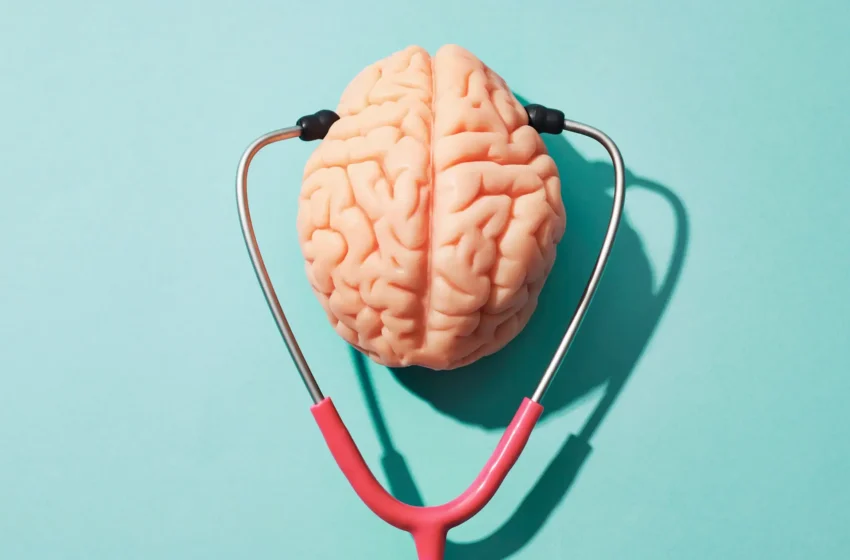
Innovative Strategies to Improve Behavioral Health Outcomes
Have you ever wondered why two people can experience the same stressful situation but respond in completely different ways? One person may cope effectively, while another may struggle with anxiety, unhealthy habits, or emotional challenges. The difference often comes down to behavioral health, which connects our thoughts, emotions, actions, and overall well-being.
In today’s fast-changing world, behavioral health has become one of the most important areas of healthcare. Rising stress levels, workplace pressure, social isolation, and lifestyle changes have increased the need for better mental and emotional support.
Improving behavioral health and behavioral health group are not only about treating mental health conditions after they appear. It is also about prevention, early support, healthy habits, and creating environments where people feel safe and understood.
In this article, we will explore innovative strategies that improve behavioral health outcomes, including technology-based solutions, personalized care, community support, and lifestyle approaches that help people achieve better emotional wellness.
Understanding Behavioral Health and Its Importance
Behavioral health refers to the connection between human behaviors, emotions, mental processes, and physical health. It includes the way people handle stress, develop habits, interact socially, and make decisions that affect their quality of life.
Unlike traditional healthcare approaches that often focus only on physical symptoms, behavioral health considers the complete person. It recognizes that emotional struggles, lifestyle choices, relationships, and social environments can influence overall health.
For example, someone experiencing chronic stress may develop poor sleep patterns, unhealthy eating habits, or difficulty concentrating. Over time, these behaviors can increase the risk of physical health problems such as heart disease, obesity, or weakened immunity.
The field of health psychology studies how thoughts, emotions, and behaviors influence health outcomes. Experts in this area examine why people make certain choices and how psychological strategies can encourage healthier behaviors.
The Connection Between Mind and Body
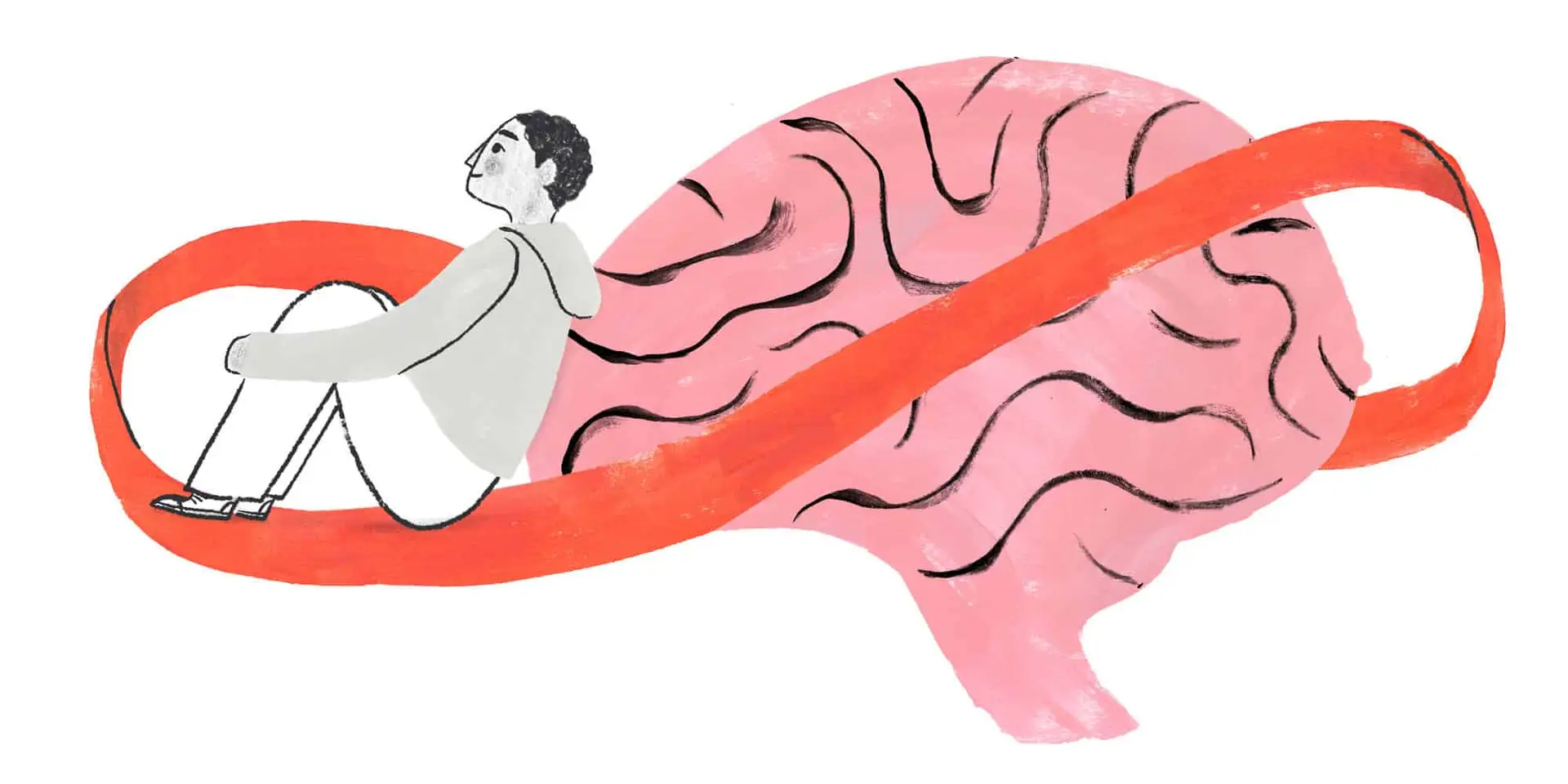
The human body and mind are deeply connected. Emotional experiences can create physical responses, while physical conditions can influence mood and behavior.
For instance, prolonged stress can increase cortisol levels, which may affect sleep, digestion, and energy levels. Similarly, regular exercise and balanced nutrition can improve mood by supporting brain health.
This connection explains why modern healthcare increasingly focuses on integrated approaches instead of treating mental and physical health separately.
Why Improving Behavioral Health Outcomes Is Essential
Better behavioral health outcomes can lead to:
- Improved emotional resilience
- Stronger relationships
- Better workplace performance
- Healthier lifestyle choices
- Reduced healthcare costs
- Improved quality of life
When individuals receive the right support at the right time, they are more likely to manage challenges effectively and maintain long-term wellness.
Innovative Approaches to Improve Behavioral Health Outcomes
Healthcare professionals are exploring new methods to make behavioral health support more effective, accessible, and personalized.
Modern strategies combine traditional therapies with technology, prevention programs, and community-based solutions.
1. Personalized Behavioral Health Care Plans
One of the biggest changes in healthcare is the move toward personalized treatment. Every individual has different experiences, backgrounds, challenges, and goals.
A personalized behavioral health plan considers factors such as:
- Personal history
- Lifestyle habits
- Emotional needs
- Social environment
- Existing health conditions
For example, two people experiencing anxiety may need completely different approaches. One person may benefit from cognitive behavioral therapy, while another may improve through stress management techniques, exercise, or social support.
Personalized care helps people feel understood rather than treated as just another diagnosis.
2. Expanding Access Through Behavioral Health Services
Access to professional support remains one of the biggest challenges in mental healthcare. Many people avoid seeking help because of cost, location, stigma, or limited availability.
Modern behavioral health services are expanding through community programs, digital platforms, workplace wellness initiatives, and integrated healthcare systems.
These services may include:
- Counseling
- Mental health screenings
- Support groups
- Addiction recovery programs
- Stress management education
Making support easier to access encourages people to seek help earlier, which can prevent more serious challenges in the future.
The Role of Technology in Behavioral Health Improvement
Technology has transformed many areas of healthcare, and behavioral health is no exception.
Digital tools now provide new ways for people to receive support, monitor progress, and develop healthier habits.
Behavioral Health Telehealth: A Growing Solution
One of the most important innovations is behavioral health telehealth.
Telehealth allows individuals to meet with therapists, counselors, and healthcare professionals through online platforms. This approach has become especially valuable for people living in areas with limited healthcare resources.
Benefits of telehealth include:
- Greater convenience
- Reduced travel time
- More privacy
- Easier access to specialists
- Flexible appointment options
For example, a person struggling with anxiety may be more comfortable speaking with a therapist from home rather than visiting a clinic.
Although technology cannot replace every form of care, it has become a powerful tool for increasing access and reducing barriers.
Digital Mental Health Applications
Mobile applications are also becoming popular tools for behavioral wellness.
Many apps help users:
- Track moods
- Practice meditation
- Develop healthy routines
- Manage stress
- Learn coping strategies
However, users should choose digital tools carefully and consider professional guidance when dealing with serious mental health concerns.
Community-Based Strategies for Better Behavioral Health
Individual care is important, but communities also play a major role in improving behavioral health.
A supportive environment can influence how people manage challenges and maintain emotional wellness.
The Importance of Community Behavioral Health Programs
Community behavioral health focuses on providing mental and emotional support within local communities rather than relying only on hospitals or private clinics.
These programs often provide:
- Affordable counseling
- Educational workshops
- Crisis support
- Peer support networks
- Prevention programs
Community-based care helps reduce stigma because people can access support in familiar environments.
For example, schools, workplaces, and community centers can create programs that teach stress management, emotional awareness, and healthy communication.
Supporting Children’s Behavioral Health From an Early Age
Early childhood experiences strongly influence emotional development and future behaviors.
Children’s behavioral health focuses on helping young people develop emotional skills, manage challenges, and build healthy relationships.
Children may experience behavioral challenges related to:
- School pressure
- Family changes
- Social difficulties
- Learning differences
- Emotional regulation problems
Early intervention can make a significant difference.
Parents, teachers, and healthcare professionals can support children by:
- Encouraging open communication
- Creating stable routines
- Teaching problem-solving skills
- Recognizing emotional changes early
A child who learns healthy coping skills early is more likely to develop strong emotional resilience later in life.
Improving Adult Behavioral Health Through Lifestyle Changes
Adults face unique challenges, including work pressure, financial concerns, relationship difficulties, and responsibilities.
Adult behavioral health focuses on supporting emotional balance and healthy behaviors throughout adulthood.
Small lifestyle changes can create meaningful improvements.
Healthy Habits That Support Behavioral Wellness
Important habits include:
Regular Physical Activity
Exercise supports brain health and can reduce symptoms of stress and anxiety. Activities such as walking, strength training, yoga, and swimming can improve mood.
Quality Sleep
Poor sleep can affect emotions, decision-making, and stress management. Creating a consistent sleep routine supports better mental performance.
Healthy Relationships
Social connections provide emotional support and reduce feelings of loneliness.
Mindfulness Practices
Meditation, breathing exercises, and relaxation techniques can help people become more aware of their thoughts and emotions.
Holistic Behavioral Health: Treating the Whole Person
A growing number of professionals are focusing on holistic behavioral health, which considers emotional, physical, social, and lifestyle factors together.
Instead of asking only, “What symptoms does this person have?” holistic care asks, “What does this person need to feel healthier and more balanced?”
This approach may include:
- Therapy
- Nutrition support
- Physical activity
- Stress reduction techniques
- Social connection
- Personal development
For example, someone experiencing burnout may need more than stress counseling. They may also need changes in workload, sleep habits, relationships, and daily routines.
The Future of Behavioral Health: Emerging Trends
The future of behavioral healthcare will likely focus on accessibility, prevention, and personalized solutions.
Some important trends include:
Artificial Intelligence in Mental Health Support
AI-powered tools are being developed to help with screening, education, and personalized recommendations.
However, human professionals remain essential for diagnosis, complex decisions, and emotional connection.
Preventive Behavioral Healthcare
Healthcare is shifting from simply treating problems to preventing them.
Early screenings, education, and wellness programs can help identify concerns before they become severe.
Reducing Mental Health Stigma
Open conversations about emotional wellness encourage more people to seek support without shame.
Practical Ways Individuals Can Improve Behavioral Health

Anyone can take steps to strengthen behavioral wellness.
Helpful actions include:
- Practice self-awareness by understanding emotions and habits.
- Build supportive relationships with family, friends, or community groups.
- Create healthy routines involving sleep, movement, and nutrition.
- Seek professional help when challenges become difficult to manage.
- Practice stress management techniques regularly.
Behavioral health improvement is not a single event. It is an ongoing process that develops through small, consistent choices.
Conclusion
Improving behavioral health outcomes requires a combination of personal effort, professional support, technology, and community involvement.
Modern approaches are changing the way people receive care by making support more personalized, accessible, and preventive.
From digital solutions like telehealth to community programs and lifestyle changes, behavioral health is becoming a central part of overall wellness.
The most important step is recognizing that emotional and behavioral wellness deserves the same attention as physical health. When individuals receive the right tools and support, they can create healthier habits, stronger relationships, and a better quality of life.
Frequently Asked Questions
What is the meaning of behavioral health?
Behavioral health describes how behaviors, emotions, thoughts, and lifestyle choices affect mental and physical well-being.
What is the meaning of health behaviour?
Health behavior refers to actions people take that influence their health, such as exercising, eating healthy foods, managing stress, and avoiding harmful habits.
What are examples of behavioral health conditions?
Examples include anxiety disorders, depression, substance use disorders, eating disorders, and conditions affecting emotional regulation.
Is ADHD considered behavioral health?
Yes. ADHD is commonly included within behavioral health because it affects attention, behavior regulation, emotions, and daily functioning.
What is the 30% rule of ADHD?
The “30% rule” is often used informally to describe the idea that some individuals with ADHD may experience developmental delays in certain areas, though exact numbers vary and should be discussed with healthcare professionals.
⭐ Make MindLiva Your Preferred Source on Google
Get trusted health, wellness, and lifestyle articles from MindLiva.
Add MindLiva
Samie Babaei is a medical science student at Shahid Beheshti University of Medical Sciences with a strong interest in health, wellness, and medical research. As a health writer and researcher at MindLiva, she focuses on creating clear, evidence-based content that helps readers better understand health and well-being.