




Behavioral Health Group: Your Path to Better Wellbeing
Have you ever wondered why some people struggle with stress, anxiety, unhealthy habits, or emotional challenges even when everything looks fine from the outside? The answer often goes deeper than simple lifestyle choices. Mental, emotional, and behavioral patterns influence how people think, feel, communicate, and respond to everyday situations.
A behavioral health group offers structured support designed to help individuals understand these patterns and create positive changes. These groups combine professional guidance, therapy approaches, education, and community support to improve overall wellbeing.
In this article, we will explore how behavioral health groups work, the benefits they provide, different treatment options, and why they have become an important part of modern healthcare.
Understanding the Role of a Behavioral Health Group
A behavioral health group is an organization or care program that focuses on improving emotional wellbeing, mental health, and behavioral patterns. Unlike approaches that only focus on symptoms, behavioral healthcare looks at the connection between thoughts, emotions, actions, relationships, and physical health.
Many people experience challenges such as anxiety, depression, addiction, trauma, stress, or difficulty managing emotions. A behavioral health group provides professional support that helps individuals understand these difficulties and develop practical strategies for improvement.
The goal is not simply to manage a problem temporarily. Instead, the focus is on creating long-lasting changes that improve quality of life.
For example, someone experiencing chronic stress may learn relaxation techniques, communication skills, and healthier ways to respond to pressure. A person dealing with addiction may receive counseling, recovery support, and tools for maintaining positive habits.
Why Behavioral Health Support Matters Today

Modern life brings unique emotional challenges. Increased work pressure, social isolation, financial concerns, and constant digital connection have changed how many people experience stress.
According to global mental health organizations, millions of people worldwide experience mental health conditions every year, yet many do not seek professional help because of stigma, cost concerns, or lack of awareness.
A behavioral health group helps reduce these barriers by creating accessible environments where people can receive guidance without feeling judged.
These programs can support people at different stages of life, including:
- Individuals managing anxiety or depression
- Families dealing with emotional difficulties
- Children experiencing behavioral challenges
- Adults working through stress or major life changes
- People recovering from substance use problems
Mental wellbeing is not separate from physical health. Poor emotional health can affect sleep, energy levels, relationships, and even physical conditions.
How a Behavioral Health Group Helps People Improve Their Lives
Behavioral health groups use different methods depending on individual needs. Treatment is usually personalized because every person has unique experiences, backgrounds, and challenges.
A strong program combines professional knowledge with compassionate support.
Therapy, Counseling, and Emotional Support Programs

One of the main services offered by a behavioral health group is therapy. Professional therapists help individuals identify unhealthy thought patterns and replace them with healthier responses.
Common therapeutic approaches include:
- Cognitive Behavioral Therapy (CBT): Helps people understand the relationship between thoughts, feelings, and behaviors.
- Group therapy: Allows individuals to connect with others who share similar experiences.
- Family counseling: Helps improve communication and relationships.
- Stress management programs: Teach practical techniques for handling daily pressure.
For example, a person with social anxiety may gradually practice communication skills in a supportive environment rather than avoiding social situations completely.
This process helps build confidence and emotional strength over time.
Personalized Treatment Plans for Different Needs
Every person has different goals. A teenager dealing with school-related stress may require a different approach compared with an adult experiencing workplace burnout.
A quality behavioral health program evaluates factors such as:
- Personal history
- Emotional challenges
- Lifestyle habits
- Family relationships
- Existing support systems
This personalized approach makes treatment more effective because it addresses the root causes instead of only focusing on surface-level symptoms.
Types of Behavioral Health Services Available
Behavioral healthcare includes a wide range of services designed for different populations and situations.
Adult Behavioral Health Programs
Adult behavioral health services focus on helping adults manage emotional, psychological, and lifestyle challenges.
Adults may seek support for:
- Anxiety disorders
- Depression
- Trauma recovery
- Relationship problems
- Workplace stress
- Substance use challenges
Many adults delay seeking help because they believe they should handle problems alone. However, professional support can provide valuable tools for improving emotional health and daily functioning.
A behavioral health group creates a safe environment where adults can discuss concerns openly and learn effective coping strategies.
Children’s Behavioral Health Support
Children’s behavioral health focuses on helping young people develop emotional regulation, communication skills, and healthy behaviors.
Children may experience challenges related to:
- School pressure
- Family changes
- Attention difficulties
- Social struggles
- Emotional regulation
Early support can make a significant difference because childhood experiences often influence future emotional development.
Programs designed for children often include parents, teachers, and caregivers to create a complete support system.
The Benefits of Joining a Behavioral Health Group
Participating in a behavioral health group can provide many advantages beyond symptom improvement.
Building Coping Skills and Emotional Resilience
Life will always include challenges, but people can learn healthier ways to respond.
Behavioral health programs teach skills such as:
- Managing stressful situations
- Improving emotional awareness
- Setting healthy boundaries
- Developing problem-solving abilities
These skills act like a mental toolkit. Instead of feeling overwhelmed by every challenge, individuals become better prepared to handle difficult moments.
Creating Stronger Social Connections
Isolation often makes emotional struggles more difficult. Group-based programs allow people to connect with others who understand their experiences.
Sharing experiences can reduce feelings of loneliness and create a sense of belonging.
Many people discover that they are not alone in their struggles, which can be a powerful step toward healing.
Modern Approaches Used in Behavioral Healthcare
Healthcare continues to evolve, and behavioral treatment has expanded beyond traditional office visits.
Holistic Behavioral Health Methods
Holistic behavioral health focuses on treating the whole person rather than only addressing a specific condition.
This approach may include:
- Mental health counseling
- Lifestyle improvements
- Mindfulness practices
- Physical activity
- Nutrition awareness
- Sleep improvement strategies
The idea is that emotional wellbeing is connected to many areas of life.
For example, improving sleep habits can positively affect mood, concentration, and stress levels.
The Growth of Behavioral Health Telehealth
Technology has changed how people access care. Behavioral health telehealth allows individuals to receive therapy and counseling through online platforms.
Telehealth provides benefits such as:
- Easier access for people in remote areas
- Flexible appointment options
- Reduced travel time
- Greater privacy
For many individuals, online sessions make it easier to begin treatment.
Behavioral Health Group vs Traditional Mental Health Care
Although the terms are often used together, behavioral health has a broader focus.
| Behavioral Health Group | Traditional Mental Health Care |
| Focuses on behaviors, emotions, and lifestyle patterns | Often focuses mainly on psychological conditions |
| Includes prevention and wellness programs | Often focuses on diagnosis and treatment |
| May involve therapy, education, and support groups | Commonly involves therapy or medication management |
| Looks at the connection between habits and wellbeing | Primarily examines mental and emotional symptoms |
Both approaches are valuable, and many people benefit from combining different types of care.
How Health Psychology Influences Behavioral Wellness
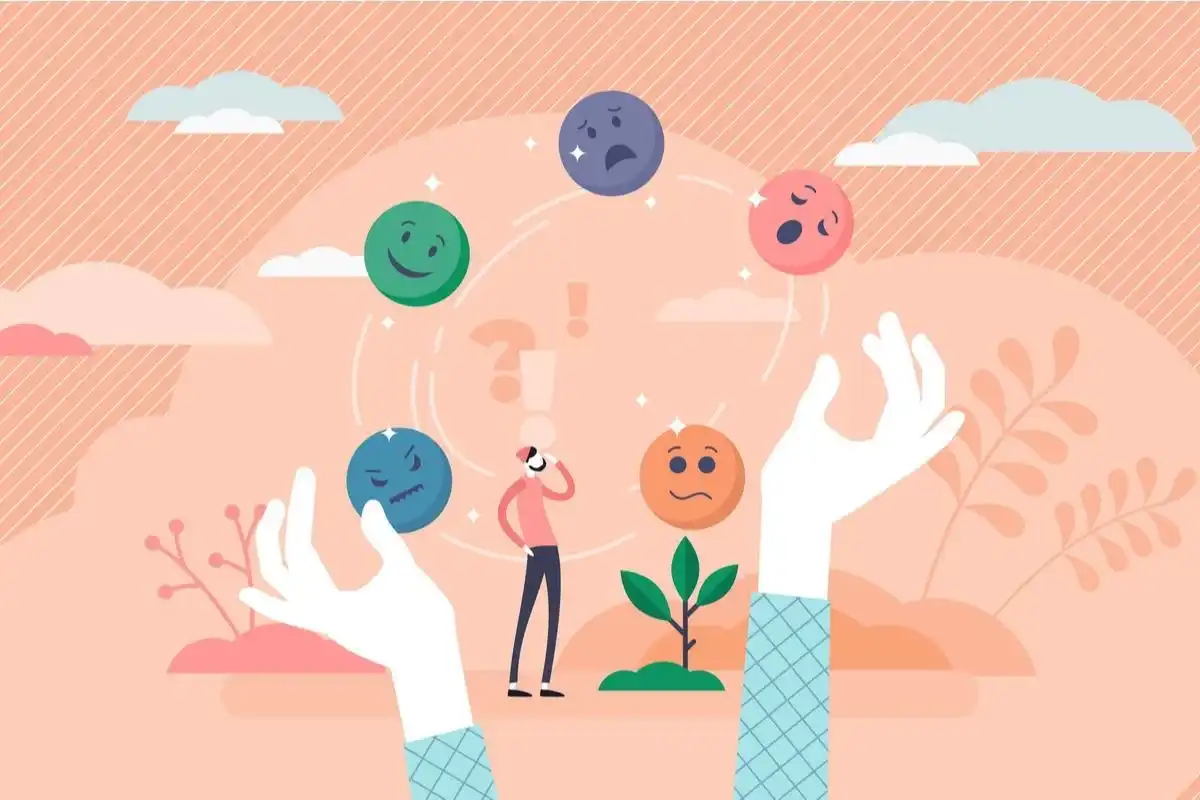
Health psychology studies how thoughts, emotions, and behaviors influence physical health.
Researchers in this field examine questions such as:
- Why do people develop certain habits?
- How does stress affect the body?
- What motivates people to make healthier choices?
Understanding these connections helps behavioral health professionals create better treatment strategies.
Choosing the Right Behavioral Health Group
Finding the right support program is an important decision.
Consider these factors:
- Professional qualifications
- Available treatment options
- Communication style
- Accessibility
- Reviews and reputation
A good behavioral health group should make you feel respected, understood, and supported.
Questions to Ask Before Starting Treatment
Before joining a program, consider asking:
- What types of services are offered?
- Are treatment plans personalized?
- What experience do professionals have?
- Are family members involved when appropriate?
- Are online options available?
These questions help ensure that the program matches your needs.
The Future of Behavioral Healthcare
The demand for behavioral healthcare continues to grow as more people recognize the importance of emotional wellbeing.
Future developments may include:
- More digital healthcare solutions
- Increased mental health education
- Greater focus on prevention
- Improved access to professional support
Society is slowly moving toward understanding that mental wellbeing is a vital part of overall health.
Conclusion
A behavioral health group provides more than treatment. It offers guidance, education, connection, and practical tools that help people create healthier lives.
Whether someone is facing emotional challenges, relationship difficulties, stress, or behavioral concerns, professional support can make a meaningful difference.
Seeking help is not a sign of weakness. It is a positive step toward understanding yourself, improving your habits, and building a stronger future.
Frequently Asked Questions
What is a group in behavioral health?
A behavioral health group is a program where individuals receive support through therapy, education, counseling, or shared experiences to improve emotional and behavioral wellbeing.
What exactly is behavioral health?
Behavioral health focuses on how behaviors, emotions, thoughts, and lifestyle choices affect overall health and quality of life.
How many locations does the behavioral health Group have?
The number of locations depends on the specific organization. Many behavioral health providers operate through multiple clinics, community centers, and online platforms.
What is an example of behavioral health?
Examples include managing anxiety through therapy, improving stress responses, developing healthier habits, and receiving support for addiction recovery.
What are the 7 types of mental health issues?
Common categories include anxiety disorders, mood disorders, trauma-related disorders, eating disorders, personality disorders, substance-related disorders, and psychotic disorders.
⭐ Make MindLiva Your Preferred Source on Google
Get trusted health, wellness, and lifestyle articles from MindLiva.
Add MindLiva
Samie Babaei is a medical science student at Shahid Beheshti University of Medical Sciences with a strong interest in health, wellness, and medical research. As a health writer and researcher at MindLiva, she focuses on creating clear, evidence-based content that helps readers better understand health and well-being.