



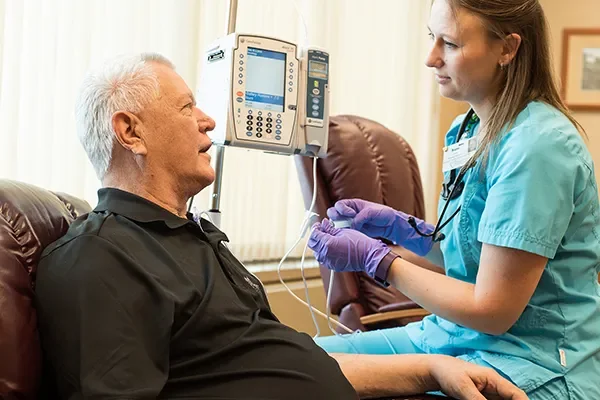
Top Breakthroughs in Immunotherapy for Melanoma Patients
What if cancer treatment could help your own immune system recognize and attack tumor cells?
That idea is no longer just a theory. Immunotherapy for melanoma has become one of the most important advances in modern cancer care, particularly for patients whose disease has spread or cannot be removed completely with surgery.
Over the past decade, researchers have developed treatments that remove some of the biological “brakes” that stop immune cells from attacking cancer. As a result, some patients with advanced disease have experienced tumor shrinkage and responses that can last for years.
However, immunotherapy is not a single treatment and it does not work for everyone. The best option depends on the stage of disease, tumor characteristics, previous treatments, overall health, and potential risks.
In this article, we explore the biggest breakthroughs, how these medicines work, what patients can expect, and where research is heading next.
Why Immunotherapy for Melanoma Has Changed Cancer Care
Traditional cancer treatments often focus directly on destroying cancer cells. Immunotherapy takes a different approach.
Instead of attacking the tumor alone, some immunotherapy medicines help the immune system recognize cancer and respond more effectively.
This matters because tumor cells can develop ways to hide from immune defenses. They may use checkpoint signals that tell immune cells to slow down or stop.
Checkpoint inhibitors interfere with those signals.
According to the National Cancer Institute, immune checkpoint inhibitors have produced major improvements in outcomes for some people with advanced disease, although not every patient responds.
The Immune System’s “Brakes”
Two important immune checkpoints are PD-1 and CTLA-4.
Think of them as brakes on T cells. These brakes are useful because they prevent excessive immune activity that could damage healthy tissue.
Cancer, however, can take advantage of these natural control systems.
Medicines such as pembrolizumab and nivolumab block PD-1, while ipilimumab blocks CTLA-4. This can allow T cells to remain active against tumor cells.
In short, the treatment does not simply “boost immunity.” It changes specific signals that control immune activity.
The Rise of PD-1 Inhibitors
One of the most important developments in immunotherapy for melanoma has been the introduction of PD-1 inhibitors.
Two widely used examples are:
- Pembrolizumab
- Nivolumab
These medicines are monoclonal antibodies designed to interfere with the PD-1 pathway.
Clinical research has shown that PD-1 inhibitors can improve outcomes compared with older approaches in appropriate patients with advanced disease.
Why PD-1 Matters
T cells can recognize abnormal cells, but their activity is tightly controlled.
When PD-1 signaling is activated, T-cell activity can be reduced. Blocking that pathway may allow the immune response to continue.
For example, pembrolizumab attaches to PD-1 and prevents the pathway from sending its usual suppressive signal.
Nivolumab works through the same general checkpoint pathway.
However, the fact that these medicines work through a similar mechanism does not mean they are interchangeable for every patient. Treatment decisions should be made by the oncology team.
Dual Immunotherapy: Combining Different Checkpoints
Another major breakthrough came from combining checkpoint inhibitors.
A well-known combination is nivolumab plus ipilimumab, which targets PD-1 and CTLA-4 at the same time.
The strategy is straightforward in theory: attack two different immune-control pathways rather than relying on one.
Clinical trials have demonstrated that the combination can improve progression-free and overall survival compared with ipilimumab alone in advanced disease. However, combination therapy also causes more immune-related toxicity.
This creates an important treatment balance:
Potentially stronger immune activity vs. a greater risk of side effects.
Therefore, more treatment is not automatically better for every person.
The LAG-3 Breakthrough
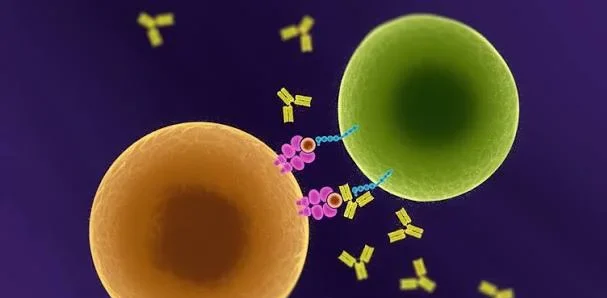
Researchers have continued looking beyond PD-1 and CTLA-4.
One important development is targeting LAG-3, another immune checkpoint.
The combination of nivolumab and relatlimab blocks both PD-1 and LAG-3. The National Cancer Institute reports that this combination improved the time patients lived without disease progression compared with nivolumab alone in advanced disease.
This represents an important shift.
Rather than relying on a single immune pathway, researchers are exploring how several immune signals interact.
Why This Combination Is Interesting
The goal is to increase the number of patients who respond while potentially avoiding some of the toxicity associated with more aggressive combinations.
It is not a universal solution, but it gives oncologists another tool when selecting first-line treatment.
Immunotherapy Before Surgery: A Major Change
One of the most exciting developments is the movement of immunotherapy earlier in the treatment journey.
Historically, systemic immunotherapy was strongly associated with advanced or unresectable disease. Now researchers are studying and using immune-based treatments around surgery in selected settings.
Treatment given before surgery is called neoadjuvant therapy.
The idea is appealing: stimulate the immune system while the primary tumor and its surrounding immune environment are still present.
This may help the immune system recognize tumor-related targets before the tumor is removed.
At the same time, not every patient needs neoadjuvant treatment. The appropriate approach depends on stage, tumor characteristics, surgical options, and clinical guidelines.
Adjuvant Immunotherapy for Higher-Risk Disease
Immunotherapy can also be given after surgery in selected patients.
This is called adjuvant therapy.
The purpose is to reduce the risk that microscopic cancer cells remaining after surgery will later cause recurrence.
For example, the FDA approved nivolumab for the adjuvant treatment of completely resected stage IIB and IIC disease in patients aged 12 years and older. The approval was based on the CheckMate-76K trial involving 790 patients.
This is an important development because it shows how treatment is moving beyond late-stage disease.
However, adjuvant therapy also has potential side effects. Doctors must weigh the expected benefit against the possibility of treatment-related harm.
Immunotherapy for Advanced and Metastatic Disease
When cancer has spread to distant organs, it may be called metastatic melanoma.
For many years, advanced disease was extremely difficult to control for long periods. Modern immunotherapy has changed that picture.
The NCI notes that checkpoint inhibition and targeted therapy have both improved outcomes in unresectable and advanced disease.
Some patients experience substantial tumor shrinkage. More importantly, some responses can remain durable for years.
That does not mean immunotherapy is a guaranteed cure.
Some tumors do not respond. Others may initially respond and later become resistant.
Therefore, researchers are working hard to understand why some patients benefit while others do not.
New Hope From T-Cell Therapy
Checkpoint inhibitors are not the only form of immune-based treatment.
Another important development is tumor-infiltrating lymphocyte (TIL) therapy.
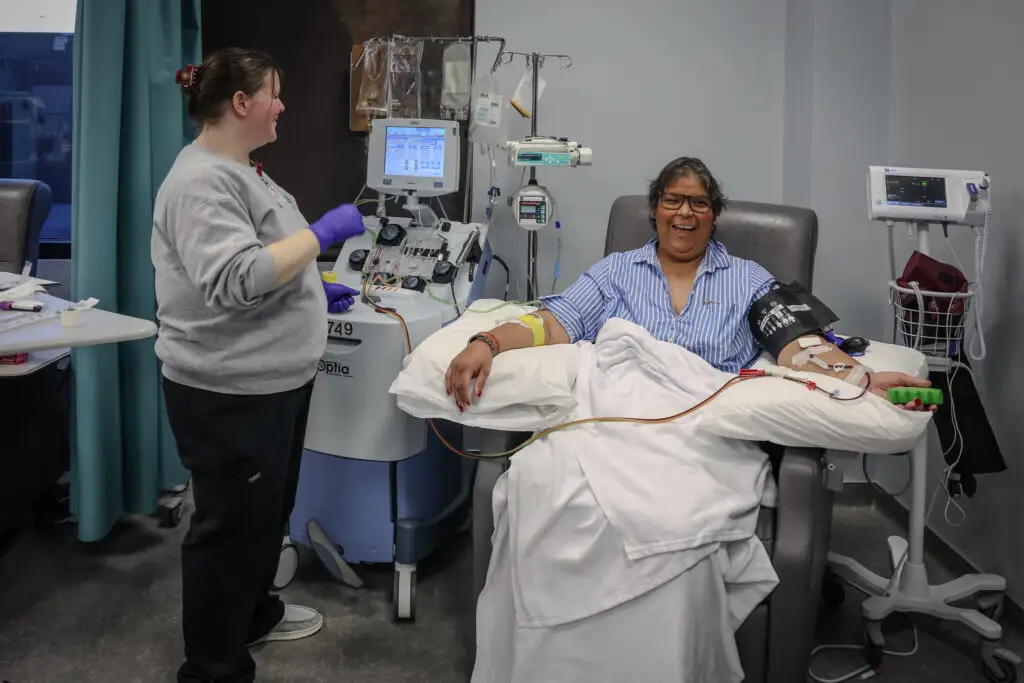
TIL therapy uses immune cells that have already entered a patient’s tumor. These cells can be collected, expanded in a laboratory, and then returned to the patient in an effort to produce a stronger anti-tumor response.
The FDA’s current melanoma drug list includes lifileucel, a TIL-based therapy.
This approach is particularly interesting for patients whose disease has progressed after earlier treatments.
It also represents a different philosophy from checkpoint inhibition: rather than simply releasing immune “brakes,” doctors can use a patient’s own tumor-reactive immune cells as part of treatment.
Personalized Immunotherapy and Biomarkers
Cancer treatment is increasingly becoming more personalized.
Doctors may examine tumor tissue for specific biomarkers and molecular changes that can help guide treatment decisions.
For example, tumor testing may help determine whether a patient has a targetable mutation or provide information relevant to systemic therapy.
However, no single biomarker can perfectly predict who will respond to every immunotherapy drug.
PD-L1 expression, tumor mutation patterns, immune-cell activity, and other biological features may provide useful clues, but cancer is complex.
This is why treatment decisions are based on the whole clinical picture rather than one laboratory result.
What About Early Stage Melanoma?
The phrase early stage melanoma covers a range of disease stages, and treatment decisions differ considerably between them.
For very localized diseases, surgery remains the main treatment in many cases.
Immunotherapy becomes more relevant when the risk of recurrence is higher or when disease has reached certain stages.
The important point is that immunotherapy is not automatically necessary simply because a person has received a cancer diagnosis.
Treatment should match the risk and biological behavior of the disease.
Understanding Different Melanoma Types
Patients often search for information about several different forms of this cancer, but their treatment may differ.
Nodular melanoma is a more aggressive form of cutaneous disease that often grows quickly and may appear as a raised lesion.
Subungual melanoma develops beneath a nail and can initially resemble trauma or ordinary pigmentation.
Amelanotic melanoma has little or no dark pigment, making it harder to recognize visually.
Ocular melanoma begins in the eye and has different biological and treatment considerations.
Meanwhile, skin melanoma usually refers to disease that starts in the skin.
These distinctions matter because location and tumor biology can influence treatment selection.
Recognizing Melanoma Skin Cancer Before Treatment Begins
Many people first encounter the disease because they notice a changing spot.
The question of what does melanoma look like on the skin has no single answer because tumors can vary greatly.
Possible warning features include:
- A changing mole
- Uneven or irregular borders
- Multiple colors within one lesion
- A new or unusual pigmented spot
- A lesion that grows or changes over time
- A spot that looks distinctly different from surrounding moles
The commonly used ABCDE approach can help with awareness, but it is not a diagnostic test.
A changing skin lesion should be assessed by an appropriate healthcare professional.
Nail Changes Can Be Easy to Miss
Another common online search is normal black line on nail vs melanoma.
A dark streak under a nail can result from trauma, benign pigmentation, medication effects, or other conditions.
However, a new or widening streak, irregular pigmentation, or pigment extending onto nearby skin deserves professional assessment.
Nail melanoma can be overlooked because people often assume a dark nail mark came from an injury.
The same caution applies to subungual melanoma: visual appearance alone cannot establish a diagnosis.
Read also: Nail Melanoma: Warning Signs, Diagnosis, and Treatment
How Fast Does Melanoma Spread?
Patients naturally ask, how fast does melanoma spread?
There is no universal answer.
The speed of progression depends on factors such as tumor thickness, stage, biological features, location, immune response, and whether the disease has already entered lymphatic or blood circulation.
Some tumors behave aggressively, while others progress more slowly.
Therefore, waiting for a suspicious lesion to become painful or dramatically larger is not a safe strategy.
Is Malignant Melanoma Always Treatable With Immunotherapy?
Malignant melanoma can sometimes respond very well to immune-based treatment, but immunotherapy is not effective for everyone.
Several factors influence treatment choice, including:
- Cancer stage
- Whether surgery is possible
- Previous treatments
- Tumor mutations
- Overall health
- Potential autoimmune risks
- Patient preferences
For example, a patient with a resectable tumor may have very different treatment options from someone with widespread disease.
That is why online treatment lists should never replace an individualized oncology plan.
Understanding Immunotherapy Side Effects
The immune system does not only attack cancer.
Because checkpoint inhibitors remove some natural immune controls, the immune system can sometimes attack healthy organs.
Common side effects may include:
- Fatigue
- Skin rash
- Diarrhea
- Nausea
- Cough
- Joint or muscle pain
- Reduced appetite
More serious immune-related reactions can affect the lungs, intestines, liver, kidneys, or hormone-producing glands.
Why Reporting Symptoms Quickly Matters
One practical lesson from modern oncology is that patients should not simply “push through” new symptoms.
Tell the treatment team about new or worsening symptoms as soon as possible.
Early management can be important when an immune-related adverse event develops.
For instance, persistent diarrhea during checkpoint treatment should not automatically be assumed to be something the patient ate. It may require medical evaluation.
What Makes Immunotherapy Different From Chemotherapy?
Immunotherapy and chemotherapy work in fundamentally different ways.
| Feature | Immunotherapy | Chemotherapy |
| Main strategy | Activates or redirects immune response | Directly attacks rapidly dividing cells |
| Duration of benefit | Can sometimes be long-lasting | Varies by cancer and treatment |
| Side effects | Often immune-related | Often linked to effects on rapidly dividing cells |
| Response | Not everyone responds | Depends on tumor type and drug |
| Key challenge | Immune resistance and autoimmune effects | Drug resistance and treatment toxicity |
This does not mean one approach is universally better.
Modern cancer care often uses several treatment types, depending on the individual disease.
The Future of Immunotherapy for Melanoma
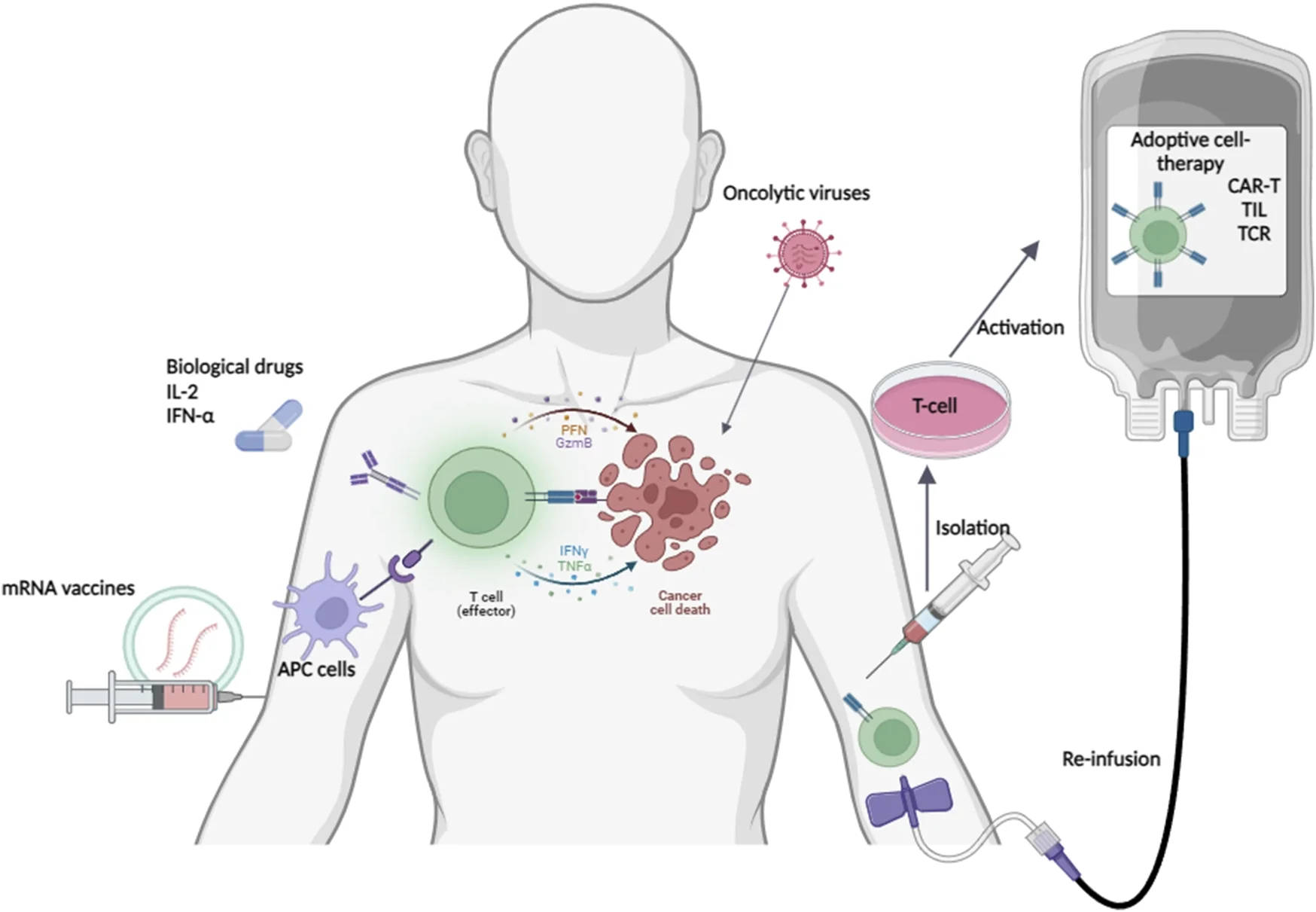
Research is moving quickly.
Scientists are investigating combinations that may make “cold” tumors more visible to the immune system, improve T-cell activity, and overcome treatment resistance.
Current research areas include:
- New checkpoint targets
- Personalized cancer vaccines
- TIL and other cellular therapies
- Immunotherapy combinations
- Immunotherapy with targeted therapy
- Gut microbiome research
- Better biomarkers
- Treatments for brain metastases
The NCI highlights ongoing research into immune-stimulating combinations, targeted approaches, and even manipulation of gut microbes to improve responses.
This is where the next generation of breakthroughs may emerge.
Could Cancer Vaccines Improve Immunotherapy?
Researchers are investigating personalized approaches designed to help the immune system recognize tumor-specific signals.
A personalized vaccine could potentially train immune cells to recognize features unique to a patient’s tumor.
This field is still developing, so patients should distinguish clinical-trial research from established standard treatment.
A Personal Insight: Progress Is About More Than One “Miracle” Drug
One of the most useful ways to understand modern cancer treatment is to avoid thinking in terms of a single miracle medicine.
The real breakthrough has been the development of an expanding treatment toolkit.
PD-1 inhibitors, CTLA-4 inhibitors, LAG-3 combinations, targeted therapy, cellular therapy, surgery, radiation, and clinical trials can each have a role.
Moreover, researchers are learning that the right treatment for one patient may not be the right treatment for another.
That shift toward personalized decision-making is one of the most encouraging developments in oncology.
When Should Patients Ask About Immunotherapy?
A discussion with an oncology team may be appropriate when:
- Disease is stage III or IV
- Surgery has removed a higher-risk tumor
- Cancer has returned
- Disease cannot be completely removed
- Previous treatment has stopped working
- A clinical trial may be available
- Biomarker testing could influence treatment
The specific indications change as research and regulatory approvals evolve, so current treatment guidelines matter.
The NCI maintains an updated overview of approved melanoma medicines and treatment approaches.
Conclusion: A More Powerful Immune Response, With More Choices
The story of immunotherapy for melanoma is one of the most important advances in modern oncology.
Checkpoint inhibitors such as pembrolizumab, nivolumab, and ipilimumab have transformed treatment for many patients. Newer approaches, including LAG-3 inhibition and T-cell-based therapies, are expanding the field further.
At the same time, immunotherapy is not a cure for every patient and can cause serious side effects.
The most important takeaway is therefore balance: hope backed by evidence, personalized treatment, and careful medical monitoring.
Patients should ask their oncology team about stage, biomarkers, treatment goals, clinical trials, possible benefits, and risks.
FAQs: Immunotherapy for Melanoma
Is immunotherapy effective for melanoma?
Yes. Checkpoint inhibitors have improved outcomes for many patients, particularly those with advanced or high-risk disease. However, responses vary from person to person.
What is the most common immunotherapy for melanoma?
PD-1 inhibitors such as pembrolizumab and nivolumab are important immunotherapy options. Other treatments, including ipilimumab and nivolumab-relatlimab, may be appropriate in selected patients.
Can immunotherapy cure metastatic disease?
Some patients with advanced disease have very long-lasting responses, but doctors cannot promise a cure for an individual patient. Treatment response depends on many biological and clinical factors.
How long does immunotherapy treatment last?
Treatment duration varies according to the medicine, disease setting, response, side effects, and treatment plan. Some therapies are given for a defined period, while others may be stopped earlier because of progression or toxicity.
What are the serious side effects of immunotherapy?
Checkpoint inhibitors can cause immune-related inflammation affecting organs such as the lungs, liver, intestines, kidneys, and hormone-producing glands. New or unusual symptoms should be reported promptly to the healthcare team.
⭐ Make MindLiva Your Preferred Source on Google
Get trusted health, wellness, and lifestyle articles from MindLiva.
Add MindLiva
Samie Babaei is a medical science student at Shahid Beheshti University of Medical Sciences with a strong interest in health, wellness, and medical research. As a health writer and researcher at MindLiva, she focuses on creating clear, evidence-based content that helps readers better understand health and well-being.