

AI-Driven Healthcare Diagnostics Transforming Patient Care
Healthcare has always relied on accurate diagnosis. After all, the right treatment begins with understanding exactly what is happening inside the human body. Today, artificial intelligence is helping doctors reach those answers faster than ever before. Instead of replacing healthcare professionals, AI acts like an incredibly intelligent assistant that can analyze millions of medical records, recognize hidden patterns, and highlight risks that may otherwise go unnoticed.
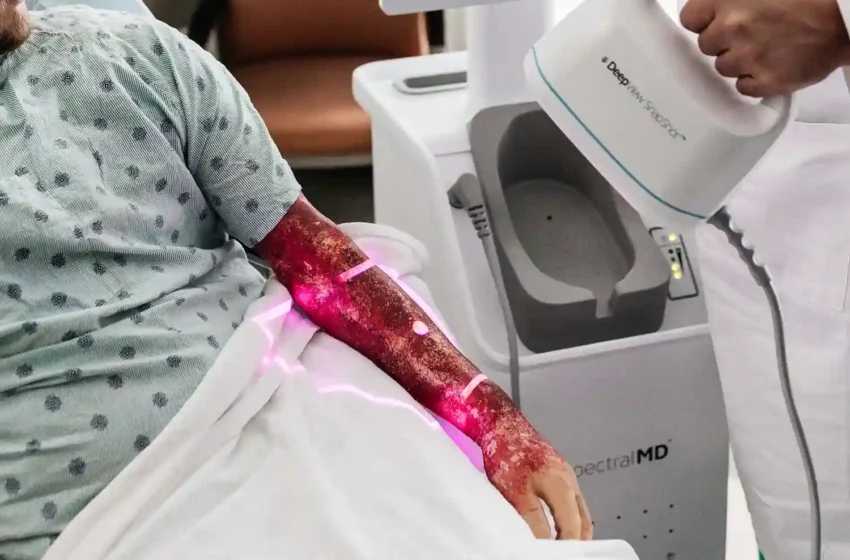
In recent years, ai-driven healthcare diagnostics has moved from research laboratories into hospitals, clinics, and even wearable devices. Medical imaging software now detects cancers with remarkable precision, AI-powered algorithms identify heart rhythm abnormalities in seconds, and predictive models help physicians recognize patients who may develop serious conditions before symptoms become severe.
This transformation matters because healthcare systems worldwide face increasing challenges. Aging populations, physician shortages, and rising healthcare costs require smarter solutions. Artificial intelligence provides exactly that by improving efficiency while supporting better patient outcomes.
Throughout this article, you’ll discover how AI is changing diagnostics, the benefits and limitations of this technology, real-world applications, future innovations, ethical considerations, and why experts believe artificial intelligence will become one of healthcare’s most valuable tools over the next decade.
Why AI-Driven Healthcare Diagnostics Matters Today
Artificial intelligence is no longer a futuristic concept. Hospitals across North America, Europe, and Asia now integrate AI into everyday clinical workflows. Rather than making decisions independently, AI helps clinicians interpret enormous amounts of information in a fraction of the time traditionally required.
Medical data continues growing at an extraordinary pace. Electronic health records, laboratory reports, CT scans, MRI images, genetic sequencing, wearable sensors, and remote monitoring devices generate millions of data points every single day. Human physicians are highly skilled, but processing every detail manually is becoming increasingly difficult.
That is where ai-driven healthcare diagnostics become invaluable. AI systems rapidly compare patient information against millions of previous cases while recognizing subtle relationships that humans may overlook. This allows doctors to make more informed decisions with greater confidence.
Some of the biggest advantages include:
- Faster diagnosis
- Earlier disease detection
- Reduced human error
- Better patient monitoring
- Personalized treatment planning
- Lower healthcare costs
- Improved workflow efficiency
Healthcare experts emphasize that AI should complement physicians rather than replace them. Human judgment, compassion, communication, and clinical experience remain irreplaceable. AI simply strengthens those capabilities by providing better information faster.
How AI-Driven Healthcare Diagnostics Works
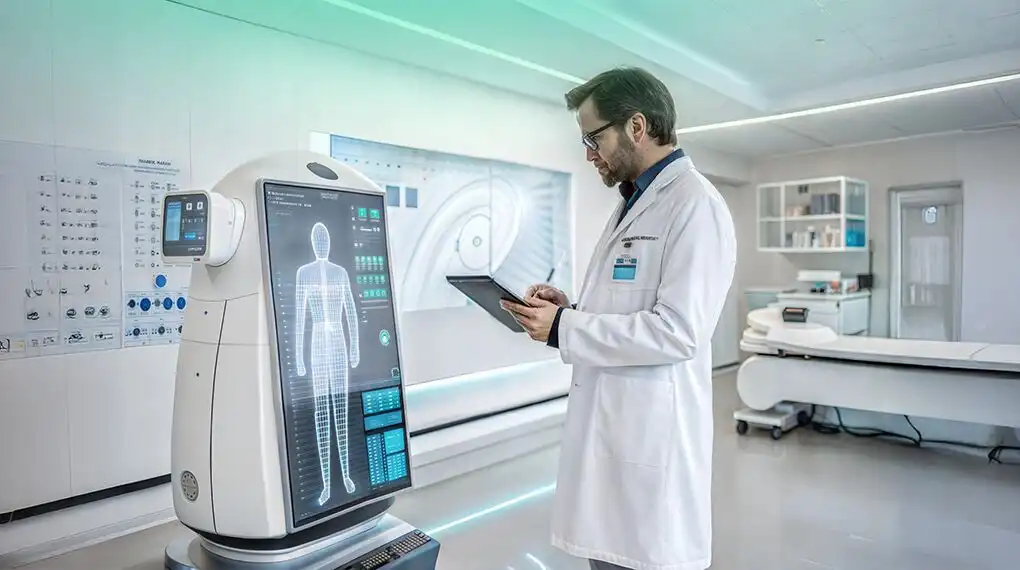
Artificial intelligence learns by analyzing enormous datasets. Instead of following simple programmed instructions, machine learning algorithms recognize patterns after reviewing millions of examples. As more data becomes available, these systems continue improving their performance.
The diagnostic process usually involves several important stages.
Data Collection
Information comes from numerous sources including:
- Medical imaging
- Blood test results
- Electronic health records
- Genetic sequencing
- Wearable devices
- Patient history
- Vital signs
Each data source contributes valuable clues regarding a patient’s health condition.
Pattern Recognition
Machine learning algorithms compare current patient data with historical medical records. Similarities between cases help estimate the likelihood of particular diseases or complications.
Clinical Decision Support
Rather than making the final diagnosis, AI generates recommendations, highlights suspicious findings, prioritizes urgent cases, and provides probability scores that physicians review before making clinical decisions.
This collaborative approach significantly improves diagnostic confidence while reducing unnecessary delays.
AI in Medical Imaging
Medical imaging represents one of artificial intelligence’s greatest success stories. Radiologists analyze thousands of X-rays, CT scans, mammograms, ultrasounds, and MRI images every year. Even experienced specialists can experience fatigue after reviewing hundreds of complex images daily.
Artificial intelligence helps reduce this burden by identifying abnormalities almost instantly.
Modern AI systems can detect:
- Lung cancer
- Breast cancer
- Brain tumors
- Stroke
- Bone fractures
- Pneumonia
- Liver disease
- Diabetic retinopathy
Instead of replacing radiologists, AI functions like an experienced second reviewer. It flags suspicious regions, allowing physicians to examine them more carefully before making final interpretations.
Studies have shown that combining physician expertise with AI often produces higher diagnostic accuracy than either working independently. This partnership reduces missed diagnoses while improving workflow efficiency.
Hospitals also benefit because AI helps prioritize urgent cases. For example, patients showing signs of stroke can be identified immediately, ensuring rapid treatment during the critical first hours.
Early Disease Detection Through Artificial Intelligence
Perhaps the greatest promise of ai-driven healthcare diagnostics lies in identifying illnesses before noticeable symptoms appear.
Many serious diseases develop silently for years. Cancer, Alzheimer’s disease, cardiovascular disease, chronic kidney disease, and diabetes often progress gradually before patients recognize any warning signs.
Artificial intelligence changes this by analyzing subtle biological markers long before traditional diagnostic methods detect problems.
For example:
- AI identifies tiny lung nodules during CT scans.
- Retinal imaging algorithms detect diabetic complications.
- Heart rhythm monitoring predicts atrial fibrillation.
- Blood analysis identifies cancer biomarkers.
- Genomic analysis estimates inherited disease risks.
Early detection dramatically improves survival rates while reducing treatment costs. Patients receive interventions sooner, often preventing disease progression altogether.
This proactive healthcare model shifts medicine away from treating illness after symptoms develop toward preventing disease before it becomes life-threatening.
Personalized Medicine Powered by AI
Every patient is unique. Two individuals diagnosed with the same disease may respond very differently to identical treatments.
Artificial intelligence helps physicians move beyond generalized treatment guidelines by analyzing each patient’s individual characteristics.
AI evaluates factors such as:
- Age
- Lifestyle
- Medical history
- Family history
- Genetics
- Current medications
- Laboratory results
- Imaging findings
Using these insights, doctors can recommend therapies more likely to succeed while minimizing side effects.
Cancer treatment demonstrates this especially well. AI analyzes genetic mutations inside tumors, helping oncologists select targeted therapies specifically designed for individual patients.
This personalized approach improves outcomes while reducing unnecessary treatments, making healthcare both more effective and more efficient.
AI and Predictive Healthcare
Traditional medicine often reacts after patients become seriously ill. Predictive analytics changes that model completely.
Artificial intelligence continuously monitors patient information and estimates future health risks.
Examples include predicting:
- Heart attacks
- Stroke
- Sepsis
- Hospital readmission
- Kidney failure
- Diabetes complications
Hospitals increasingly use predictive dashboards that alert medical teams before patient conditions deteriorate.
For example, subtle changes in blood pressure, oxygen levels, laboratory values, and heart rate may indicate developing sepsis several hours before symptoms become obvious.
Those extra hours can save lives.
Predictive healthcare demonstrates how AI moves medicine toward prevention instead of reaction, ultimately improving patient safety while reducing healthcare costs.
AI-Driven Healthcare Diagnostics in Different Medical Specialties
The impact of ai-driven healthcare diagnostics extends far beyond radiology. Today, nearly every medical specialty is exploring how artificial intelligence can improve patient outcomes. From emergency medicine to dermatology, AI-powered systems are becoming trusted clinical assistants rather than replacements for healthcare professionals.
The following table highlights how AI is being used across different fields of medicine.
| Medical Specialty | AI Application | Patient Benefit |
| Radiology | Image analysis | Faster and more accurate diagnosis |
| Cardiology | ECG interpretation | Early heart disease detection |
| Oncology | Cancer screening | Personalized treatment planning |
| Dermatology | Skin lesion recognition | Earlier melanoma detection |
| Ophthalmology | Retinal image analysis | Prevention of vision loss |
| Pathology | Digital slide analysis | Improved laboratory accuracy |
| Neurology | Brain scan evaluation | Faster stroke diagnosis |
These applications continue to expand as machine learning models become more sophisticated and healthcare organizations collect larger datasets for training.
The Benefits of AI-Driven Healthcare Diagnostics
The widespread adoption of ai-driven healthcare diagnostics brings measurable advantages for patients, healthcare providers, and healthcare systems alike.
1. Faster Diagnosis
Artificial intelligence can review thousands of medical images or laboratory records within seconds. This significantly reduces waiting times, especially for conditions where early treatment is critical.
2. Higher Diagnostic Accuracy
AI algorithms excel at recognizing tiny abnormalities that may be difficult for the human eye to detect. Used alongside experienced clinicians, they help reduce missed diagnoses and false positives.
3. Better Access to Healthcare
In rural or underserved communities where specialists are scarce, AI-powered diagnostic tools can assist general practitioners by providing expert-level insights, helping patients receive timely care without traveling long distances.
4. Reduced Healthcare Costs
Earlier diagnosis often means simpler treatments and shorter hospital stays. Healthcare systems also benefit from streamlined workflows, allowing physicians to spend more time with patients rather than administrative tasks.
5. Improved Patient Experience
Patients appreciate quicker test results, more personalized treatment plans, and fewer unnecessary procedures. AI contributes to a smoother healthcare journey while maintaining the essential role of human medical expertise.
Challenges and Ethical Considerations
Despite its impressive capabilities, artificial intelligence is not without limitations. Responsible implementation requires careful planning, transparency, and ongoing oversight.
One major concern is data privacy. AI systems rely on vast amounts of patient information, making strong cybersecurity measures essential to protect sensitive medical records.
Another challenge is algorithm bias. If AI models are trained on datasets that lack diversity, they may perform less accurately for certain populations. Healthcare organizations must ensure that training data represents patients of different ages, ethnicities, genders, and health conditions.
There is also the issue of explainability. Physicians need to understand why an AI system reached a particular recommendation before using it to guide clinical decisions. Explainable AI is becoming a major focus for researchers because trust is essential in medicine.
Regulatory agencies worldwide continue developing standards to ensure AI-powered diagnostic tools meet strict safety and quality requirements before entering clinical practice.
Real-World Examples of AI in Healthcare
Artificial intelligence is already making a measurable impact in hospitals around the world.
For example, AI systems assist radiologists in identifying early-stage breast cancer during mammography screening. In cardiology, machine learning algorithms analyze electrocardiograms (ECGs) to detect irregular heart rhythms that might otherwise go unnoticed.
Pathologists are using digital pathology platforms that automatically identify abnormal cells, helping accelerate cancer diagnosis. Emergency departments employ predictive models to identify patients at high risk of sepsis, enabling earlier intervention and potentially saving lives.
Wearable devices powered by AI continuously monitor heart rate, sleep patterns, oxygen saturation, and physical activity. These devices provide valuable insights that help physicians manage chronic conditions remotely and encourage preventive care.
These examples demonstrate that AI-driven healthcare diagnostics is no longer experimental—it is already improving clinical practice in meaningful ways.
The Future of AI-Driven Healthcare Diagnostics
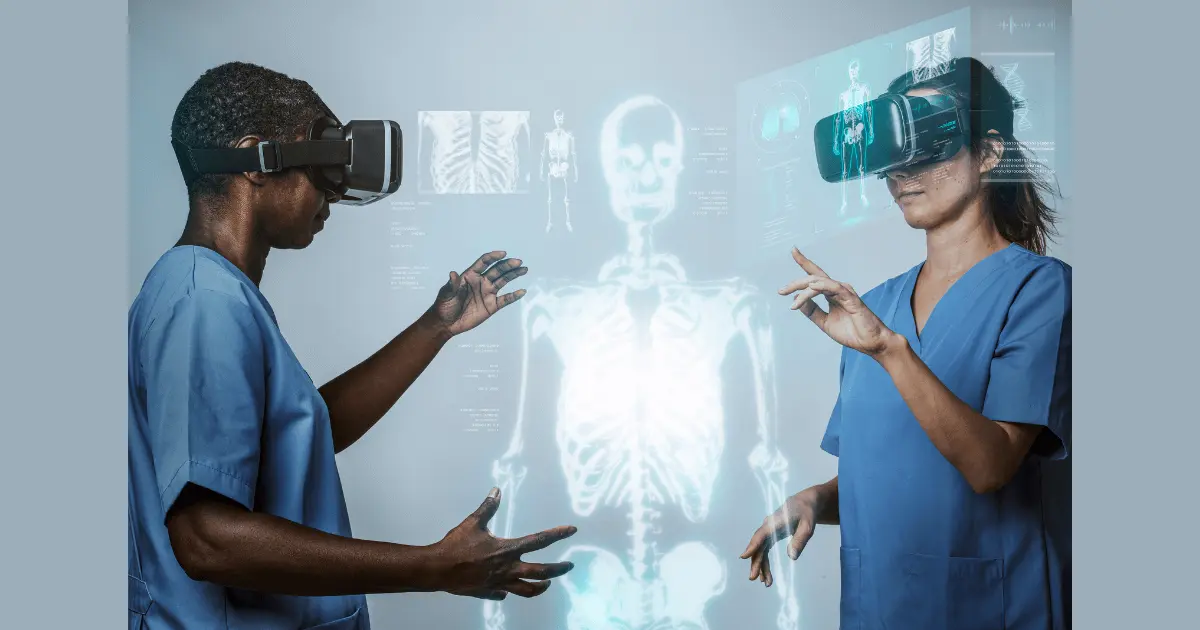
The next decade promises even more exciting developments. Researchers are exploring AI systems capable of integrating medical imaging, laboratory results, genomic data, and wearable device information into a single comprehensive diagnostic platform.
Future advances may include:
- Real-time disease prediction using wearable sensors
- AI-assisted robotic surgery planning
- Faster drug discovery through predictive modeling
- Personalized preventive healthcare strategies
- Digital twins that simulate individual patient responses to treatment
Many experts believe that the future of healthcare will rely on collaboration between physicians and intelligent technologies rather than replacing one with the other.
We are also seeing rapid progress in ai-driven healthcare innovations, where artificial intelligence supports everything from diagnosis and treatment planning to hospital management and public health surveillance.
Healthcare organizations are increasingly investing in ai-driven healthcare solutions that improve efficiency while maintaining patient safety and high-quality care.
As these technologies mature, top-rated systems for ai-driven healthcare tasks will continue helping clinicians make faster, better-informed decisions while reducing diagnostic errors.
Although artificial intelligence is transforming medicine, it is important to remember that successful healthcare still depends on empathy, communication, and clinical judgment. AI serves as a powerful partner, not a substitute for compassionate care.
The broader movement toward ai driven healthcare reflects a shift from reactive medicine to predictive, preventive, and personalized care.
Conclusion
AI-driven healthcare diagnostics is reshaping modern medicine by helping healthcare professionals detect diseases earlier, improve diagnostic accuracy, personalize treatments, and make better clinical decisions. As hospitals continue adopting artificial intelligence, patients benefit from faster diagnoses, more efficient care, and improved health outcomes.
The future will undoubtedly bring even more advanced AI capabilities. However, the most successful healthcare systems will always combine cutting-edge technology with the expertise, empathy, and judgment of skilled medical professionals. Artificial intelligence is not replacing doctors—it is empowering them to provide better care than ever before.
Frequently Asked Questions
1. What is AI-driven healthcare diagnostics?
It refers to the use of artificial intelligence to analyze medical data, assist doctors in diagnosing diseases, and improve clinical decision-making with greater speed and accuracy.
2. Can AI replace doctors?
No. AI is designed to support healthcare professionals, not replace them. Human expertise, empathy, and clinical judgment remain essential.
3. Which diseases can AI detect?
AI can assist in detecting cancers, heart disease, stroke, diabetic retinopathy, pneumonia, neurological disorders, skin diseases, and many other conditions.
4. Is AI diagnosis accurate?
Many AI systems demonstrate excellent accuracy when trained and validated properly. They are most effective when used alongside experienced clinicians.
5. What is the future of AI in healthcare?
Future developments include predictive medicine, personalized treatment planning, integrated diagnostic platforms, remote patient monitoring, and improved preventive healthcare powered by artificial intelligence.
⭐ Make MindLiva Your Preferred Source on Google
Get trusted health, wellness, and lifestyle articles from MindLiva.
Add MindLiva
Samie Babaei is a medical science student at Shahid Beheshti University of Medical Sciences with a strong interest in health, wellness, and medical research. As a health writer and researcher at MindLiva, she focuses on creating clear, evidence-based content that helps readers better understand health and well-being.