




Community Behavioral Health Strategies That Work
What if mental health support were available not only in a clinic, but also where people actually live their daily lives?
That is the idea behind community behavioral health. Instead of relying only on traditional office-based care, community-focused systems connect people with treatment, education, peer support, crisis services, and social resources closer to home.
This approach matters because mental well-being is shaped by much more than a diagnosis. Housing, relationships, employment, education, physical health, financial stress, and social connection can all affect recovery.
Moreover, the World Health Organization increasingly supports community-based mental health systems that connect clinical care with everyday social support and local services.
In this article, we will explore practical community behavioral health strategies, why they matter, how technology is changing access, and what effective recovery can look like for different age groups.
What Is Community Behavioral Health?
Community behavioral health is a model of care that brings mental health and substance-use support into community settings rather than depending entirely on hospitals or isolated specialist offices.
The goal is simple: make appropriate support easier to reach while helping people remain connected to their families, workplaces, schools, and communities.
A strong system may include:
- Counseling and psychotherapy
- Psychiatric care
- Crisis intervention
- Substance-use treatment
- Peer support
- Case management
- Family education
- Primary care screening
- Rehabilitation services
- Social-service connections
- Support groups
- Telehealth appointments
For example, someone experiencing depression may need therapy, but they might also need help finding stable housing or returning to work. A community-based system can connect those needs instead of treating them as completely separate problems.
The World Health Organization describes community-based care as a way to provide support closer to where people live and to improve social inclusion and continuity of care.
Why Community Behavioral Health Matters for Recovery
Recovery is rarely a straight line.
A person may improve for several months and then experience stress, grief, financial pressure, illness, or another major life change. Therefore, having support available beyond a single treatment appointment can make a meaningful difference.
Research and public-health guidance increasingly emphasize coordinated systems rather than disconnected services. For instance, the U.S. Certified Community Behavioral Health Clinic model requires coordinated care and a broad range of mental health and substance-use services.
Access Is Part of Treatment
Even the best therapy cannot help someone who cannot reach it.
Transportation problems, cost, long waiting lists, stigma, disability, work schedules, and geographic distance can all become barriers.
Community programs can reduce some of these problems by offering services in schools, community centers, primary-care settings, outreach programs, and other familiar environments.
In short, access is not separate from quality care. It is one of its foundations.
Building Strong Community Behavioral Health Strategies
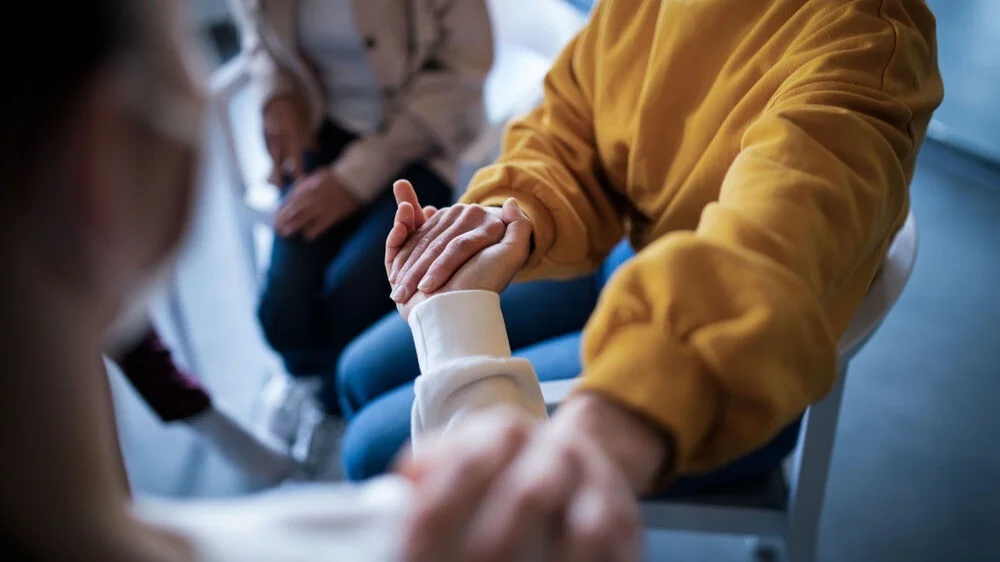
Effective systems usually combine several layers of support rather than depending on one service.
1. Early Screening and Prevention
Early identification can help people receive support before problems become more severe.
Screening may occur in primary care, schools, workplaces, or community programs. However, screening should always be followed by appropriate evaluation and referral rather than being treated as a diagnosis by itself.
Prevention can also include:
- Stress-management education
- Parenting support
- Mental-health literacy
- Substance-use prevention
- School-based programs
- Workplace wellness
- Community education
For example, teaching young people how to recognize emotional distress can make it easier for them to ask for help before a crisis develops.
2. Easy Access to Therapy
Therapy remains an important part of mental health care.
However, community systems can make therapy more flexible by offering different formats. These may include individual sessions, family therapy, group therapy, intensive outpatient programs, and community outreach.
The right option depends on the person’s needs, safety, preferences, and clinical situation.
3. Peer Support
Sometimes, people need more than professional expertise. They also need to know that someone else understands what they are experiencing.
Peer-support programs connect people with trained individuals who have relevant lived experience. Such programs can encourage hope, reduce isolation, and help people navigate services.
WHO guidance specifically recognizes peer support as an important component of person-centered community mental health systems.
The Role of Behavioral Health Groups
A behavioral health group can provide something individual treatment may not: a sense of belonging.
Group settings allow people to practice communication, hear different perspectives, share coping strategies, and discover that they are not alone.
For example, a group for people managing anxiety might discuss:
- Recognizing early signs of stress
- Challenging unhelpful thoughts
- Practicing breathing techniques
- Setting healthy boundaries
- Improving sleep routines
- Building social confidence
However, groups are not suitable for everyone. A qualified professional should help determine whether group care is appropriate.
Community Behavioral Health and Crisis Support
A strong system must also know what happens when someone is in immediate distress.
Community crisis services can include crisis lines, mobile response teams, stabilization programs, emergency assessment, and follow-up care.
Modern crisis-care models increasingly focus on having someone to contact, someone to respond, and a safe place to receive help. SAMHSA’s current national crisis-care guidance uses these three elements as foundations for community crisis systems.
This matters because a crisis should not automatically mean that a person loses access to every familiar source of support.
Instead, the goal is rapid safety, appropriate treatment, and a clear path toward continued care.
Connecting Physical and Mental Health
Mental and physical health are closely connected.
A person living with chronic pain, diabetes, cardiovascular disease, sleep problems, or another physical condition may also experience depression or anxiety. Likewise, prolonged psychological stress can influence sleep, activity, appetite, and other health behaviors.
That is why modern behavioral health care increasingly works alongside primary care.
Integrated Care Can Reduce Gaps
Imagine a patient visiting a primary-care clinic for headaches and poor sleep.
Rather than treating only the physical symptoms, a coordinated team might also explore stress, anxiety, medication effects, sleep habits, and social factors.
This does not mean every physical symptom is psychological. Instead, it recognizes that health problems can interact.
This is where health psychology can offer useful insight by examining how thoughts, emotions, behaviors, relationships, and social conditions influence health.
Health Communication Builds Trust
Good treatment depends on good communication.
Health communication means more than giving patients information. It involves listening carefully, using understandable language, explaining choices, checking understanding, and respecting individual values.
For example, telling someone, “You need therapy,” is very different from explaining:
- What the therapy is
- Why it may help
- What the first session involves
- How long treatment might take
- What alternatives exist
- What questions the patient can ask
Clear communication gives people more control over their care.
Moreover, it can reduce fear and confusion, especially when mental-health terms feel unfamiliar.
Supporting Children’s Behavioral Health
Children and teenagers require approaches that fit their age and development.
Children’s behavioral health programs may involve children, parents, teachers, pediatricians, counselors, and other professionals.
For younger children, emotional distress may appear as behavior rather than words.
A child might become unusually withdrawn, aggressive, fearful, restless, or unable to concentrate. These signs do not automatically mean a mental health disorder, but a major or lasting change deserves attention.
The phrase behavioral health kids is often used broadly to describe services and programs designed around children’s emotional, behavioral, and developmental needs.
Early support can include:
- School counseling
- Family therapy
- Parenting education
- Play-based interventions
- Social-emotional learning
- Pediatric behavioral screening
- Community youth programs
The goal is not to label every difficult behavior. Instead, it is to understand what may be driving the change and provide appropriate support.
Supporting Adult Behavioral Health

Adults face a different set of pressures.
Work demands, caregiving, relationships, financial problems, chronic illness, loneliness, and major life transitions can all affect mental well-being.
Adult behavioral health programs therefore need to be flexible.
A parent working full-time, for example, may struggle to attend weekly appointments during standard business hours. Evening appointments, community programs, group sessions, and telehealth may make treatment more realistic.
Furthermore, adults may need support that addresses both mental health and practical life challenges.
The Growth of Behavioral Health Telehealth
Technology has changed how many people access care.
Behavioral health telehealth can allow patients to meet with qualified professionals through secure video or other approved communication systems.
This can be particularly useful for people who live far from providers, have mobility limitations, lack transportation, or have demanding schedules.
However, telehealth is not automatically the best option for every person or situation.
Some individuals may benefit more from face-to-face care. Others may need a combination of virtual and in-person services.
The strongest systems offer choices rather than assuming one format works for everyone.
Creating Holistic Behavioral Health Programs
A truly holistic behavioral health approach looks beyond symptoms.
It considers the whole person, including:
- Mental health
- Physical health
- Sleep
- Nutrition
- Relationships
- Work or education
- Housing
- Safety
- Culture
- Social connection
- Personal goals
For example, imagine someone struggling with anxiety who also works night shifts and sleeps poorly.
Simply teaching relaxation techniques may not be enough. A more complete plan could address sleep, work stress, social support, physical health, and therapy at the same time.
This broader view does not replace evidence-based treatment. Instead, it places appropriate treatment within the person’s real life.
Community Care Should Include Social Support
One of the strongest ideas behind community care is that recovery does not happen in isolation.
A person may need connections to housing assistance, employment programs, education, transportation, family support, or social services.
WHO guidance emphasizes the importance of connecting mental health care with wider systems such as housing, education, employment, and social protection.
For example, someone who loses stable housing may find it much harder to attend therapy regularly. Helping with the housing problem can therefore become part of making mental-health treatment possible.
Recovery Is More Than Symptom Reduction
Clinical improvement matters, but recovery can also mean:
- Returning to work
- Rebuilding relationships
- Developing confidence
- Managing daily responsibilities
- Finding meaningful activities
- Becoming more independent
- Feeling connected to others
In other words, the question should not only be, “Are the symptoms better?”
It should also be, “Is this person able to build the life they want?”
Improving Community Behavioral Health Access
Communities can strengthen their systems in several practical ways.
Make Services Easier to Find
People should not have to search through dozens of disconnected websites to understand where to get help.
Clear directories, referral systems, and simple explanations can make a major difference.
Reduce Waiting Times
Long waits can discourage people from continuing to seek help.
Programs can improve access through expanded provider networks, team-based care, group programs, telehealth, and appropriate use of trained support staff.
Include Lived Experience
People who have used mental-health services understand barriers that may not be obvious to professionals.
Their input can help organizations design services that feel more respectful, practical, and accessible.
Strengthen Care Coordination
A person may interact with several systems at once.
For example, they might see a primary-care doctor, therapist, psychiatrist, social worker, and housing organization.
Without communication between these services, important information can be lost.
Coordination helps create a more connected care journey.
A Practical Example of Community-Based Recovery
Consider someone named Alex who develops severe anxiety after losing a job.
At first, Alex avoids friends and stops exercising. Sleep becomes difficult, and financial stress grows.
A traditional approach might focus mainly on anxiety symptoms.
A community-based approach could be broader.
Alex might receive therapy while also being connected with a peer-support group, employment assistance, primary-care screening, and a local exercise or social program.
Over time, these supports can work together.
The important point is not that every person needs every service. Rather, care should adapt to the person’s actual needs.
What Makes Community Behavioral Health Successful?
Several principles consistently stand out.
Person-centered care: Treatment should reflect the individual’s goals, preferences, strengths, and needs.
Accessibility: Services should be available without unnecessary barriers.
Coordination: Providers and support systems should communicate when appropriate.
Early intervention: Problems should be addressed before they become more severe whenever possible.
Evidence-based practice: Programs should use treatments and strategies supported by reliable evidence.
Cultural awareness: Services should respect language, values, background, and personal experience.
Continuity: Support should not disappear after a crisis or short treatment period.
Choice: Whenever clinically appropriate, people should have meaningful choices about how they receive care.
SAMHSA’s CCBHC framework reflects many of these principles by emphasizing comprehensive services, care coordination, crisis access, peer support, screening, and integration with primary care.
The Future of Community Behavioral Health
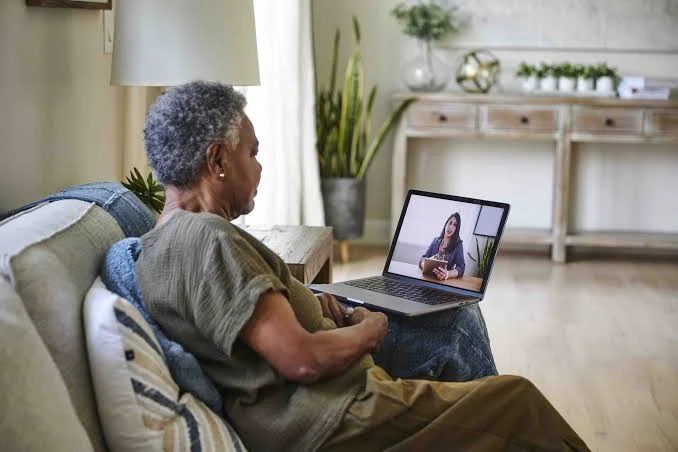
The future is likely to be more connected, flexible, and community-centered.
Technology will continue to expand access, but digital tools should complement rather than replace human relationships.
Peer support is also likely to remain important because recovery involves both professional care and social connection.
At the same time, communities will need stronger links between mental health, primary care, education, housing, employment, and social services.
The WHO has recently highlighted the importance of comprehensive community-based networks that bring care closer to where people live, work, study, and connect.
This shift is important because mental health does not exist in a separate part of life.
It is part of everyday life.
Conclusion: Building Stronger Community Behavioral Health Systems
Community behavioral health is ultimately about bringing appropriate support closer to real life.
It recognizes that recovery can involve therapy, medication, peer support, physical health care, family relationships, housing, employment, education, and social connection.
Moreover, it moves away from the idea that mental health care should happen in only one place or through only one professional.
The strongest systems give people several doors into care and help them move between services without becoming lost in the process.
My key takeaway is simple: effective mental health care should fit the person, not force the person to fit the system.
When communities make support accessible, coordinated, respectful, and flexible, recovery becomes more than managing symptoms. It becomes an opportunity to reconnect with daily life, relationships, purpose, and hope.
FAQs About Community Behavioral Health
What is community behavioral health?
Community behavioral health provides mental health and substance-use support in accessible community settings. Services may include therapy, crisis care, peer support, case management, and primary-care coordination.
Why is community-based mental health care important?
It can reduce barriers such as distance, transportation, cost, and isolation. It also helps connect mental health treatment with social and physical health needs.
What services are included in community behavioral health?
Services vary by location but may include counseling, psychiatric care, crisis intervention, peer support, rehabilitation, care coordination, substance-use treatment, and telehealth.
Can children use community behavioral health services?
Yes. Programs can be designed specifically for children and adolescents and may involve families, schools, pediatric providers, therapists, and community organizations.
Is telehealth part of community behavioral health?
It can be. Behavioral health telehealth may make appointments easier to access, although in-person treatment may still be more appropriate for some people or situations.
⭐ Make MindLiva Your Preferred Source on Google
Get trusted health, wellness, and lifestyle articles from MindLiva.
Add MindLiva
Samie Babaei is a medical science student at Shahid Beheshti University of Medical Sciences with a strong interest in health, wellness, and medical research. As a health writer and researcher at MindLiva, she focuses on creating clear, evidence-based content that helps readers better understand health and well-being.