



Does Sunscreen Prevent Tanning? Tips for Safe Sun Exposure
Have you ever returned from a sunny vacation and noticed your skin looked darker, even though you applied SPF? Many people ask, does sunscreen prevent tanning, especially when they want to enjoy the outdoors without damaging their skin.
The answer is not as simple as yes or no. Sunscreen reduces the amount of ultraviolet radiation reaching your skin, but it does not create a complete barrier against every UV ray.
Understanding how tanning happens can help you make smarter skincare choices. In this guide, we will explore how sunscreen works, whether tanning is possible with SPF, how to select the right product, and the best habits for maintaining healthy skin.
Does Sunscreen Prevent Tanning by Blocking UV Rays?
To understand the relationship between sunscreen and tanning, it helps to understand how your skin reacts to sunlight.
The sun produces ultraviolet radiation, including UVA and UVB rays. These rays affect your skin in different ways.
UVA rays reach deeper layers of the skin and are strongly connected with premature aging, wrinkles, and uneven skin tone.
UVB rays mainly affect the surface of the skin and are responsible for sunburn. They also trigger melanin production, which creates a darker skin tone.
Melanin is your body’s natural defense pigment. When your skin detects UV exposure, it produces more melanin to help protect cells.
However, a tan is still a sign that your skin has experienced UV stress.
How SPF Works to Reduce Skin Damage
SPF, or Sun Protection Factor, measures how well a product protects against UVB rays.
For example:
- SPF 15 blocks approximately 93% of UVB radiation.
- SPF 30 blocks around 97%.
- SPF 50 blocks about 98%.
While these numbers are impressive, no product blocks every UV ray.
This means SPF reduces tanning rather than completely eliminating it.
Moreover, sunscreen effectiveness depends heavily on application habits.
Many people apply less product than recommended, which lowers protection.
Common mistakes include:
- Applying too little SPF
- Forgetting ears, neck, and hands
- Not reapplying after swimming
- Using sunscreen only during vacations
- Ignoring cloudy-day protection
Consistent use creates better results over time.
Why Tanning Happens Even When You Wear SPF

A common misunderstanding is that sunscreen should completely stop skin color changes.
However, even high-quality SPF allows a small amount of UV exposure.
Several factors influence whether you tan:
1. SPF Application Amount
Most people do not apply enough product.
A thin layer may provide much less protection than the SPF number shown on the bottle.
2. Time Spent Outdoors
A short walk outside and a full day at the beach create very different levels of exposure.
3. Skin Type
People naturally produce different amounts of melanin depending on genetics and skin tone.
4. Reapplication
Sweating, swimming, and touching your face can remove protection.
For example, someone using SPF 50 during a beach holiday may still develop a light tan after several days because small amounts of UV exposure add up.
The Difference Between Safe Sun Exposure and UV Damage
Sunlight plays a useful role in daily life. It supports mood, outdoor activity, and vitamin D production.
However, excessive UV exposure can harm the skin.
Long-term overexposure may contribute to:
- Fine lines
- Dark spots
- Uneven texture
- Loss of elasticity
- Premature aging
Therefore, the goal is not necessarily to avoid sunlight completely. The goal is to manage exposure wisely.
Experts often recommend combining SPF with other protective methods:
- Wear protective clothing.
- Use sunglasses.
- Seek shade during peak UV hours.
- Reapply sunscreen regularly.
- Avoid intentional tanning sessions.
Choosing the Right Sunscreen for Your Skin Type
The best sunscreen is the one you will actually use consistently.
Different skin types require different formulas.
Best Sunscreen for Oily Skin
People with oily or acne-prone skin often prefer lightweight products.
A quality sunscreen for oily skin usually includes:
- Oil-free ingredients
- Fast absorption
- Matte finish
- Non-comedogenic formulas
Gel and water-based textures are popular because they feel comfortable under makeup and during hot weather.
Mineral Sunscreen vs Chemical Sunscreen
There are two main sunscreen categories.
Mineral Sunscreen
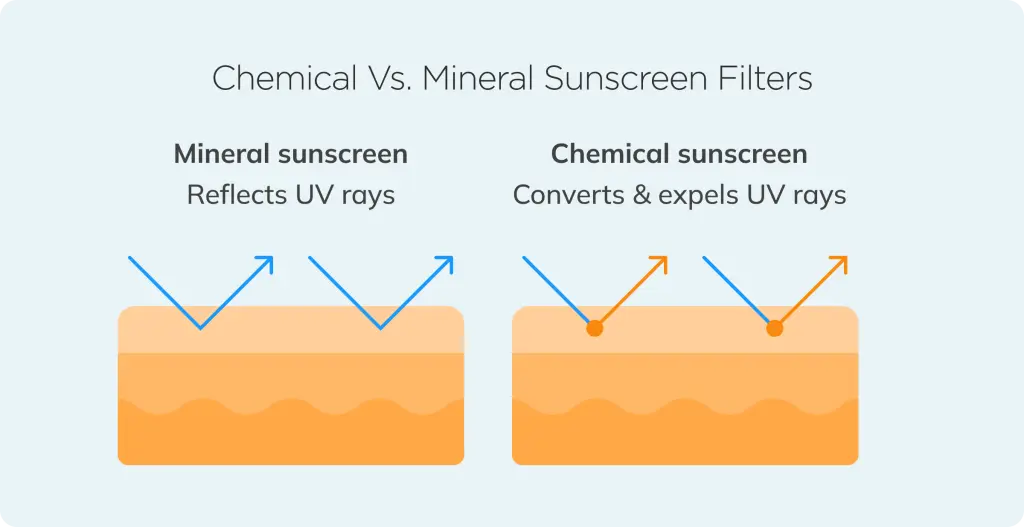
A mineral sunscreen uses ingredients such as zinc oxide or titanium dioxide.
These ingredients sit on the skin and help reflect UV radiation.
Benefits may include:
- Suitable for sensitive skin
- Gentle formulas
- Immediate protection after application
Chemical Sunscreen
Chemical formulas use active ingredients that absorb UV rays and convert them into small amounts of heat.
They often have:
- Lightweight textures
- Easy blending
- Less visible residue
Both types can offer effective protection when used correctly.
Popular Sunscreen Products and Modern Skincare Trends
The skincare industry has changed significantly in recent years. Consumers now look for products that combine protection, comfort, and cosmetic benefits.
For example, many skincare users search for beauty of joseon sunscreen because Korean skincare brands have become popular for lightweight formulas and elegant textures.
Similarly, black girl sunscreen gained attention because many users wanted products designed to blend well with deeper skin tones without leaving visible marks.
Another widely discussed brand is supergoop sunscreen, known for creating different SPF products for everyday skincare routines.
However, the most important factor is not the brand name. A good product should provide broad-spectrum protection and fit your skin needs.
Does Sunscreen Prevent Tanning Completely?
The short answer is no.
If you are wondering does sunscreen prevent tanning, the realistic answer is that it reduces tanning but does not always stop it completely.
Even SPF 50 allows a small amount of UV radiation to reach the skin.
However, using sunscreen correctly can:
- Reduce UV damage
- Slow tanning
- Lower the chance of sunburn
- Help maintain an even skin tone
Think of SPF as a protective tool rather than a complete shield.
Daily Sunscreen Habits That Make a Difference
Many people only think about SPF during summer holidays. However, daily exposure can happen during normal activities.
Examples include:
- Walking outdoors
- Driving near windows
- Sitting outside at restaurants
- Exercising outdoors
- Gardening
Building a simple routine is often easier than trying to repair sun damage later.
A practical morning routine may include:
- Gentle cleansing
- Moisturizer if needed
- Broad-spectrum SPF
- Reapplication during extended outdoor time
Consistency matters more than complexity.
Natural Sunscreen Options and Clean Beauty Choices
As skincare awareness grows, more people are looking for products that match their personal values and skin preferences. This has increased interest in simpler formulas and environmentally conscious skincare.
A natural sunscreen usually refers to products that rely on mineral UV filters, especially zinc oxide or titanium dioxide, instead of traditional chemical filters.
Many people choose these formulas because they may feel gentle on sensitive skin.
However, the word “natural” does not automatically mean a product is more effective. The most important factors are:
- Broad-spectrum protection
- Suitable SPF level
- Comfortable texture
- Proper application
- Regular use
A sunscreen that feels good on your skin is more likely to become part of your daily routine.
How to Choose the Best Sunscreen for Face
Your face receives frequent sun exposure, even during normal daily activities. Therefore, selecting a suitable facial SPF can make a major difference in long-term skin appearance.
The best sunscreen for face depends on your skin type, lifestyle, and personal preferences.
For Dry Skin
People with dry skin may prefer formulas containing moisturizing ingredients.
Helpful features include:
- Creamy textures
- Hydrating ingredients
- Skin-supporting antioxidants
These formulas can help prevent a dry or tight feeling after application.
For Sensitive Skin
Sensitive skin often responds better to gentle products.
Look for:
- Fragrance-free formulas
- Mineral-based options
- Minimal ingredient lists
Testing a small amount before applying a new product across your face is a smart approach.
For Active Lifestyles
If you spend hours outdoors, choose products designed for movement and sweat.
Useful features include:
- Water resistance
- Long-lasting wear
- Easy reapplication
For example, runners, swimmers, and hikers often need stronger protection than someone who spends most of the day indoors.
Choosing Sunscreen for Children
Children spend significant time outdoors through school, sports, and play. Protecting young skin helps create healthy habits from an early age.
Parents often search for the best sunscreen for kids because children’s skin can be more sensitive to certain ingredients.
When choosing a children’s sunscreen, consider:
- Broad-spectrum protection
- Gentle ingredients
- Water resistance
- Easy application
Along with SPF, children benefit from:
- Wearing hats
- Using shade
- Wearing protective clothing
- Avoiding intense midday sunlight
Sun safety is a complete routine, not just one product.
Does Sunscreen Cause Cancer? Understanding the Science
A common online question is does sunscreen cause cancer because some people worry about ingredients used in skincare products.
Current scientific evidence supports sunscreen as an important method for reducing harmful UV exposure. Ultraviolet radiation from the sun is a major factor linked with skin cancer risk.
Regulatory organizations continue reviewing sunscreen ingredients to maintain safety standards.
However, sunscreen should be viewed as one part of a wider protection strategy.
Healthy sun habits include:
- Applying SPF correctly.
- Wearing protective clothing.
- Limiting extreme sun exposure.
- Checking skin changes regularly.
- Following professional skincare advice when needed.
Common Sunscreen Myths You Should Ignore
Many sunscreen mistakes come from outdated information.
Understanding the facts makes daily protection easier.
Myth 1: Sunscreen Means You Cannot Get Vitamin D
Some people avoid SPF because they worry about vitamin D levels.
However, most people can maintain healthy vitamin D levels through diet, lifestyle, and normal daily activities.
Myth 2: Only Fair Skin Needs Protection
Every skin tone can experience UV-related effects.
Although darker skin contains more melanin, it does not provide complete protection from sun damage.
People of all backgrounds benefit from smart sun habits.
Myth 3: Sunscreen Is Only Needed on Sunny Days
UV rays can still reach your skin on cloudy days.
In addition, reflection from surfaces like water, sand, and snow can increase exposure.
Daily awareness is more effective than seasonal protection.
How Diet and Lifestyle Support Healthy Skin
Sun protection works best when combined with a healthy lifestyle.
Your skin depends on many nutrients to maintain normal function.
Helpful foods include:
- Colorful fruits
- Leafy vegetables
- Nuts and seeds
- Fish rich in healthy fats
- Protein-rich foods
For example, berries provide antioxidants, while foods containing healthy fats may support the skin barrier.
Moreover, drinking enough water and getting quality sleep can improve how your skin looks and feels.
Expert Insight: The Best SPF Routine Is the One You Maintain
After years of following skincare trends, one important lesson remains clear: consistency creates better results than complicated routines.
Many people purchase expensive products but forget daily application.
A simple routine using a comfortable SPF product every morning is often more effective than an advanced routine used occasionally.
The ideal sunscreen should:
- Feel comfortable
- Match your skin type
- Fit your lifestyle
- Be applied regularly
Small daily habits often create the biggest long-term improvements.
Conclusion
So, does sunscreen prevent tanning? It reduces tanning by limiting UV exposure, but it does not completely eliminate every color change caused by sunlight.
The purpose of sunscreen is not only cosmetic. It helps protect your skin from harmful UV radiation while supporting healthier aging.
Choosing the right SPF, applying enough product, and combining sunscreen with shade, clothing, and healthy habits creates a stronger protection strategy.
Whether you prefer a lightweight formula, a mineral option, or a product designed for your specific skin type, the best choice is the one you can use consistently.
Safe sun exposure is about balance. You can enjoy outdoor activities while still taking smart steps to care for your skin.
Frequently Asked Questions
Can you still get a tan with sunscreen?
Yes. Sunscreen reduces UV exposure, but it does not block every ray. A small amount of tanning may still happen with regular outdoor exposure.
Do you tan faster without sunscreen?
Yes. Without sunscreen, your skin receives more UV radiation, which can increase melanin production and lead to faster tanning.
Do you tan slower with SPF 50?
Yes. SPF 50 allows less UV radiation to reach the skin compared with lower SPF products, so tanning usually happens more slowly.
Can I use sunscreen to prevent tanning?
Yes. Regular sunscreen use can reduce tanning by limiting UV exposure. However, it cannot guarantee that your skin will never darken.
Is 30 minutes in the sun enough to tan?
It depends on factors such as UV intensity, location, skin type, and time of day. Some people may notice color changes after short exposure.
⭐ Make MindLiva Your Preferred Source on Google
Get trusted health, wellness, and lifestyle articles from MindLiva.
Add MindLiva
Samie Babaei is a medical science student at Shahid Beheshti University of Medical Sciences with a strong interest in health, wellness, and medical research. As a health writer and researcher at MindLiva, she focuses on creating clear, evidence-based content that helps readers better understand health and well-being.