




Mineral Sunscreen vs Chemical Sunscreen: Which Is Better?
Have you ever stood in the skincare aisle wondering whether a mineral sunscreen or chemical formula is the better choice for your skin? With countless SPF products available today, choosing the right protection can feel overwhelming.
Sun protection is no longer just about avoiding sunburn. People now look for products that support healthy skin, feel comfortable, and match their lifestyle.
In this guide, we will compare mineral and chemical sunscreen formulas, explain how they work, discuss their benefits and limitations, and help you understand which option may suit your skin type. You will also learn about common myths, expert recommendations, and practical tips for using SPF correctly.
What Is Mineral Sunscreen and How Does It Work?
A mineral sunscreen is a type of sun protection that uses natural mineral filters to protect the skin from ultraviolet radiation.
The two most common active ingredients are:
- Zinc oxide
- Titanium dioxide
These minerals sit on the surface of the skin and help reflect and scatter UVA and UVB rays.
Because they create a physical layer of protection, mineral formulas are often called physical sunscreens.
Many dermatologists recommend mineral options for people with sensitive skin because they are generally less irritating for some users.
However, every person’s skin reacts differently. A formula that works well for one person may not feel comfortable for another.
How Chemical Sunscreen Works
Chemical sunscreens use active ingredients that absorb UV rays before they can damage skin cells.
Common chemical filters include:
- Avobenzone
- Octisalate
- Octocrylene
- Octinoxate
Instead of sitting on top of the skin, these ingredients work within the upper layers of the skin.
Chemical formulas are popular because they often have:
- Lightweight textures
- Easy application
- Minimal white residue
- Smooth makeup compatibility
For people who dislike the thicker feel of some mineral products, chemical formulas can be more comfortable for everyday wear.
Mineral Sunscreen vs Chemical Sunscreen: Key Differences
Understanding the differences between these two categories can make choosing SPF much easier.
| Feature | Mineral Sunscreen | Chemical Sunscreen |
| Main ingredients | Zinc oxide, titanium dioxide | Organic UV filters |
| How it works | Reflects and scatters UV rays | Absorbs UV rays |
| Skin feel | May feel thicker | Usually lightweight |
| Sensitive skin | Often preferred | Depends on formula |
| White cast | More likely in some products | Less common |
| Makeup use | Depends on texture | Often blends easily |
Both options can provide excellent protection when used correctly.
The best choice depends on your skin type, preferences, and daily habits.
Why Broad-Spectrum Protection Matters
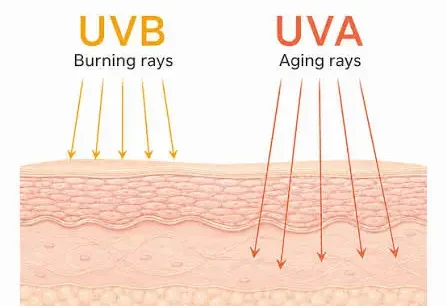
Whether you choose mineral or chemical formulas, broad-spectrum protection is essential.
Broad-spectrum products protect against both:
- UVA rays, which contribute to premature aging
- UVB rays, which cause sunburn
Long-term UV exposure can contribute to:
- Fine lines
- Dark spots
- Uneven skin tone
- Loss of skin firmness
Therefore, consistent SPF use is one of the simplest ways to support healthier-looking skin.
Benefits of Choosing Mineral Sunscreen
Many people choose mineral formulas because they offer several advantages.
1. Gentle Protection
Mineral filters are often recommended for individuals who experience irritation from certain skincare products.
They are commonly used in routines designed for:
- Sensitive skin
- Reactive skin
- Children’s skincare
2. Immediate Protection
Mineral sunscreen begins working after application because it forms a protective layer on the skin.
However, proper application is still important.
Using too little product can reduce protection.
3. Suitable for Many Skin Types
Mineral formulas can work well for many users, especially those who prefer simpler ingredient lists.
Some people also prefer them because they align with clean beauty trends.
Possible Drawbacks of Mineral Sunscreen
Although mineral formulas have many benefits, they are not perfect for everyone.
Some possible disadvantages include:
- White residue on darker skin tones
- Thicker texture
- More difficult blending
- Need for careful application
Modern formulations have improved significantly. Many newer products use smaller mineral particles and improved textures to reduce these concerns.
Mineral Sunscreen for Different Skin Types
Finding the right SPF depends on your personal skincare needs.
Mineral Sunscreen for Oily Skin
People with oily skin often want protection without a heavy or greasy feeling.
A suitable formula should have:
- Lightweight texture
- Matte finish
- Non-comedogenic ingredients
- Comfortable daily wear
Although some mineral formulas feel rich, many newer products are designed specifically for oily and combination skin.
Mineral Sunscreen for Sensitive Skin
Sensitive skin often benefits from avoiding unnecessary fragrance and harsh ingredients.
Look for:
- Simple formulas
- Gentle ingredients
- Dermatologist-tested products
Always introduce new skincare products slowly.
Popular Mineral Sunscreen Trends
The skincare industry has changed as consumers look for products that combine protection with beauty benefits.
For example, Korean skincare has influenced SPF trends worldwide. Products such as beauty of joseon sunscreen became popular because users liked lightweight textures and elegant finishes.
Similarly, black girl sunscreen gained attention because many customers wanted products that blend naturally across different skin tones without leaving visible residue.
Another well-known name in the SPF market is supergoop sunscreen, which offers various formulas designed for everyday skincare routines.
However, the brand name matters less than choosing a product with reliable UV protection.
How to Choose the Best Sunscreen for Face
Your face usually receives the most daily sun exposure, making facial SPF especially important.
The best sunscreen for face depends on your skin type and lifestyle.
Consider these factors:
- Does it feel comfortable?
- Does it work under makeup?
- Does it match your skin tone?
- Will you apply it every day?
A product you enjoy using is more likely to become a consistent habit.
Chemical Sunscreen: Benefits and Considerations
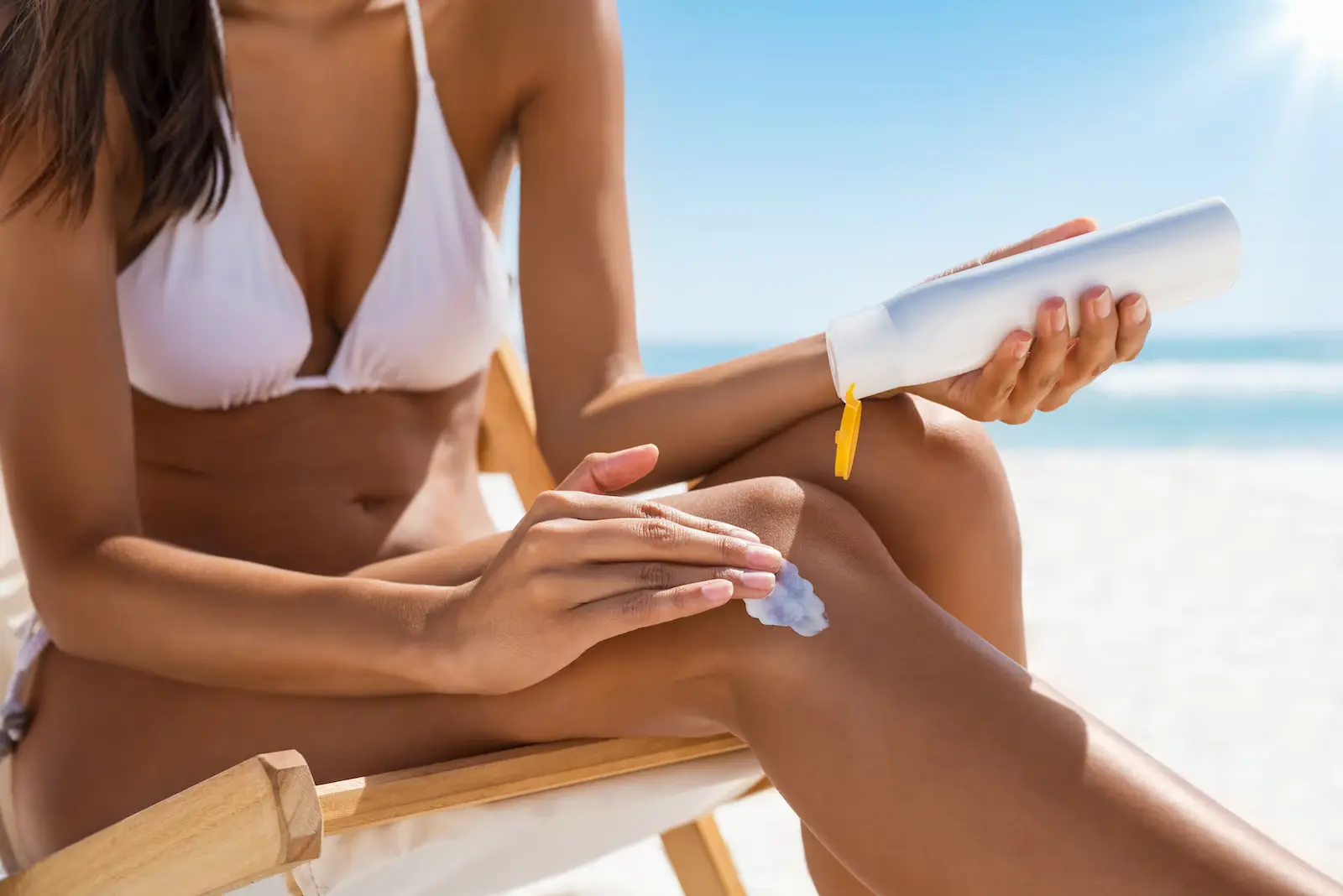
While mineral formulas have become popular, chemical sunscreens remain a common choice for millions of people worldwide.
Their main advantage is comfort.
Many chemical products are designed with lightweight textures that absorb quickly and leave little visible residue. This makes them popular among people who wear makeup, exercise outdoors, or prefer a barely noticeable SPF.
However, choosing a chemical sunscreen does not mean ignoring skin health. The most important factors are proper application, broad-spectrum coverage, and regular use.
Are Mineral Sunscreens Safer Than Chemical Sunscreens?
A common question is whether one type of sunscreen is automatically safer than the other.
The answer is more balanced.
Both mineral and chemical sunscreens are designed to protect skin from harmful UV radiation when they meet safety standards and are used correctly.
Some people prefer mineral options because they are often associated with sensitive skin routines. Others choose chemical formulas because they blend more easily.
In short, the “safer” option is usually the one that:
- Provides broad-spectrum protection
- Matches your skin needs
- Is applied correctly
- Is used consistently
A sunscreen that stays unused in a drawer cannot protect your skin.
Does Sunscreen Cause Cancer? Understanding the Facts
Many people search for answers to does sunscreen cause cancer because of concerns about certain ingredients.
Current research supports sunscreen as an important tool for reducing harmful UV exposure. Ultraviolet radiation from the sun is a major cause of skin damage and is strongly linked to skin cancer risk.
Regulatory organizations continue reviewing sunscreen ingredients to ensure they meet safety standards.
However, sunscreen should not be the only protection method.
A complete sun safety plan includes:
- Applying SPF correctly.
- Wearing protective clothing.
- Using sunglasses and hats.
- Seeking shade during strong sunlight.
- Avoiding intentional tanning.
Can Mineral Sunscreen Prevent Tanning?
Many people ask, does sunscreen prevent tanning when deciding whether SPF is necessary during vacations or outdoor activities.
The answer is that sunscreen can reduce tanning but usually does not stop it completely.
Even strong SPF products allow a small amount of UV exposure. As a result, your skin may still produce melanin over time.
However, using SPF can help:
- Slow the tanning process
- Reduce sunburn risk
- Limit UV damage
- Support healthier skin aging
A tan may look attractive temporarily, but it is still a response to UV exposure.
Natural Sunscreen and Clean Beauty Preferences
The demand for simple skincare products has increased in recent years.
A natural sunscreen often refers to formulas that use mineral UV filters and ingredients considered gentle or environmentally conscious.
Popular ingredients include:
- Zinc oxide
- Titanium dioxide
- Plant-based extracts
- Antioxidants
However, it is important to understand that “natural” is a marketing term rather than a guarantee of better protection.
Always check:
- SPF rating
- Broad-spectrum labeling
- Ingredient list
- Suitability for your skin
Choosing Sunscreen for Children
Children spend many hours outdoors through school, sports, and play.
Because of this, parents often search for the best sunscreen for kids to provide comfortable and reliable protection.
When selecting children’s SPF, look for:
- Broad-spectrum protection
- Gentle ingredients
- Water resistance
- Easy application
Mineral formulas are frequently chosen for children because they are often well tolerated by sensitive skin.
Along with sunscreen, children should use:
- Hats
- Protective clothing
- Shade during peak sunlight hours
Common Mineral Sunscreen Mistakes
Even high-quality SPF will not work properly if used incorrectly.
Avoid these mistakes:
1. Applying Too Little
Many people use far less sunscreen than recommended.
A thin layer may not provide the protection listed on the label.
2. Forgetting Certain Areas
Commonly missed areas include:
- Ears
- Neck
- Hands
- Around the eyes
- Hairline
3. Skipping Reapplication
Swimming, sweating, and wiping your face can reduce protection.
Reapplication is especially important during long outdoor activities.
Mineral Sunscreen and Modern Skincare Routines
Today’s skincare routines often combine SPF with other products.
A simple morning routine may include:
- Gentle cleanser
- Moisturizer
- Antioxidant serum
- Mineral sunscreen
Some people also include vitamin C products because antioxidants can complement a healthy skincare routine.
However, SPF remains one of the most important daily steps.
Mineral Sunscreen vs Chemical Sunscreen: Final Comparison
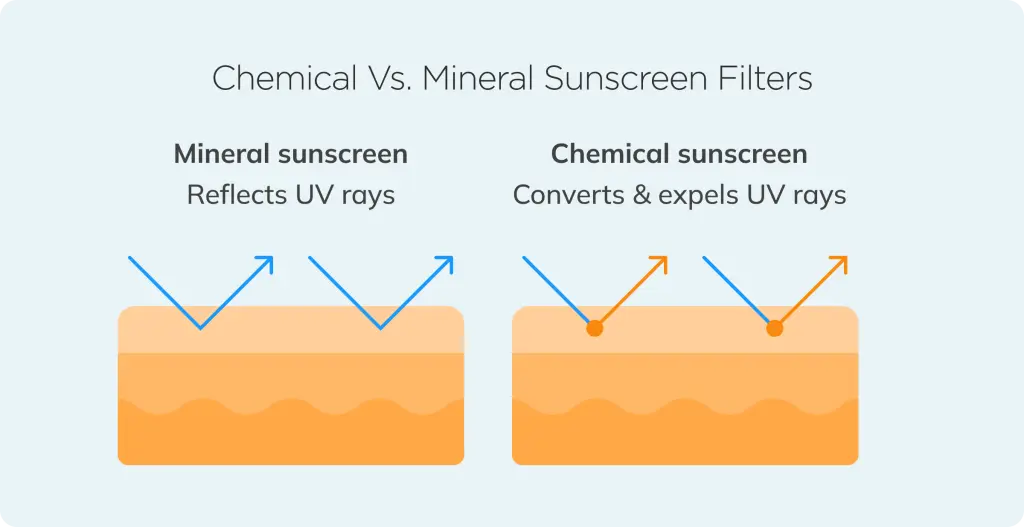
Choosing between mineral and chemical sunscreen does not have to be complicated.
Choose mineral sunscreen if you prefer:
- Mineral filters
- Gentle formulas
- Sensitive-skin-friendly options
- A physical protection approach
Choose chemical sunscreen if you prefer:
- Lightweight textures
- Invisible finishes
- Easy makeup application
- Fast absorption
Neither option is perfect for everyone.
Your ideal sunscreen depends on your skin, comfort, lifestyle, and personal preferences.
Conclusion
So, which is better: mineral sunscreen or chemical sunscreen?
The answer depends on what works best for your skin.
Mineral formulas offer reliable protection and are often preferred by people with sensitive skin. Chemical formulas provide lightweight textures that many users enjoy for everyday wear.
The most important step is choosing a broad-spectrum SPF that you will apply consistently.
Sun protection is not about finding a trendy product. It is about creating a healthy habit that protects your skin every day.
Whether you choose mineral or chemical protection, the goal remains the same: reduce UV damage, support healthier skin, and enjoy the outdoors responsibly.
Frequently Asked Questions
Is sunscreen with minerals better?
Mineral sunscreen can be a great choice, especially for sensitive skin. However, both mineral and chemical formulas can provide effective protection when used correctly.
What are the disadvantages of mineral sunscreen?
Some mineral sunscreens may feel thicker, require more blending, or leave a white cast on certain skin tones.
What are examples of mineral sunscreens?
Common examples include zinc oxide and titanium dioxide formulas. Many brands now offer lightweight mineral options for daily use.
Which sunscreen is best, mineral or chemical?
The best sunscreen depends on your skin type and preferences. Both types can work well when they provide broad-spectrum protection.
What is safer, chemical or mineral sunscreen?
Both types are considered safe when approved and used correctly. The best choice is the one you can apply regularly and comfortably.
⭐ Make MindLiva Your Preferred Source on Google
Get trusted health, wellness, and lifestyle articles from MindLiva.
Add MindLiva
Samie Babaei is a medical science student at Shahid Beheshti University of Medical Sciences with a strong interest in health, wellness, and medical research. As a health writer and researcher at MindLiva, she focuses on creating clear, evidence-based content that helps readers better understand health and well-being.